


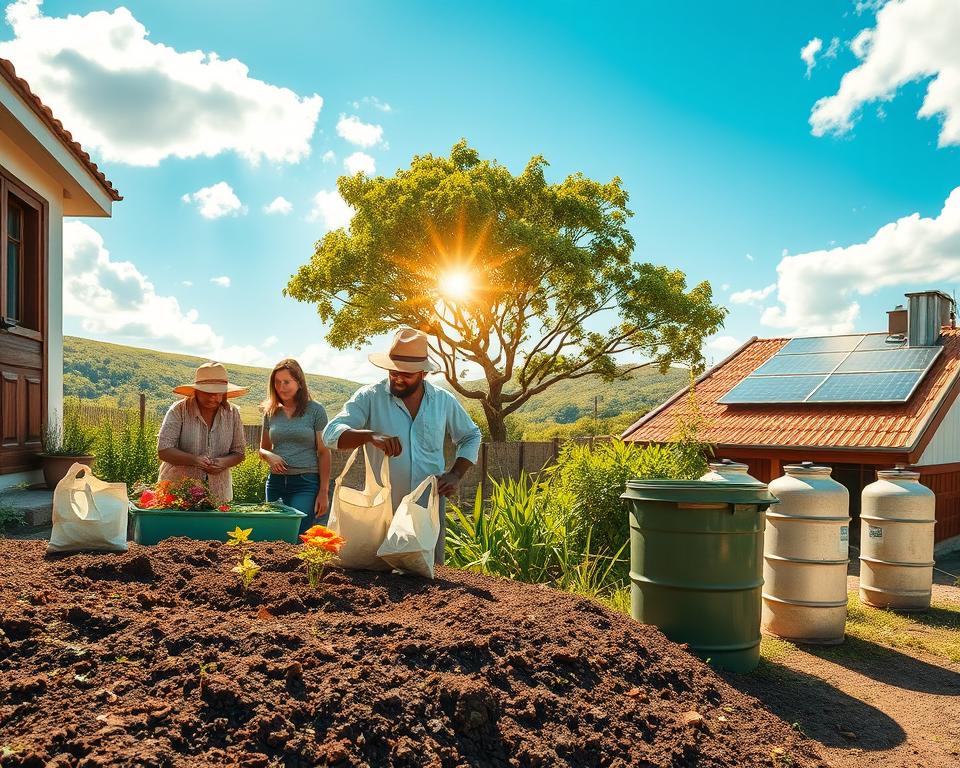
At Conservation International, protecting nature is a top priority. But they can’t do it alone. Individual actions are key, and together, they make a big difference for the planet.
Adopting sustainable practices at home is vital for environmental conservation. Small changes in our daily lives can have a big impact. By making wise choices, we can greatly reduce our environmental impact.
When we work together, we can make a big positive change. This article will share easy tips for living more sustainably at home. These actions help us all contribute to a bigger conservation effort.
Why Household Actions Matter for Our Planet
Our daily choices at home greatly affect the environment. They play a big role in ecosystem preservation and green initiatives. Every action we take can help protect nature, fight climate change, and care for our planet. Together, our small steps can make a big difference for the environment.
Household actions are key in many parts of our lives. They range from how much energy we use to how we manage waste. By making wise choices, we can lower our carbon footprint and help create a greener future.
| Household Action | Environmental Impact |
|---|---|
| Using energy-efficient appliances | Reduces energy consumption |
| Implementing recycling practices | Decreases waste sent to landfills |
| Conserving water | Preserves this vital resource |
Knowing how our actions at home affect the planet helps us make better choices. These choices support ecosystem preservation and green initiatives. They not only help the environment but also ensure a healthier world for generations to come.
Environmental Conservation: In the Home Context
Starting a sustainable future begins with our actions. Protecting the planet starts with us. Simple steps like reducing, reusing, and recycling can greatly help the environment.
In our homes, we can support climate action and biodiversity protection. We can do this by choosing energy-saving appliances, conserving water, and reducing waste. These habits help us join the fight for a greener world.
Our homes can also help protect biodiversity. We can make gardens more wildlife-friendly and use fewer chemicals. These steps not only save resources but also make our environment healthier for the future.
Understanding how our choices affect the planet is key. By making smart decisions, we can greatly help the environment. It’s about living a life that values our planet and takes climate action seriously.
Energy-Efficient Home Management
Managing energy at home is key to a sustainable future. Using eco-friendly solutions and conservation helps reduce our environmental impact.
Renewable energy sources are a big help. Rigging your roof with solar panels lets you use the sun’s power. This is clean and cuts down on fossil fuel use.
Before getting solar panels, check your roof. It needs to face the right direction and not be shaded. The cost upfront is high, but saving on bills over time is worth it.
Wind and Geothermal Alternatives
If solar panels aren’t for you, wind and geothermal are good choices. Wind turbines work well in windy spots. Geothermal uses the earth’s heat for heating and cooling.
| Renewable Energy Source | Benefits | Considerations |
|---|---|---|
| Solar Energy | Emission-free, reduces energy bills | Initial investment, roof suitability |
| Wind Energy | Renewable, can be cost-effective | Wind availability, noise, aesthetics |
| Geothermal Energy | Efficient, stable temperature source | High upfront costs, land requirements |
“The use of renewable energy sources is key for a sustainable future. We must adopt technologies that cut carbon and ensure energy security.”
Using these energy-saving home tips helps a lot. It’s a step towards a greener future. Eco-friendly living should be the standard, not the exception.
Water Conservation Strategies
Water conservation is a simple yet effective way to help the environment. By adopting sustainable practices, we can greatly reduce water waste. This promotes a healthier planet for all.
Installing low-flow fixtures in our homes is a great start. These fixtures use less water for activities like bathing and washing dishes. Using water-efficient appliances, like dishwashers and washing machines, also helps a lot.
Small actions like turning off the tap while brushing teeth save a lot of water. Fixing leaks quickly is also key. A single dripping faucet can waste a lot of water over time.
Using rainwater harvesting systems is another sustainable practice. Collecting rainwater for tasks like watering plants or washing cars helps save groundwater. It also lowers our water bills.
- Install low-flow showerheads and faucets.
- Use a water-efficient washing machine.
- Fix leaks promptly to avoid water waste.
- Implement rainwater harvesting systems.
By adding these water-saving strategies to our daily lives, we help the environment. We also cut down on our water bills. Every small step we take brings us closer to a sustainable future.
Sustainable Waste Management Practices
Households can make a big difference by managing waste better. This means less waste, more recycling, and composting food scraps. It’s a key way to help the environment.
To start, reduce the waste you throw away. Choose items with less packaging and buy in bulk. Say no to single-use items. Using reusable bags, containers, and water bottles helps a lot.
Composting indoors is easy and effective. Use bins or bokashi bins in your kitchen. They handle food scraps and other organic waste without bad smells.
Outdoor Compost Management
If you have outdoor space, compost there. Mix green and brown materials in a pile or bin. Keep it moist and turn it often.
Some great conservation efforts include:
- Composting food scraps to reduce landfill waste and methane emissions.
- Recycling paper, plastic, glass, and metal to conserve natural resources.
- Reducing waste by choosing products with minimal or biodegradable packaging.
By following these steps, households can lessen their impact on the planet. This helps make our world cleaner and healthier.
Eco-Conscious Food Choices and Meal Planning
Eating in a way that’s good for the planet is easier than you think. One key way is to make eco-conscious food choices and plan our meals wisely.
Buying food that’s grown or raised nearby is a big step—the farther food travels, the more greenhouse gases it produces. Choosing local produce helps local farmers and reduces emissions.
- Plan your meals around seasonal produce to reduce reliance on out-of-season imports.
- Buy in bulk to minimize packaging waste.
- Choose products with minimal or biodegradable packaging.
- Avoid food waste by using up leftovers creatively.
Adopting these sustainable practices in our daily lives helps the environment and our health. It also encourages farmers and producers to adopt greener practices.
By choosing what we eat and how we plan our meals, we help make food systems more sustainable. This is a big step towards a more environmentally friendly lifestyle.
Green Cleaning and Personal Care Products
Switching to eco-friendly cleaning and personal care products helps our planet. Traditional products often have harsh chemicals that harm water and life in it. Choosing green alternatives reduces harm and supports biodiversity protection.
Creating your own cleansers is easy and good for the planet. You can use items like baking soda, vinegar, and lemon juice. This method reduces chemical use and packaging waste.
Understanding Eco-Labels and Greenwashing
When buying green products, know about eco-labels and greenwashing. Look for labels from trusted groups, like the EPA’s Safer Choice. Be wary of products that claim to be green but aren’t.
Plastic-Free Alternatives
Choosing plastic-free options makes your home more sustainable. Opt for products in glass, cardboard, or refillable containers. Some great options include:
- Bar soaps and shampoo bars
- Refillable cleaning product containers
- Glass or metal containers for personal care products
By making smart choices, you can lessen your environmental impact. Using eco-friendly products is key to a greener future.
Sustainable Transportation for Families
Sustainable transportation is key for families wanting to lessen their environmental impact. By choosing greener travel, families can make a significant contribution to climate action and environmental sustainability.
Using public transport is a smart move. Families can reduce driving to work by taking public transit one day a week. This small change can make a big difference in reducing carbon emissions.
Carpooling is another good choice. Sharing rides with others means fewer cars on the road, which lowers emissions.
For those who need a car, eco-friendly options are available. Electric and hybrid cars are better for the planet than traditional gas cars.
Adopting these green transport methods helps families make a positive impact on the environment. It also might save them money on fuel. It’s a step towards a greener future.
Creating Wildlife-Friendly Yards and Gardens
Turning your yard into a haven for wildlife is easy and helps the environment. By adding native plants and features, you create a lively ecosystem in your backyard.
Planting trees is a big step towards a greener home. Trees give us oxygen, save energy, and clean the air. Pick native trees that fit your area’s climate and soil.
Native flowers, shrubs, and grasses are also key for wildlife. Here’s how to make your yard welcoming:
- Choose plants that are native to your area.
- Use a mix of plants that bloom at different times for food.
- Provide a water source, such as a birdbath or pond.
- Avoid pesticides to protect wildlife.
| Native Plants | Benefits |
|---|---|
| Butterfly Bush | Attracts butterflies and hummingbirds |
| Black-eyed Susan | Provides nectar for bees and butterflies |
| Oak Tree | Supports a wide range of wildlife, including birds and insects |
By following these tips, you can make your yard a haven for wildlife. It will also become a beautiful part of your home.
Teaching Environmental Conservation to Children
Teaching kids about conservation efforts can change the world. It teaches them to make smart choices and live sustainably. This helps our planet a lot.
Hands-on activities are great for teaching kids about conservation. For example, starting a recycling program at home or school shows them the value of less waste. Planting trees or a small garden also teaches them to care for nature.
Talking to kids about environmental sustainability is also key. Parents and teachers can use simple examples to explain big ideas. This makes complex topics easier for young minds to grasp.
Teaching kids eco-friendly habits early on builds a sustainable future. It’s good for the planet and prepares future generations for a better world.
Community-Based Environmental Initiatives
Community-based environmental initiatives are key to promoting sustainable practices. They unite people to protect our planet. By joining local cleanups and conservation efforts, we help protect biodiversity.
Volunteering for cleanups is a great way to help. You can clean parks, restore rivers, or protect wildlife. Many places also have programs to keep water clean.
These efforts do more than help the environment. They also build a sense of community. Working together, we learn to value conservation and improve our local ecosystems.
To start, look for local groups or organizations in your area. They often host events and initiatives. You can also contact your local government for opportunities to help.
FAQ
What are some simple actions households can take to contribute to environmental conservation?
Households can help the environment by doing simple things. They can use less energy, save water, and recycle. Using green cleaning products and reducing waste also helps.