


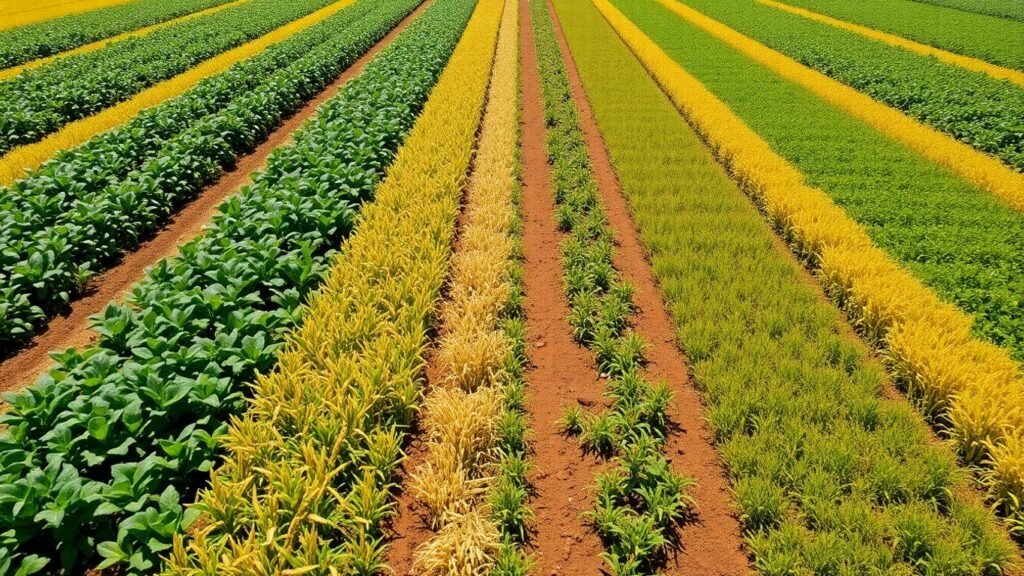
Crop rotation was once central to farming, helping prevent soil erosion, suppress weeds, and even reduce pests and diseases. Though less common in today’s chemically intensive systems, its ecological and agronomic benefits remain clear.
Thanks to collaboration between farmers and scientists, and new technology that makes it easier to track plantings and long-term impacts more farms are now successfully reintroducing crop rotation around the world.
1. Plant Family Groups
Alright, so before we even think about what goes where for the next five years, we gotta get smart about plant families. It sounds a bit fancy, but it’s really just grouping plants that are related. Think of it like organizing your closet – you don’t just shove everything in; you put shirts with shirts, pants with pants. Same idea here.
Why bother? Because plants in the same family often have similar needs when it comes to food (nutrients) and they tend to attract the same pests or get the same diseases. If you plant tomatoes, peppers, and eggplants (all nightshades, or Solanaceae) in the same spot year after year, you’re basically rolling out the red carpet for any little critter or germ that likes them. They’ll just set up shop and thrive.
So, let’s break down some of the big players you’ll likely be dealing with:
- Solanaceae (Nightshades): This is your tomato, pepper, eggplant, and potato crew. They’re usually pretty hungry plants, meaning they take a lot of nutrients from the soil.
- Brassicaceae (Crucifers/Cabbage Family): Think broccoli, cauliflower, kale, cabbage, radishes, and mustard. These guys can also be heavy feeders and are prone to certain soil-borne issues.
- Fabaceae (Legumes/Pea Family): This is where your beans and peas come in. The super cool thing about these guys? They actually add nitrogen back into the soil, which is like a free fertilizer boost for the next crop.
- Cucurbitaceae (Gourd Family): Squash, cucumbers, melons – these are your vining plants. They often have different nutrient needs and growth habits.
- Amaryllidaceae (Onion Family): Onions, garlic, leeks. They have their own set of pest and disease profiles.
By knowing these groups, you can plan your rotation so that, say, you don’t plant a hungry nightshade right after another hungry nightshade. Instead, you might follow it with a nitrogen-fixing legume to help replenish the soil. It’s all about giving the soil a break and keeping things balanced. We’ll use this grouping to build our actual 5-year plan.
2. Alternate Deep-Rooted and Shallow-Rooted Crops
Think about your garden soil like a layered cake. Some plants have roots that go way down deep, like carrots or certain cover crops, while others keep their roots closer to the surface, like lettuce or beans. When you plant the same type of crop year after year, you’re basically just working the same layer of soil over and over. This can lead to compaction and make it harder for water and nutrients to get where they need to go.
By switching between deep-rooted and shallow-rooted plants, you’re working the soil at different levels. The deep roots can help break up compacted soil, letting air and water penetrate better. This is good for drainage and can even help bring up nutrients from deeper down. Then, the shallow-rooted crops come in and help build up the organic matter right at the top. It’s a natural way to improve soil structure over time.
Here’s a quick look at how this plays out:
- Deep-Rooted Crops: Think alfalfa, parsnips, or even some cover crops like rye. These guys are like little tillers, loosening the soil and improving its structure way down deep.
- Shallow-Rooted Crops: Crops like spinach, wheat, or soybeans tend to have roots that spread out near the surface. They’re great for adding organic matter to the top layer and don’t require as much deep soil penetration.
Mixing these up in your rotation plan is a simple yet effective strategy for the long-term crop sequencing benefits. It helps prevent soil from becoming too dense and keeps things healthy and workable for whatever you decide to plant next season.
3. Include Legumes and Cover Crops in the Cycle
Okay, so you’ve heard about crop rotation, but what about the secret weapons that really make your soil sing? We’re talking about legumes and cover crops. These guys aren’t just filler; they’re workhorses for soil health.
Legumes, like beans, peas, clover, and alfalfa, have this amazing ability to pull nitrogen right out of the air and put it into your soil. Think of them as natural fertilizer factories. This means you can cut back on buying those expensive synthetic nitrogen fertilizers. Plus, they have different root structures than many other crops, which helps break up soil compaction.
Then there are cover crops. These are planted not for harvest, but to protect and improve the soil. Things like rye, oats, buckwheat, or vetch can be planted between your main growing seasons. They do a bunch of good things:
- Prevent Erosion: Their roots hold the soil in place, especially important during heavy rains or windy periods.
- Suppress Weeds: They can outcompete weeds, meaning less work for you later.
- Add Organic Matter: When you till them back into the soil (called ‘green manure’), they add a ton of carbon and nutrients, feeding the soil microbes.
- Improve Soil Structure: Some cover crops, like daikon radish, have deep taproots that can break through hardpan layers, making it easier for water and air to get into the soil.
Putting these into your rotation plan is a smart move. You can dedicate a whole season to a cover crop mix, or interseed them with your cash crops. For example, planting clover with your corn or using a mix of rye and vetch after harvesting your beans.
It might seem like an ‘off’ year for harvest, but the payoff in soil fertility and reduced input costs down the line is totally worth it. Seriously, your future self (and your plants) will thank you.
4. Year 4: Root Crops
Alright, so we’ve spent the last few years building up our soil, right? Now it’s time to really put it to work with some root crops. Think carrots, beets, parsnips, potatoes, turnips – all those goodies that grow underground. These guys are what we call ‘heavy feeders,’ meaning they really dig into the soil for nutrients. That’s why it’s so important they come after the soil-building years; they need that rich, loose soil we’ve been working on.
Getting the soil ready for root crops is key. You want it nice and loose so those roots can grow straight and strong. I usually give the beds an extra turn, maybe even double-digging if I have the time, and mix in some well-aged compost. This gives them the food they need without messing up the soil structure too much.
Here are a few things to keep in mind for this year:
- Soil Prep: Aim for deep, well-draining soil. Double-digging and adding compost are your friends here.
- Crop Choices: Potatoes, carrots, beets, parsnips, turnips, radishes, and even onions and garlic work well.
- Pest Control: Companion planting can help. Things like dill or fennel have shallow roots that won’t compete, and they can help keep some pests away. Marigolds are also a good bet.
One thing to watch out for with root crops is too much nitrogen. It can make them fork or grow weirdly, so don’t go overboard with the fertilizer. Consistent watering is also a must. Many root crops can be planted in stages, so you can have a steady harvest coming in all season long. It feels good to see those roots develop after all the work we’ve put in.
5. Year 5: Legumes
Alright, so we’ve made it to year five of our rotation plan, and this is where things get really interesting for soil health. We’re dedicating this year to legumes. You know, things like peas, beans, clover, and alfalfa. These plants are like little soil superheroes because they have this amazing ability to pull nitrogen right out of the air and put it back into the ground. It’s a natural process, and it means we can cut back on buying nitrogen fertilizers later on.
Think of it this way: after years of feeding hungry crops, we’re now giving the soil a chance to replenish its nitrogen reserves. This is super important for the next cycle, especially if you plan on growing heavy feeders like corn or tomatoes again.
Here’s a quick rundown of what you can do with legumes in year five:
- Plant a variety: Don’t just stick to one type. Mix it up with bush beans, pole beans, sugar snap peas, or even some dry beans for storage. Different legumes have slightly different root structures and growth habits, which can benefit the soil in varied ways.
- Consider cover crops: After you harvest your main legume crop, think about planting a winter cover crop like crimson clover or hairy vetch. These will keep working on the soil through the colder months, preventing erosion and adding more organic matter.
- Succession planting: To keep getting harvests throughout the season, plant your beans and peas in stages. Doing this every couple of weeks means you’ll have a steady supply for your table or for selling.
Using legumes in this final year isn’t just about harvesting food; it’s a strategic move to build up the soil’s fertility naturally. It sets the stage for a really productive start to the next five-year cycle. Plus, who doesn’t love fresh beans and peas?
6. Soil Rotation
When we talk about rotating crops, it’s not just about what you plant, but also about how you manage the soil itself. Think of it as giving your soil a varied diet and a chance to recover. This is where soil health management strategies really come into play. Instead of planting the same thing year after year, which can really wear out specific nutrients and compact the soil, we mix things up.
One big part of this is alternating between crops with deep roots and those with shallow roots. Deep-rooted plants, like certain cover crops or even some vegetables, can break through tough, compacted soil. This helps water soak in better and brings nutrients up from deeper down, making them available for the next crop. Then, you follow up with shallow-rooted plants that build up organic matter closer to the surface. This combination is key for improving soil structure and preventing compaction.
Here’s a quick look at how different root depths can help:
- Deep-Rooted Crops: Think alfalfa or certain types of radishes. They penetrate compacted layers, improve drainage, and bring up minerals.
- Shallow-Rooted Crops: Crops like wheat or soybeans tend to build up organic matter in the top few inches of soil.
- Legumes: These are special because they actually add nitrogen to the soil, which is a huge win for improving soil fertility over time.
By consciously planning these rotations, we’re actively working towards improving soil fertility over time. It’s a core part of sustainable farming practices because it reduces the need for artificial fertilizers and keeps the soil healthy and productive for the long haul. It’s about working with nature, not against it, to build a resilient system.
7. Plant Rotation
Plant rotation is all about switching up what you grow in a specific spot year after year. It’s not just about picking different vegetables; it’s about strategically choosing plants that have different needs and benefits for the soil. Think of it like giving your garden a varied diet. You wouldn’t eat the same thing every single day, right? Your soil feels the same way.
This practice goes a step beyond just rotating crop families, though that’s a big part of it. The real goal is to break the cycles of pests and diseases that love to hang out in the soil, waiting for their favorite meal to come back around. If you plant tomatoes in the same spot every year, you’re basically inviting tomato-loving bugs and blights to set up permanent residence. But if you follow tomatoes with something completely different, like beans or carrots, those pests often starve or can’t find their host plant.
Here’s a simple way to think about it:
- Avoid planting the same family back-to-back. For example, don’t plant potatoes (nightshade family) right after tomatoes (also nightshade family). Give it at least a year or two, ideally more, before returning to that family.
- Consider what the previous crop left behind. Legumes, like peas and beans, are soil builders because they add nitrogen. It makes sense to follow them with plants that use a lot of nitrogen, like corn or leafy greens.
- Mix up rooting depths. Some plants have shallow roots that work the topsoil, while others, like deep-rooted plants, can pull up nutrients from deeper down and help break up compacted soil. Alternating these types helps keep the soil structure healthy all the way through.
Keeping records is super important here. Jot down what you planted where each year. It sounds like a hassle, but trust me, future you will be really grateful when you’re trying to figure out what to plant next. It helps you see patterns and make better choices for the long run.
8. Garden Rotation
When we talk about rotating crops, it’s not just for big farms. Your backyard vegetable garden can really benefit from a good vegetable garden rotation schedule too. Think of it like giving your soil a break and a chance to reset. Planting the same things in the same spot year after year can really wear out the soil and invite pests that love those specific plants.
So, what does this look like for a home garden? It’s about moving plant families around. For instance, if you planted tomatoes (which are in the nightshade family) in a certain bed this year, don’t put any nightshades there next year. Instead, maybe follow them with beans or peas (legumes), which actually add nitrogen back into the soil. After the legumes, you might plant some leafy greens like lettuce or spinach, which don’t need as much nitrogen. Then, perhaps root vegetables like carrots or radishes can go in, as they often use different nutrients and help break up the soil.
A simple way to manage this is to divide your garden into sections, maybe four or five, and assign a different plant group to each section each year. This way, no plant family returns to the same spot for at least three to four years. Keeping a simple logbook of what you planted where is super helpful for sticking to your plan. It might seem like a bit of extra work upfront, but trust me, your plants and your soil will thank you for it with healthier growth and better harvests.
9. Climate Considerations
Your crop rotation plan isn’t just about what grows well together; it’s also about what your local weather allows. Thinking about your area’s climate is a big deal for making sure your crops can handle whatever Mother Nature throws at them, especially with the weather getting a bit wilder these days.
Here’s what to keep in mind:
- Frost Dates and Growing Season: Know your first and last frost dates like the back of your hand. This tells you how long your growing season really is. If you’ve got a short window, you’ll want to pick crops that can handle cooler weather and grow fast. Think about planting earlier or later if you can, and maybe have a backup crop in mind if things go sideways with the weather.
- Rainfall Patterns: Does your area get a lot of rain in the spring but dry out by late summer? Plan your crops accordingly. Put the thirsty ones in when the water is plentiful and choose drought-tolerant varieties for those dry spells. This can cut down on how much you need to water, saving you time and resources.
- Extreme Weather: We’re seeing more heat waves, heavy downpours, and strong winds. Consider planting windbreaks like trees or hedges to protect your fields. Also, think about how your soil handles water. Practices that help water soak in better can prevent flooding and erosion during heavy rain, while also holding onto moisture for dry times. Building up soil organic matter really helps with this.
- Microclimates: Even within your own farm, there can be different conditions. A low-lying area might stay wet longer, while a south-facing slope gets more sun. Use these natural features to your advantage when planning where to plant different crops.
Keeping a close eye on the weather and how your crops respond year after year will help you tweak your rotation to be more resilient. It’s all about working with your environment, not against it.
10. Market Demand Integration
It’s easy to get lost in the science of soil health and crop rotation, right? You’re thinking about nitrogen fixation, root depths, and all that good stuff. But let’s be real, if you can’t sell what you grow, the best soil in the world won’t pay the bills. So, integrating market demand into your five-year plan isn’t just smart; it’s necessary.
Think about what people actually want to buy. Are you in an area where local restaurants are looking for specific heirloom vegetables? Maybe there’s a growing demand for organic grains for a local bakery. Knowing this helps you slot those high-demand crops into your rotation at the right time. You don’t want to plan a year of something nobody wants, only to find out you missed a window for a profitable crop.
Here’s a simple way to think about it:
- Identify Your Market: What are the consistent sellers in your area? Talk to local grocers, farmers’ market managers, or even chefs. What do they struggle to get consistently?
- Match Crops to Demand: See where your desired rotation fits with what sells. Can you grow a popular vegetable after a soil-building legume? Or perhaps a specialty grain that commands a higher price?
- Consider Timing: Some crops have specific selling seasons. Plan your rotation so that your most profitable, in-demand crops are ready when the market is hottest.
- Flexibility is Key: Markets change. What’s hot today might not be tomorrow. Build a little wiggle room into your plan so you can adapt if needed. Maybe you can swap out one crop for another similar one if demand shifts.
It’s a balancing act, for sure. You want to keep your soil happy, but you also need to keep your customers happy – and your bank account healthy. Planning ahead for both makes a huge difference.
Frequently Asked Questions
What are plant family groups and why are they important for crop rotation?
Plant families are groups of vegetables that are related, like tomatoes and peppers (nightshade family) or broccoli and kale (cabbage family). It’s important to group them because plants in the same family often need similar nutrients and can get the same diseases or pests. Rotating these families helps prevent these problems from building up in the soil.
How does rotating deep-rooted and shallow-rooted crops help the soil?
Rotating deep-rooted plants, like alfalfa, with shallow-rooted ones, like lettuce, helps your soil in a few ways. The deep roots can break up hard soil, letting water and air get in better. They also pull up nutrients from deeper down. Shallow roots help build up the soil closer to the surface. This mix keeps the soil from getting too compacted and balances nutrients.
Why should I include legumes and cover crops in my rotation plan?
Legumes, such as beans and peas, are amazing because they can pull nitrogen from the air and store it in the soil, acting like a natural fertilizer. Cover crops, like rye or clover, are planted between your main crops to protect the soil from erosion, block weeds, and add organic matter. Together, they make your soil healthier and reduce the need for added fertilizers.
What’s the main idea behind a 5-year crop rotation plan?
A 5-year plan is about giving your soil a break and keeping it healthy over time. It involves rotating different types of crops through the same area over five years. This helps prevent soil from getting worn out, stops pests and diseases from taking over, and can lead to better harvests each year. It’s like giving your soil a chance to recover and rebuild.
How do climate and market demand affect my crop rotation plan?
Your local weather, like when your first and last frost dates are, will tell you what crops you can grow and when. You might need to adjust your plan based on how much rain you get or how long your growing season is. Also, thinking about what people want to buy (market demand) helps you choose crops that will sell well, so you can balance growing healthy food with making a profit.
What are the main benefits of using crop rotation?
Crop rotation offers many benefits! It makes your soil healthier and more fertile, meaning you might need less fertilizer. It also helps control pests and diseases naturally, so you might use fewer pesticides. This leads to better, more reliable harvests year after year, and can even help your farm handle tough weather better. Plus, it’s good for the environment!