


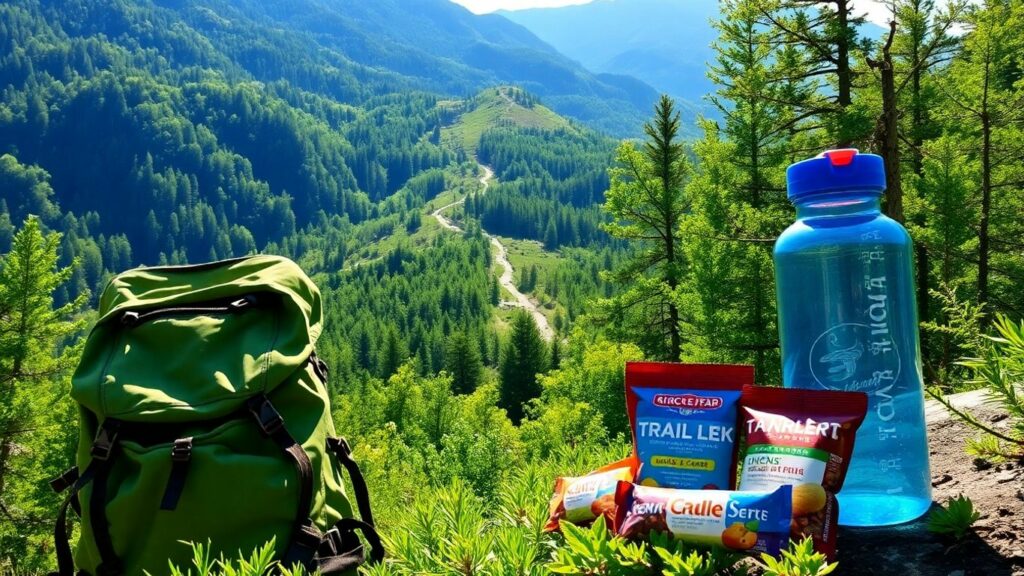
When you hike, your body burns a lot of energy. The exact amount depends on factors like your fitness, the terrain, the weather, and even how heavy your backpack is. On average, a 70-kg hiker can burn 2,000–3,000 calories during a 6-hour, 20 km hike.
That’s a lot, so choosing the right food to pack matters. What should you eat before, during, and after your hike to stay energized without weighing down your bag?
Pre-Hike Nutrition Strategies
Getting your body ready for a hike isn’t just about lacing up your boots. What you eat in the days and hours leading up to your trek plays a big role in how you feel on the trail. Think of it as setting yourself up for success, so you can actually enjoy that mountain climb instead of hitting a wall.
The Night Before Your Trek
The evening before a big hike, you want to focus on complex carbohydrates. These are your body’s preferred energy source, and eating them the night before helps your muscles store up glycogen, which is like a slow-burning fuel.
Forget the sugary stuff; think whole grains, starchy vegetables, and legumes. This is your chance to really load up so you have a good reserve for the next day. It’s also a good time to start hydrating, so sip on some water throughout the evening. Definitely skip the alcoholic beverages, as they can mess with your hydration levels.
- Pre-hike meal ideas often include:
- Whole wheat pasta with a lean protein sauce
- Brown rice with beans and vegetables
- Sweet potatoes with a side of chicken or fish
Morning Fuel for the Trail
On the morning of your hike, you want a breakfast that’s easy to digest but still provides sustained energy. You don’t want to feel heavy or sluggish. Aim for a mix of complex carbs and some lean protein. This meal should be eaten about 1-3 hours before you start hiking, depending on your personal digestion.
If you’re short on time, a smaller, quicker meal is better than nothing. Remember, hiking on an empty stomach is generally not a good idea; your body will start burning muscle for energy, which is not what you want when you’re miles from anywhere.
- Good breakfast options:
- Oatmeal with a handful of nuts or seeds
- Scrambled eggs with whole-wheat toast
- A smoothie with fruit, yogurt, and a bit of nut butter
Foods to Avoid Before Hiking
There are definitely some foods you’ll want to steer clear of right before hitting the trail. Anything that’s hard to digest, high in sugar, or likely to cause gas or bloating can lead to discomfort and energy crashes. You want steady energy, not a rollercoaster ride.
This means saying no to greasy foods, overly spicy dishes, and large amounts of simple sugars. These can cause a quick spike in blood sugar followed by a sharp drop, leaving you feeling wiped out.
- Foods to limit or avoid:
- Fried or greasy foods
- Sugary cereals or pastries
- Large, heavy meals right before starting
- Anything that you know personally doesn’t agree with you
Sustaining Energy During Your Hike
Keeping your energy levels steady while you’re out on the trail is key to enjoying your hike and reaching your destination without hitting a wall. It’s not just about eating a big breakfast; you need a plan for what to consume during your trek.
Think of it like this: your body is a car, and the trail is a long road. You wouldn’t let your fuel tank get completely empty, right? The same applies here.
Smart Snacking on the Trail
The goal here is to provide a consistent, slow release of energy. You want to avoid those sugary snacks that give you a quick burst followed by a slump. Instead, aim for foods that offer sustained fuel.
Eating small amounts frequently, perhaps every hour or so, is much more effective than waiting until you feel ravenous. This keeps your blood sugar stable and your muscles ready to work.
Choosing Nutrient-Dense Snacks
When you’re packing your snacks, think about what your body needs. You’re burning calories and losing electrolytes through sweat. So, what should you bring?
- Trail Mix: A classic for a reason. Combine nuts (like almonds, walnuts, or cashews), seeds (sunflower or pumpkin), and some dried fruit (raisins, cranberries, or apricots). This mix gives you a good balance of healthy fats, protein, and carbohydrates.
- Energy Bars/Gels: These are convenient and specifically designed for endurance. Look for ones with a good mix of complex carbohydrates and some protein, and try to avoid those loaded with simple sugars.
- Nuts and Seeds: On their own, they’re fantastic. They provide healthy fats and protein that digest slowly, keeping you full and energized. They also often contain potassium, which can help prevent muscle cramps.
- Dried Fruit: A good source of quick carbs for energy, but be mindful of how much you eat and make sure you’re drinking enough water, as dried fruit can sometimes be dehydrating if you’re not properly hydrated.
- Jerky: Beef, turkey, or even plant-based jerky offers a good dose of protein to help keep your muscles going.
Balancing Macronutrients Mid-Hike
While carbohydrates are your primary fuel source for immediate energy, you don’t want to neglect protein and fats.
A good balance helps in a few ways:
- Carbohydrates: These are your body’s preferred energy source. They get converted into glucose, which your muscles use for fuel. Think of them as the gasoline for your hike.
- Protein: This is important for muscle repair and can also provide a sustained energy source. It helps prevent muscle breakdown during long efforts.
- Healthy Fats: These digest slowly and provide a long-lasting energy reserve. They are particularly useful for longer, less intense periods of hiking.
Aim for snacks that combine these. For example, an energy bar with nuts and dried fruit, or a whole-grain tortilla with peanut butter. This combination ensures you have both quick energy and sustained fuel, preventing those dreaded energy crashes that can cut your adventure short.
Post-Hike Recovery Nutrition
So, you’ve conquered the trail! Your legs might be feeling it, and your body’s worked hard. Now’s the time to help it bounce back. Think of this as refueling after a long day’s work. Getting the right post-hike recovery food in your system pretty quickly after you finish is key to feeling good and getting ready for your next adventure.
Replenishing Muscles After Exercise
After a strenuous hike, your muscles need some TLC. They’ve been working overtime, and they’re ready for some building blocks.
The main things you want to focus on are protein and carbohydrates. Protein helps repair any tiny tears in your muscle fibers, and carbs put back the energy you just burned off. It’s like giving your body the materials it needs to fix itself up.
The Ideal Recovery Meal Ratio
When you’re thinking about what to eat, a good general guideline is to aim for a ratio of about 4 parts carbohydrates to 1 part lean protein.
This isn’t a hard and fast rule for every single bite, but it’s a solid target for your recovery meal. This balance helps your body use the carbs to refill its energy stores while making sure there’s enough protein available for muscle repair.
Here’s a quick look at what fits into those categories:
- Complex Carbohydrates: Think whole grains like oats, brown rice, or whole wheat bread. Starchy veggies like sweet potatoes and regular potatoes are also great. Even fruits and beans fall into this category.
- Lean Protein: Good choices include chicken breast, turkey, fish, eggs, Greek yogurt, or even plant-based options like tofu or lentils.
Quick Recovery Fuel Options
Sometimes, you just need something fast. You don’t always have time for a full sit-down meal right away. Here are a few ideas for when you need to refuel on the go:
- Smoothies: Blend some fruit (carbs) with Greek yogurt or protein powder (protein) and a splash of milk or water. Easy to drink and digest.
- Trail Mix Upgrade: While you might have eaten nuts and dried fruit on the trail, a mix with some added jerky or roasted chickpeas can offer a better carb-to-protein balance for recovery.
- Turkey or Hummus Wrap: A whole-wheat tortilla filled with lean turkey slices or hummus and some veggies is a balanced and portable option.
- Chocolate Milk: Don’t underestimate this classic! It has a good mix of carbs and protein, plus it’s hydrating.
Essential Hiking Hydration
Staying hydrated is just as important as what you eat, maybe even more so. Your body needs water to keep everything running smoothly, especially when you’re working hard out on the trail. Think of it like oil for your car; without it, things start to seize up.
Hydration Starting the Day Before
Don’t wait until you’re on the trail to start thinking about water. You should be hydrating well the day before your hike. This gives your body a good baseline. Aim for about 20 to 32 ounces of water in the hours leading up to your trek.
If you’re starting your hike early in the morning, drinking a good amount the night before is a smart move. It helps prevent that feeling of being behind right from the start.
Staying Hydrated During Your Trek
Once you’re moving, you need to keep sipping. A good rule of thumb is to drink about 32 ounces of water for every two miles you hike. This can change depending on how hard you’re working, the temperature, and how high up you are.
The biggest mistake people make is waiting until they feel thirsty. By then, you’re already a little dehydrated. Take small, regular sips. It’s better to drink a little often than to chug a lot all at once. If you’re hiking with a dog, remember they need water too, so pack extra for your furry friend.
- Listen to your body: Pay attention to how you feel. If you’re feeling sluggish or getting a headache, it might be a sign you need more fluids.
- Electrolytes matter: For longer or more strenuous hikes, especially in hot weather, you lose electrolytes through sweat. Consider sports drinks or electrolyte tablets to help replenish these.
- Water sources: If you plan to refill from natural sources like streams or lakes, be very careful. Even clear water can have tiny things in it that can make you sick. Boiling water for at least a minute is the safest bet, or use a reliable water filter or purification tablets. Make sure those tablets aren’t expired, though!
Rehydrating After the Hike
Your work isn’t done when you reach the trailhead. Your body needs to rehydrate after the exertion. Aim to drink at least another 8 ounces of water right after you finish. Continue to drink water throughout the rest of the day.
Avoid alcohol and drinks with a lot of caffeine, like coffee or soda, immediately after your hike. These can actually work against your rehydration efforts. Your body has worked hard, and it deserves some good, clean water to recover.
Fuel Sources for Hiking
When you’re heading out on the trail, your body needs the right kind of fuel to keep you going. Think of it like putting gas in your car – you wouldn’t put in the wrong kind, right? Your body works similarly, and understanding what it needs will make a big difference in how you feel.
The Role of Carbohydrates
Carbohydrates are your body’s go-to energy source, especially when you’re doing something active like hiking. They break down into glucose, which is what your muscles use for power. For hiking, you want to focus on complex carbohydrates.
These are digested more slowly, giving you a steady stream of energy instead of a quick burst followed by a crash. Think of things like whole-grain bread, oatmeal, brown rice, and starchy vegetables. These are your best friends for sustained energy on the trail.
Importance of Lean Protein
While carbs get most of the spotlight for energy, protein plays a vital role too. It’s what helps repair and build your muscles, which take a beating on a hike. Getting enough protein means your muscles can recover better and are less likely to feel sore or cramped.
Good sources include lean meats like chicken or turkey, fish, eggs, beans, and nuts. You don’t need a ton of it, but having some protein in your meals and snacks helps keep your body in good working order.
Benefits of Healthy Fats
Don’t shy away from fats! Healthy fats are another great source of long-lasting energy, especially for longer treks. They burn slower than carbohydrates, providing a more sustained fuel. Plus, they help you absorb certain vitamins.
Foods like nuts, seeds, avocados, and olive oil are excellent choices. They’re calorie-dense, meaning you get a lot of energy from a small amount, which is perfect for packing light. Just be mindful of portion sizes, as they are high in calories.
Frequently Asked Questions
How much should I eat before a hike?
You don’t want to stuff yourself before a hike, as that can make you feel sluggish. Aim for a meal that gives you about 300 to 500 calories, and try to eat it at least one to three hours before you start walking. This gives your body enough time to turn the food into energy.
Is it okay to hike on an empty stomach?
It’s generally not a good idea to hike on an empty stomach. Your body needs fuel, especially carbs, to keep your energy up. If you don’t eat, your body might start burning muscle for energy, which isn’t ideal for a hike. Think of it like trying to drive a car without gas – it just won’t go far!
What should I eat the night before a hike?
The night before your hike, focus on eating foods with complex carbohydrates. These are foods like whole-grain pasta, rice, sweet potatoes, and beans. Your body digests these slower, giving you a steady supply of energy for the next day. It’s like filling up your car’s gas tank the night before a long road trip.
What kind of snacks are best for hiking?
During your hike, you’ll want snacks that are easy to eat and give you quick energy. Think about things like trail mix, dried fruit, nuts, jerky, or energy bars. These are great because they’re lightweight and provide a good mix of carbs and protein to keep your energy levels steady.
How much water should I drink while hiking?
Staying hydrated is super important! You should drink water regularly, even before you feel thirsty. A good rule of thumb is to drink about 6 to 12 ounces of water every 20 minutes. If it’s hot out or you’re sweating a lot, you might need even more, and consider a sports drink to replace lost electrolytes.
What should I eat right after a hike?
After your hike, your body needs to recover. The best time to refuel is within 30 to 45 minutes after you finish. Try to eat a meal that has a good balance of complex carbohydrates and lean protein. This helps your muscles repair and rebuild. Think of a turkey wrap on whole-grain bread or Greek yogurt with berries.