


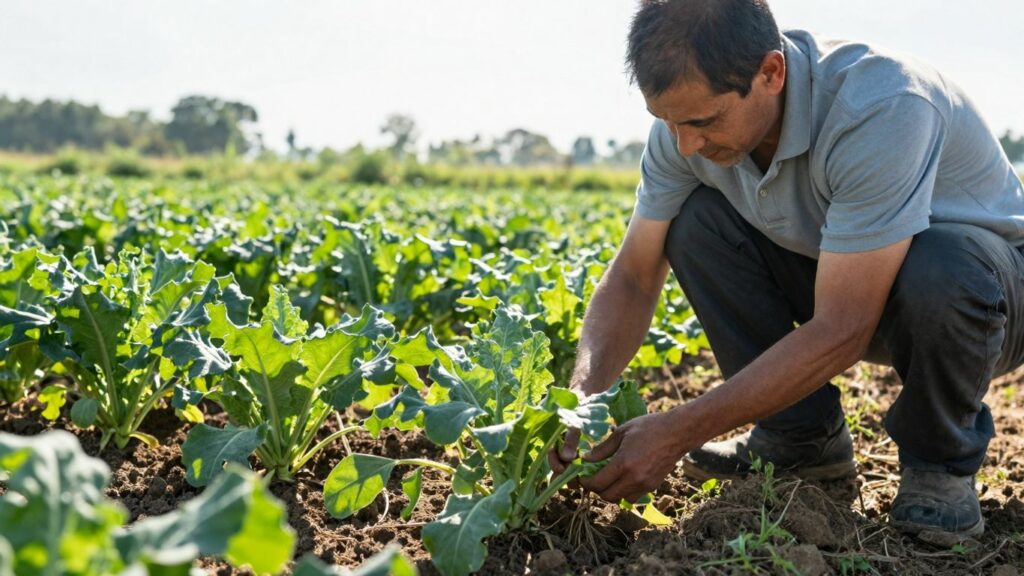
Running a farm, especially a smaller one, can feel like a constant balancing act. You want to grow good food, make a living, and keep the land healthy for years to come. It’s not always easy, and sometimes it feels like you’re just guessing. But there are tried-and-true methods out there that can really make a difference.
These are the kinds of small-scale farming tips that help you work smarter, not harder, and build a farm that’s good for you and good for the earth.
Key Takeaways
- Rotating crops helps keep your soil fertile and naturally reduces pest problems. Think of it as giving your soil a break and a varied diet.
- Using cover crops between your main crops protects the soil from erosion and adds nutrients back, kind of like a natural blanket and fertilizer.
- Integrated Pest Management means using a mix of methods to handle bugs and diseases, relying less on harsh chemicals and more on nature’s helpers.
- Conservation tillage, such as no-till or minimum tillage, keeps soil structure intact, conserves moisture, and prevents erosion, which is great for long-term soil health.
- Organic fertilizers, like compost and animal manure, build up soil quality over time, improving its ability to hold water and support healthy plant growth.
1. Crop Rotation
Switching what you plant in your fields each season or year to year is called crop rotation. It’s a pretty old idea, but it’s still super important for small farms today. Instead of planting the same thing over and over, which can really wear out the soil and invite pests, you plan a sequence of different crops.
Think about planting a grain like corn one year, then maybe some beans or peas the next. Those beans and peas are legumes, and they actually help put nitrogen back into the soil, which is like a natural fertilizer for whatever you plant afterward. You can also throw in clover or vetch as cover crops to really build soil health and organic matter. It’s all about giving your soil a break and a boost.
Why bother with all this planning?
- Breaks Pest Cycles: Pests and diseases often target specific crops. By rotating, you interrupt their life cycle, making it harder for them to establish themselves. This means less trouble with bugs and blights.
- Improves Soil Nutrients: Different plants use different nutrients. Legumes add nitrogen, while other crops might use up different elements. This natural balancing act reduces your reliance on store-bought fertilizers.
- Better Soil Structure: Plants have different root systems. Some go deep, some spread wide. This variety helps break up compacted soil, improves drainage, and makes it easier for water to soak in.
- Increases Yields: Healthier soil and fewer pests usually mean better harvests. You’ll find your crops are more resilient and productive over time.
An example rotation might look like this: Year 1: Corn. Year 2: Chickpeas. Year 3: Oats. Year 4: A cover crop like clover to rest and enrich the soil. It might seem like more work upfront, but the long-term benefits for your soil and your harvest are really worth it.
2. Cover Crops

Cover crops are a real game-changer for small-scale farmers, especially when it comes to backyard farming essentials. Instead of leaving fields bare between your main crops, you plant specific plants, usually not for selling, but for the benefits they bring to the soil and the overall farm ecosystem. Think of them as a natural boost for your land.
These plants do a lot of good work. For starters, they help keep soil from washing away, especially during those heavy rains. They also do a pretty good job of keeping weeds from taking over, which means less work for you later. Plus, some cover crops, like clover or vetch, actually add nitrogen back into the soil, which is like a free fertilizer for your next planting. Others help break up compacted soil with their roots, making it easier for water and air to get in.
Here are some common cover crops and what they’re good for:
- Legumes (like clover, vetch, peas): These are nitrogen-fixers. They pull nitrogen from the air and store it in their roots, making it available for your cash crops later.
- Grasses (like rye, oats): These are great for building soil organic matter and preventing erosion. They grow fast and produce a lot of plant material.
- Broadleaves (like buckwheat, mustard): Buckwheat is a fast grower that can suppress weeds and scavenge for phosphorus. Mustard can help break disease cycles in the soil.
Using cover crops is a smart way to improve your soil’s health over time, reduce erosion, and cut down on the need for synthetic fertilizers. It’s a practice that pays off in the long run, leading to healthier plants and better yields.
3. Integrated Pest Management
Dealing with pests is a constant challenge for any farmer, but relying too much on strong chemicals isn’t always the best route. Integrated Pest Management, or IPM, is a smarter way to handle things. It’s basically a toolbox of different methods to keep pests from causing too much damage, without just spraying chemicals everywhere.
Think of it like this: you’ve got a whole bunch of options before you even consider reaching for a pesticide. You can encourage natural pest controllers, like ladybugs or certain wasps, to hang out in your fields. Sometimes, just changing up what you plant and when, or cleaning up crop debris, can mess with a pest’s life cycle enough to keep them in check. Physical stuff like traps or barriers can also work wonders.
Here are some of the main strategies in IPM:
- Biological Control: This means using living things to fight pests. Consider introducing beneficial insects that eat pests, or using certain microbes.
- Cultural Practices: These are farming techniques that make your crops less appealing or more difficult for pests to access. Things like crop rotation, choosing pest-resistant plant varieties, and proper timing of planting and harvesting fall into this category.
- Physical and Mechanical Controls: This involves using physical barriers, traps, or even hand-picking pests off plants. It’s more hands-on but can be very effective for smaller areas.
- Chemical Control: This is usually the last resort. When other methods aren’t enough, IPM suggests using pesticides, but in a very targeted way. This means using the least toxic options available and applying them only where and when they’re needed most, often just to specific spots rather than broadcasting them over the whole field. This approach can reduce pesticide use by a significant amount, sometimes as much as 70%, while still keeping your crops healthy and your yields up. It’s all about being strategic and using the right tool for the job at the right time.
4. Conservation Tillage

Alright, let’s talk about conservation tillage. This is a big one for keeping your soil healthy and happy. Basically, it means disturbing the soil as little as possible when you’re planting. Think of it like this: instead of churning up the whole field every time, you’re just making a small space for the new seeds.
There are a couple of main ways to do this:
- No-Till: exactly what it sounds like. You don’t till the soil at all. You plant directly into the ground, leaving all the old crop stuff (residue) on top. This residue acts like a blanket, protecting the soil from wind and rain.
- Reduced-Till: This is a bit of a middle ground. You still do some tilling, but it’s way less than traditional methods. You might only disturb the narrow strip where you’re planting, leaving the rest of the field alone.
Why bother with this? Well, it makes a real difference. For starters, it reduces soil erosion. When the soil isn’t all loose, it doesn’t wash or blow away as easily. This is super important, especially if you’re in an area with unpredictable weather. It also helps the soil hold onto water better, meaning you might not need to water as much, which is a lifesaver during dry spells. Plus, leaving that old plant material on the surface helps build soil organic matter over time. This feeds the little critters in the soil and can even help store carbon. It’s a win-win for your farm and the environment.
5. Organic Fertilizers
When we talk about feeding our crops, synthetic fertilizers often come to mind first. But for small-scale farmers looking to build healthier soil and a more sustainable operation, organic fertilizers are a fantastic alternative. These aren’t just about giving plants a quick boost; they’re about nurturing the soil ecosystem itself. Think of it as feeding the soil, not just the plant.
Organic fertilizers come from natural sources. This includes things like compost, animal manure (properly aged, of course!), and even certain plant materials. Using these helps improve the soil’s structure, meaning it can hold onto water better and is less likely to wash away during heavy rains. It’s a key part of many organic farming techniques.
Here’s a quick look at some common organic fertilizer sources:
- Compost: Decomposed organic matter from kitchen scraps, yard waste, and crop residues. It’s like black gold for your soil.
- Animal Manure: From livestock like cows, chickens, or horses. It needs to be composted or aged to avoid burning plants and to kill weed seeds and pathogens.
- Green Manures: Crops grown specifically to be tilled back into the soil, like clover or vetch, to add nutrients and organic matter.
- Bone Meal and Blood Meal: Byproducts from animal processing, providing specific nutrients like phosphorus and nitrogen.
Using organic fertilizers is a bit different from just spreading synthetic granules. It often involves building up the soil over time. You might see farmers adding compost to their fields before planting or using cover crops that are then incorporated into the soil. It’s a slower, more deliberate process, but the long-term benefits for soil health and crop resilience are really significant. It’s a way to work with nature, not against it.
6. Agroforestry
Agroforestry is basically mixing trees and shrubs into your regular farm setup. Think of it as giving your crops and maybe even your animals some woody neighbors. It’s not a new idea; people have been doing this for ages, but it’s really making a comeback.
Why bother? Well, it does a lot of good things for your farm. For starters, it can really help with soil health. Those trees and shrubs can help keep the soil from washing away, especially on slopes, and their roots can break up tough ground. Plus, when their leaves fall and break down, they add good stuff back into the soil, kind of like natural compost. This means you might need less fertilizer.
It also helps with water. Trees can create a bit of shade, which means less water evaporates from the soil. They can also help rain soak in more effectively instead of running off. This can make your farm tougher when things get dry.
Here are a few ways to do it:
- Alley Cropping: Planting rows of trees or shrubs with crops grown in the spaces between them.
- Windbreaks: Planting lines of trees around your fields to block strong winds. This protects your crops and can stop soil from blowing away.
- Silvopasture: This is where trees and grazing animals, like sheep or cattle, share the same land. The animals get shade and forage, and the trees can provide other benefits.
- Food Forests: More complex systems that mimic a natural forest, with different layers of trees, shrubs, and ground cover, often including fruit and nut trees.
It takes some planning, and you won’t see the full benefits overnight because trees take time to grow. But for long-term farm health and resilience, it’s solid homesteading agricultural advice. It can also open new income streams, such as selling wood products or fruit from the trees.
7. Sustainable Irrigation
Water is a precious resource, and using it wisely on your farm is a key part of sustainable agricultural practices. For small-scale farmers, especially those involved in urban gardening, efficient irrigation can make a huge difference. Instead of just flooding fields, consider smarter ways to deliver water to your plants.
Drip irrigation is a great option. It sends water directly to the plant roots, using much less water overall and reducing evaporation. Micro-irrigation systems work similarly. These methods help prevent water runoff, which is good for the soil and stops erosion.
Here are a few key points for sustainable irrigation:
- Know Your Soil: Understand how well your soil holds water. Different soil types need different watering schedules.
- Water When Needed: Don’t just water on a set schedule. Use soil moisture sensors or feel the soil to see if it’s actually dry. This stops overwatering.
- Collect Rainwater: Set up systems to capture rainwater. This reduces your reliance on wells or municipal water sources.
- Timing is Key: Water early in the morning or late in the evening. This minimizes water loss from evaporation during the hottest parts of the day.
By adopting these approaches, you can significantly reduce water waste, save money on water bills, and make your farm more resilient, especially during dry spells. It’s a win-win for your crops and the environment.
8. Soil Testing
Knowing what’s going on under your feet is pretty important for growing good crops. That’s where soil testing comes in. It’s not just about guessing; it’s about getting real data on your soil’s health and what it needs. Think of it like a check-up for your farm’s foundation.
Regular soil tests can tell you a lot. You’ll find out about the nutrient levels – things like nitrogen, phosphorus, and potassium, which plants really need to grow strong. It also checks the soil’s pH, which affects how well plants can actually use those nutrients. Plus, it can give you an idea of the organic matter content, which is super important for soil structure and water retention.
Here’s a basic rundown of why and how you might test your soil:
- Understand Nutrient Needs: Identify deficiencies or excesses of key nutrients so you can fertilize precisely, saving money and avoiding waste.
- Check Soil pH: Different crops prefer different pH levels. Testing helps you know if you need to adjust it, perhaps by adding lime to raise it or sulfur to lower it.
- Monitor Organic Matter: Higher organic matter levels indicate better soil structure, greater water-holding capacity, and a healthier environment for beneficial microbes.
- Detect Potential Problems: Tests can sometimes flag issues such as salinity or heavy metal contamination, though this is less common in typical small-scale farms.
How do you actually do it? It’s not too complicated. You’ll want to collect samples from different parts of your field, especially areas that look or grow differently. Dig down a few inches, grab a sample, and put it in a clean container. Mix the samples from one area to get a representative sample for that spot.
Then, you send these samples off to a lab. They’ll analyze them and send back a report. It might seem like a small thing, but this information can really improve how you manage your fields. It helps you make smarter decisions about what to add, when to plant, and how to improve your soil over time.
9. Animal Manure
Animal manure is a goldmine for small-scale farmers looking to boost soil fertility without breaking the bank on synthetic fertilizers. It’s basically nature’s way of recycling nutrients. When you add manure to your fields, you’re not just feeding your crops; you’re also improving the soil’s structure. Think of it like adding a good sponge to your soil – it helps hold onto water better, which is a lifesaver during dry spells. Plus, healthier soil means less erosion, keeping that precious topsoil right where it belongs.
Using manure can really cut down on the need for chemical fertilizers. This is good for your wallet and even better for the environment. Less chemical runoff means cleaner water and a healthier ecosystem for beneficial insects and soil microbes. It’s a win-win.
Here’s a quick rundown on how to make the most of animal manure:
- Composting is Key: Raw manure can sometimes be too strong for plants and might contain weed seeds or pathogens. Composting it first breaks down these issues and creates a more balanced, potent fertilizer. Aim for a good mix of ‘greens’ (like manure) and ‘browns’ (like straw or dry leaves) for effective composting.
- Know Your Source: Different animals produce manure with varying nutrient levels. Chicken manure is typically high in nitrogen, while cow or horse manure is often richer in organic matter. Knowing this helps you tailor its use to specific crop needs.
- Application Timing: It’s usually best to apply composted manure before planting or during the growing season, depending on the crop and the compost’s maturity. Avoid applying fresh manure too close to harvest, especially for root crops.
- Balance is Important: While manure is great, don’t go overboard. Too much of a good thing can lead to nutrient imbalances in the soil. Soil testing can help you figure out the right amounts.
Think of animal manure as a valuable resource that closes the loop on your farm, turning waste into a powerful soil amendment. It’s a practice that pays off in healthier soil, stronger crops, and a more sustainable operation.
10. Plant Material
When we talk about plant material, we’re really looking at the seeds, seedlings, or cuttings you use to start your crops. It might seem straightforward, but picking the right stuff can make a big difference in your harvest. Think about it: using healthy, strong starting material is like giving your plants a good head start. It’s not just about what kind of plant you want to grow, but also about its resilience and how well it’ll do in your specific farm conditions.
Here are a few things to keep in mind when selecting your plant material:
- Variety Selection: Always choose varieties known to do well in your local climate and soil type. Look for disease resistance, too; it can save you a lot of headaches later. Sometimes, local seed banks or experienced farmers in your area are the best resources for this.
- Seed Quality: If you’re starting from seed, make sure they’re fresh and from a reputable source. Old seeds might not germinate well or produce weaker plants. You can sometimes do a quick germination test at home by placing a few seeds between damp paper towels in a warm spot to see how many sprout.
- Seedling/Cuttings Health: If you’re buying seedlings or taking cuttings, inspect them carefully. Look for sturdy stems, good color, and no signs of pests or diseases. Avoid anything that looks yellow, wilted, or has spots on the leaves.
- Local Adaptation: Sometimes, plants grown locally for a while are better adapted to your specific conditions. They might have developed natural resistance to local pests or diseases, and they’re usually more tolerant of your weather patterns.
Choosing the right plant material isn’t just about getting a plant to grow; it’s about setting yourself up for a more successful and less troublesome growing season. It’s a foundational step that impacts everything that follows.