


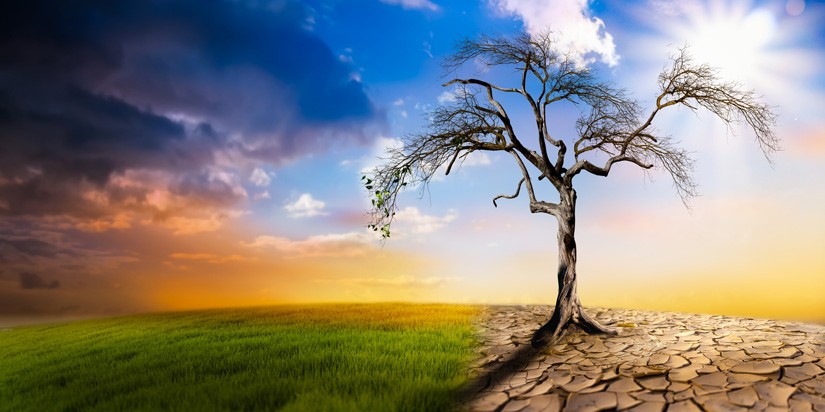
The world’s food production is facing big challenges because of climate change. Higher temperatures and changes in rain patterns are hurting crop yields. This is making food hard to find for people everywhere.
Ignoring these problems could lead to serious issues with food. We need to make sure everyone has access to food, even as the climate changes. Governments, farmers, and consumers must work together to solve this problem.
This article will look at how climate change is affecting food around the world. We’ll talk about the need for green practices and new ideas to fight its effects.
The Growing Crisis in Global Food Systems
The global food system is in crisis due to climate change. Rising temperatures and changing weather patterns hurt farming and food security. Extreme weather events are more common, making things worse.
The impact of climate change on farming is huge. It affects crop yields, soil health, and water. Farmers find it hard to adapt to these changes. They need sustainable agriculture practices more than ever.
Using sustainable practices can help fight climate change’s effects on farming. Techniques like crop rotation and organic farming are key. They make soil stronger, use less water, and help biodiversity.
We must act fast to solve the global food system crisis. Understanding the problems and using sustainable solutions is key. This way, we can ensure food security for the future.
Climate Change Agriculture: Defining the Relationship
Global warming affects agriculture in many ways. It changes how crops grow, farming methods, and food safety. With rising temperatures and more extreme weather, farms face big challenges.
Climate-smart agriculture is key to fighting these issues. It helps farms grow more food, adapt to climate change, and cut down on harmful emissions. Practices like conservation agriculture, agroforestry, and using tough crops are being encouraged globally.
| Climate-Smart Practice | Description | Benefits |
|---|---|---|
| Conservation Agriculture | Minimal soil disturbance, permanent soil cover, and crop rotations | Improved soil health, reduced erosion, increased biodiversity |
| Agroforestry | Integration of trees into agricultural landscapes | Enhanced ecosystem services, improved soil fertility, increased carbon sequestration |
| Climate-Resilient Varieties | Crop and animal varieties bred for tolerance to climate-related stresses | Increased productivity, improved yield stability, enhanced farmer resilience |
Using climate-smart agriculture helps fight global warming’s impact on farms. It also boosts food safety and sustainable growth. As we face climate change, strong farm systems are more important than ever.
Rising Temperatures and Their Effect on Crop Yields
Climate change is changing how we grow food worldwide. Rising temperatures are causing big problems for farmers. They make growing seasons shorter, water scarcer, and pests more common.
Corn and Wheat Production Declines
Corn and wheat are key crops, but they’re struggling with the heat. Increased temperatures during the growing season can lead to heat stress, hurting grain production. For every degree Celsius rise, corn yields drop by up to 7.4%, and wheat by about 6%.
This decline hurts food security and the economy. Farmers and communities that rely on these crops face big challenges.
Rice Cultivation Challenges
Rice is vital for over half of the world’s people, but it’s also vulnerable to climate change. Warmer temperatures cause more water to evaporate, making water scarce. They also spread diseases and pests that harm rice yields.
To fight these issues, scientists are working on climate-resilient rice varieties. These new varieties can handle higher temperatures and changing weather.
Adapting to climate change is key for food security. We need to grow crops that can handle the heat and change. By adjusting planting times, using special farming methods, and better managing water, farmers can adapt. This way, they can keep feeding the world’s growing population.
Changing Precipitation Patterns and Water Availability
Climate change is changing how rain falls, affecting water for farming. As the planet warms, rain gets more intense and unpredictable. This can lead to droughts and floods, making it hard for farmers to plan water use.
Changes in rain patterns affect water for farming in many ways. In places with less rain, crops struggle because of water shortages. On the other hand, too much rain can flood fields and damage crops. Finding ways to manage water well is key.
Farmers and leaders need to find ways to handle water better. This means using water more efficiently, building better places to store water, and using new water-saving tools. Also, farming in ways that are smart for the climate can help crops survive better.
| Precipitation Pattern Change | Impact on Water Availability | Adaptation Strategies |
|---|---|---|
| Increased Rainfall | Flooding, increased water storage | Improve drainage, enhance water storage |
| Decreased Rainfall | Water scarcity, lower crop yields | Use efficient irrigation, grow drought-resistant crops |
| Increased Variability | Unpredictable water, hard for planning | Improve weather forecasting, use climate-smart farming |
Understanding how rain changes affects water for farming is important. By using the right strategies, we can make farming more resilient to climate change. This helps ensure food for everyone in the future.
Extreme Weather Events Disrupting Food Production
Climate change is causing more extreme weather events. These events are severely affecting how we grow food. Hurricanes, droughts, and floods are becoming more common, disrupting food production systems.
Hurricanes can destroy crops and damage infrastructure. Droughts lead to water scarcity, hurting crop yields. For example, the 2012 drought in the United States cut corn production by 27%.
Floods are also a big threat. They can flood fields, destroy crops, and harm soil quality. The 2010 floods in Pakistan, for example, damaged over 2 million acres of cropland, causing big losses in food production.
These events don’t just reduce food quantity. They also lower food quality. The growing number and severity of extreme weather events show we need stronger farming practices. We must find ways to lessen climate change’s impact on farming.
Pest and Disease Proliferation Under Changing Climates
The changing climate is making it easier for pests and diseases to grow. This is a big risk for food all over the world. As temperatures go up and weather gets wilder, pests and diseases are changing how they live. This brings new problems for farmers everywhere.
Insect Pests Moving Poleward
Insect pests are moving towards the poles as temperatures rise, invading new territories and affecting crops that were previously unaffected. For instance, the Fall Armyworm, a pest native to the Americas, has spread to Africa and Asia, causing significant damage to maize crops.
| Pest Species | Original Habitat | New Regions Affected |
|---|---|---|
| Fall Armyworm | Americas | Africa, Asia |
| Aphids | Temperate regions | Northern Europe, North America |
Invasive Species Threats
Invasive species, helped by climate change, are a big danger to native plants and farms. They can take over resources, change how ecosystems work, and harm crops. Using sustainable agriculture practices, like changing crops and using natural pest control, can help fight these problems.
To tackle the challenges from pests and diseases with climate change, we need to use climate-resilient agriculture methods. This means creating crops that can fight off pests and diseases. It also means improving how we watch for and warn about pest outbreaks.
Regional Disparities in Climate Change Impacts
Climate change is affecting agriculture differently around the world. The impact on crops, water, and food security varies greatly. This shows how global warming is causing uneven effects.
Sub-Saharan Africa
Sub-Saharan Africa is very vulnerable to climate change. The region is seeing warmer temperatures and changes in rain patterns. These changes are making it harder to grow crops like maize, a key food source.
Farmers are trying new ways to farm, like climate-smart agriculture. This includes practices like conservation agriculture and agroforestry. These methods help the soil and keep water better.
- Conservation agriculture reduces soil erosion and makes soil more fertile.
- Agroforestry adds trees to farms, boosting biodiversity and providing extra income.
South and Southeast Asia
South and Southeast Asia are also feeling the effects of climate change. Rising sea levels and more flooding are hurting rice crops in low-lying areas. Weather changes are also bringing more pests and diseases, making farming harder.
To fight these issues, countries are investing in climate-resilient infrastructure. They’re also promoting farming methods that can handle the changing climate.
- They’re improving irrigation to better manage water.
- They’re working on crops that can handle the new climate.
In summary, the uneven impact of climate change on agriculture shows we need specific solutions. By understanding the challenges in places like Sub-Saharan Africa and South and Southeast Asia, we can support climate-smart agriculture. This will help make farming more resilient and improve food security.
Food Security Concerns in a Warming World
The world is getting warmer, and it’s a big problem. We need to make sure everyone has enough food. Climate change is messing with how we grow food, from changing when we can plant to affecting how much we can grow.
Food security means we have enough food to eat. Climate change is making it hard by reducing how much we can grow. It also makes water scarcer and weather more extreme.
Impact on Food Availability
Climate change is changing where we can grow food. This means we might grow less and have less food. Places that already struggle to find food will be hit the hardest.
| Region | Projected Change in Crop Yield by 2050 | Impact on Food Security |
|---|---|---|
| Sub-Saharan Africa | -10% to -20% | Increased food insecurity due to reduced crop yields. |
| South Asia | -5% to -15% | Potential for increased malnutrition due to decreased food availability. |
| East Asia | +5% to +10% | Possible improvement in food security due to increased crop yields. |
We need to adapt farming to fight climate change. This means growing different crops, using methods that save soil, and using new farming tech.
By understanding how climate change affects food, we can find ways to keep food systems strong. This way, we can ensure everyone has enough to eat, even as the climate changes.
Adaptation Strategies for Climate-Resilient Farming
Climate change is affecting our food systems worldwide. Farmers and experts are looking for ways to make farming more resilient. They want to lessen the impact of climate change on farming.
Conservation Agriculture Techniques
Conservation agriculture uses methods that protect the soil. It involves less soil disturbance, keeping the soil covered, and rotating crops. These actions improve soil health, reduce erosion, and help keep water in the soil.
Using conservation agriculture has many benefits:
- Soil health gets better with less tillage and more organic matter.
- Water use becomes more efficient because of better soil structure and cover.
- Crops grow better in healthier soils and with more efficient water use.
Agroforestry Systems
Agroforestry mixes trees into farming areas. It boosts biodiversity, improves soil health, and gives farmers extra income from tree products.
| Adaptation Strategy | Benefits | Climate Change Mitigation |
|---|---|---|
| Conservation Agriculture | Soil health, erosion, and water retention improve | High |
| Agroforestry Systems | Biodiversity, soil health, and extra income | High |
By using these farming methods, farmers can fight climate change’s effects. They also help make our food system more sustainable. It’s important to make these practices common in farming to ensure food security as the climate changes.
The Role of Technology in Agricultural Adaptation
Technology is key in making farming more resilient to climate change. As the climate shifts, new tech helps farmers adapt. This is essential for keeping food production stable.
Precision agriculture is a big step forward. It uses GPS, sensors, and drones to boost crop yields and cut down on waste. This way, farmers can make better choices based on data, saving resources and the environment.
Creating crops that can handle harsh weather is another major breakthrough. Scientists are working on crops that can survive droughts and floods. This work is vital for ensuring we have enough food.
| Technological Innovation | Description | Benefits |
|---|---|---|
| Precision Agriculture | Use of GPS, sensors, and drones to optimize crop yields | Improved resource allocation, reduced waste |
| Climate-Resilient Crops | Genetic research and breeding for crops that withstand extreme weather | Enhanced food security, adaptability to climate change |
By using these technologies, farmers can adopt climate-smart agriculture. This not only helps them face climate change but also supports sustainable agriculture practices. Technology is essential for a food system that can handle climate shifts.
The Path Forward
Climate change is affecting how we grow food worldwide. We need a mix of solutions to tackle these issues. Rising temperatures and more extreme weather are hurting crops and food safety.
Farming is facing big changes, from shifting seasons to more pests and diseases. But, we can fight these problems with smart farming and technology. This way, we can make food systems better for the future.
We must invest in farming research and better irrigation. We also need to support farming that includes trees. Working together, we can make food systems strong enough for everyone.
Creating a better food system needs everyone’s help. Governments, farmers, and consumers must work together. By focusing on climate-friendly farming, we can ensure food for all.