


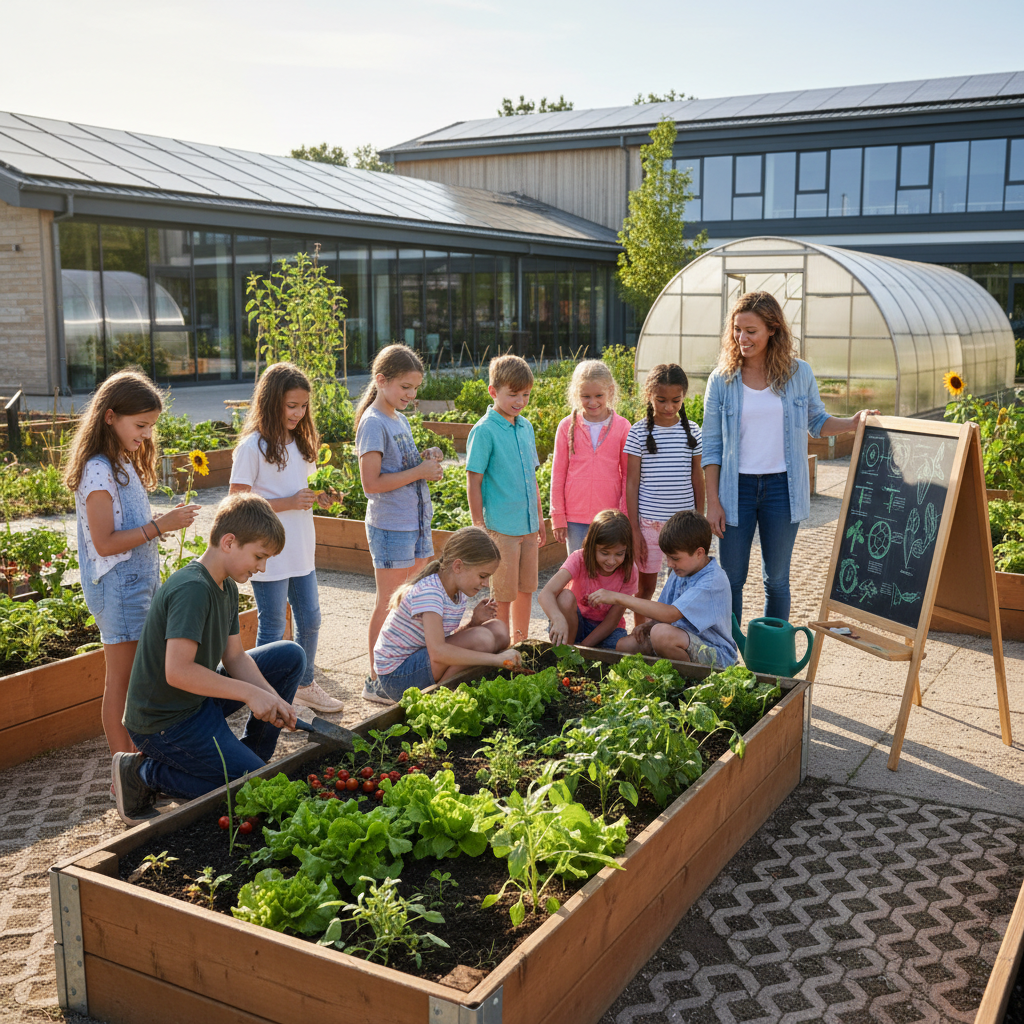
Gardening turns regular classroom learning into something kids can actually touch and see grow. When you bring “How to Integrate Gardening into the K-12 Curriculum” into K-12 schools, you’re creating spaces where students get excited about multiple subjects at once, while picking up life skills they’ll actually use.
This approach doesn’t just make academic concepts stick better; it gets kids thinking about the environment, taking responsibility, and eating healthier, too.
How to Integrate Gardening into Science Classes
Building a school garden that actually works? You need a solid plan first.
Get a team together, teachers, administrators, students, and anyone from the community who wants to help. Find your space on school grounds, whether that’s a big plot, some raised beds, or just containers if you’re working with limited room.
Think about your local weather and when things actually grow around here when you’re picking plants. Start with vegetables that basically grow themselves: lettuce, radishes, beans, stuff that shows results fast, so kids stay interested. Set up a schedule where students handle the daily work: watering, pulling weeds, and harvesting.
You’ll need basic tools, seeds, decent soil, and access to water. Here’s something useful: many local garden centres and agricultural extension offices hand out grants or donate supplies specifically for school garden programs, so it’s worth asking around.
How to Integrate Gardening into Mathematics
Gardens naturally connect different subjects in ways that actually make sense to students.
In science classes, kids watch plant life cycles happen right in front of them, see photosynthesis in action, and explore how ecosystems work. They can run experiments, maybe comparing how plants grow in different conditions or testing what’s actually in the soil.
Math becomes something you can measure and count: garden plot dimensions, plant spacing calculations, tracking growth data week by week. Students create graphs showing how much they harvested. They figure out whether growing vegetables costs less than buying them.
Language arts gets hands-on through garden journals, essays about how everything changes with the seasons, and research projects about why certain plants matter to different cultures. Students write instruction guides for younger kids or put together presentations about what they learned.
Social studies connections pop up when you explore agricultural history, dig into how food systems actually work, and discuss why food security matters globally. Students research traditional farming methods from different cultures or examine why geography determines what crops grow where.
How to Integrate Gardening into Personal Development
Beyond the academic stuff, gardening teaches skills kids will need their whole lives.
Students learn real responsibility by consistently caring for plants, and they see what happens when they don’t. Patience develops because you can’t rush seeds to grow faster. Teamwork naturally occurs when students work together on garden tasks and split responsibilities.
Problem-solving gets stronger when they face real challenges: dealing with pests, handling bad weather, and figuring out why something isn’t growing right. Students also start appreciating healthy foods more and become way more willing to try vegetables they grew themselves.
The garden becomes this living classroom where things going wrong turn into learning opportunities, teaching kids how to bounce back and adapt.
Key Takeaways
– Start simple with fast-growing plants so kids stay engaged and see success quickly
– Work with teachers from different subjects to maximise learning connections
– Get the whole school community involved, including volunteers and local groups, for ongoing support
– Use garden time to build life skills like responsibility and patience alongside academic learning
– Create structured activities that tie garden experiences to actual curriculum requirements
Bringing gardening into K-12 education has lasting effects, supporting both academic growth and personal development in students.