


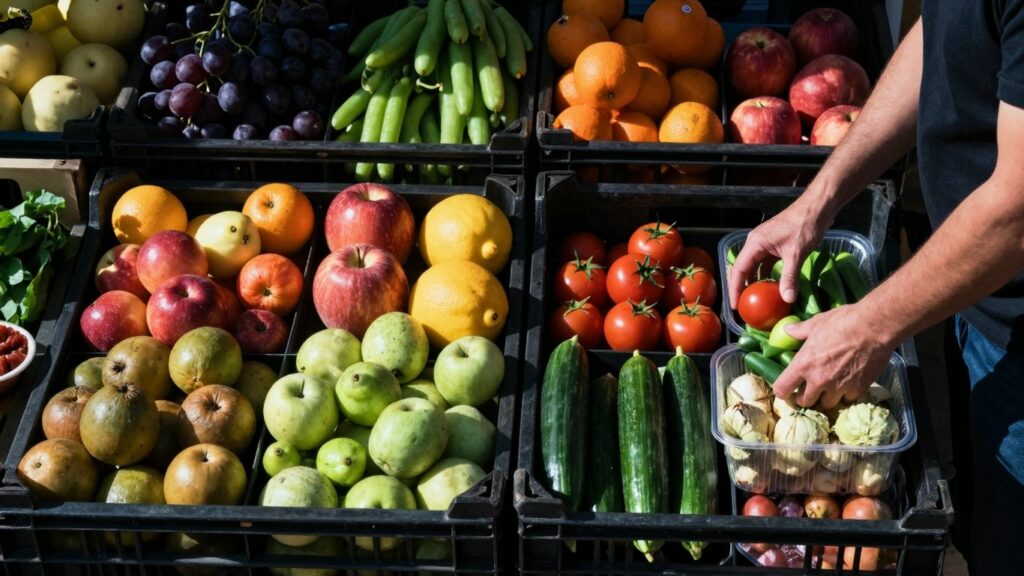
You work hard growing your crops, but what happens after you bring them in from the field? A lot of food can get lost during this post-harvest handling stage, which is a real shame.
This means less food for people and less money for you. But don’t worry, there are practical steps you can take to cut down on this waste. Let’s look at how you can improve your post-harvest handling and keep more of your harvest.
Key Takeaways
- Handle crops with care right from the harvest. Picking at the right time and using gentle methods stops damage that leads to loss later.
- Good storage is a game-changer. Using methods like cold storage and pest control helps your produce last much longer.
- Think about how your food travels. Using better packaging and planning delivery routes can stop damage and spoilage on the way to market.
- Technology can be a big help. Systems that track temperature and humidity, and use data, let you make smarter decisions about your harvest.
- Look for more ways to sell your food. Trying different markets, like local or online, can help you reach more customers and sell more of what you grow.
Implementing Effective Post-Harvest Handling Practices
So, you’ve put in all that work growing your crops, and now it’s time for the next big step: getting them from the field to the table without losing them. This is where post-harvest handling really shines, and getting it right is key to reducing food waste. It’s not just about luck; it’s about smart practices.
Utilize Proper Harvesting Techniques
When you harvest your crops, it matters a lot. Picking them at the peak of ripeness means they’ll taste better and last longer. If you pick too early, they might not develop fully. Pick too late, and they could already be past their prime or damaged in the field. Think about the best time of day, too. Harvesting in the cooler parts of the day, like early morning, can help keep produce fresher longer before it even reaches storage.
Using the right tools and methods for each specific crop is also important. For example, you wouldn’t harvest delicate berries the same way you’d harvest potatoes. Gentle handling from the start prevents bruises and cuts that can lead to spoilage later on, which is a big part of reducing food waste.
Protect Crops Post-Harvest
Once your crops are out of the ground, they need protection. Exposure to direct sunlight can cause wilting and spoilage, especially for leafy greens and fruits. Moisture is another enemy; too much can encourage mould and rot, while too little can cause drying and shrivelling. For grains and some vegetables, proper drying techniques are vital to remove excess moisture before storage. This step is critical for preventing mould and extending shelf life. Think of it like this: you wouldn’t leave your laundry out in the rain after washing, right? Your produce needs similar care to prevent damage from the elements.
Optimize Harvest Timing
Harvest timing isn’t just about ripeness; it’s also about planning. Consider market demand and your storage capacity. Harvesting too much at once when you can’t store or sell it quickly results in a loss. Sometimes, staggering your harvest over a few days or weeks can be a smarter approach. This allows you to manage your workload more effectively and ensures you’re not overwhelmed.
It also means you can get your produce to market more consistently. If you have access to weather forecasts, use them! Harvesting before a big storm or heavy rain can prevent damage to both the crops and your harvesting equipment. Making informed decisions about when to harvest can significantly impact how much you have left to sell and, ultimately, how much food waste you reduce.
Investing in Quality Storage and Infrastructure
After you’ve put in the work to harvest your crops, the next big hurdle is keeping them in good shape until they reach the consumer. This is where investing in solid storage and the right infrastructure really pays off. Think of it as giving your produce a haven. Without it, all your efforts in the field can go to waste pretty quickly.
Implement Cold Storage Solutions
Keeping things cool is a game-changer for many types of produce. Fruits and vegetables, especially, can spoil quickly if they’re left at warm temperatures. Setting up or using cold storage facilities lets you slow down the ripening and keep your products fresh for much longer. This isn’t just about keeping things from going bad; it’s about maintaining the quality, taste, and nutritional value that customers expect. It gives you more flexibility in when you sell your goods, too, which can be a big help when market prices fluctuate.
Prevent Pest Infestations
Pests are a real headache. Rodents, insects, and birds can cause significant damage to stored crops, not to mention the contamination risk. Good storage facilities should have measures in place to keep these unwelcome visitors out. This might mean using sealed containers, keeping storage areas clean, and maybe even using natural deterrents. A clean, pest-free storage environment is key to protecting your harvest and making sure it’s safe to eat.
Ensure Proper Ventilation and Humidity Control
It’s not just about temperature; airflow and moisture levels matter a lot, too. Some crops need good ventilation to prevent mould and rot, while others need specific humidity levels to stop them from drying out or getting too damp. Getting this balance right can be tricky, and it often depends on the specific crop you’re storing.
For example, grains might need a drier environment, while some root vegetables do better with a bit more humidity. You might need different storage setups or even simple adjustments, such as fans and vents, to manage these conditions effectively. Getting this wrong can lead to spoilage just as easily as not having cold storage.
Enhancing Transportation and Distribution Efficiency
Once your crops are ready to leave the farm, getting them to market without damage is the next big hurdle. You’ve worked hard to grow them, so you don’t want to lose them on the way.
Employ Protective Packaging and Separators
Think about how your produce is packed. Just tossing it into a big box can lead to bruising and crushing, especially for delicate items like berries or tomatoes. Using dividers or separators within boxes can keep items from bumping into each other.
This is especially helpful for mixed loads. Some packaging is designed to be stronger, too, which helps protect the contents from the bumps and shakes of the road. It might seem like a small thing, but good packaging makes a real difference in how much arrives at its destination in good shape.
Optimize Routing and Scheduling
Getting food from point A to point B quickly and efficiently is key. This means carefully planning your delivery routes. Are you taking the shortest path? Are you avoiding rush hour traffic in busy cities? Sometimes, a slightly longer route that avoids traffic jams can get your product to the buyer faster and in better condition.
It’s also about scheduling deliveries at times when they’re most likely to be accepted and unloaded promptly. Unexpected delays at the receiving end can mean your product sits around longer than it should, increasing the risk of spoilage.
Maintain Temperature Control During Transit
This is a big one, especially for perishables like fruits, vegetables, and dairy. If your product needs to stay cool, it needs to stay cool the entire time it’s on the truck. This means using refrigerated trucks (reefers) and ensuring they are set to the correct temperature. You also need to consider how long the trip will take. A long journey requires more consistent temperature control than a short one. Sometimes, even a few hours outside the ideal temperature range can start to degrade quality, leading to loss.
Leveraging Technology for Post-Harvest Management
You know, after all the hard work you put into growing your crops, it’s a real bummer when they go to waste before they even reach the dinner table. But here’s the good news: technology can be a total game-changer for cutting down on that post-harvest loss. It’s not about fancy, complicated stuff either; it’s about using smart tools to keep a closer eye on things.
Utilize Monitoring Systems for Temperature and Humidity
Think of these systems as your crop’s personal health monitors. You can set them up in your storage areas, and they’ll continuously monitor temperature and humidity levels. If things start to go off track – maybe it gets too warm or too damp – these systems will send you an alert. This means you can jump in and fix the problem before it causes spoilage. It’s like having an early warning system for your produce. This is super important for various crop storage techniques, especially for items sensitive to environmental changes.
Implement Data-Driven Decision Making
This might sound a bit technical, but it’s really just about using the information you gather to make smarter choices. Those monitoring systems we just talked about? They collect data. By looking at this data over time, you can start to see patterns. Maybe you notice that a certain storage area consistently has higher humidity, or that a particular type of packaging keeps things fresher for longer.
This kind of information helps you figure out the best ways to store and handle your crops, not just guessing. It helps you fine-tune your methods for better results.
Employ Barcoding for Traceability
Barcoding might seem like something only big supermarkets use, but it can be really helpful for you, too. When you put a barcode on your produce, you can track exactly where it came from, when it was harvested, and where it’s been.
This is called traceability. If there’s ever a problem, like a recall, you know exactly which batch is affected. It also helps you better understand your own supply chain, identifying any weak spots where losses might be occurring. It’s a simple step that adds significant accountability and control.
Expanding Market Access and Sales Channels
So, you’ve done a great job with your harvest, and you’ve stored it well. Now what? Getting your produce to the people who want it is the next big step, and honestly, it’s where a lot of food can end up going to waste if you’re not careful. Think about it: if you only have one place to sell your stuff, and they suddenly don’t need as much, you’re in a bind. That’s why you’ve got to spread your wings a bit.
Diversify Your Sales Avenues
Don’t put all your eggs in one basket, right? Relying on just one buyer or one market type can be risky. If that one channel dries up, your hard work might spoil.
You need to look at all the different ways you can get your food to consumers. This means thinking beyond the usual.
Here are a few ideas to get you started:
- Direct to Consumer: Think farmers’ markets, roadside stands, or even a CSA (Community Supported Agriculture) program where people sign up to get a regular box of your produce.
- Wholesale: Selling in larger quantities to restaurants, grocery stores, or food distributors. This can move a lot of product quickly, but you need to be ready for their specific demands.
- Institutional Buyers: Schools, hospitals, or corporate cafeterias may be seeking local produce. These can be stable, long-term customers.
- Value-Added Products: Can you turn some of your produce into jams, sauces, or dried goods? This can extend shelf life and open up new markets.
Explore Local and Digital Markets
Getting local is a big deal these days. People really want to support farmers in their own communities. So, really lean into that. Connect with local chefs, see if your town has a food co-op, or even partner with other local producers.
And then there’s the online world. You might be surprised how many people are looking for fresh food online. Setting up a simple website or using social media to take orders can make a huge difference. You can even explore online farmers’ markets or platforms that connect farmers directly with consumers in different areas. Just make sure you have a solid plan to get the food to them quickly and keep it fresh during the journey. Temperature control during transit is super important here, no matter how you’re selling.
Strengthen Relationships with Buyers
This might sound simple, but it’s really important. Treat your buyers well. Be reliable, communicate clearly, and be honest about what you have. If you build good relationships, they’re more likely to stick with you, even when things get a little tough. They’ll also be more understanding if there’s a slight issue with a delivery.
Good communication means you can often sort things out before a small problem becomes a big waste issue. For example, if a buyer knows they’ll have a surplus of something, they can tell you in advance, and you might be able to find another buyer or adjust your harvest plans. It’s all about working together.
Addressing Systemic Challenges in Post-Harvest Handling
Sometimes, even with the best individual efforts, post-harvest losses keep occurring because of broader issues. These aren’t always about how you personally handle your crops; they’re about the systems around us. Let’s talk about how you can push for and benefit from changes that tackle these larger problems.
Improve Infrastructure and Equipment
Think about the roads you use to get your produce to market, or the storage facilities available in your area. If these aren’t up to par, it doesn’t matter how carefully you harvest. Poor roads can shake produce apart, and old, leaky storage can lead to spoilage. You might need to advocate for better local infrastructure, or perhaps pool resources with other farmers to invest in shared, modern equipment like better drying systems or improved cold storage units. It’s about making sure the basic tools and pathways for getting food from farm to table are solid.
Standardize Date Labeling Practices
Ever looked at a package and wondered if “best by” means it’s already bad? This confusion is a big reason why perfectly good food gets thrown out. Different labels mean different things, and it’s not always clear. Pushing for clearer, more consistent date labeling across the board helps consumers know what they’re buying and when it’s actually past its prime. This reduces waste at the retail and consumer level, which ultimately benefits you by creating a more stable market for your goods.
Promote Educational Programs and Financial Incentives
Knowledge is power, right? But sometimes, the latest techniques or the best ways to store certain crops aren’t widely known. Educational programs, workshops, and even simple guides can make a huge difference. On top of that, financial incentives from governments or organizations can help make adopting better practices more affordable.
Think about subsidies for buying better storage or grants for training your staff. These programs help everyone get on the same page and give you the support you need to reduce loss and improve your operations.