


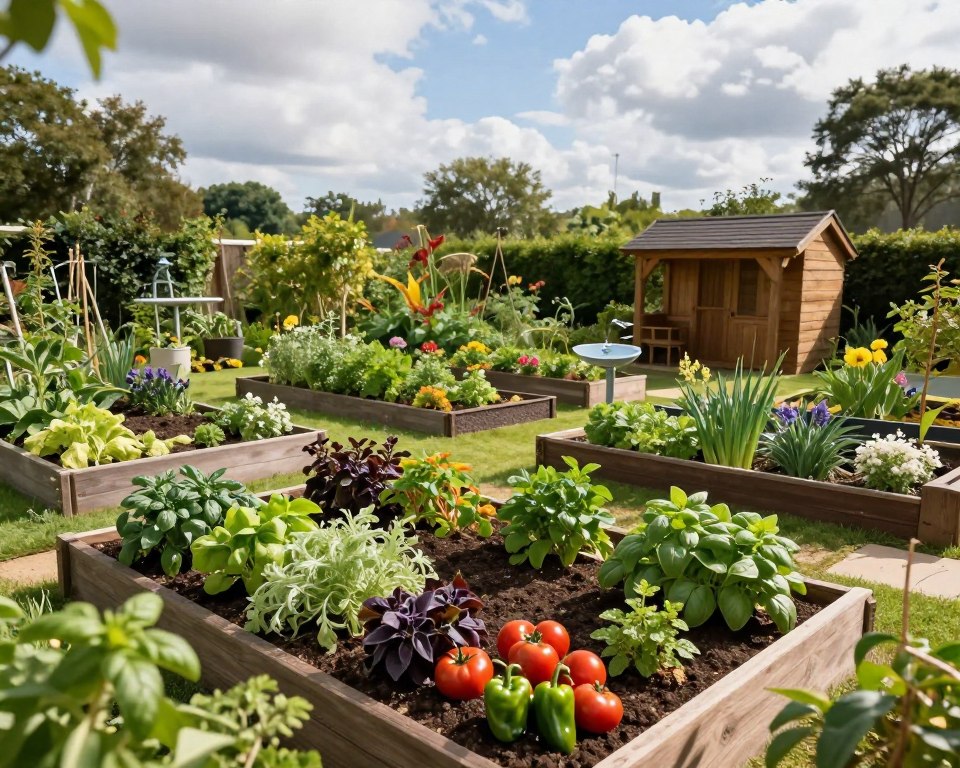
Many homeowners dream of a sustainable outdoor space. Permaculture gardening is a holistic way to manage your property. It helps with stormwater, drought, and ecological health.
Starting with permaculture can seem tough for beginners. But breaking it down into steps makes it easier. This guide will show you how to begin your permaculture journey.
Adopting permaculture principles makes your outdoor space beautiful and sustainable. Let’s dive into the seven essential steps for a thriving permaculture garden.
Permaculture Fundamentals
Permaculture is about designing gardens that work with nature. It’s a sustainable gardening approach that aims for balance. Every plant, animal, and element has a role in this ecosystem.
For beginners, permaculture might seem hard. But it’s based on simple ideas. It’s about observing and working with nature, not against it. This method boosts biodiversity, saves water, and reduces waste.
- Observing and interacting with the natural environment
- Catching and storing energy (like rainwater harvesting)
- Obtaining a yield (growing food and other useful products)
- Applying self-regulation and accepting feedback
- Using and valuing renewable resources and services
Permaculture gardens are self-sustaining ecosystems that need less care. They work well with nature, which is good for the environment. Gardening this way is also rewarding.
Permaculture is a complete design system. It aims to make gardens that are regenerative, productive, and strong. It’s good for both the gardener and the planet.
Permaculture Garden Design: Core Principles and Approaches
A successful permaculture garden starts with a good design. Beginners need to set goals, understand their land, and choose features wisely. This helps create a garden that works well and lasts long.
Zone planning is a key part of permaculture design. It divides the garden into areas based on how often they’re used. For example, the kitchen garden is usually in Zone 1.
Another important idea is to make the most of energy flows. This means placing plants, animals, and structures in the best spots. It helps reduce waste and boosts productivity.
| Design Principle | Description | Example |
|---|---|---|
| Zone Planning | Dividing the garden into zones based on use and needs | Zone 1 for kitchen garden |
| Energy Flows | Optimizing the placement of elements to minimize waste | Strategic placement of plants and animals |
| Water Management | Conserving and efficiently using water resources | Rainwater harvesting systems |
Good water management is also key. It includes using rainwater and smart irrigation. By following these principles, you can build a sustainable and regenerative permaculture garden that grows and improves over time.
Benefits of Creating a Permaculture Garden
Creating a permaculture garden is a rewarding way to improve your outdoor space. It promotes ecological health. By using permaculture principles, you can turn your backyard into a self-sustaining paradise.
This gardening method is good for the environment and for you. It focuses on sustainable gardening practices. It designs your garden to work with nature, not against it.
Starting with permaculture gardening might seem hard, but the benefits are great. As your garden grows, you’ll see more crops, better soil, and a diverse ecosystem. It’s not just a garden; it’s a way to help the environment.
In short, permaculture is a complete approach to gardening. It improves ecological health, supports biodiversity, and encourages sustainable living. It’s great for both beginners and experienced gardeners. It helps you create a thriving, eco-friendly garden.
Essential Tools and Materials for Your Permaculture Project
To make a permaculture garden thrive, you need the right tools and materials. Raised beds are key. They help control soil, water, and plant spacing.
Choosing the right materials is critical for green gardening. Use recycled or local materials for raised beds. Think about reclaimed wood or composite materials.
| Material | Benefits | Considerations |
|---|---|---|
| Reclaimed Wood | Eco-friendly, aesthetically pleasing | May require additional treatment |
| Composite Materials | Durable, low-maintenance | Higher upfront cost |
Compost and mulch are also vital. They keep the soil healthy and structured. With the right tools and materials, your permaculture garden will be sustainable and fruitful.
Step 1: Observe and Interact with Your Space
Starting a permaculture garden means first observing and interacting with your space. This step is key to understanding your land’s natural features. It guides your design choices and ensures your garden blends well with the ecosystem.
Tracking Sun Patterns
Start by watching how sunlight moves across your land. Tracking sun patterns shows you where the sun shines bright, where it’s partly shaded, or where it’s mostly shaded. Knowing this helps you place your garden’s parts, such as veggie beds, fruit trees, and water spots.
Also, look at what your land already offers. Note the soil types, plants, and wildlife. Working with these natural gifts makes your garden more sustainable and fruitful.
By observing and engaging with your space, you set the stage for a thriving permaculture garden. This is vital for beginners. It helps you make smart choices as you design and build your garden.
Step 2: Designing Your Permaculture Garden Layout
Creating a permaculture garden needs careful planning. A good layout helps grow more, saves time, and keeps your garden healthy for years. It’s all about making the most of your space.
Zone Planning Exercise
Zone planning is key in permaculture. It divides your garden into zones based on how often you visit and what each area needs. Zone 0 is your home, and Zone 1 is for things like herbs and veggies. The farther away, the less you visit.
- Zone 1: Intensive areas like vegetable gardens and herb gardens.
- Zone 2: Areas for plants that require less frequent maintenance, such as fruit trees.
- Zone 3: Larger areas for livestock or extensive orchards.
- Zone 4: Semi-wild areas that may be used for foraging.
- Zone 5: Wilderness areas that are left unmanaged.
Wind, Water, and Wildlife Considerations
When planning your garden, think about wind, water, and wildlife. Wind can affect your plants, so place windbreaks wisely. Water management is also vital.
Use swales, rainwater harvesting, and drip irrigation to save water. Also, make your garden more wildlife-friendly by using native plants and reducing pesticide use.
With a well-planned permaculture garden, you can enjoy a sustainable and productive space. It’s good for you and the planet.
Step 3: Building Healthy Soil Foundations
To start a sustainable permaculture garden, focus on enriching the soil with nutrients. Healthy soil is key to all permaculture practices.
Sheet mulching is a great way to achieve this. It involves layering organic materials to make new soil. This method improves soil structure, fertility, and biodiversity.
Sheet Mulching Technique
To start sheet mulching, clear the area of debris first. Then lay down cardboard or newspaper to prevent weeds and prepare for mulch.
- Add a layer of organic materials, such as leaves, grass clippings, or kitchen scraps.
- Next, add carbon-rich materials like straw or wood chips.
- Keep adding layers, ending with compost or well-rotted manure on top.
This method helps create a diverse soil ecosystem. It supports a wide range of microbes, which are vital for sustainable gardening.
Creating Your First Compost System
Composting is also key to healthy soil. It breaks down organic materials into a nutrient-rich humus that plants thrive on.
- Choose a shaded spot for your compost pile or bin.
- Mix “green” materials (such as food scraps and grass clippings) with “brown” materials (such as dried leaves and straw).
- Keep it moist and aerate it often to speed up decomposition.
By using these techniques, you’ll create a thriving, permaculture garden. It will be both productive and sustainable.
Step 4: Implementing Water Management Systems
A good water management system is key to saving water in permaculture gardens. It helps keep your garden healthy and productive. A system that captures, stores, and delivers water well is essential.
Drip irrigation is a top choice for managing water in permaculture. It sends water straight to the roots, reducing evaporation and runoff. Simple DIY drip irrigation systems can be made with common materials. This makes it a great option for gardeners.
Simple DIY Drip Irrigation
To make a basic DIY drip irrigation system, you need a few things. These include a water source, tubing, and emitters. Here’s how to do it:
- First, connect your water source to the main tubing. Make sure it’s big enough for your garden.
- Next, lay out the tubing along your plants’ rows. Use stakes to keep it in place.
- Put emitters at regular spots, close to your plants’ roots. This delivers water right where it’s needed.
Using drip irrigation saves water and reduces watering time. It’s a big plus for any permaculture garden. By using these strategies, gardeners can make their gardening more sustainable.
Adding water management systems, such as drip irrigation, makes permaculture gardens more efficient and sustainable. This step is vital to a thriving, productive permaculture garden.
Step 5: Selecting Plants for Your Permaculture Garden
Choosing the right plants is key in a permaculture garden. The right mix can boost biodiversity, soil health, and garden productivity. Make sure the plants you pick fit your local climate and soil.
For permaculture for beginners, start with plants that go well together. Mix nitrogen-fixing legumes with fruit trees. Pair herbs with vegetables to help them grow and deter pests.
Starter Plant Combinations
Plant marigolds with tomatoes to fight nematodes. Basil with peppers improves flavor and keeps pests off. These combos increase yields and reduce the need for harmful chemicals.
Top 5 Beginner-Friendly Perennials
- Comfrey: Acts as a fertilizer plant, adding nutrients to the soil.
- Rhubarb: Provides shade and can be used as a barrier to control weed growth.
- Artichoke: Offers edible flowers and can help in improving soil health.
- Lavender: Repels pests and attracts beneficial insects.
- Asparagus: A perennial vegetable that adds diversity to your garden.
By picking plants that support each other and fit your garden, you create a thriving ecosystem. This not only makes your garden beautiful but also makes it more sustainable and productive.
Step 6: Establishing Productive Growing Areas
To get the most from your garden, it’s key to design growing areas well. This step is vital for a permaculture garden design that follows sustainable gardening principles.
Using a seven-layer food forest is a smart way to create these areas. It’s like a mini-forest with different layers of plants. This design helps your garden grow a lot with little outside help.
Seven-Layer Food Forest Structure
The seven-layer food forest is great for sustainable gardening. It boosts biodiversity and uses space wisely. Each layer has its own role, making the garden healthy and productive.
Other good designs include keyhole and mandala gardens. Keyhole gardens have a composting center with beds around it. This makes composting easy and garden access simple. Mandala gardens are circular with paths leading to a center, making them both pretty and productive.
Adding these designs to your permaculture garden makes it more diverse and robust. It supports many plants and animals, following sustainable gardening principles.
Step 7: Integrating Animals into Your System
The seventh step in creating a permaculture garden involves integrating animals to maximize ecological benefits. Animals play a key role in a permaculture system. They help create a balanced and thriving garden environment.
Creating Insect Hotels
Insect hotels are a great way to attract beneficial insects to your garden. These insects help pollinate plants and naturally control pests. To create an insect hotel, gather materials like bamboo, straws, and wood. Then, construct a structure that provides a habitat for solitary bees and other beneficial insects.
Chickens in the Permaculture Garden
Chickens are a popular choice for permaculture gardens. They provide eggs, meat, and fertilizer. They also help with pest control by eating insects and weeds. When integrating chickens, ensure you have adequate fencing to protect both the chickens and your garden.
| Animal | Benefits | Considerations |
|---|---|---|
| Chickens | Eggs, meat, fertilizer, pest control | Adequate fencing, shelter |
| Beneficial Insects | Pollination, pest control | Insect hotels, diverse plants |
By integrating animals, such as chickens, and beneficial insects into your permaculture garden, you can enhance its biodiversity and productivity. This moves you towards a more sustainable gardening practice.
FAQ
Q: What is permaculture gardening?
A: Permaculture gardening is a way to grow plants that works with nature. It aims to create a self-sufficient, diverse garden. This approach helps create a balanced and thriving environment.
Q: What are the core principles of permaculture?
A: Permaculture’s core principles include working with nature and catching energy. It also involves getting a yield and using renewable resources. The goal is to produce no waste and to design sustainably.
Q: How do I design a permaculture garden?
A: Start by observing and interacting with your space. Then create a zone plan and consider energy flows and water management. Choose the right plants and materials to create a functional, sustainable ecosystem.
Q: What are the benefits of creating a permaculture garden?
A: A permaculture garden improves ecological health and biodiversity. It enhances sustainability and contributes to a healthier environment. It also provides a productive and diverse garden ecosystem.
Q: What tools and materials do I need for a permaculture project?
A: You’ll need raised beds, compost, and mulch for a permaculture project. These support healthy soil and efficient water management. Choose plants and animals that fit well with your garden ecosystem.
Q: How do I manage water in my permaculture garden?
A: Use DIY drip irrigation systems and harvest rainwater to manage water. Mulch and other techniques help minimize waste and optimize water use. This keeps your garden healthy and resilient.
Q: What plants are best for a permaculture garden?
A: Choose plants that match your local climate and soil. They should provide food, shelter, and habitat for beneficial insects and animals. Start with starter plant combinations and beginner-friendly perennials.
Q: How do I integrate animals into my permaculture garden?
A: Create insect hotels and consider chickens or other livestock. Use techniques to support a diverse ecosystem. Ensure the welfare and well-being of the animals in your garden.
Q: How can I continue to learn and evolve my permaculture garden?
A: Seek out workshops, online courses, and permaculture communities for learning. Be patient and persistent in your efforts to create a thriving garden ecosystem.