


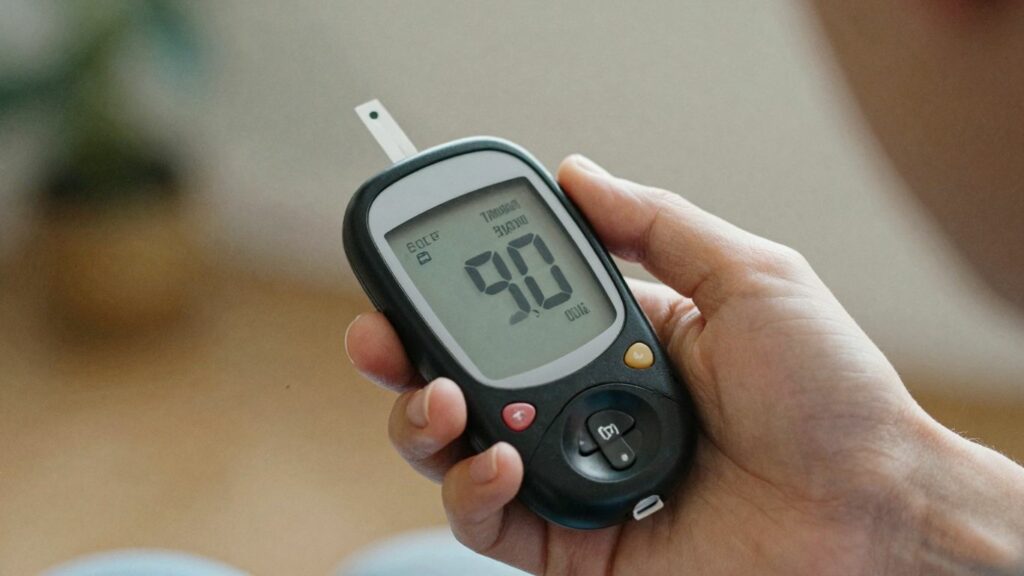
You know, sometimes our bodies try to tell us things, and we just don’t listen. It’s easy to brush off feeling a bit off, right? But when it comes to your health, ignoring certain signals could mean missing an early sign of diabetes. Type 2 diabetes can sneak up on you, and noticing these early signs is super important.
Let’s talk about what to look out for so you can get ahead of it.
Key Takeaways
- Pay attention to frequent urination and increased thirst; these are common early signs of diabetes.
- Persistent fatigue and dry, itchy skin can also signal that your blood sugar might be too high.
- Look out for slow-healing cuts or infections, and unexplained weight loss as potential signs.
- Darkened skin patches, especially in folds, and recurring yeast infections shouldn’t be ignored.
- If you notice these signs, especially if you have risk factors, talk to a doctor to get checked.
Subtle Changes Indicating Elevated Blood Sugar
Sometimes, your body tries to tell you something’s up, but it’s not always shouting. It might just be a quiet whisper, a subtle shift in how you feel day-to-day. These early indicators, often overlooked, can be some of the most common symptoms of high blood sugar. If you’ve been noticing a few things that feel a little off, it’s worth paying attention.
Frequent Urination: A Key Diabetes Symptom
Ever feel like you’re spending more time in the bathroom than usual? It’s not just about drinking more water, though that can play a part. When your blood sugar levels are high, your kidneys have to work overtime to filter out that extra sugar. Think of it like a sponge that’s already full – it can only hold so much. The excess sugar gets pushed into your urine, and here’s the kicker: that sugar pulls more water along with it. So, you end up producing more urine, which means more trips to the restroom.
This can happen day and night, sometimes even waking you up from a sound sleep. It’s your body’s way of trying to get rid of what it can’t handle.
Unusual Thirst and Dry Mouth
Following right along with the frequent urination is the feeling of being constantly thirsty. It’s like your body is trying to make up for all the fluid it’s losing. You might drink glass after glass of water, but that parched feeling just doesn’t seem to go away. This isn’t just a normal thirst; it’s a persistent, almost unquenchable need for fluids. Sometimes, this can also manifest as a dry, sticky feeling in your mouth.
It’s a sign that your body is dehydrated because of the high sugar levels pulling water out of your cells.
Persistent Fatigue and Low Energy
Feeling tired all the time, even when you’ve had enough sleep? That’s another big one. When your blood sugar is out of whack, your body struggles to get the energy it needs from the food you eat. Insulin is supposed to help your cells take in glucose for fuel, but if it’s not working right, that glucose just hangs out in your bloodstream. Your cells are essentially starving for energy, even though there’s plenty of sugar around.
This can leave you feeling drained, sluggish, and just generally low on energy, making even simple tasks feel like a huge effort.
Visible Signs of Potential Diabetes
Sometimes, your body gives you visual cues that something’s up with your blood sugar. These aren’t always the first things people notice, but they’re definitely worth paying attention to. If you’re seeing these changes, it might be time to think about what are the first signs of diabetes for you.
Dry and Itchy Skin
Ever feel like your skin is just perpetually dry, no matter how much lotion you use? This can be a sign that your blood sugar levels are running high. When there’s too much sugar in your blood, it can affect circulation and the moisture balance in your skin, leading to that uncomfortable dry, itchy feeling. It’s especially noticeable on your feet, but can happen anywhere. It’s one of those subtle warning signs for diabetes that’s easy to brush off, but shouldn’t be ignored.
Darkened Skin Patches
This one can be a bit more striking. You might notice darker, velvety patches of skin, often in areas like your neck, armpits, or groin. This condition is called acanthosis nigricans, and it’s often linked to insulin resistance, a common precursor to type 2 diabetes. It’s a pretty clear indicator that your body might be struggling to manage insulin, and it’s a definite signal to look into recognizing diabetes indicators.
Slow-Healing Wounds and Infections
Got a cut or scrape that just seems to take forever to heal? High blood sugar can really mess with your body’s ability to repair itself. It impairs your immune system and slows down blood flow, making it harder for wounds to heal. This also makes you more prone to infections, and when you do get them, they can be tougher to shake. For women, recurrent yeast infections can also be a sign.
These aren’t just minor annoyances; they can be significant early signs of type 2 diabetes, especially if they keep coming back or wounds aren’t healing like they used to.
Sensory and Neurological Diabetes Symptoms
Sometimes, diabetes doesn’t announce itself with big, obvious changes. Instead, it can start with subtle shifts in how you feel, affecting your senses and nerves. It’s easy to brush these off, but they could be your body’s way of sending up a flare.
Blurred Vision Changes
Ever notice your vision getting a bit fuzzy, like you’re looking through a smudged window? High blood sugar levels can actually cause the lens inside your eye to swell up. This change in shape makes it harder for your eyes to focus properly, leading to that blurry feeling. It might come and go, and you might think you just need new glasses, but if it’s happening more often, it’s worth getting checked out.
This isn’t just about needing a stronger prescription; it’s a sign that something more significant might be going on with your blood sugar.
Numbness and Tingling Sensations
Do your hands or feet ever feel like they’ve fallen asleep, even when you haven’t been sitting on them? That pins-and-needles feeling, or a general numbness and tingling, can be a sign of nerve damage. When blood sugar stays high for too long, it can start to harm the tiny nerves throughout your body, especially in your extremities.
This condition is called diabetic neuropathy. It might start as a mild annoyance, like a slight burning or a feeling of wearing invisible socks, but it’s a clear signal that your nerves aren’t happy. Ignoring this can lead to more serious problems down the road.
Increased Hunger Pangs
Are you finding yourself constantly hungry, even shortly after eating? This isn’t just about having a big appetite. When your body isn’t using glucose effectively for energy because of insulin issues, your cells aren’t getting the fuel they need. This can send signals to your brain that you’re starving, even if you’ve just had a meal. It’s your body’s way of desperately trying to get the energy it’s missing.
So, if you’re suddenly feeling ravenous all the time, it’s another clue that your blood sugar might be out of whack.
Unexpected Physical Manifestations
Sometimes, our bodies throw us curveballs that don’t immediately scream “diabetes.” You might not think much of them at first, but these changes can be your body’s way of sending up a flare.
Unexplained Weight Loss
This one can be really confusing. You might be eating normally, or even more than usual, but the number on the scale keeps dropping. It sounds like a good thing, right? But when it happens without you trying, it’s a sign something’s up. When your body can’t use glucose properly for energy because of insulin issues, it starts breaking down muscle and fat instead. This is how you can lose weight even if you’re eating plenty.
Recurrent Yeast Infections
For women, frequent yeast infections can be a real nuisance. If you’re getting them more often than you used to, and they just don’t seem to clear up completely, it’s worth mentioning to your doctor. High blood sugar levels can create an environment where yeast thrives, leading to these persistent infections. It’s not just uncomfortable; it can be a signal that your body’s sugar balance is off.
Understanding Your Risk and Next Steps
So, you’ve been reading about the signs of type 2 diabetes, and maybe some of them sound a little too familiar. It’s easy to get worried, but the good news is that knowing your risk is the first step toward taking control. Let’s break down what that means and what you can do.
Recognizing Prediabetes Signs
Think of prediabetes as a heads-up. It means your blood sugar levels are higher than normal, but not quite high enough to be called type 2 diabetes. The tricky part? Most people with prediabetes don’t even know they have it because there aren’t always obvious symptoms. It’s like a quiet warning before a bigger storm. That’s why paying attention to those subtle changes we talked about earlier is so important. If you’re noticing things like increased thirst or feeling more tired than usual, it’s worth looking into.
The Importance of Early Diabetes Symptom Detection
Catching diabetes early, or even its precursor, prediabetes, makes a huge difference. Seriously, it’s a game-changer. When you detect it early, you have a much better chance of managing it, and in some cases, even reversing it. It’s way easier to make lifestyle changes and get things back on track before the condition becomes more established. Think of it like fixing a small leak in your roof before it causes major water damage. Early detection means more options and a better outlook.
When to Consult a Healthcare Professional
If you’re concerned about your risk or have noticed any of the symptoms we’ve discussed, the best thing to do is talk to your doctor. They can perform simple blood tests to check your glucose levels. Don’t wait until you’re feeling really sick. Regular check-ups are a good idea for everyone, but especially if you have risk factors like a family history of diabetes, are overweight, or are not very active. Your doctor can help you understand your personal risk and guide you on the best path forward. It’s not about being scared; it’s about being proactive with your health. Here are some general guidelines:
- Family History: If diabetes runs in your family, get checked more regularly.
- Weight Concerns: If you’re carrying extra weight, especially around your middle, it’s a good idea to discuss it.
- Age: Risk increases as we get older, so don’t dismiss symptoms just because you’re not “young anymore.”
- Lifestyle: If you’re mostly sedentary, talk to your doctor about starting an exercise plan and getting screened.
Taking these steps can help you stay ahead of the curve and live a healthier life. Remember, your health is worth the effort.
Frequently Asked Questions
What exactly is diabetes?
Diabetes is a health condition in which your body has trouble using the food you eat for energy. Normally, your body breaks down food into sugar, which is then absorbed into your blood. Your pancreas then secretes insulin, a hormone that helps sugar enter your body’s cells. With diabetes, this process doesn’t work right, causing too much sugar to stay in your blood.
Are the early signs of diabetes easy to miss?
Yes, they often are. Many people don’t realize they have diabetes because the early signs can be mild or seem like everyday issues. It’s estimated that a large number of people with diabetes don’t even know they have it, which is why it’s important to pay attention to your body.
Why do I need to pee so much if I have diabetes?
When you have too much sugar in your blood, your kidneys have to work overtime to try and get rid of it. To do this, they make more urine, which means you’ll need to go to the bathroom much more often. This can also make you feel really thirsty.
Can diabetes cause skin problems?
It sure can. High blood sugar can mess with how your skin stays moisturized, leading to dryness and itchiness, especially on your feet. Sometimes it can also cause darker patches of skin, particularly on your neck or armpits.
What is prediabetes?
Prediabetes is a stage before type 2 diabetes. Your blood sugar levels are higher than normal, but not quite high enough to be called diabetes. It’s like a warning sign that your body is starting to have trouble managing sugar. The good news is that you can often prevent it from progressing to full-blown diabetes with lifestyle changes.
If I think I have diabetes, what should I do?
The most important step is to see a doctor or healthcare provider right away. They can do simple tests to check your blood sugar levels. Catching diabetes early is key to managing it effectively and preventing more serious health issues down the road.