


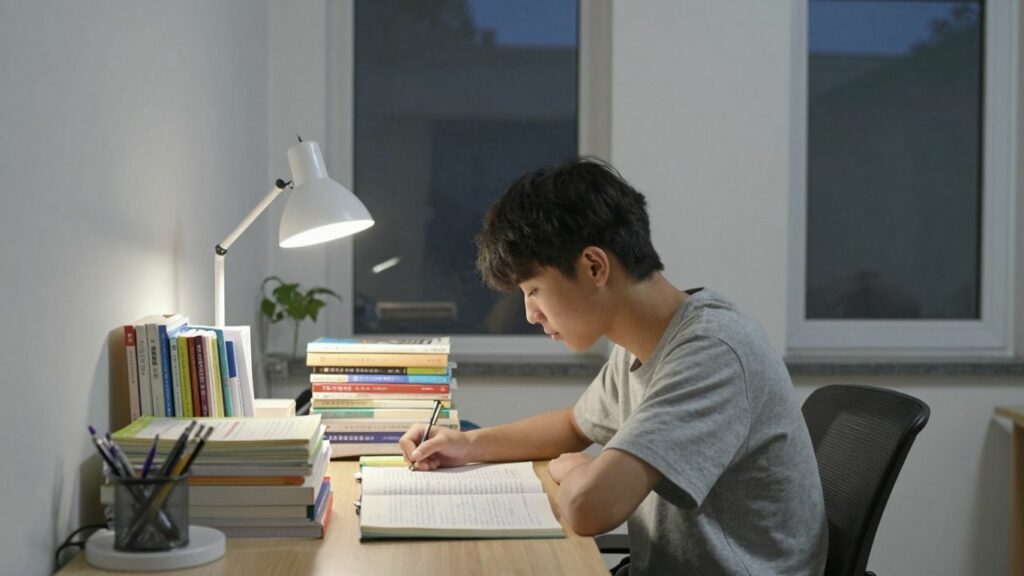
The night before a big exam can feel pretty intense. You’ve probably been studying hard, and now it’s time to wind down. But what exactly should you be doing? It’s not about cramming more information in; it’s about setting yourself up for success. This guide will walk you through the best ways to spend your evening, focusing on relaxation, good habits, and preparing your mind and body.
Let’s figure out What to Do the Night Before an Important Exam.
Key Takeaways
- Put away the books and stop trying to learn new things. Your brain needs a break, not more stress from last-minute cramming.
- Do something fun or relaxing. Watch a movie, listen to music, or chat with friends to take your mind off the exam.
- Eat a good, balanced meal, but try not to eat too close to bedtime. Think fruits, veggies, and protein for steady energy.
- Get a solid night’s sleep. Aim for 7-8 hours; it’s when your brain really sorts and stores what you’ve learned.
- Get your stuff ready for tomorrow. Pack your bag, pick out your clothes, and set your alarm to avoid morning chaos.
What to Do the Night Before an Important Exam
The night before a big exam can feel pretty intense. You’ve probably been putting in a lot of work, and now it’s time to shift gears. Instead of trying to cram in every last detail, focus on setting yourself up for success. This means winding down, taking care of yourself, and getting organized. Think of it as a strategic pause before the main event.
Stop All Last-Minute Revision
Seriously, put the books away. Trying to absorb new information or cram complex topics the night before an exam is usually counterproductive. You’re more likely to feel overwhelmed and anxious than to actually retain anything new.
Your brain needs time to process what you’ve already learned. Instead of focusing on what you don’t know, trust the study routine before exam you’ve already established. Let your mind rest; it’s done the heavy lifting.
Engage in Relaxing Activities
Now is the time to do things that help you unwind. Watch a favorite movie, listen to some music, chat with family, or read a light book. The goal is to distract your brain from exam worries and get it into a calmer state. Avoid anything too stimulating or stressful. Think of it as giving your brain a gentle break before it needs to perform.
Practice Positive Affirmations
It sounds simple, but repeating positive phrases can really help manage anxiety. Tell yourself things like, “I’ve prepared well for this,” or “I can handle this exam.” These affirmations can help push out negative thoughts and build confidence. You might even write them down or say them out loud. It’s a small step that can make a noticeable difference in your mindset.
What you eat and drink the night before can impact your focus and energy levels. It’s not about a special diet, but about making sensible choices.
Eat a Balanced and Nutritious Meal
Opt for a meal that includes a good mix of protein, complex carbohydrates, and vegetables. This kind of meal provides sustained energy. Avoid heavy, greasy foods or anything that might upset your stomach. Eating a few hours before bed is also a good idea so you don’t go to sleep feeling too full.
Stay Hydrated Throughout the Evening
Keep a water bottle handy and sip on it regularly. Proper hydration is linked to better brain function and can help you feel more alert. Steer clear of sugary drinks or excessive caffeine, as these can interfere with how to sleep well before exams and might make you feel jittery.
Consider Memory-Enhancing Foods
While no single food is a magic bullet, some foods are thought to support brain health. Think about including things like fatty fish (rich in omega-3s), berries, nuts, or seeds in your meals or as snacks. These are generally good for you anyway and can contribute to overall cognitive function.
Sleep is your best friend the night before an exam. It’s when your brain consolidates information and prepares for the next day.
Aim for a Full Night’s Sleep
Try to get at least 7-8 hours of sleep. Establishing a consistent bedtime, even if it’s a bit earlier than usual, can help. If you find yourself tossing and turning, try some deep breathing exercises or listen to a calming podcast.
Incorporate a Short Power Nap
If you feel tired during the day, a short power nap of 20-30 minutes can be refreshing without making it harder to sleep later. Just be careful not to nap too late in the afternoon.
Establish a Relaxing Bedtime Routine
Wind down for an hour or so before you plan to sleep. This could involve reading, taking a warm bath, or listening to quiet music. Avoid screens, as the blue light can disrupt your sleep cycle. The goal is to signal to your body that it’s time to rest.
Taking care of practical matters the night before can significantly reduce morning stress.
Gather All Necessary Exam Materials
Check what you need: pens, pencils, erasers, calculator, student ID, etc. Pack them all in your bag so you know exactly where they are. This avoids that frantic search for a pen when you’re already running late.
Lay Out Your Outfit for the Morning
Choose your clothes the night before. Pick something comfortable that you feel good in. This is one less decision to make when you’re trying to get out the door.
Set Your Alarm Clock
Set your alarm, and maybe even a backup alarm on your phone. Make sure you give yourself enough time in the morning to eat a good breakfast and get to the exam location without rushing. Over-sleeping is not an option!
It’s normal to feel some nerves, but you can manage them effectively.
Engage in Gentle Physical Activity
A light walk, some stretching, or gentle yoga can help release tension and clear your head. Physical activity boosts blood flow to the brain and can improve your mood. Just avoid anything too strenuous that might leave you feeling exhausted.
Avoid Stimulants Like Caffeine
While tempting, caffeine late in the day can disrupt sleep and increase anxiety. Stick to water or herbal teas. This is especially important if you’re trying to implement last minute revision strategies that require a clear head, not a jittery one.
Review Notes Without Overdoing It
If you feel you absolutely must look at your notes, do it briefly and focus on key concepts or summaries. Don’t try to learn anything new or get bogged down in details. A glance to reinforce what you already know is fine, but then put them away and relax.
Fuel Your Body and Mind
Okay, so you’ve put in the work, and now it’s time to make sure your body and brain are ready to perform. Think of it like fueling up a race car before a big competition. You wouldn’t put cheap gas in. Same idea here. What you eat and drink the night before can really make a difference.
Eat a Balanced and Nutritious Meal
This is not the time to experiment with new, fancy recipes or load up on junk food. Stick to meals that you know sit well with you and provide good energy.
A good rule of thumb is to include a mix of lean protein, complex carbohydrates, and plenty of vegetables. Think grilled chicken or fish with some brown rice and steamed broccoli, or maybe a hearty lentil soup with whole-wheat bread. These kinds of foods give your brain the steady fuel it needs without causing a sugar crash later.
Avoid eating a really heavy meal too close to bedtime. Give your body a couple of hours to digest so you don’t feel uncomfortable when you’re trying to sleep.
Stay Hydrated Throughout the Evening
Water is seriously important for brain function. When you’re dehydrated, even a little bit, you can feel sluggish and have trouble concentrating. So, keep a water bottle handy and sip on it throughout the evening.
Herbal teas are also a great option, especially if you want something warm and soothing. Just steer clear of sugary drinks or anything high in caffeine, as those can mess with your sleep and make you feel jittery.
Here’s a quick guide to staying hydrated:
- Water: Your best friend. Aim for consistent sips.
- Herbal Teas: Chamomile, peppermint, or ginger can be calming.
- Diluted Juice: If you need a bit of flavor, mix 100% fruit juice with water.
- Avoid: Soda, energy drinks, and excessive coffee.
Consider Memory-Enhancing Foods
While no single food is a magic bullet, some nutrients are known to support brain health and memory. Fatty fish like salmon are packed with omega-3 fatty acids, which are great for your brain. Berries, especially blueberries, have also been linked to improved memory. Eggs are a good source of choline, a nutrient that helps with memory function.
You don’t need to go overboard, but incorporating some of these into your dinner or as a snack can be a smart move. Think a salmon fillet for dinner, or a small bowl of berries with yoghurt for dessert.
Prioritize Rest and Recovery
Okay, so you’ve done the studying, you’ve prepped your materials, and now it’s time actually to let your brain chill out. Seriously, this part is just as important as hitting the books. Your brain needs to process all that info, and you can’t do that if you’re running on fumes.
Aim for a Full Night’s Sleep
This is non-negotiable. Forget trying to pull an all-nighter or cramming more facts in. Your brain consolidates memories when you sleep, so getting a solid 7-8 hours is like giving your studying superpowers. Think of it as letting all those facts settle into place. Trying to force more information in now is like pouring more water into an already full glass – it just spills over.
Incorporate a Short Power Nap
If you’re feeling a bit sluggish during the day or early evening, a short nap can be a game-changer. We’re talking 20-30 minutes, max. Anything longer and you risk feeling groggy. A quick power nap can refresh you without messing up your nighttime sleep schedule. It’s like a quick system reboot for your brain.
Establish a Relaxing Bedtime Routine
This is where you signal to your body and mind that it’s time to wind down. Avoid screens for at least an hour before bed – that blue light is a sleep killer. Instead, try reading a physical book (not for studying!), listening to some calm music, or taking a warm bath. Maybe even do some light stretching. The goal is to create a buffer zone between your busy day and sleep. It helps quiet the mental chatter so you can actually drift off.
Don’t underestimate the power of just doing nothing for a bit before bed. Your brain has been working hard, and it deserves a break. Let it relax, and it’ll thank you in the morning.
Prepare for Exam Day Logistics
Okay, so you’ve studied, relaxed a bit, and you’re feeling as ready as you can be. Now, let’s talk about making the actual morning of your exam as smooth as possible. This is where those little exam preparation tips really pay off, preventing last-minute panic.
Gather All Necessary Exam Materials
Think of this as your pre-flight checklist for academic success. You don’t want to be that person frantically searching for a working pen or their student ID when the clock is ticking. So, tonight, take a few minutes to round up everything you’ll need. This usually includes:
- Pens and Pencils: Make sure they’re working, and you have a couple of spares. Nothing is worse than a pen dying mid-sentence.
- Eraser: For those inevitable little mistakes.
- Calculator: If your exam requires one, double-check that the batteries are good or that it’s fully charged.
- Ruler or Protractor: Again, only if specified for your exam.
- Student ID or Acceptable Photo ID: Don’t forget this; it’s your ticket in.
- Water Bottle: Check if your exam center allows them, and if so, make sure it’s clear and empty if required.
Put all of these items together in a designated spot, maybe a specific folder or bag, so you can grab them and go.
Lay Out Your Outfit for the Morning
This might sound super simple, but choosing your outfit the night before can save you a surprising amount of mental energy and time on exam morning. Pick something comfortable that makes you feel good.
Avoid anything too distracting, or that might make you too hot or too cold in the exam room. Think layers if the temperature can vary. Make sure it’s clean and ready to wear. This small step helps you wake up and get moving without having to make any decisions.
Set Your Alarm Clock
This is a big one. You’ve probably heard it before, but seriously, set your alarm. And maybe set a backup alarm, just in case. Figure out what time you need to wake up to get ready, eat something, and travel to your exam location without feeling rushed. Then, set your alarm for that time. If you’re really worried about oversleeping, ask a roommate or family member to give you a quick call as a double-check. Getting enough sleep is important, but so is actually waking up on time!
Manage Pre-Exam Anxiety
Engage in Gentle Physical Activity
It might seem counterintuitive when you feel like you should be glued to your books, but moving your body can actually help calm your nerves. Think of it as a way to shake off some of that nervous energy. A brisk walk around the block, some light stretching, or even a short yoga session can make a surprising difference. It gets your blood flowing and can help clear your head, making it easier to focus later on. Don’t go for anything too strenuous, though; you don’t want to be sore the next day!
Avoid Stimulants Like Caffeine
While that extra cup of coffee might feel like it’s helping you power through, it can actually make your anxiety worse. Caffeine can increase jitters and make it harder to relax, which is the opposite of what you need right now. The same goes for sugary drinks. Stick to water or herbal tea to keep your system calm and steady.
Review Notes Without Overdoing It
This isn’t the time for cramming new information. Instead, please take a look at your notes, but keep it light. Maybe read through summaries or flashcards you’ve already made. The goal here is to reinforce what you already know, not to try to learn anything new. If you find yourself getting stressed, it’s a sign to put the notes away and do something else. Remember, managing stress before a test is just as important as the studying itself.
The night before an exam is about consolidating, not cramming. Trust the work you’ve already done. Your brain needs a chance to rest and process everything it’s learned. Trying to force more information in now can actually be counterproductive, leading to confusion and increased worry.
Frequently Asked Questions
Should I cram all night before the exam?
Definitely not! Trying to learn new things right before an exam can actually make you more stressed and confused. It’s way better to relax and let your brain rest. You’ve already done the hard work, so trust that!
What kind of food should I eat the night before?
Think of your meal as fuel for your brain. A balanced dinner with fruits, veggies, and some protein is perfect. Avoid eating too late, though, as a full stomach can mess with your sleep. Aim to eat a few hours before bedtime.
How much sleep do I really need?
Getting a good night’s sleep is super important for remembering what you studied and staying focused. Try to get at least 7 to 8 hours of sleep. If you have trouble falling asleep, try some calming music or a guided meditation.
What if I’m feeling really nervous?
It’s totally normal to feel a bit anxious! Try doing some light exercise, like a walk, to help calm your nerves. Also, practicing positive thoughts, like telling yourself, ‘I’ve got this!’, can really make a difference.
Should I review my notes at all?
Yes, but don’t overdo it! The night before is for a quick look over what you already know, not for learning anything completely new. Just a gentle review can help boost your confidence.
What should I do to get ready for the morning?
Make your morning easier by getting organized the night before. Pack your bag with everything you need for the exam, like pens and pencils, and lay out your clothes. This way, you won’t have to rush or panic when you wake up.