


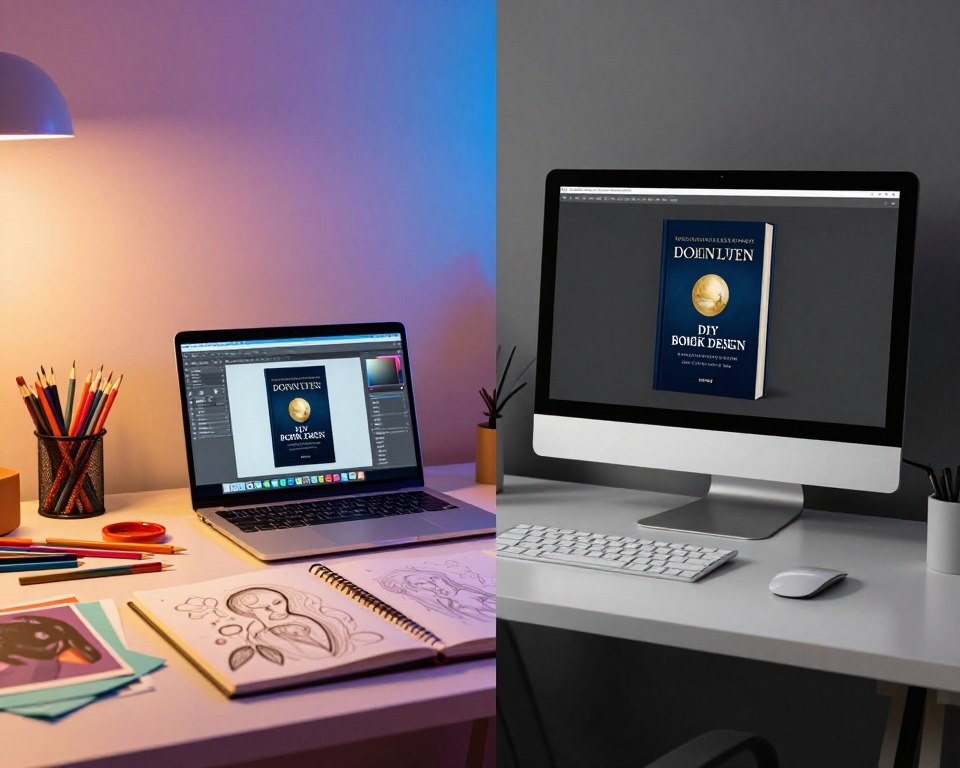
The cover of a book is very important. It’s often the first thing people see. It helps grab their attention and shows what kind of book it is.
Authors have to decide whether to create their own cover or hire a professional. With DIY tools, making your own book cover is easier than ever.
But, is it better to spend money on a professional design or try to do it yourself? We’ll look at the good and bad of each choice. This will help authors decide what’s best for them.
The Impact of Book Cover Design on Sales and Success
The impact of book cover design on a book’s success is huge. It’s the first thing readers see. A great book cover design should catch the eye, show the book’s genre, and speak to the audience it’s for.
A well-made cover can make a big difference. It can decide if someone picks up the book or clicks on it online. Custom book cover design lets authors create a cover that really speaks to their audience. Studies show that a professional cover can help sell more books by making them stand out.
The role of expert book cover design is key. It helps show what the book is about and its genre. This makes it easier for readers to find books they’ll like. Covers that fit the genre’s style are more likely to connect with the right people.
| Design Element | Impact on Sales | Target Audience Appeal |
|---|---|---|
| Color Scheme | Influences mood and genre perception | Attracts specific demographics |
| Typography | Affects readability and aesthetic appeal | Conveys genre and tone |
| Imagery | Captures attention and conveys themes | Resonates with audience interests |
In short, a well-designed book cover design is vital for a book’s success. It affects sales and readers’ engagement with the book. By knowing what makes a good cover for their genre and audience, authors can make their book more visible and appealing.
DIY Book Cover Design Approaches
Many authors find making their own book covers appealing. It’s affordable and lets them be creative. With DIY book cover tools online, authors can design without needing design skills.
Cost-Effective and Creative Control
DIY book cover design is cost-effective. Authors can use free or low-cost software to save money. They also have full creative control over their book’s look, making it their own.
| DIY Design Tools | Features | Cost |
|---|---|---|
| Canva | User-friendly interface, wide range of templates | Free, with premium options |
| Adobe Spark | Professional templates, easy to use | Free, with premium options |
| GIMP | Advanced editing features, customizable | Free |
For creative book cover design, authors can try out different styles. This is great because it’s affordable. But it’s important to keep the design professional to attract readers.
Using DIY tools and design principles, authors can create covers that showcase their book’s spirit. Whether you’re new or experienced, DIY book cover design is a fulfilling journey.
Professional Book Cover Design Services Explained
Creating a captivating book cover is a big deal. A professional designer’s expertise is key. They can make a huge difference in how people see your book.
Professional book cover design services offer many benefits. They include:
- Expertise in current design trends and reader preferences
- Access to high-quality graphics, fonts, and other visual assets
- The ability to create a unique and market-ready design that stands out
A professional designer will become familiar with your book. They’ll understand your book’s genre, target audience, and your preferences. This way, they can create a cover that appeals to readers and aligns with your goals.
Investing in a professional book cover design is a smart move. Top designers bring creativity and technical skill. They can make your book more visible and attractive.
If you’re thinking about hiring a book cover designer, look for someone with a portfolio that fits your book’s style. This ensures your cover is not just beautiful but also relevant and effective.
Cost Comparison: DIY vs Professional Book Covers
Authors and publishers need to know the costs of book cover design. This helps them choose between DIY and professional designs.
Hiring a book cover design service can be expensive. It depends on the designer’s skills and the complexity of the cover. DIY designs are often free or cheap, but pros can cost $300 to $2,000 or more.
DIY designs are cheap because many tools offer free or low-cost templates. But, they might not look as good as a pro’s work.
Professional designers offer top-notch quality and expertise. This can really boost your book’s sales. Your choice depends on your budget and what you want to achieve.
Authors should consider the costs and benefits of each option. A good cover can make your book more visible and appealing. This could lead to more sales.
So, even though a professional book cover design service costs more upfront, it might pay off in the long run.
Quality Assessment: Amateur vs Expert Book Cover Design
The difference between amateur and professional book cover design is clear. A pro-designed cover can greatly improve a book’s look and feel. Expert book cover design requires knowing the audience, genre, and marketing well.
Here are the main differences between amateur and expert book cover design:
- Understanding of design principles: Experts balance typography, color, and images for a great look.
- Customization: Custom book cover design means making the cover fit the book and its audience.
- Attention to detail: Pros make sure the cover looks good and is error-free.
Amateur designs often lack the quality expected from published books. DIY tools help authors create covers, but they rarely match a professional book cover design.
Investing in expert design boosts a book’s appeal and marketability. A good cover, whether custom or pre-made, is key to a strong first impression.
Time Investment: Self-Design vs Hiring a Book Cover Designer
Authors often don’t realize how much time designing a book cover takes. It’s not just a simple task. It needs time, effort, and lots of tries to get it right.
When you’re busy with writing, editing, and other publishing tasks, designing a cover can take away from other important work. This is why hiring a book cover designer is a big time-saver.
Choosing a book cover design service lets authors save time for writing or other key publishing tasks. Professional designers make the design process faster and more efficient.
While some authors might prefer DIY design, it can take a lot of time. It’s important to consider the time and effort required for self-design versus hiring a professional. This helps make a choice that fits your publishing goals.
Creative Control: Balancing Vision and Expertise
Authors must find a balance when working with a professional designer. They need to keep creative control while also listening to the designer’s advice. This balance is key to creating a custom book cover design that aligns with the author’s dream and what readers want.
To make sure the design is a hit, authors should:
- Share their ideas and hopes with the designer.
- Be open to the designer’s ideas and feedback.
- Provide quick feedback and help shape the design.
This collaborative design approach lets authors leverage the designer’s skills while maintaining their creative vision. This teamwork helps create a cover that shows off the author’s vision and speaks to their audience.
The outcome is a creative book cover design that grabs attention. It captures the book’s spirit and draws in readers. By mixing vision and expertise, authors can make a cover that boosts their book’s success.
Hybrid Approaches to Book Cover Design
Authors who want to save money while staying creative can try a hybrid book cover design. This method blends DIY book-cover tools with a professional designer’s skills. It helps create a cover that stands out and is effective.
First, authors can use DIY tools like Canva or Adobe Spark to sketch out a basic design. They can play with different layouts, colors, and fonts. This step lets them explore their ideas without spending much money.
Once they have a basic design, authors can hire a professional book cover designer to refine it. This step adds a pro’s touch, making sure the cover looks great and is competitive.
The hybrid approach has many advantages:
- It saves money on the initial design.
- It ensures the final cover looks professional.
- Authors get to keep creative control.
- It’s flexible, allowing for changes during the design process.
Choosing a hybrid approach means authors can get a top-notch cover that fits their budget. It’s a great option for those who want a mix of DIY and professional help.
Finding and Vetting Top Book Cover Designers
Finding the right book cover designer is key to bringing your book to life. With so many designers out there, it can feel overwhelming. But, it’s vital for your book’s success.
Start by looking at designers’ portfolios. A good portfolio shows a designer’s style, range, and experience. Choose designers familiar with your genre to better understand your audience.
Then, read client reviews and testimonials. They help you see if a designer is professional and meets expectations. Websites like Behance, Upwork, and book cover design platforms offer insights into a designer’s reputation.
Requesting initial design concepts from a few designers is also smart. This lets you see if they get your vision and can make a compelling cover.
When choosing a designer, look at their communication, willingness to make changes, and ability to meet deadlines. A good designer works with you to create a cover that fits your book perfectly.
By doing your research and carefully vetting designers, you can find the perfect designer. They will make a cover that captures your book’s essence and appeals to your audience.