


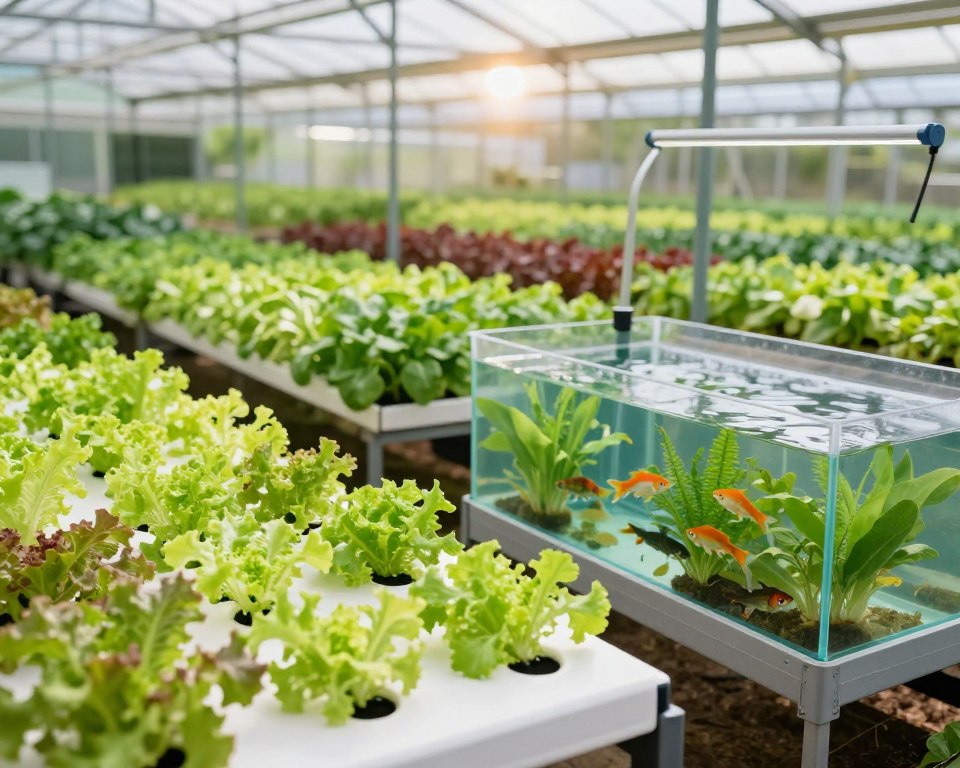
Soilless farming has changed how we grow food. Two big methods are being compared: hydroponics and aquaponics. Hydroponics uses nutrient-rich solutions, while aquaponics combines plants and fish.
The indoor farming world is growing fast. Both hydroponics and aquaponics have their own good points and challenges. This article will look into their differences and how they can help grow food in a green way.
The Evolution of Soilless Growing Systems
Hydroponic gardening has made growing crops more efficient. Soilless growing systems have changed how we grow food. Indoor farming systems are now popular for their controlled growing environments.
Soilless growing systems have a long history, starting with ancient civilizations. But it wasn’t until the 20th century that they became widely accepted. Now, hydroponics and aquaponics are key parts of modern farming.
| System | Description | Advantages |
|---|---|---|
| Hydroponics | Growing plants in a nutrient-rich solution instead of soil. | Higher crop yield, saves water. |
| Aquaponics | Combines hydroponics with fish farming to create a balanced ecosystem. | Varied produce, less waste. |
These systems have boosted global food production. As technology improves, we’ll see even better soilless growing methods.
What is Hydroponics?
Hydroponic gardening is a new way to grow plants without soil. It uses nutrient-rich solutions instead of soil. This method boosts crop yields and saves resources.
Hydroponics includes many systems, each with its own way of feeding plants. Knowing about these systems is key for anyone starting hydroponic gardening.
Deep Water Culture
Deep Water Culture (DWC) is a well-liked hydroponic system. It grows plants with their roots in a nutrient-rich solution. This ensures plants get a steady flow of hydroponic nutrients for healthy growth.
Nutrient Film Technique
The Nutrient Film Technique (NFT) keeps a steady flow of hydroponic nutrients to plant roots. It’s efficient because it gives plants nutrients constantly and cuts down on waste.
Ebb and Flow
Ebb and Flow, or Flood and Drain, is a system that floods plant roots with hydroponic nutrients then drains it. This cycle gives plants nutrients and oxygen.
Drip Systems
Drip Systems are a common hydroponic setup. They deliver hydroponic nutrients directly to plant roots through tubes and drippers. This method lets you control nutrient delivery precisely, making it efficient.
Each hydroponic system has its own benefits and can be adjusted for different plants and growing conditions. Understanding these systems helps people choose the best method for their hydroponic gardening needs.
What is Aquaponics?
Aquaponics is a new way to grow plants and raise fish together. It mixes fish farming with growing plants in water. This creates a closed-loop system.
In an aquaponic setup, fish waste feeds the plants. This happens through a series of steps. These steps make a healthy ecosystem.
Fish Tank
The fish tank is where fish live. They produce waste that’s bad for them if it builds up.
Biofilter
The biofilter is key. It turns fish waste into something plants can use. This is called nitrates.
Growing Beds
Growing beds are for plants. Plants take in the nutrients from the water. This cleans the water, which then goes back to the fish tank.
| Component | Function |
|---|---|
| Fish Tank | Raises aquatic animals, producing waste |
| Biofilter | Converts ammonia into nitrates |
| Growing Beds | Cultivates plants, filtering the water |
Aquaponics is a green and smart way to grow food and fish. It’s great for those interested in new farming methods.
Hydroponics vs Aquaponics: The Fundamental Differences
Hydroponics and aquaponics differ mainly in how they get nutrients to plants. Hydroponics uses man-made fertilizers. Aquaponics gets nutrients from fish waste.
Hydroponics delivers nutrients directly to plants, controlling what they get. Aquaponics uses fish waste, which bacteria break down to feed plants.
Hydroponics is simpler, focusing only on plants. Aquaponics manages both fish and plants, making it more complex.
Key Differences
- Nutrient Source: Hydroponics uses synthetic fertilizers, while aquaponics relies on fish waste.
- System Complexity: Hydroponics is generally less complex, focusing on plant growth, whereas aquaponics involves managing a combined fish and plant ecosystem.
- Biological Activity: Aquaponics promotes a diverse biological environment due to the presence of fish and beneficial bacteria.
Knowing these differences helps choose the right system. Hydroponics is easy for growing plants without soil. Aquaponics is a sustainable system that links fish and plants together.
Setup and Maintenance Requirements
Knowing how to set up and maintain hydroponic and aquaponic systems is key. Each system has its own setup and care needs.
Hydroponics need a precise setup. This includes a nutrient delivery system, a growing medium, and a controlled environment. The initial investment in equipment like pumps, aerators, and nutrient solutions is big. Keeping the nutrient solution, pH levels, and oxygen supply right is part of the maintenance.
Aquaponics combines hydroponics with fish farming. It needs fish tanks, biofilters, and a complex water system. Keeping water quality good, managing fish, and balancing the ecosystem are part of the maintenance.
| System Component | Hydroponics | Aquaponics |
|---|---|---|
| Nutrient Delivery | Artificial nutrient solutions | Fish waste conversion |
| Water Management | Regular nutrient solution checks | Continuous water quality monitoring |
| Environmental Control | pH and temperature control | Ecosystem balancing |
In conclusion, both hydroponics and aquaponics need careful setup and maintenance. But they have different needs because of their unique ways of working. Knowing these differences is important for indoor farming success.
Cost Comparison: Initial Investment and Long-term Expenses
It’s key to know the costs of hydroponics versus aquaponics before deciding. The initial cost can change a lot based on the setup’s size and complexity.
Hydroponics needs a big upfront cost for nutrient solutions, grow lights, and more. Aquaponics adds extra costs for fish tanks, biofilters, and other parts for a balanced system.
Hydroponics costs include ongoing expenses for nutrients, electricity, and upkeep. Aquaponics has costs for fish feed, water treatment, and checking on plants and fish health.
| Cost Component | Hydroponics | Aquaponics |
|---|---|---|
| Initial Investment | $10,000 – $50,000 | $15,000 – $70,000 |
| Ongoing Expenses (Monthly) | $500 – $2,000 | $800 – $3,000 |
Aquaponic farming might cost more at first but can bring in more money from selling produce and fish. Hydroponics, though, can grow things faster and yield more, which might help cover costs.
Productivity and Yield Potencial
Hydroponics and aquaponics both have high yield potentials. But, their productivity comes from different factors. Hydroponics lets you control nutrient delivery precisely, leading to quicker growth for some crops.
Hydroponic plants like leafy greens and tomatoes do well here. They often grow more than crops grown in soil. Aquaponics, on the other hand, combines plants with fish or other aquatic animals. This creates a system where both plants and fish benefit from each other.
Aquaponics might have slightly lower productivity due to its complex ecosystem. Yet, it offers fish as a protein source. This makes the system potentially more productive when considering both plant and fish outputs.
In hydroponics, you can tweak growth by adjusting nutrients, pH, and light. For aquaponics, keeping water quality good and ensuring nutrient cycling is key. This helps plants grow well and keeps fish healthy.
Choosing between hydroponics and aquaponics depends on your goals. Hydroponics might be better for fast plant growth. But, aquaponics offers a chance to grow both plants and fish. It’s a holistic farming approach.
Suitable Plants and Fish Species
Hydroponics and aquaponics need careful plant and fish selection. The right plants and fish are key to a system’s success and sustainability.
In hydroponics, many plants can grow, like leafy greens and tomatoes. But in aquaponics, plants must match the water and fish environment.
Tilapia
Tilapia are great for aquaponics because they’re hardy and grow fast. They can handle different water conditions, making them perfect for newbies.
Catfish
Catfish are also good for aquaponics. They’re easy to care for and need well-oxygenated water.
Trout
Trout need cooler water and are best in systems with chillers or in cool places.
Ornamental Options
Ornamental fish like goldfish or koi can also be in aquaponics. They add beauty to the system.
| Fish Species | Water Temperature Range (°F) | Growth Rate |
|---|---|---|
| Tilapia | 75-85 | Fast |
| Catfish | 70-80 | Moderate |
| Trout | 50-60 | Fast |
Choosing the right fish species is key for an aquaponic system’s success.
Common Challenges and Troubleshooting
Hydroponic and aquaponic systems offer many benefits but need careful management. Both face similar challenges that growers must tackle for a healthy system.
Nutrient Imbalances
Nutrient imbalances are common in both hydroponics and aquaponics. In hydroponics, it’s important to mix hydroponic nutrients right for the plants. Aquaponics uses fish waste for nutrients, which can sometimes cause too much or too little.
- Regularly monitor nutrient levels.
- Adjust nutrient formulations as necessary.
- Ensure adequate nutrient uptake by plants.
pH Fluctuations
pH changes can hurt both hydroponic and aquaponic systems. Keeping pH stable is key for plant health. In aquaponics, pH also affects fish health.
To manage pH changes, it’s important to:
- Regularly check pH levels.
- Use pH buffering solutions when necessary.
In aquaponics, keeping fish healthy is vital. Diseases and stress can spread quickly, affecting the whole system. Keeping water conditions right is key to preventing fish health issues.
Bacterial Balance
Bacterial balance is essential in both hydroponics and aquaponics. In aquaponics, bacteria convert fish waste into plant nutrients. Keeping the right balance is important for system health.
To achieve this, focus on:
- Providing adequate oxygen levels.
- Maintaining appropriate water temperatures.
- Avoiding overfeeding, which can lead to an overabundance of nutrients and stress on the bacterial community.
Knowing the differences between hydroponics and aquaponics helps solve these challenges. By understanding each system’s unique needs, growers can better manage issues and grow successfully.
Environmental Sustainability Comparison
Hydroponics and aquaponics are key in modern farming for their environmental benefits. Both are soilless farming methods with their own advantages and challenges.
Hydroponics grows plants in a nutrient-rich solution, not soil. It’s very water-efficient. But, it needs a lot of energy for lighting, heating, and cooling, mainly in indoor setups.
Aquaponics links hydroponics with fish farming. It’s a closed ecosystem. This system might use less energy than traditional hydroponics because it uses fish waste as plant food.
It’s important to look at water use, energy, and waste when comparing hydroponics and aquaponics. Here’s a table that shows their environmental impacts:
| Factor | Hydroponics | Aquaponics |
|---|---|---|
| Water Usage | Highly efficient, recirculating systems | Also efficient, with water reused between fish and plants |
| Energy Consumption | High energy use for lighting and climate control | Moderate to high, depending on fish and plant production levels |
| Waste Production | Nutrient solution waste if not properly managed | Minimal waste, as fish waste is converted into plant nutrients |
In summary, hydroponics and aquaponics are both sustainable. But, aquaponics has a more balanced ecosystem. This makes it a better choice for some farms.