


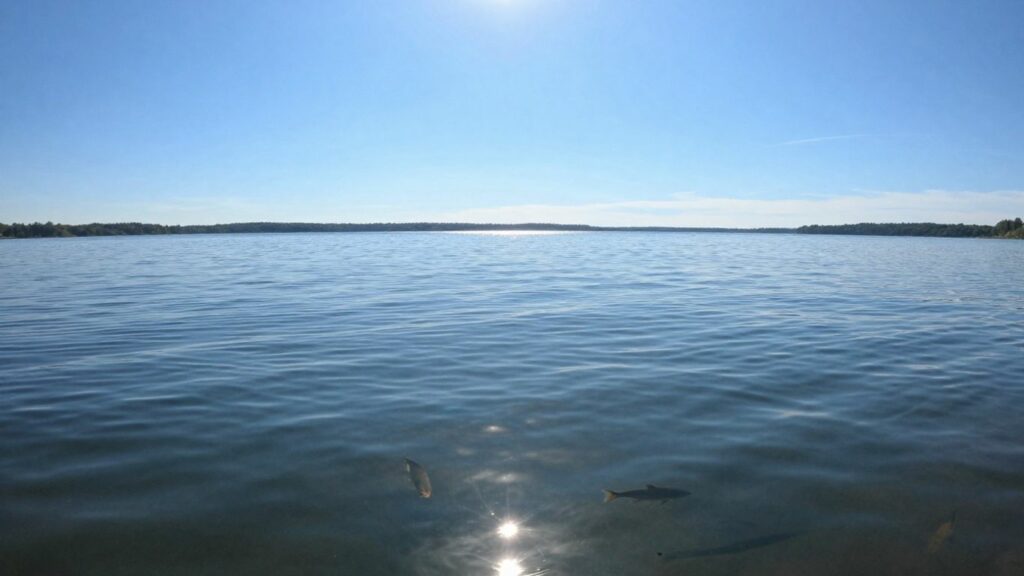
You know, sometimes I wonder if the weather reports are as helpful for fishing as they are for planning picnics.
Turns out, there’s a whole lot more to it than just sunshine or rain. The air around us, that barometric pressure thing, actually plays a pretty big role in what the fish are up to. It’s not just about the water temperature or the moon phase; the weight of the air above can really change their mood and where they decide to hang out.
So, if you’ve ever wondered why some days the fish are biting like crazy and others they seem to have vanished, barometric pressure and fish behavior might just be the answer you’re looking for.
Key Takeaways
- Barometric pressure, the weight of the air, affects fish mainly through their sensitive swim bladders, which help them float. Changes in this pressure can cause discomfort and alter their behavior.
- When barometric pressure is low, fish tend to be more active and feed more, often moving to shallower waters. This is usually a good time to go fishing.
- High barometric pressure often makes fish sluggish. They may move to deeper water or seek shelter, feeding less actively.
- Rapid changes in barometric pressure, especially before a storm, can trigger a feeding frenzy as fish try to eat before conditions worsen.
- Stable, normal barometric pressure (around 29.8 to 30.2 inHg) usually leads to the most consistent fishing, as fish are comfortable and predictable in their feeding habits.
Barometric Pressure And Fish
What Is Barometric Pressure?
Barometric pressure, sometimes called air pressure, is basically the weight of the air above us pushing down.
Think of it like a giant, invisible blanket pressing on everything, including the water and the fish in it. Even though we don’t really feel it day-to-day, this pressure changes. It’s influenced by things like altitude and weather systems.
For instance, at sea level, the air pressure is higher than it is way up in the mountains. Weather fronts moving through also cause these pressure readings to go up or down. We don’t notice it much, but for fish, these shifts can be a big deal.
How Air Pressure Affects Fish Anatomy
Fish have a special organ called a swim bladder. It’s like a little balloon inside them filled with gas, and it helps them control their buoyancy – basically, how they float in the water. This swim bladder is super sensitive to changes in the air pressure around them. When the barometric pressure drops, the gas in the swim bladder can expand a bit.
Conversely, when pressure rises, the gas can get compressed. These changes can make fish feel uncomfortable or sluggish, and that directly impacts their behavior. It’s a bit like how your ears might pop when you go up in an airplane; fish experience something similar, but it affects their whole body.
The Role Of The Swim Bladder
The swim bladder is the key player here. It’s not just about buoyancy; it’s also how fish react to pressure shifts. Imagine trying to move around comfortably if you felt like you were being squeezed or were suddenly too buoyant. Fish have to adjust. When pressure drops, they might move deeper to find water that’s already more compressed, trying to balance things out.
When pressure increases, they might also seek deeper, more stable water. This constant adjustment means their normal routines, like feeding, can get disrupted. The sensitivity of the swim bladder is why fish activity and atmospheric pressure are so closely linked. It’s their internal barometer, in a way, telling them something is changing in their environment.
Fish Behavior During Pressure Changes
So, how do fish actually react when the air pressure starts messing with their world? It turns out, they’re pretty sensitive to these shifts, and it can really change how they act and where they hang out. The impact of pressure changes on fish is more than just a hunch; it’s tied to how their bodies work and how it affects their food.
Activity Levels Under High Pressure
When the barometer is climbing and holding steady, indicating fair weather, fish tend to get a bit more chill. Think of it like a calm day – things aren’t happening too fast. They might not be as eager to chase down a meal.
This is often when you’ll find them in deeper water, or tucked away near structures like rocks or weed beds. It’s like they’re conserving energy, and the increased pressure can make them feel a bit sluggish. If you’re fishing during these times, you might need to slow down your presentation and try more natural-looking baits to get their attention.
Behavior During Low Pressure Systems
Now, when the pressure starts to drop, especially before a storm rolls in, that’s when things can get interesting.
Fish often sense this change and get a burst of energy. It’s like they know something’s coming and they want to eat as much as they can before the weather turns sour. You might see them becoming more active, moving around more, and being more willing to strike at lures.
This is often considered a prime time for fishing because they’re actively looking for food. Baitfish might also get stirred up, which in turn brings the bigger predators into the mix.
Impact Of Rapid Pressure Fluctuations
Rapid changes in barometric pressure can really throw fish for a loop. Imagine a sudden drop or rise – it’s not just a subtle nudge. These quick shifts can disrupt their buoyancy and make them uncomfortable. Tiny organisms in the water, like plankton, can also be affected, getting pushed around and becoming easier targets for baitfish.
This can trigger a feeding frenzy that moves up the food chain. So, while a steady pressure might mean a predictable bite, a fast-changing pressure can lead to unpredictable, but often very active, feeding periods. It’s a bit of a gamble, but when it pays off, it can be spectacular.
Optimal Barometric Pressure For Fishing
So, when’s the best time to cast a line based on the air pressure? It’s not always about chasing storms, though that can be good. Generally, fish seem to do their best eating when the barometric pressure is pretty steady.
We’re talking about readings that aren’t jumping all over the place. A stable range, usually between 29.70 and 30.40 inches of mercury (inHg), is often a sweet spot. When the pressure is like this, fish tend to be comfortable and less stressed, making them more likely to be on the lookout for a meal.
Ideal Conditions For Feeding
When the atmosphere is calm and settled, meaning the barometric pressure is holding steady within that normal range, you can often expect consistent feeding activity. Fish aren’t expending a lot of energy trying to adjust to pressure changes.
This allows them to focus more on finding food. Think of it as a relaxed environment where they’re more inclined to explore and eat. It’s not usually a frantic feeding frenzy, but more of a reliable, steady bite.
When To Expect Feeding Frenzies
Now, if you’re looking for those explosive feeding sessions, you might want to pay attention to falling pressure. This often happens right before a storm rolls in. As the air pressure drops, fish can become quite active. Some anglers believe they’re trying to feed up before the weather turns nasty and they have to seek shelter.
This is when you might see them hitting lures more aggressively. It’s a sign that the fish know something is coming and they’re making the most of the opportunity.
Stable Pressure And Predictable Bites
Fishing during periods of stable barometric pressure, especially when it’s in the mid-to-high range (around 30.00 to 30.40 inHg), often leads to more predictable fishing. The fish are comfortable, and their routines aren’t being disrupted by atmospheric shifts.
This stability means you can often plan your trips with a bit more confidence, knowing that the fish are likely to be in a feeding mood. It’s less about reacting to sudden changes and more about capitalizing on a consistent pattern. These are the days where you might find success using a variety of techniques, as the fish are generally receptive to different baits and lures. Remember these barometric pressure fishing tips for your next outing.
Fishing Tactics Based On Pressure Trends
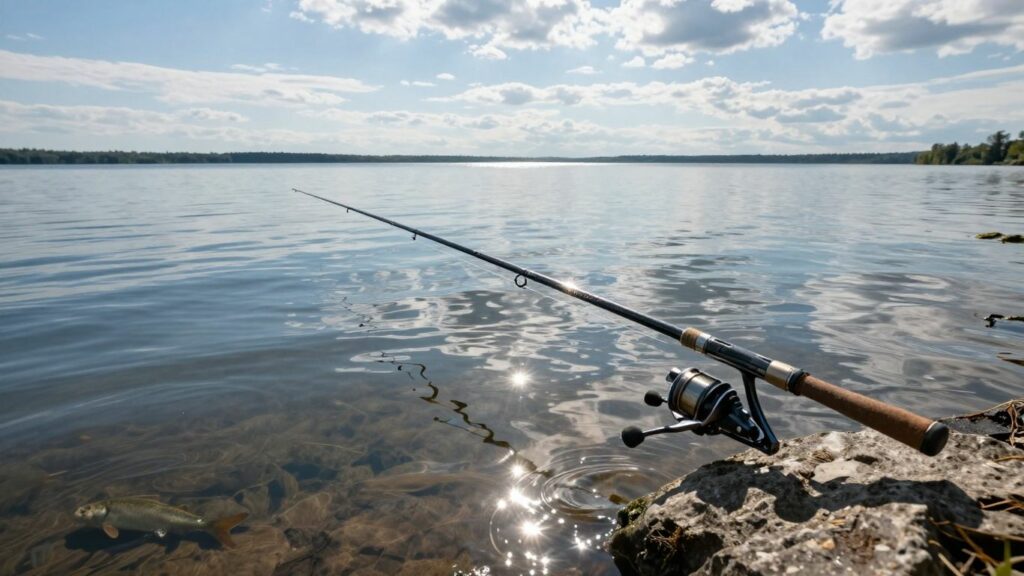
So, you’ve been watching the weather report, and the barometer is doing its thing. What does that mean for your fishing trip? It turns out, knowing whether the pressure is falling, rising, or staying steady can really change how you approach the water.
Strategies For Falling Pressure
When you see that barometer dropping, it usually means a storm is on its way. For anglers, this often signals a prime feeding window. Fish seem to know something’s up and start to gorge themselves before the weather turns nasty.
This is the time to get aggressive. Forget subtle presentations; think fast-moving lures like spinnerbaits, chatterbaits, or topwater plugs that make a commotion. Covering a lot of water quickly is key. You might find fish are more willing to chase lures that mimic fleeing baitfish. This period of increased activity can be short-lived, so make the most of it. Remember, fishing in low pressure systems can be incredibly rewarding if you’re prepared for the action.
Approaches During Rising Pressure
Now, if the barometer is climbing, it generally means the weather is improving. This often leads to more stable conditions, but fish might become a bit more reserved. They’re not usually in a feeding frenzy. Instead, they might be found in deeper water or holding tight to cover, conserving energy.
Your presentation should probably slow down. Think about using smaller lures, more natural colors, and techniques that keep your bait in the strike zone longer. It’s less about triggering a reaction strike and more about presenting a meal that’s easy to grab. Patience is a virtue here.
Adapting To Stable Conditions
Stable barometric pressure, often associated with clear, fair weather, usually means normal fishing conditions. Fish activity tends to be moderate. This is a good time to experiment with different lures, baits, and techniques to see what the fish are responding to on that particular day.
You might find success with a variety of methods, from finesse presentations to more active retrieves, depending on the species and the specific body of water. It’s a good time to really dial in your approach and pay attention to what’s working, as the fish are less likely to be driven by extreme pressure changes.
Factors Influencing Fish Sensitivity
You know, it’s not just about the pressure itself, but a bunch of other stuff that makes fish react differently. It’s like how weather affects fish – it’s never just one thing, right? Things like how deep they are, what kind of fish you’re after, and even what’s going on in the water around them all play a part.
Depth and Pressure Effects
Fish living in shallower water tend to feel pressure changes more than their buddies hanging out in the deep.
Think about it: a fish in just a few feet of water has less room to adjust if the pressure shifts. It’s like us feeling a slight change in air pressure more when we’re on a mountaintop versus being at sea level. They have to work harder to keep their buoyancy in check, and that can make them a bit more sensitive to what’s happening above.
Species-Specific Responses
Not all fish are created equal when it comes to feeling the squeeze. Some species are just naturally more tuned into these atmospheric shifts. For instance, a walleye might react differently to a falling barometer than a bluegill.
It really depends on their anatomy, their typical habitat, and how they use their swim bladder. Some fish might get more active, while others might just hunker down.
Environmental Triggers
Beyond just the air pressure, other environmental factors can really crank up a fish’s sensitivity. Things like changes in water temperature, how clear or murky the water is, and even the moon phase can all team up with barometric pressure to influence fish behavior.
A sudden temperature drop combined with falling pressure? That can be a recipe for some serious fish activity, or sometimes, the exact opposite. It’s a whole ecosystem of influences working together.
Measuring Barometric Pressure For Anglers
So, you’re curious about how that invisible air pressure stuff actually affects your fishing trips? It’s not as complicated as it sounds, and knowing how to keep an eye on it can make a real difference. Think of it like checking the weather forecast, but with a bit more focus on what’s happening right above the water.
Understanding Pressure Readings
Barometric pressure is basically the weight of the air around us. When that weight changes, it can signal shifts in the weather, and as we’ve talked about, fish tend to react to these shifts. You’ll usually see pressure measured in inches of mercury (inHg) or millibars (mb).
A common range for good fishing is often between 29.70 and 30.40 inHg, but remember, it’s the changes that often matter most to the fish.
Tools For Tracking Air Pressure
To get a handle on what the pressure is doing, you’ll need a tool called a barometer. These have been around for ages. You can find old-school analog versions that look pretty neat, with a needle pointing to the current pressure. They work by using a column of mercury that rises or falls with the air pressure [3438]. More modern digital barometers are super handy, though.
They often display the pressure clearly on a screen and can even show you graphs of recent changes, which is really helpful for spotting trends. Some advanced weather systems can even track pressure, temperature, and wind all in one place, sending the data right to your phone.
Here’s a quick look at what you might see:
| Pressure Reading (inHg) | General Weather Trend |
|---|---|
| Below 29.70 | Falling (Stormy) |
| 29.70 – 30.10 | Stable/Slightly Falling |
| 30.10 – 30.40 | Stable/Slightly Rising |
| Above 30.40 | Rising (Fair) |
Interpreting Weather Forecasts
While you can get a barometer for your own spot, weather forecasts are also a good place to start. They’ll often mention whether the pressure is expected to rise or fall. Pay attention to phrases like “low-pressure system moving in” or “high pressure building.” This gives you a heads-up on what the fish might be feeling. For instance, a falling barometer often means stormy weather is on its way, and fish might get more active before the rain hits.
Conversely, a steady, high-pressure system usually means calmer conditions and potentially more consistent feeding. Don’t just glance at the numbers; think about what they mean for the weather and, consequently, for the fish you’re hoping to catch. Keeping an eye on these trends can help you pick the best days to be on the water.
Frequently Asked Questions
What exactly is barometric pressure?
Think of barometric pressure as the weight of the air pushing down on us, kind of like a giant invisible blanket. It’s measured by how much that air weighs in a certain spot. When this pressure changes, it can really get the attention of fish.
How does air pressure mess with fish?
Fish have this special organ called a swim bladder, which is like a little balloon filled with air that helps them float. When the air pressure outside changes, it can squeeze or expand this bladder, making the fish feel uncomfortable. To feel better, they might move to different depths in the water.
Do fish eat more when the pressure is low?
Generally, yes! When the barometric pressure drops, it often means a storm is coming. Fish seem to know this and get really active, trying to eat as much as they can before the weather gets bad. This can be a great time for fishing!
What happens to fish when the pressure is high?
When the barometric pressure is high and the weather is usually clear and calm, fish tend to get a bit sluggish. They might move to deeper, cooler water or hide near structures. They’re not usually as interested in biting during these times.
Is there a ‘perfect’ pressure for fishing?
The best fishing often happens when the barometric pressure is steady and normal, usually somewhere between 29.8 and 30.2 inches of Mercury. Stable conditions make fish feel comfortable and predictable in their feeding habits.
How can I know the barometric pressure for my fishing trip?
You can easily check the barometric pressure by looking at weather apps on your phone or checking online weather reports. Some anglers even use special handheld devices called barometers to get real-time readings for their exact location.