


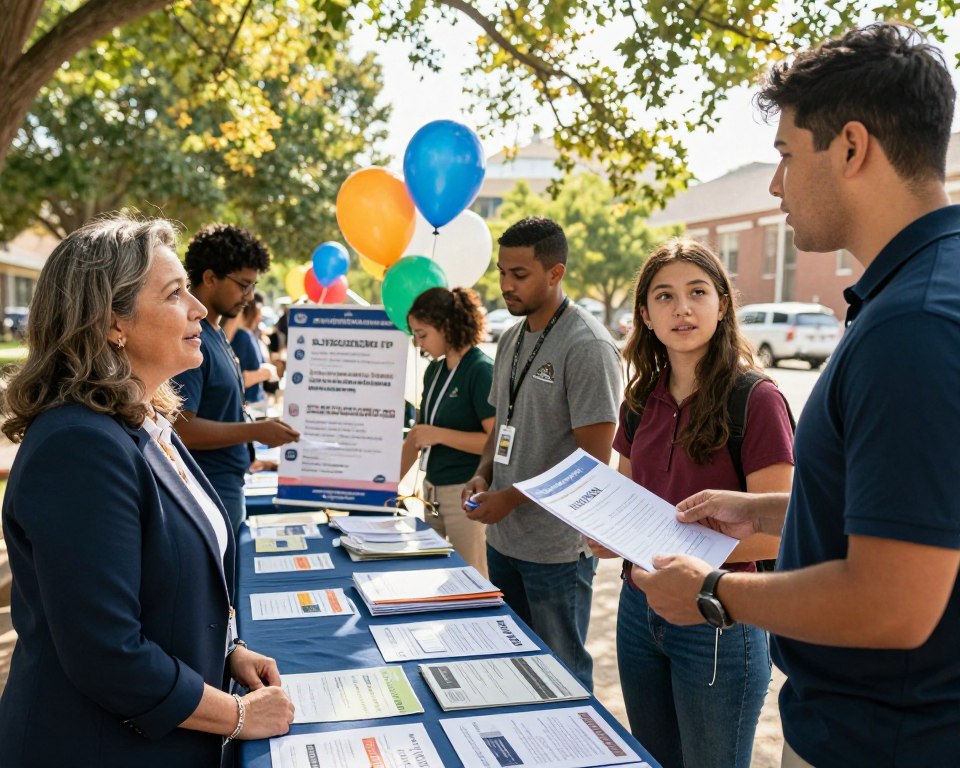
Did you know many financial aid opportunities are right in your community? Every year, lots of scholarships go unclaimed. This means a lot of money is waiting to be used.
These resources can help fund your education. Many students miss out on community-based financial aid. They think it’s not available or too competitive. But, many local organizations want to help you succeed in school.
By looking into these opportunities, you can find the financial help you need. It’s time to explore beyond the usual places. You might find hidden gems that can greatly help your education.
The Untapped Local Scholarships in Nigeria
Nigeria has many local scholarships waiting to be found by students. Just like in Canada, where students find millions in scholarships each year, Nigeria has a lot to offer. These scholarships can help students in Nigeria avoid financial stress and reach their educational dreams.
By looking for scholarships near you, you can find many opportunities. Urban scholarships, in particular, can help a lot. They are for students in big cities. The trick is to know where to look and how to apply well.
Local scholarships do more than just help with money. They also give students a sense of belonging and recognition. By using these local resources, you can open new doors and reach your academic goals.
| Scholarship Type | Eligibility Criteria | Award Amount |
|---|---|---|
| Local Government Scholarship | Residency in a specific local government area | ₦500,000 |
| Urban Scholarship | Enrollment in a university within an urban area | ₦750,000 |
| Community Development Scholarship | Involvement in community service activities | ₦250,000 |
Exploring and applying for these local scholarships is a big step towards getting the funding you need. Don’t miss the chance to use Nigeria’s local scholarships to your advantage.
Local Scholarships in Nigeria
Local scholarships in Nigeria offer both chances and hurdles for students. Many groups and programs help students with money. Yet, more programs are needed to meet the growing need for education.
Community foundations are vital for awarding regional grants and community college scholarships. They work with local businesses and government to find and support talented students.
Other groups, such as local government, religious bodies, and companies, also help. They offer financial aid to students, helping to meet their needs.
| Organization Type | Scholarship Programs | Eligibility Criteria |
|---|---|---|
| Community Foundations | Regional Grants, Community College Scholarships | Academic Excellence, Community Service |
| Local Government Offices | Government Scholarships, Merit Awards | Citizenship, Academic Achievement |
| Corporate Entities | CSR Scholarships, Talent Development Programs | Academic Potentia, Skill Development |
It’s important for students to know about local scholarships in Nigeria. By looking into the different programs and what they need, students can find their way in the education world.
1. Local Government Offices and Community Development Associations
Local government offices and community development associations are key for city-based financial aid. They often have programs to help local students with their education.
Start by visiting your local government offices to learn about neighborhood awards. Many local governments have programs to support students from their communities.
State-Specific Government Scholarship Initiatives
Some state governments in Nigeria have special scholarships for residents. For example, the Lagos State government offers scholarships to students from low-income families. Check with your state’s education department to see if such programs exist.
Finding Information at Local Government Secretariats
Local government secretariats are full of information on scholarships. They have departments for education and community development. Be sure to ask about state-specific government scholarship initiatives that may be available.
| Local Government Office | Scholarship Program | Eligibility Criteria |
|---|---|---|
| Lagos State Government | Lagos State Scholarship | Residents of Lagos State, Low-income families |
| Abuja Municipal Area Council | Abuja Scholarship Program | Residents of Abuja, Academic excellence |
| Rivers State Government | Rivers State Scholarship | Residents of Rivers State, Financial need |
Some employers also offer scholarships to their employees’ children. Ask your parents if their employers have such programs.
2. Religious Organizations and Faith-Based Institutions
When looking for local scholarships, check out what religious groups and faith-based places offer. These groups often focus on helping their communities, and education is a big part of that.
Many religious groups in Nigeria give out scholarships to students. For example, the Divine 9, also known as the National Pan-Hellenic Council, comprises nine historically Black fraternities and sororities. They give scholarships to students. These groups include Alpha Phi Alpha, Alpha Kappa Alpha, Delta Sigma Theta, and more.
- Support for students in their community
- Scholarships for specific fields of study
- Extra help like mentorship and guidance
For example, local Rotary Clubs offer rotary club scholarships to students in their area. To find these, you can:
- Ask local places of worship about scholarships
- Look into faith-based organizations in your area for scholarship programs
- Talk to community leaders and members about scholarship chances
Exploring these options can lead you to valuable area-specific scholarships to help pay for your education.
3. Local Businesses and Corporate Social Responsibility Programs
Local businesses in Nigeria offer many scholarship chances. Companies in the oil and gas, banking, and telecom sectors have set up scholarship programs. These are part of their efforts to give back to the community.
Many companies, mainly in the oil and gas sector, give scholarships to local students. Their goal is to help develop talent and ensure a skilled workforce for the future.
The oil and gas industry is a major player in scholarship programs in Nigeria. Companies like Shell, Chevron, and Total have well-known scholarship programs. These programs help students from areas where these companies operate.
Banking and Telecommunications Sector Opportunities
Banks and telecom companies also offer scholarships as part of their CSR efforts. For example, Zenith Bank and Guaranty Trust Bank have programs for outstanding students. Telecom giants like MTN and Airtel also have CSR programs that include educational scholarships.
Credit unions, being member-owned, also offer benefits like scholarships. Check with local credit unions to see if they have such programs.
To increase your chances of getting a scholarship, research local companies. Reach out to their CSR departments. Make sure your application shows how the scholarship will help you achieve your goals.
4. Community Service Organizations and Professional Associations
You can find many scholarship chances through local community service groups and professional associations. These groups often help students who work hard in their communities and study specific subjects.
Service clubs like the Rotary Club and Lions Club give out scholarships to students. These awards might go to students who do well in school, help out in the community, or need money. For example, the Rotary Club has global grant scholarships for students studying abroad.
Professional groups in fields like engineering and tech also offer scholarships. For example, the Nigerian Society of Engineers gives scholarships to engineering students. These scholarships can really help students in these fields.
Medical and Health Sciences Opportunities
Medical and health science groups, like the Nigerian Medical Association, also offer scholarships. These scholarships can help pay for school, equipment, and other costs.
To find these scholarships, look into local community groups and professional associations. School counselors are also great resources, helping find these opportunities.
By looking into these options, you can find many scholarships and funding chances. These can help you reach your educational goals.
5. Educational Institutions and Alumni Networks
Local schools and their alumni groups are full of scholarship chances for students. You can find these by looking at the programs they offer.
Many schools have alumni groups that give scholarships to students. These groups use money to help students today, just like they were helped in the past. Start by looking into the alumni networks of schools in Nigeria.
- You get access to special scholarships not found elsewhere.
- You can meet professionals in your future field.
- Alumni can offer advice based on their own school experiences.
To increase your chances, follow these steps:
- Look into local schools and their alumni groups.
- Contact the alumni networks to ask about scholarships.
- Make a strong application that shows your achievements and goals.
By using these resources, you can find important scholarships to help pay for school. Remember, local businesses and corporate social responsibility programs often work with schools, giving you even more chances.
It’s also important to build connections with alumni and school staff. Go to events, join clubs, and get involved in the community. This will help you stand out and get a scholarship.
Finding and Applying for Local Scholarships: A Step-by-Step Guide
Unlocking local scholarships starts with knowing where to look and how to apply. It’s key to be informed and proactive in this process.
To begin, identify sources of local scholarships. Look at educational institutions, community groups, local businesses, and religious groups. Make a list of these sources and their deadlines.
| Source | Application Deadline | Requirements |
|---|---|---|
| Educational Institutions | March 31st | Transcript, Essay |
| Community Organizations | April 15th | Letter of Recommendation, Personal Statement |
| Local Businesses | May 1st | Resume, Cover Letter |
After finding sources, prepare your application materials. You’ll need a personal statement, transcripts, and letters of recommendation. Make sure your materials fit each scholarship and are submitted on time.
For scholarship applications, start early, be resourceful, and apply often. By following these steps and staying organized, you can boost your chances of getting a local scholarship.
Essential Documents Needed for Local Scholarship Applications
Gathering the right documents is key when applying for local scholarships. You need to submit the required documents to be considered.
Most scholarship applications ask for similar documents. These include:
- Academic transcripts
- Letters of recommendation
- Personal statements or essays
- Proof of citizenship or residency
- Financial information
Make sure to check each scholarship’s specific needs. Some might ask for extra documents.
Below is a table showing common documents needed for local scholarships:
| Document | Description | Importance Level |
|---|---|---|
| Academic Transcripts | Official records of your academic performance | High |
| Letters of Recommendation | Recommendations from teachers, mentors, or employers | High |
| Personal Statement | Essay outlining your goals, achievements, and motivations | High |
Having these documents ready can make your application smoother. It also boosts your chances of getting a local scholarship.
Common Mistakes to Avoid When Applying for Local Scholarships
Applying for local scholarships can be tricky. It’s important to avoid common mistakes to increase your chances. Missing deadlines or not customizing your application are big no-nos.
One big mistake is not following the application instructions. This can mean missing required documents or not meeting the eligibility criteria. It’s also a big error to submit an application that’s not complete.
Another mistake is not making your application unique for each scholarship. Generic applications don’t impress. They don’t show you’ve put thought into the specific scholarship you’re applying for.
| Common Mistake | Impact on Application | How to Avoid |
|---|---|---|
| Missing deadlines | Application not considered | Create a timeline and set reminders |
| Failing to tailor the application | Less competitive | Research the scholarship and customize your application |
| Not proofreading | Negative impression | Use grammar and spell check tools, and have someone review your application |
Knowing these common mistakes and avoiding them can really help. A well-prepared application shows you’re serious and dedicated. It makes you stand out among many applicants.