


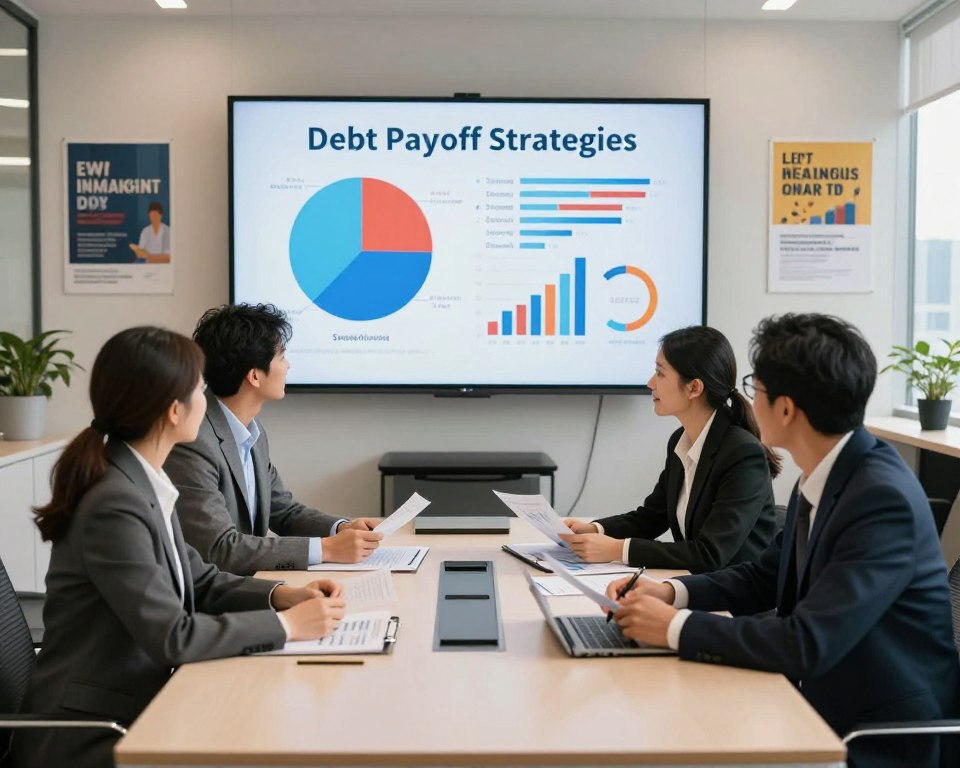
Getting out of debt is a big win. To do this, people need to use debt payoff strategies. Experts say combining budgeting, debt consolidation, and talking to creditors is key.
Knowing how to handle money is important. Good get out of debt tips include making a budget and focusing on debts first.
Using these methods can really help with money worries. This article will look at different debt payoff strategies. You’ll learn how to tackle your financial problems.
The Real Impact of Debt on Your Financial Health
Debt has a big impact on your financial health. It can affect many areas of your life, including credit card debt, mortgages, and student loans.
Common Debt Triggers
Several things can lead to debt. Common triggers include:
- Overspending beyond one’s means
- Unexpected expenses, such as medical emergencies
- Job loss or reduction in income
These triggers can quickly turn into unmanageable debt if not handled quickly.
Interest Compounding Effects
Interest compounding makes debt worse. As interest builds, the total amount owed grows rapidly. This makes it hard to pay off the original debt.
Credit card debt is known for its high interest rates. This can create a cycle of debt that’s hard to escape. Good personal finance debt management strategies are key to combating compounding interest.
Knowing the causes of debt and how interest works helps. It lets people make better budgeting debt plans. This knowledge helps take control of finances, making smart choices to lower debt and boost financial stability.
Taking Stock: How to Assess Your Current Debt Situation
To get out of debt, you must first understand your financial situation. Knowing where you stand is key to creating good debt payoff strategies.
Gathering All Account Information
The first step is to collect all your financial details. This includes statements for credit cards, loans, and other debts. Make a list of each debt, noting the balance, interest rate, minimum payment, and due date.
Organizing by Interest Rate and Balance
After gathering all the info, sort your debts by interest rate and balance. This helps you see which debts to tackle first. For example, you might pay off high-interest debts first or smaller balances to gain momentum.
Organizing your debts well lets you create a clear plan to get out of debt. This means making a budget, cutting expenses, and using get out of debt tips that fit your situation.
Understanding your debt situation gives you the power to make smart financial choices. It’s a vital step towards financial freedom and less debt-related stress.
Building Your Debt Elimination Budget
To start paying off debt, you need a detailed budget. This budget should list all your income and expenses. Knowing where your money goes helps you find ways to save and pay off debt faster.
Subscription Audit Techniques
Checking your subscriptions is key to a good debt elimination budget. Begin by making a list of all your subscriptions, like streaming services, gym memberships, and software plans.
- Find services you no longer use or need.
- Cancel any subscriptions that cost too much or are not needed.
- Think about switching to cheaper plans for premium services.
By cutting down on subscriptions, you can save a lot of money each month. This money can then be used to pay off your debt.
Temporarily changing your lifestyle can also help with your debt budget. Here are some tips:
- Eat at home more to save on dining out and takeout.
- Reduce spending on entertainment, like concerts or movies.
- Use public transport or carpool to save on fuel.
These changes might mean giving up some things, but they can help you pay off debt quicker. Being smart about how you spend money and making a few adjustments can help you reach your debt goals.
Creating a debt elimination budget takes discipline and patience, but it’s worth it. By making a budget that fits your needs and making some lifestyle changes, you can take charge of your finances. This will help you build a better financial future.
The Debt Snowball Method: Building Momentum Through Small Wins
For those with many debts, the debt snowball method is a clear way to freedom. It starts with the smallest debt first. This method is a key part of debt payoff strategies for better financial management.
This method lists all debts in order from smallest to largest. You pay the minimum on all except the smallest, which you attack aggressively. After paying off the smallest, you move to the next smallest, and so on.
Tracking Your Progress Effectively
Tracking your progress is key with the debt snowball method. It keeps you motivated as you see debts disappear. Here are ways to track your progress:
- Create a debt-repayment chart or spreadsheet to track your progress.
- Set milestones for each debt paid off and celebrate your wins.
- Regularly check your budget to stay on track with payments.
By using the debt snowball method and tracking your progress, you’ll stay focused on becoming debt-free. This method not only simplifies finances but also boosts your sense of accomplishment as you clear each debt.
Using the debt snowball method in your debt payoff strategies can greatly reduce financial stress. It’s a simple, step-by-step way to achieve financial freedom.
The Debt Avalanche Approach: Mathematically Optimal Payoff
If you want to pay off your debt fast, the debt avalanche method is a smart choice. It focuses on paying off debts with the highest interest rates first. At the same time, you make the minimum payments on other debts.
This approach can save you a lot of money in interest over time. To make it work, you need to create a customized payment plan that fits your budget.
Creating Your Custom Avalanche Payment Schedule
First, make a list of all your debts, like credit cards and personal loans. Then, sort them by interest rate, from highest to lowest.
- Start by paying off the debt with the highest interest rate.
- Make the minimum payments on the rest.
- Use any extra money to pay off the highest-interest debt.
After you pay off the highest-interest debt, move to the next one on the list. Keep doing this until all your debts are gone. This method keeps you focused and moving forward on your debt-repayment journey.
By using the debt avalanche method and making a custom payment plan, you can manage your debts well. This approach not only reduces interest but also gives you a clear plan. It makes it easier to stay on track and reach your goal of being debt-free.
Effective Debt Payoff Strategies for Different Types of Debt
Understanding different debt types is key to picking the best payoff strategies. Each financial obligation needs a unique approach to manage and clear it efficiently.
Balance Transfer Optimization
For high-interest credit card debt, balance transfer optimization is a smart move. It means moving your balance to a card with a lower or 0% APR for a while. To get the most out of it, pay off the balance before the offer ends and don’t make new purchases.
| Balance Transfer Benefits | Potential Drawbacks |
|---|---|
| Save on interest charges | Balance transfer fees (usually 3-5%) |
| Consolidate debt into one payment | Potential for higher APR after promotional period |
| 0% introductory APR can provide significant savings | May require good credit score for approval |
Minimum Payment Traps to Avoid
Paying only the minimum can prolong your debt and cost you more in interest. To avoid this, try to pay more than the minimum. Use any extra money to pay off your debt faster.
For those with student loans, income-driven repayment plans can help. These plans adjust your payments based on your income and family size. This can lower your monthly payments. It’s important to look into the different plans and see if you qualify.
Loan Forgiveness Qualification
Certain jobs, such as teaching, healthcare, and government work, may qualify for loan forgiveness programs. Knowing the requirements and applying for these programs can greatly reduce or eliminate your student loan debt. Look into the Public Service Loan Forgiveness (PSLF) program and other options.
By using these debt payoff strategies for different debts, people can better manage their finances. This helps them move towards a debt-free life.
Debt Consolidation: Simplifying Your Payoff Plan
Debt consolidation makes paying off debts easier by combining them into one loan. It’s great for those with many debts. It simplifies payments and might lower interest rates.
Personal Loans vs. Home Equity Products
The two main options for debt consolidation are personal loans and home equity products. Personal loans are easy to get and don’t risk your home. They have fixed rates and terms, helping with budgeting.
Home equity products use your home’s value for funds. They might have lower rates but are risky because they use your home as collateral.
| Consolidation Method | Interest Rate | Collateral Required | Repayment Term |
|---|---|---|---|
| Personal Loan | Fixed (6%-12%) | No | 3-5 years |
| Home Equity Loan | Fixed (4%-8%) | Yes (Home) | 5-15 years |
| Balance Transfer Credit Card | 0% Introductory, then Variable | No | Varies |
Balance Transfer Credit Cards
Balance transfer credit cards are another option. They offer 0% APR for a time, saving on interest. But, watch out for fees and high rates after the intro period.
Choosing the right debt consolidation method depends on your finances and debt amount. It’s key to have a solid budgeting for debt plan for success.
Negotiating with Creditors to Reduce What You Owe
Reducing debt through creditor negotiation is a smart move. It can cut down what you owe. But it’s important to know the tax effects and how it might hurt your credit score.
Talking to creditors means finding a deal that works for both sides. This could mean paying less, getting lower interest rates, or receiving a payment break. First, collect all your financial info. Then, make a clear plan showing your situation and what you want.
Understanding the Tax Implications
The IRS might see forgiven debt as income. So, if you get a debt reduction, you might owe taxes on it. Knowing this and talking to a tax expert is key.
| Debt Type | Potential Tax Implication | Action Required |
|---|---|---|
| Credit Card Debt | Forgiven amount may be taxable | Consult a tax professional |
| Mortgage Debt | May be exempt under certain conditions | Review IRS rules or consult a tax advisor |
| Student Loan Debt | Forgiven amount may be taxable, depending on the loan type | Understand loan specifics and tax implications |
Impact on Your Credit Score
Talking to creditors can also change your credit score. Paying off debt for less can lower your score. But, it’s better than not paying at all.
Knowing how to negotiate with creditors can help you reach your financial goals. Whether you want to pay less or just need tips, talking to creditors is a good option.
Accelerating Your Debt Payoff Timeline
To pay off debt faster, you need a solid plan and dedication. Look for ways to make more money and use what you already have wisely.
Side Hustles with Quick Returns
Side jobs can significantly boost your earnings, helping you clear debt more quickly. Think about freelancing, tutoring, or selling things online. These jobs not only add to your wallet but also spread out your income.
- Freelancing in your area of expertise
- Participating in online surveys or focus groups
- Selling products on e-commerce platforms
Selling Unused Assets
Getting rid of things you don’t need can also speed up debt repayment. Look around your house for items that could sell for a good price. This might include old electronics, furniture, or collectibles.
| Asset | Potential Selling Price | Platform to Sell |
|---|---|---|
| Unused Electronics | $100-$500 | eBay, Craigslist |
| Furniture | $50-$200 | Facebook Marketplace, Local Garage Sales |
| Collectibles | $20-$1000 | Specialized Collectible Forums, Antique Stores |
By using these methods, you can earn more and pay off debt faster. It’s all about smart money choices and taking action to reach your goal of being debt-free.