


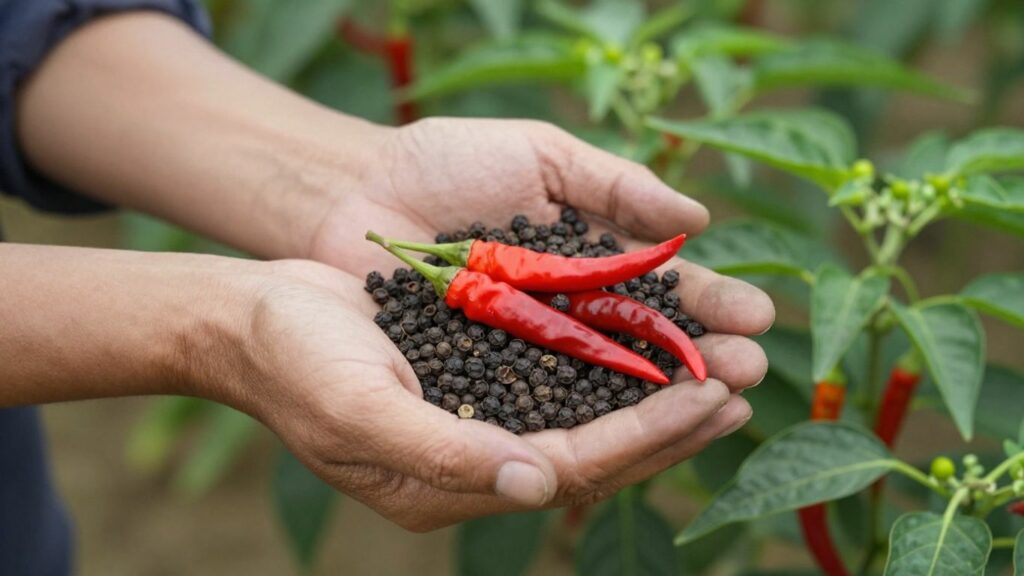
So, you’re thinking about growing peppers? That’s pretty cool. Whether you want something mild to toss in a salad or something that’ll really make your taste buds tingle, there’s a pepper out there for you. It’s not as hard as you might think, and honestly, growing your own is way more rewarding than just grabbing a bag from the store.
This guide will help you figure out which peppers might be best for your garden and what to expect when growing them.
Key Takeaways
- Peppers come in a huge variety, from sweet to super hot, with different species like Capsicum Annuum and Capsicum Chinense having distinct traits.
- Mild and sweet options like Pimiento and Cherry peppers are great for beginners and add a nice touch to many dishes.
- Medium heat peppers such as Jalapeños and Serranos offer a good kick and are versatile for cooking and salsas.
- For those who like it hot, varieties like Habaneros and Pequin peppers bring serious heat and unique flavors.
- Ornamental peppers like Chinese Five Color and Medusa add visual appeal to your garden while still being edible.
Pepper Varieties For Cultivation
When you first start thinking about growing peppers, it can feel a little overwhelming. There are so many kinds, right? From the ones that make your mouth water with heat to those that just add a sweet crunch to your salad, picking the right ones for your garden is the first big step. This isn’t just about black pepper chili farming; it’s about understanding the whole pepper family tree.
Most of the peppers we grow and eat come from just a few main species. Knowing these can really help you figure out what you’re getting into. It’s like knowing if you’re planting an apple tree or a cherry tree – they’re both fruit, but pretty different!
Capsicum Annuum Species Overview
This is the most common group, and it’s huge. Think bell peppers, jalapeños, cayenne, and even paprika peppers. They’re generally pretty easy to grow and cover a wide range of heat levels, from zero to pretty spicy. Most of these are pretty forgiving, making them a good starting point for beginners. They like warm weather and plenty of sun, which is pretty standard for most peppers.
Capsicum Chinense Species Overview
If you’re looking for serious heat, this is your species. This group includes the super-hots like Habaneros and Scotch Bonnets. They often have a more complex, fruity, or floral flavor profile that goes along with that intense heat. Growing these might require a bit more attention to temperature and soil conditions, as they can be a little fussier than their annuum cousins.
Capsicum Frutescens Species Overview
This species is known for peppers like Tabasco and Piri Piri. These peppers often have a more upright growth habit and are quite productive. They usually have a good kick of heat and a distinct flavor that works well in sauces and hot condiments. They also appreciate warmth and good drainage, like most peppers.
Getting a handle on these main species is a great first step for any pepper grower. It helps set expectations for flavor, heat, and how much care your plants might need. These are the foundational spice crop tips that will guide your planting decisions.
Exploring Mild and Sweet Pepper Options
When you’re just starting out with growing peppers, or if you prefer a gentler heat, there are tons of great options. These varieties are usually pretty forgiving in the garden and offer a lot of flavor without making your mouth feel like it’s on fire. It’s a good place to begin your pepper-growing adventure, honestly.
Pimiento Pepper Characteristics
The Pimiento pepper is a real classic, often found in those little jars of pimento-stuffed olives. They’re shaped a bit like a heart and are super sweet with hardly any heat at all, usually topping out around 500 Scoville heat units. They’re also pretty easy to grow, which is a bonus. You can harvest them when they’re about 3 inches long, and picking them encourages the plant to keep producing.
Trinidad Perfume Pepper Flavor Profile
Now, this one’s interesting. The Trinidad Perfume pepper comes from the same family as some super-hot peppers, but it’s totally different in terms of heat. It’s got this amazing fruity aroma, kind of tropical and citrusy, but the heat is practically non-existent, usually 0 to 500 SHU. It’s a great pepper if you want a lot of flavor and a nice scent without any spice. You can eat them raw or cooked, and they’re pretty versatile.
Cherry Pepper Culinary Uses
Cherry peppers are small, round, and cute, and they’re really easy to grow. They have a mild heat, typically between 2,500 and 5,000 SHU, so they’re not exactly mild, but they’re definitely not scorching. Their compact plants produce fruits that turn a nice red color. They’re perfect for stuffing with cheese or other goodies, or for pickling. Just pick them as soon as they turn red to keep the plant making more peppers.
Cultivating Medium Heat Peppers
So, you’re looking to add a little kick to your garden without going overboard? Medium heat peppers are the sweet spot, offering a pleasant warmth that complements dishes without overwhelming them. These varieties are generally pretty forgiving to grow, making them a great choice for beginners and experienced gardeners alike.
They usually like a good amount of sun, at least six hours a day, and appreciate soil that drains well but still holds some moisture. Regular feeding helps them produce a good harvest, and don’t forget to water, especially when it gets really hot out.
Jalapeño Pepper Growing Guide
The jalapeño is probably the most well-known medium-heat pepper. They’re super versatile, great for salsas, pickling, or just slicing onto nachos. You can harvest them when they’re green, or let them turn red for a slightly sweeter flavor and a bit more heat. Some people notice little lines on the skin as they mature, called corking – don’t worry, that’s normal and they’re still good to eat!
- When to Plant: Start seeds indoors about 6-8 weeks before the last frost.
- Sunlight: Full sun is best, aim for 6-8 hours daily.
- Soil: Rich, well-drained soil is ideal.
- Watering: Keep soil consistently moist, but not waterlogged.
- Harvesting: Pick when they reach a good size (green) or fully ripen to red.
Serrano Pepper Cultivation Tips
Serrano peppers are like the jalapeño’s slightly spicier cousin. They’re typically smaller and have a thinner, more curved shape. You’ll find them packing more punch on the Scoville scale, usually ranging from 10,000 to 23,000 units. They’re fantastic for adding a bit more heat to salsas and hot sauces. Like jalapeños, they can be picked green or left to ripen to red.
| Characteristic | Detail |
|---|---|
| Species | Capsicum annuum |
| USDA Hardiness Zones | 9-11 |
| Days to Maturity | 57-77 |
| Scoville Heat Units | 10,000 – 23,000 |
Lemon Spice Jalapeño Variety
This is a fun twist on the classic jalapeño. The Lemon Spice Jalapeño offers that familiar jalapeño flavor but with a distinct citrusy note and a bit of extra zing. It’s still in the medium-heat category, usually around 3,500 SHUs, but the flavor profile is brighter. These plants are pretty reliable producers, and the unique taste makes them stand out in recipes. They grow much like a standard jalapeño, so you can use the same growing tips.
Growing Hot and Fiery Pepper Varieties
Alright, so you’re ready to turn up the heat in your garden? Growing peppers that pack a serious punch is super rewarding, but it does take a little know-how. We’re talking about the peppers that make you sweat, the ones that add that unforgettable kick to your favorite dishes. Let’s get into some of the stars of the fiery pepper world.
Habanero Pepper Cultivation
Habaneros are famous for their intense heat and their distinct fruity, tropical flavor. They’re small, lantern-shaped peppers that come in a bunch of colors, usually orange or red, but you can find them in yellow, brown, and even white. They originally come from the Amazon region, which makes sense given their tropical vibe.
Growing them isn’t too different from other peppers, but you’ll want to give them plenty of sun and warmth. They can get pretty tall, sometimes reaching 4 feet or more, so give them some space. When handling them, especially when cutting them, wear gloves. Those oils can really irritate your skin, and nobody wants that.
- Heat Level: 250,000+ Scoville Heat Units (SHU)
- Flavor Profile: Fruity, tropical, intense heat
- Growing Tips: Needs full sun, well-drained soil, and consistent watering. Can be grown in containers but prefers a bit more space.
- Caution: Wear gloves when handling to avoid skin irritation.
Charleston Hot Pepper Characteristics
The Charleston Hot pepper is a bit of a lesser-known gem, but it brings a good amount of heat without being completely overwhelming for most people. It’s a variety often used in hot sauces and to add a spicy kick to various dishes.
These peppers tend to grow upright on the plant, making harvesting a bit easier. They’re usually a bright red when fully ripe and have a pretty standard pepper shape, not too big, not too small. If you’re looking for a pepper that’s hotter than a jalapeño but not quite in the habanero league, this could be a good choice for your garden.
Pequin Pepper Growing Conditions
Pequin peppers, also sometimes called bird’s eye chilies, are tiny but mighty. They pack a serious punch for their size, often found in the ‘hot’ category on the Scoville scale. These peppers are native to the Americas and are known for their fast growth and compact plant size, usually staying under 2 feet tall.
This makes them a great option if you’re short on garden space or want to grow them in pots. They love full sun and well-drained soil, just like most peppers. You’ll often see them used in hot sauces or dried and ground into a spicy powder. Their small size and upright growth habit mean you can get a lot of peppers from just one plant.
| Feature | Detail |
|---|---|
| Species | Capsicum annuum |
| Heat Level | 50,000 – 100,000 SHU |
| Plant Size | Compact (under 2 feet) |
| Ideal Conditions | Full sun, well-drained soil, warm climate |
| Common Uses | Hot sauces, dried powder, pickling |
Unique and Ornamental Pepper Choices
Sometimes, you want a pepper plant that’s as much a decoration as it is a food source. These varieties bring a splash of color and interesting shapes to your garden, often with a surprising kick.
Chinese Five Color Pepper Growth
This pepper is a real showstopper. It starts out a lovely shade of purple and then, as it matures, it cycles through yellow, orange, and finally a vibrant red. You get all these colors on the plant at once, making it look like a little fireworks display. It’s not just pretty, either; it packs a decent amount of heat, somewhere in the medium to hot range, and has a flavor that’s pretty good for cooking, especially when you want to add some color and spice to dishes.
Medusa Pepper Ornamental Appeal
The Medusa pepper is another one that’s all about the looks. These peppers grow pointing upwards and go through a similar color change as the Chinese Five Color, starting white and moving through yellow and orange to red.
They’re pretty mild, so you can snack on them or use them fresh without worrying too much about burning your mouth. Their compact growth habit makes them great for pots or smaller garden spaces where you want something eye-catching.
Marbles Pepper Color Transition
Talk about a conversation starter! The Marbles pepper lives up to its name. These little guys are small and round, and they mature through a whole spectrum of colors – purple, yellow, orange, and red. It’s like having a bowl of colorful candy, but with a peppery bite. They’re mostly grown for their ornamental value because, honestly, they look amazing. The heat level is usually mild to medium, so they’re not going to blow your socks off, but they add a fun visual element to your garden or even as a garnish.
Specialty Peppers For Diverse Uses
Beyond the everyday bell peppers and common jalapeños, there’s a whole world of specialty peppers that can really make your cooking shine. These aren’t always the ones you see piled high at the grocery store, but they offer unique flavors and textures that are worth seeking out for your garden and your kitchen.
Cascabel Chili Flavor and Uses
The Cascabel pepper, which means “little rattle” in Spanish, gets its name from the way the seeds rattle around inside when you shake a dried pod. These are typically found dried and have a mild to medium heat level, usually falling between 1,000 and 2,500 on the Scoville scale. Their flavor is often described as nutty and smoky, with a hint of tartness. They’re not super hot, so they’re great for adding a subtle depth of flavor without overwhelming your dish.
When it comes to using them, Cascabel peppers are fantastic in broths, soups, and stews. They also work well in sauces and marinades, especially for pork or chicken. Because they’re often sold dried, rehydrating them is usually the first step. Just soak them in warm water for about 20-30 minutes until they soften up.
Chilhuacle Negro Mole Pepper
This pepper is a bit of a legend, especially in Mexican cuisine. The Chilhuacle Negro is a key ingredient in authentic mole negro, a complex and rich sauce. It’s a medium-sized pepper, usually dark brown to black when dried, and it has a very mild heat, often below 1,000 SHU. What makes it special is its deep, earthy, and slightly sweet flavor profile, with notes that can remind you of dark chocolate or coffee. It’s this unique taste that gives mole negro its signature character.
Growing Chilhuacle Negro can be a bit tricky, as they are somewhat particular about their growing conditions. They prefer warm weather and a good amount of sun. If you’re aiming for that authentic mole, finding seeds for this pepper is the first step. Once you have them, patience is key, as they can take a while to mature.
Aji Panca Drying and Seasoning
The Aji Panca pepper is a staple in Peruvian cooking. It’s a medium-sized pepper, typically around 4-6 inches long, and it’s known for its deep red color when ripe. While you can use it fresh, it truly shines when dried. When dried, it develops a rich, fruity flavor with hints of berry and a mild smokiness. Its heat level is quite gentle, usually in the 500 to 2,500 SHU range, making it very approachable for most palates.
The drying process is where the Aji Panca really develops its signature taste. Once dried, it’s often ground into a powder or paste. This powder is incredibly versatile. It’s used in many Peruvian dishes, like stews, marinades, and sauces. It adds a beautiful color and a complex, slightly sweet, smoky flavor without adding a lot of heat. Think of it as a flavor enhancer that brings a unique Peruvian flair to your cooking.
Frequently Asked Questions
What’s the difference between black and chili peppers?
Black pepper comes from a different plant entirely, a vine called Piper nigrum, and is dried and ground. What we usually call ‘peppers’ in cooking, like bell peppers or jalapeños, come from the Capsicum plant family. They can be sweet, mild, or super hot!
Which pepper species are most common for growing?
The Capsicum annuum species is super common and includes many popular peppers like bell peppers, jalapeños, and poblanos. Capsicum chinense includes some of the hottest peppers, like habaneros, and Capsicum frutescens has varieties like the Thai chili.
How do I know how hot a pepper will be?
Pepper heat is measured in Scoville Heat Units (SHU). The higher the SHU number, the hotter the pepper. For example, a bell pepper has 0 SHU, while a jalapeño is around 2,500-8,000 SHU, and a habanero can be much hotter!
Can I grow peppers that look cool and taste good?
Absolutely! Many peppers are grown for their looks and are also edible. Varieties like the Chinese Five Color or Medusa pepper change colors as they ripen and can add a beautiful touch to your garden while also being great for cooking.
What are some good peppers for beginners to grow?
For beginners, it’s often best to start with milder peppers like bell peppers, pimientos, or jalapeños. They are generally easier to grow and more forgiving, giving you a good introduction to pepper cultivation.
How do I decide which pepper to use for cooking?
It depends on what you’re making! Mild peppers like pimientos are great for stuffing or pickling. Medium peppers like jalapeños are perfect for salsas. Hot peppers like habaneros are fantastic for making hot sauces, and super-hot peppers can add intense heat to any dish.