May Agbamuche’s time in INEC leadership is already stirring talk about what could change in Nigerian elections.
People often mention how tough it is to win public trust, but she’s setting out to make that trust real, not just a buzzword. One big thing on her plate is the question of transparency, everybody wants to see their vote count without feeling left in the dark.
Nigerian election reforms 2024 have made this a top concern, and the pressure on the impact of INEC commissioners Nigeria has only grown stronger. There’s more attention on electoral transparency initiatives Nigeria, and Agbamuche’s goals here are specific enough that everyone’s paying attention.
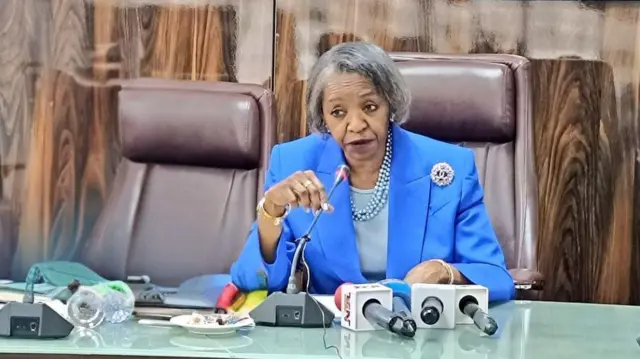
May Agbamuche-Mbu, who was a National Commissioner at the Independent National Electoral Commission, took over as the acting Chairman of the Commission.
This followed the formal handover of duties by Professor Mahmood Yakubu, who is proceeding on a terminal leave.
The announcement was made on Tuesday, 7th October 2025 at the INEC headquarters in Abuja during a stakeholders’ meeting with Resident Electoral Commissioners.
Strengthening Voter Confidence Through Innovation
One thing about May Agbamuche is that she talks about voters, not just numbers and stats. She seems to understand that trust comes from facts on the ground, like clear results, open processes, and simple access to voting info. It isn’t lost on her that people want more than grand promises, they want to actually see improvements with their own eyes. So, she’s leaning hard toward new methods that can be proven and checked.
These aren’t flashy, just simple ways for voters to track what’s happening, keep up with the news, and know that no one’s pulling strings behind the curtain. May Agbamuche INEC leadership means focusing on straightforward changes, like better communication, plain talk updates, and open records. This way, voters start trusting that things really are getting better, election by election.
Enhancing the Integrity of Ballot Processes
Ballot integrity isn’t just about counting papers, it’s about making sure every step from registration to final results is clear. For Agbamuche, clean processes matter as much as clean outcomes.
The push with Nigerian election reforms 2024 is to take the mystery out of how ballots move. Regular folks want to know: where does my ballot go? Who can see my information? Is someone checking the process at every step?
Her approach means offering ways for the public, not just officials, to see how things work in practice. She’s talking about regular check-ins, community updates, and outside experts taking a look. It’s not perfect, but these small, steady steps aim to reset how people talk about elections in Nigeria. Bit by bit, this could be the kind of change voters remember and expect moving forward.
Innovative Reforms Under May Agbamuche’s Leadership
May Agbamuche is coming in with some pretty big ideas, and honestly, you can sense that people are hoping for real change. When it comes to the future of Nigeria elections under new leadership, she’s been talking a lot about new tech and making sure elections aren’t just the same old song and dance.
Let’s break down what this new phase could mean for voters and the voting system.
Prioritizing Technological Advancements in Elections
One thing that stands out with Agbamuche is how she keeps talking about technology like it’s going to fix most of the headaches everyone’s seen in past elections. She wants to bring in tools that not only speed things up but make people trust the system more.
Electronic voting might finally get moved up from being just a big idea to something you actually use on election day. Plus, she seems pretty set on making voter registration less of a hassle. These changes could mean fewer lines, less confusion, and results that don’t feel like they’re taking forever. If she pulls it off, it might be the first time in ages people actually see their vote make a difference the way it’s supposed to.
Promoting Inclusivity and Fair Representation
Agbamuche’s also making it clear that voting should be possible for everyone, not just folks in the cities or those who have all day to queue up. She keeps mentioning people with disabilities, older voters, and folks in far-off places, they’re all supposed to have a real shot at making their voices heard. If her plans come through, we could see more polling places in hard-to-reach spots and some real effort to include everyone.
In the end, the future of Nigeria elections under new leadership might mean that more people actually get to join in, and the folks who usually get left out finally see some changes that work for them.
Challenges and Opportunities During May Agbamuche’s Tenure
Running elections in Nigeria is no walk in the park, and May Agbamuche knows this better than most. Security is always waiting around the corner as a major headache, with some polling stations facing threats that could turn things upside down in just a few minutes. There’s just this fear that lingers, whether it’s about voter safety or ballot box snatching.
Then you add in the trouble of getting all materials, ballot papers, voting machines, staff, out to every corner of the country, from crowded cities to tucked-away villages. The roads aren’t always reliable, sometimes it’s rainy season and nothing’s going anywhere. Each election, it’s a scramble, and officials have to get creative, sometimes at the last minute. May seems ready to face these problems with a practical attitude, not promising magic solutions but stressing steady improvements wherever they can actually work.
But it’s not all problems; there’s plenty of room for progress too. May Agbamuche’s time in office could see stronger teamwork between the electoral commission and groups that care about fair elections. International groups, local observers, and even new tech companies want to help out, and it could make a real difference if everyone pulls in the same direction.
There’s hope that with better partnerships, knowledge and resources get shared more easily, which means an election that runs smoother for everyone, voters, poll workers, and candidates. The idea is to start conversations and pass on what works, instead of everyone working in silos.
If these connections really click, it might end up making the whole voting experience a lot simpler and maybe even more trusted, especially for regular folks who just want their votes to count.