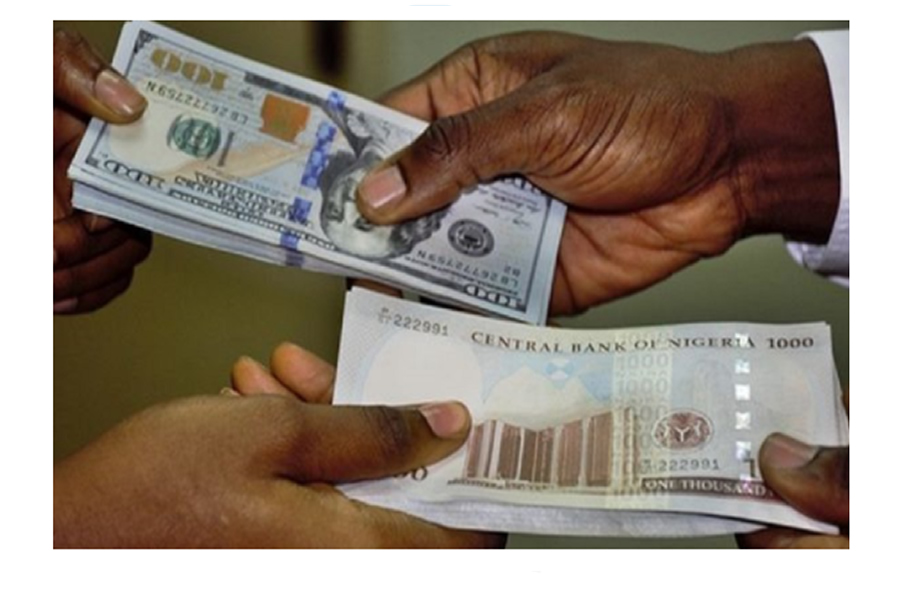
Let’s get right to the numbers, the official USD to naira rate was about ₦1,462 per US dollar for October 10, 2025. As of that date, this was a small improvement (1.09% up) from the previous day, and over the past 30 days, the naira actually got stronger by almost 2.9%.
Compared to last year, it’s up nearly 10%. These figures have some folks surprised, given how shaky things were just months back. For those who track the Nigeria currency value October 2025, here’s a quick look at the recent performance:
| Date | USD/NGN Rate | Change from Previous Month |
|---|---|---|
| Oct 10, 2025 | ₦1,462.11 | +2.87% |
| Sep 10, 2025 | ₦1,505.42 | (baseline) |
| Oct 10, 2024 | ₦1,629.49 | +9.77% (year-on-year) |
While the naira-to-dollar trends October 2025 show a much stronger currency compared to the wild ride in late 2024, back when it hit a record low of over ₦1,700, it’s still far from its pre-2020 values.
Key facts:
- September and October 2025 saw the first sustained period with the naira under ₦1,500 for each dollar in nearly a year.
- By the end of Q4 2025, forecasts say we could see rates close to ₦1,430 for the dollar (see USD to naira rate forecast 2025.)
Recent Trends and Stabilizing Factors
It isn’t just luck helping the naira hold its ground. Here’s what’s been going on:
- Central Bank Moves: The Central Bank of Nigeria pared back interest rates to 27%. That’s still ultra-high in global terms, but it’s given banks more wiggle room, and also kept foreign investors interested with those juicy real returns.
- Policy Tweaks: The government pushed for more transparency (think: stricter Treasury Single Account controls) and beefed up monitoring, which helped calm nerves in the market.
- Rising Oil Output: Nigeria’s oil production ticked up, and higher exports brought more dollars into the country.
Some stability has arrived, but let’s be honest, it doesn’t mean all is fixed. If you look under the hood, there’s still a lot going on:
- There’s debate about whether the naira is now too strong, maybe even overvalued by as much as 30% based on some analyst models.
- Foreign reserves are well over $42 billion, reassuring markets (at least for the moment).
- Investors are taking a wait-and-see approach, as they keep an eye on inflation numbers, political developments, and how long high interest rates can stick around.
To sum up, the naira-to-dollar trends October 2025 reflect a period of rare calm, mostly underpinned by tough central bank policy, stronger oil receipts, and government efforts to rebuild confidence. Whether it all holds is still an open question, but for now, anyone trading or saving in naira can breathe a tiny bit easier.
What Drove the Naira’s Strength in Late 2025?
The Naira’s strong run in late 2025 didn’t happen by accident. The country saw a mix of government actions, investor behaviors, and a few unexpected bright spots. Let’s go over what actually shifted things this time around.
Government Policies and Central Bank Actions
From the start of the third quarter, the Nigerian government took a more hands-on approach with financial monitoring and currency management. Here are some moves that stood out:
- Central Bank Liquidity Injections: Regular USD injections by the Central Bank of Nigeria (CBN) calmed the market and lowered panic buying.
- Policy Rate Adjustments: Late in September, the CBN trimmed the Monetary Policy Rate (MPR) to 27%. That was a small change, but along with narrowing the corridor for rate adjustments, it showed the CBN was keeping a tight rein on money supply.
- Tech and Compliance: Fintech monitoring and the adoption of unified bank verification systems (NBVN for non-residents, for example) made it harder for speculative buyers and fake demands to impact the market. More people had to prove their identity for transfers, which added a layer of trust for both the banks and the public.
- Strict Oversight and Transparency: The government also ramped up transparency around its finances, including how much it kept in the Treasury Single Account (TSA). This built confidence that Nigeria was serious about controlling waste and managing debt.
A simple view of measures implemented:
| Policy Action | September 2025 Status |
|---|---|
| USD Market Injections | Steady, routine |
| MPR (Interest Rate) | Lowered to 27% |
| FX Monitoring via Fintech | Expanded |
| Fiscal Transparency | Improved, more regular updates |
Effects of Foreign Portfolio Investment and Oil Production
If you looked at the numbers in September and October, Nigeria’s foreign reserves crossed $42 billion, the highest in years. This came as oil output picked up and foreign funds started trickling back in. Three things stand out here:
- Higher Oil Production: Oil output climbed to around 1.8 million barrels per day. That’s a boost that hasn’t happened for a while. The extra export dollars helped the Naira hold on, even with global oil prices not breaking records.
- Foreign Portfolio Inflows: With interest rates among the highest in the world, Nigeria’s bonds and bills started to tempt investors looking for big yields. As they bought into the market, the inflow of dollars balanced out some of the pressures on the currency.
- Growth in Remittances: September is typically the back-to-school period, and there was a noticeable jump in diaspora remittances. That extra foreign exchange entering through families and payment services increased liquidity in banks and forex bureaus.
Here’s a quick table with some recent data:
| Factor | Value (Sept 2025) |
|---|---|
| Oil Production | 1.8 million barrels/day |
| Foreign Reserves | $42.3 billion |
| MPR | 27% (world’s highest real) |
| Exchange Rate | ~N1,478/$1 |
Overall, what made the Naira strong in late 2025 was a recipe of tighter policy, more transparency, increased investor trust, and better oil numbers. Some say this stability is temporary, but it’s clear that for these few months, policy and a bit of luck finally worked together for Nigeria’s currency.
Risks and Underlying Challenges for the Naira Exchange Rate October 10 2025
The Naira’s recent stretch of stability has made some folks optimistic, but underneath, there’s plenty that could drive things off track. There’s a real risk that what looks like a steady rate might just be holding together with temporary policy fixes, if you peel back the surface, you’ll see all sorts of cracks.
Potential Overvaluation and Data Distortions
One of the big risks is that the Naira might be overvalued. Why? Well, official figures sometimes make things look better than they really are. High interest rates, some of the world’s highest, actually, are currently propping up the exchange rate. But is this real strength, or just a pause before a fall?
Key areas to watch:
- Tight monetary policy: With the policy rate locked at 27%, the cost of borrowing is sky-high. This pulls foreign investors looking for big yields but puts a lid on economic growth.
- Policy-driven stability: Current exchange rates seem supported by government and Central Bank actions, rather than pure market forces.
- Suspect data: Critics say official reports don’t always match everyday experience, fueling uncertainty.
Here’s how the Naira has performed, even if the numbers don’t tell the whole story:
| Month | Avg. NGN/USD Rate | CBN Policy Rate (%) | Inflation (%) |
|---|---|---|---|
| Jan 2025 | 1,510 | 27.5 | 28.6 |
| Sep 2025 | 1,478 | 27 | 27.9 |
| Oct 10, 2025 | 1,462 | 27 | 27.2 |
Above all, the impact of exchange rate on Nigerian economy remains a worry: honest numbers matter when you’re making big decisions about trade, investment, and planning ahead.
Outlook as Interest Rates and Policy Shifts Loom
Most experts agree that the Naira’s recent gains could fade if current supports are taken away. Here’s what to think about heading into the next year:
- Interest rates: Sooner or later, the Central Bank may have to cut rates. When that happens, Naira assets become less attractive, and foreign investors could bolt, taking their dollars with them.
- Surge in imports: If credit becomes cheaper, imports will likely rise and pressure the Naira. That could mean a sharp dip, some forecasts warn of a possible 30% depreciation within two years if there’s a rush to spend.
- Political timing: With elections looming, officials might stick to tough policies even if they hurt growth, just to keep the currency stable for now.
Let’s not forget, future predictions for naira exchange rate are all over the place. Some models predict the Naira drifting toward 1,431 per dollar in a year, while others say even small policy changes could trigger a much bigger drop.
- Stable for now, but stability is fragile
- Any loosening could reveal hidden weaknesses
- Investors and everyday people should keep a close watch on rate decisions and official statements
In short, the Naira’s current level is something of a balancing act. Sure, there’s been some real improvement, but for those watching the impact of exchange rate on Nigerian economy, there are still big tests ahead.
Sometimes, what keeps a currency strong in the short run, like high rates and government backing, builds up even tougher problems down the road.