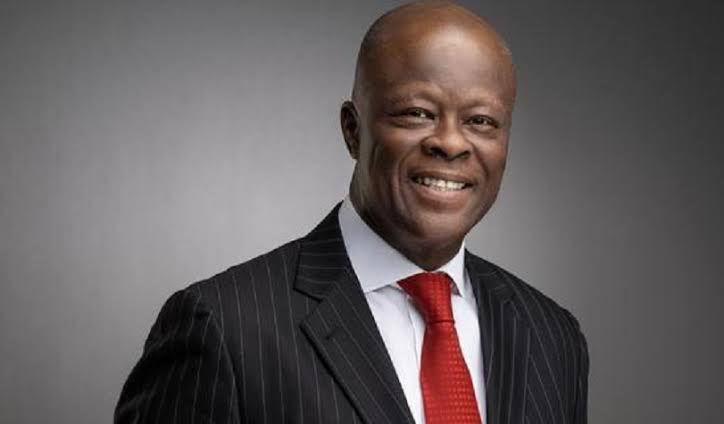
The Presidency has confirmed that Minister of Finance and Coordinating Minister of the Economy, Wale Edun, is ill and currently indisposed.
Sources say Edun suffered a stroke and is receiving intensive medical care. A senior official described his condition as serious, noting that he has suffered paralysis and may be unable to return to work.
In his absence, CBN Governor Olayemi Cardoso will lead Nigeria’s delegation to the World Bank and IMF Annual Meetings in Washington, D.C., starting October 13.
According to Presidential aide Bayo Onanuga, Cardoso is representing Edun as the alternate governor. The delegation also includes Minister of State for Finance, Doris Uzoka-Anite.
Meanwhile, President Bola Tinubu is reportedly considering a replacement for Edun amid ongoing economic and foreign exchange challenges.
Wale Edun’s Role in Nigeria’s Economic Reforms
Wale Edun, as Nigeria’s Minister of Finance and Coordinating Minister of the Economy, has been at the forefront of the nation’s recent economic reform efforts. His role involves steering the country towards a more stable economic footing, a task made more complex by various factors, including recent discussions around his personal health status.
Edun has consistently voiced his commitment to achieving macro-fiscal stability, a goal that underpins many of the administration’s economic policies. This commitment is not just rhetoric; it’s backed by actions aimed at addressing deep-seated economic distortions and improving the country’s financial outlook.
The Nigerian finance minister’s illness impact is a topic of discussion, but his public statements indicate a continued focus on these critical reforms.
World Bank Support for Economic Stabilization
The World Bank has shown significant support for Nigeria’s economic stabilization plans, approving substantial financial packages. These programs, like the Reforms for Economic Stabilization to Enable Transformation (RESET) and Accelerating Resource Mobilization Reforms (ARMOR), aim to provide both immediate financial aid and technical assistance.
This backing is a clear signal of international confidence in the direction Nigeria is trying to take, with Edun playing a central part in articulating and implementing these strategies. The World Bank’s involvement highlights the global recognition of the need for Nigeria to adjust its economic course, especially concerning revenue generation and fiscal sustainability.
The economic policy Nigeria minister health update, while a personal matter, does raise questions about continuity in such a critical period.
Wale Edun’s Vision for Sustainable Growth
Beyond immediate stabilization, Wale Edun’s vision extends to fostering sustainable economic growth. This involves a multi-pronged approach that includes reforming tax laws, managing currency pressures, and improving revenue mobilization.
The focus is on creating an environment where businesses can thrive and where the benefits of economic progress reach a wider population. His approach emphasizes harmonizing taxation, increasing transparency, and maintaining price stability. The cabinet minister health concerns, while noted, have not publicly deterred the ongoing policy initiatives.
The aim is to build an economy that is resilient and capable of generating opportunities for all Nigerians, moving away from over-reliance on oil and addressing issues like poverty and inequality.
Currency Pressures and Forex Market Dynamics
Nigeria’s economy has been wrestling with some serious currency issues lately. The naira has been under a lot of pressure, and the foreign exchange market is feeling it. It’s a complicated situation, and folks are watching closely to see how the government handles it.
Addressing Overdue Forward Payments
One of the big talking points has been the backlog of overdue forward payments. Minister of Finance Wale Edun mentioned that there was about $6.8 billion in these payments. Basically, these are agreements made in the past to buy foreign currency at a set rate in the future.
When these payments get delayed, it can really mess with the market. It creates uncertainty and can make the naira weaker because there’s a demand for dollars that isn’t being met as expected. Clearing these overdue payments is seen as a key step to calm things down. It’s like trying to untangle a knot; you have to address the existing issues before you can move forward smoothly.
Impact of Naira Depreciation on Exporters
When the naira loses value, it’s a mixed bag for businesses. For exporters, it can actually make their goods cheaper for people buying them in other countries, which sounds good. But, it also means that when they bring their earnings back to Nigeria, they get less naira for the same amount of foreign currency.
This uncertainty makes planning tough. Oluwaseun Obilana, an exporter, pointed out that the stability of the naira is really important for businesses like his. He mentioned that any drop in value adds a layer of unpredictability and can hurt their ability to compete globally.
It’s a delicate balance; while a weaker naira might offer some advantages, the overall instability can be a real headache for those trying to do business internationally.
Market Confidence and Exchange Rate Unification
There’s been a lot of talk about unifying the exchange rates. For a while, Nigeria had different rates for different types of transactions, which can be confusing and create opportunities for arbitrage. The move towards a single, market-determined rate is generally seen as a positive step by international bodies like the IMF.
They welcomed the lifting of the ban on certain items from accessing foreign exchange, seeing it as a move towards a more sensible system. However, the actual implementation and the gap between the official rate and the parallel market rate have raised questions.
Building market confidence is going to be a big challenge. People need to see that the new system is fair and that the government is committed to it for the long haul. Clear communication and consistent policy are vital here.
Potential Financial Support and Borrowing Strategies
Nigeria’s economic team, led by Wale Edun, is looking at a few different ways to get some much-needed cash. It’s not just about finding money, but finding the right kind of money that won’t make things worse down the road.
IMF’s Stance on Nigeria’s Economic Challenges
The International Monetary Fund (IMF) has definitely noticed Nigeria’s economic bumps, like that 26% inflation rate and the pressure on the naira. They’ve said Nigeria can ask for their help if they think it’ll fix the country’s money problems.
The IMF also gave a nod to the Central Bank of Nigeria lifting a ban on certain items getting foreign cash, saying it’s a good move towards letting the market decide the exchange rate. They’ve also been pushing for tighter money rules, like raising interest rates, to try and get inflation under control.
Exploring Resource-Backed Loans
Instead of going straight to the IMF, some folks are talking about a different route: resource-backed loans. The idea here is to borrow money using Nigeria’s natural resources as collateral. Think of it like using your house as security for a loan.
This could potentially offer more flexibility than a standard IMF deal. One suggestion is to use the country’s external reserves as a sort of unsecured credit line, which might avoid some of the stricter rules that come with IMF packages. This approach could be a way to get funds without immediately facing all the conditions.
Concerns Over IMF Facility Conditions
While the IMF offers financial help, their loans usually come with strings attached. These conditions can sometimes be tough for a country to meet and might dictate certain economic policies. There’s a worry that these requirements could limit Nigeria’s options or even cause hardship for citizens.
Because of this, the government might be hesitant to go that route, preferring a less restrictive option if possible. It’s a balancing act between getting the money needed and maintaining economic freedom.
Fiscal Policy Adjustments and Revenue Mobilization
Nigeria’s economic managers have been busy trying to get more money into government coffers and make spending smarter. It’s a big job, especially when the country is facing a lot of financial pressure.
The government is looking at new ways to collect taxes and make sure the money that comes in is used effectively. This is all part of a bigger plan to make the economy more stable and provide better services for everyone.
Implementation of New Tax Laws
There’s been a lot of talk about new tax laws. The goal is to make the system fairer and bring in more revenue, especially from non-oil sources.
One part of this involves changes to how certain goods are taxed. For instance, a new law signed in June aims to tidy up tax rules and boost income. It’s a complex area, and the government is trying to balance the need for more money with the impact on people’s wallets. The aim is to harmonize and increase transparency in the tax system.
Fuel Surcharge and Economic Hardship
A specific point of discussion has been a fuel surcharge. While it’s part of the new tax laws, the government has been careful about when and how it’s implemented. Minister Wale Edun has mentioned that such measures won’t take effect immediately and that the administration is mindful of the current economic difficulties Nigerians are facing.
The idea is to avoid adding more strain to households already dealing with rising costs. It’s a delicate balancing act, trying to fix the economy without making life too hard for ordinary people.
Strengthening Tax and Customs Administrations
Beyond just changing laws, there’s a focus on making the actual collection of taxes and duties more effective. This means improving the work of tax offices and customs departments. The World Bank is supporting these efforts, providing both money and advice.
The idea is to make sure that all the taxes that are due are collected and that smuggling and other ways of avoiding taxes are reduced. Better administration means more reliable income for the government, which can then be used for public services. This includes:
- Improving technology for tax collection.
- Training customs officials.
- Reducing opportunities for corruption.
- Making the process simpler for honest taxpayers.
The Broader Context of Reforms in Nigeria
Nigeria’s journey with economic reforms has been a long and winding road, often marked by good intentions but struggling to translate into lasting change. It’s not just about the policies themselves, but how they fit into the bigger picture of the country’s challenges.
Think of it like trying to build a sturdy house on shaky ground – you can have the best blueprints, but if the foundation isn’t solid, things tend to fall apart.
Challenges to Effective Reform Implementation
One of the biggest hurdles Nigeria faces is a lack of continuity. Reforms often get started, but then a new administration comes in, or priorities shift, and the momentum just dies. It’s like starting a marathon and stopping halfway through.
This discontinuity means that many well-meaning initiatives never get to see their full potential. Beyond that, there’s the issue of coordination. Different government bodies sometimes work at cross-purposes, which can really gum up the works. The effectiveness of any reform hinges on consistent support and a clear, shared vision across all levels of government.
The Role of Public Service in Economic Policy
The folks who actually carry out these policies – the public service – are absolutely critical. If they aren’t well-trained, motivated, or equipped, even the best-laid plans can falter. There have been efforts to improve training and modernize the civil service, but it’s a massive undertaking.
Imagine trying to get a whole team to learn a new, complex game overnight; it takes time, practice, and good coaching. The public service needs the right skills, the right incentives, and a strong sense of accountability to truly drive economic policy forward. Without this, the government’s ability to deliver basic services and manage the economy effectively is seriously hampered.
Addressing Inequality and Poverty Reduction
Ultimately, the goal of any economic reform should be to improve the lives of ordinary Nigerians. However, many reforms have struggled to make a dent in poverty and inequality. Reports show that despite some progress, a significant portion of the population still lives in poverty, and disparities, particularly gender inequality, remain a major concern.
It’s a tough balancing act: trying to stabilize the economy and attract investment while also making sure that the benefits of growth reach everyone, especially the most vulnerable. The Nigeria economic reforms minister health is a key factor in this, as stability and clear direction are needed to tackle these deep-seated issues.
The World Bank’s support, for instance, aims to help stabilize the economy and increase revenue, but the real test will be how these changes translate into tangible improvements for citizens facing economic hardship.
Wale Edun’s Approach to Economic Policy
Wale Edun, Nigeria’s Minister of Finance and Coordinating Minister of the Economy, has been a key figure in the country’s recent economic policy shifts. His approach seems to focus on a few core areas, aiming to get the economy back on a more stable track. It’s not just about making big pronouncements; it’s about the day-to-day work of managing the country’s finances.
Harmonizing Taxation and Increasing Transparency
One of the big pushes has been to make the tax system work better. This isn’t just about collecting more money, though that’s part of it. It’s also about making the whole process clearer for everyone involved. When taxes are easier to understand and pay, and when people see where that money is going, it builds trust.
Edun has talked about making sure tax laws are applied fairly and that there’s less room for confusion or, frankly, corruption. The goal is to create a system where businesses and individuals feel more confident about their tax obligations and the government’s use of those funds.
Focus on Price Stability and Monetary Policy
Keeping prices from jumping all over the place is another major concern. High inflation makes life really tough for everyday Nigerians, eating away at savings and making it hard to plan. Edun’s role involves working closely with the Central Bank of Nigeria (CBN) to get a handle on this.
The CBN has been looking at things like interest rates to try and cool down the economy when it’s getting too hot. The idea is to create an environment where prices are more predictable, which helps everyone from families buying groceries to businesses making investment decisions. This focus on price stability is seen as a bedrock for any kind of sustainable economic growth.
Cushioning the Impact of Inflation on Citizens
While trying to fix the bigger economic picture, Edun’s policies also have to consider the immediate effects on people. When prices go up, especially for essentials like food and fuel, it hits the poorest households the hardest.
The government has been trying to put measures in place to help. This includes things like targeted cash transfer programs, which aim to give some direct financial relief to those who need it most. It’s a balancing act: making the necessary economic adjustments while also trying to prevent people from falling further into hardship.
It’s a tough job, and the effectiveness of these cushioning measures is something many people are watching closely.