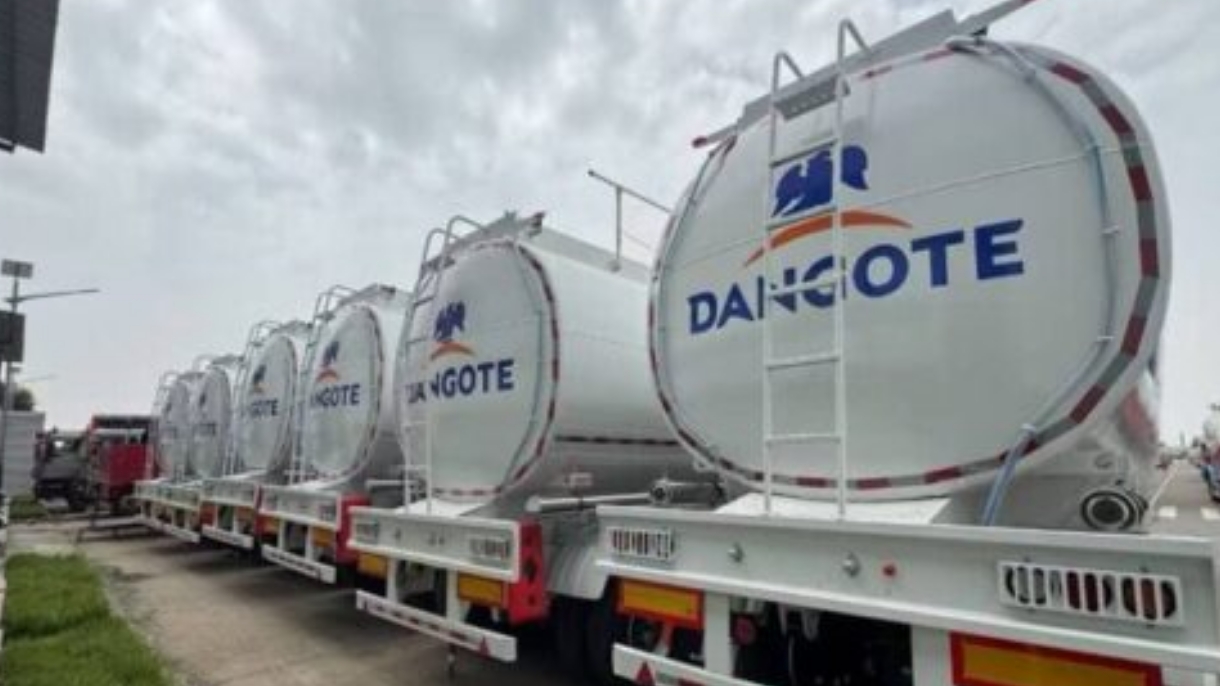
So, you’d think with the Dangote Refinery churning out fuel, the petrol price in Nigeria would finally take a nosedive, right? Well, it hasn’t quite worked out that way. Despite the refinery’s efforts to supply more fuel, the cost of fuel at Dangote refinery, and more importantly, at the pump, remains stubbornly high.
It’s a bit confusing, honestly. We’re seeing reports that Dangote is selling its Premium Motor Spirit (PMS) at a lower ex-depot price, sometimes around ₦840 per litre, which is a good chunk less than what some competitors are charging. You’d expect this to translate directly to cheaper petrol for us drivers, but that’s where the disconnect happens.
Initial Price Reductions by Dangote Refinery
When the Dangote Refinery started, there was a lot of hope. They’ve made moves to lower their own selling price, trying to get the ball rolling for cheaper fuel. They’ve cut their ex-depot prices, which is the price they sell to the marketers and distributors.
This is usually the first step in getting the price down the chain. It’s like they’re saying, ‘Here, we’re making it cheaper for you to buy from us, now pass it on!’ The idea is that this should ripple through the system, eventually leading to lower petrol prices at the filling stations.
Market Resistance to Lowered Ex-Depot Prices
But here’s the kicker: the lower prices from Dangote aren’t really sticking when you get to the retail end. It seems like the people who buy the fuel from the refinery aren’t passing on those savings. Instead of seeing a drop at the pump, prices are staying put, or in some cases, even creeping up in different parts of the country.
It makes you wonder why fuel is so expensive when there’s clearly a cheaper source available. This whole situation makes the whole idea of the Nigeria fuel subsidy explained seem like a distant memory, as we’re now dealing with a different kind of price issue.

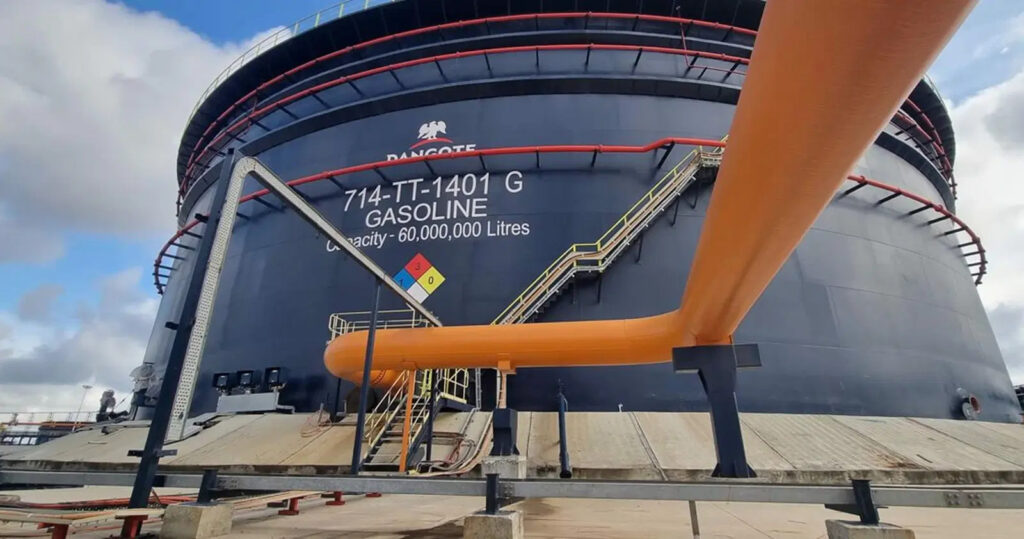
The Gap Between Wholesale and Retail Pricing
There’s a noticeable gap between the wholesale price (what marketers pay the refinery) and the retail price (what we pay at the station). This gap is where the problem seems to lie. It suggests that the marketers who are supposed to be benefiting from Dangote’s lower prices are either holding onto older, more expensive stock, or they’re simply choosing not to lower their prices.
This creates a situation where the refinery’s efforts to stabilize the market and lower costs aren’t reaching the average Nigerian driver. It’s a complex web, and figuring out exactly why this discrepancy exists is key to understanding why fuel prices remain high.
Factors Influencing Persistent High Pump Prices
Even though the Dangote Refinery has been making moves to lower fuel prices, you might have noticed that the cost at the pump hasn’t really budged much. It’s a bit confusing, right? Well, it turns out there are a few reasons why this is happening, and they mostly boil down to how the market is working (or not working, depending on your perspective).
Existing High-Cost Inventory Among Marketers
Think of it like this: when the Dangote Refinery started offering petrol at a lower price, many fuel marketers already had a lot of fuel they’d bought earlier, at a higher price. They can’t just throw that old stock away, so they need to sell it first to make back their money.
This means they’re holding onto that more expensive fuel and selling it at the old, higher prices. It’s a bit like when you buy something on sale, but you already had the same item at home that you paid full price for – you still have to use up the expensive one first.
Profit Motives and Market Exploitation
Let’s be real, businesses are in it to make money. Some marketers are seeing the lower prices from Dangote as an opportunity to actually increase their profits. Instead of passing the savings on to you and me, they’re buying at the lower refinery price and then selling it at a higher price to other stations or depots.
This creates a nice little profit margin for them. It’s reported that some marketers can make millions in a single day just by adding a small amount per litre to the price.
Operational Costs and Financial Planning
It’s not always just about greed, though. Running a fuel station or a distribution network involves a lot of costs. There are transportation expenses, staff salaries, maintenance, and the cost of storing the fuel itself. Marketers also have to think about their own financial planning.
If they sell too cheaply, they might not have enough money to buy the next batch of fuel, especially if prices fluctuate. So, they might keep prices higher to ensure they have a stable income and can keep their operations running smoothly, even if it means consumers don’t see the immediate benefit of lower refinery prices.
Market Dynamics and Regulations
Nigeria’s fuel market has been officially deregulated, meaning prices should theoretically be set by market forces, not by government decree. This was supposed to create a more competitive environment. The idea was that with more players, like the Dangote Refinery, prices would naturally come down as supply increased and competition heated up.
However, what we’re seeing is a bit more complicated. Even though Dangote is offering fuel at a lower ex-depot price, this hasn’t always translated to lower prices at the pump for us. It seems like the deregulation, while intended to help, has also opened the door for other factors to keep prices high.

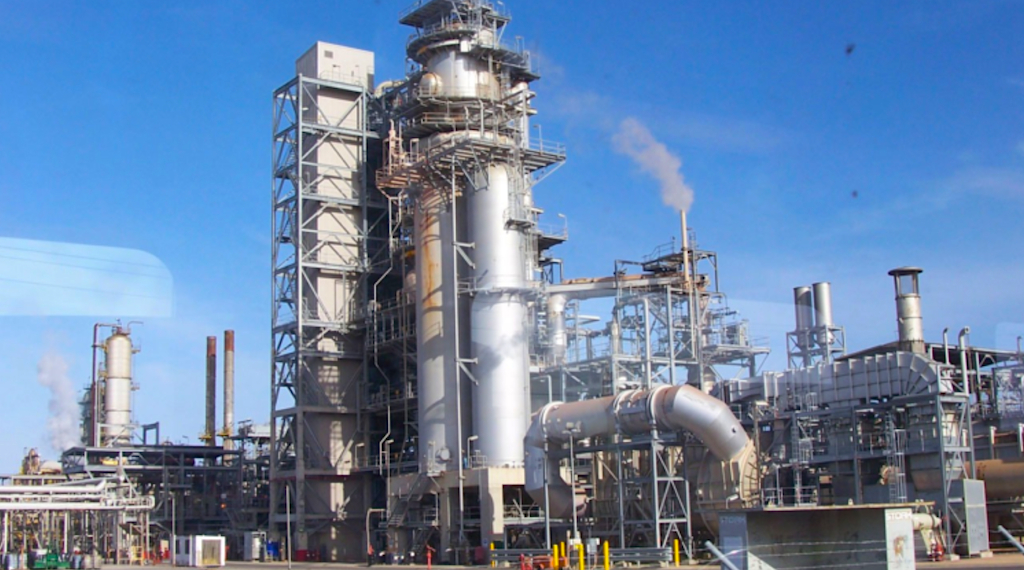
Role of Market Forces in Price Determination
In a deregulated market, supply and demand are supposed to be the main drivers of price. When Dangote Refinery started supplying fuel, there was a lot of hope that its large capacity would flood the market, pushing prices down. And indeed,
Dangote has been offering some of the lowest ex-depot prices, sometimes significantly lower than other suppliers. For example, recent checks showed Dangote’s ex-depot price at around ₦824 per litre, while competitors like Integrated Oil were at ₦836 and others even higher.
This price difference is quite noticeable. Yet, despite these lower wholesale prices from Dangote, the retail prices at many stations haven’t followed suit. This suggests that other market forces, perhaps related to how the fuel gets from the depot to the pump, are playing a bigger role than expected.
Challenges in Supply Chain Transparency
One of the big issues seems to be a lack of clear visibility in the supply chain. When fuel is moved from the refinery to the various depots and then to the retail stations, there are several points where prices can be adjusted. Reports suggest that the allocation of supply tickets, which are needed to pick up fuel from the refinery, might be contributing to the problem.
If these tickets are oversold or if there are bottlenecks in how they are distributed, it can create artificial scarcity. This allows a few marketers with access to control the flow and dictate higher prices, even when there’s supposed to be ample supply from Dangote. This lack of transparency makes it hard to pinpoint exactly why the lower refinery prices aren’t reaching consumers as expected. It’s like a game of telephone, where the message gets distorted along the way.
The Role of Marketers in Price Stagnation
So, you’d think with the Dangote Refinery pumping out fuel, prices at the pump would drop, right? Well, not so fast. It turns out the folks who actually sell the gas to you and me, the marketers, are playing a big part in why things are still so expensive. It’s a bit of a tangled situation, honestly.
Profiteering Tactics and Artificial Scarcity
It seems some marketers are finding ways to make extra cash, even when there’s more fuel available. They buy the petrol from Dangote, maybe at a decent price, but then they don’t necessarily pass that saving on. Instead, they might sell it to other stations or depots at a higher price than they paid.
Imagine buying something for $10 and selling it for $12 – that extra $2 adds up fast when you’re moving millions of litres. This practice creates what people call artificial scarcity. Even if there’s plenty of fuel coming from Dangote, if the marketers hold onto it or sell it strategically, it can still feel like there isn’t enough, keeping prices up.
Marketers’ Strategy to Exhaust Older Stock
Another reason prices aren’t dropping as quickly as expected is that many marketers still have older fuel they bought when prices were higher. They need to sell off that old stock first before they can start selling the cheaper fuel from Dangote.
It’s like having a bunch of old inventory in a shop; you have to clear it out before you can put new, cheaper items on the shelves. This means there’s a bit of a delay, and until that older, more expensive fuel is gone, the prices at the pump stay put.
The ‘Gaming the System’ Phenomenon
All of this points to a bigger issue: the system itself. When you have a market where prices can fluctuate a lot, and there’s a chance to make big profits, some people will try to take advantage. It’s not just about selling fuel; it’s about managing supply, timing sales, and making sure their own pockets are lined.
This can lead to situations where the intended benefits of something like the Dangote Refinery – like lower prices for everyone – get a bit lost in the shuffle. It’s a complex dance between supply, demand, and the people in the middle trying to make the most of it.
Dangote Refinery’s Supply Efforts and Market Impact
When the Dangote Refinery first started rolling out its products, there was a lot of hope. Aliko Dangote himself promised that this massive facility would change the game for Nigeria’s fuel supply, aiming to end our reliance on imports and, you know, make things cheaper for everyone.
They’ve been pretty vocal about having enough petrol to go around, saying they have millions of liters ready to go. They even invite marketers to bring their trucks and load up. It sounds like they’re saying, ‘We’ve got the fuel, come get it!’
Operational Capacity and Demand Fulfillment
The refinery folks have stated they’re running at full tilt, capable of meeting Nigeria’s entire demand for petrol, diesel, and jet fuel, and even have some left over for export. That’s a big deal, considering how much fuel the country uses.
They’ve mentioned their production of lighter products, like petrol, actually exceeds what Nigeria needs. It’s a huge plant, designed to process a lot of crude oil daily. They’ve also clarified that any slowdowns in crude intake are just normal business, like managing inventory or preparing for maintenance, not a sign they’ve stopped producing. It seems like the refinery itself is technically capable of doing what it set out to do.
The Vision vs. Current Market Realities
So, here’s the confusing part. Despite the refinery’s assurances and its apparent ability to produce enough fuel, the prices at the pump haven’t really dropped the way people expected. It’s like the Dangote refinery impact on fuel costs isn’t being felt by the average driver.
You hear about the refinery offering lower ex-depot prices, but then other players in the market seem to be holding onto their higher prices. It’s a real head-scratcher. The vision was to stabilize the market and bring down costs, but right now, it feels like that vision is hitting some serious roadblocks.
We’re seeing prices that don’t quite line up with the idea of having a major local refinery supplying the nation.
Regional Price Variations and Distribution Bottlenecks
So, you’d think with the Dangote Refinery pumping out fuel, prices would be pretty much the same everywhere, right? Well, not exactly. We’re starting to see some weird price differences pop up across the country. While places like Lagos might be seeing prices closer to what the refinery is selling at, other areas, especially in the South-South and South-East, are sticking to higher prices.
For instance, depots in Warri and Calabar are reportedly selling at ₦860, and even Port Harcourt isn’t much lower. This isn’t just a small hiccup; it’s a sign that getting fuel to everyone at a fair price is still a big challenge.
Impact of Supply Ticket Allocation
Part of the problem seems to be how the fuel is actually being handed out. Word on the street is that the “supply tickets” – the official papers needed to pick up fuel from the refinery – are being given out more than there’s actually fuel available.
This creates a bottleneck. It means only a few people who have these tickets can get the fuel, and they can then decide what to charge. It kind of defeats the purpose of having a big refinery meant to make things more stable and affordable for everyone.

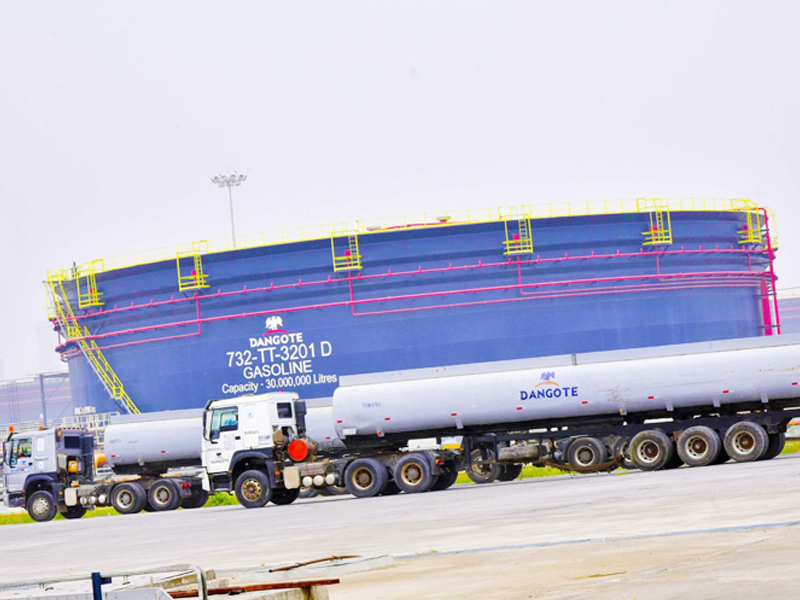
Challenges in Nationwide Distribution
Getting fuel from the refinery to every corner of Nigeria is proving to be tougher than it looks. We’re seeing different prices in different regions, which isn’t ideal. This isn’t just about the refinery itself; it’s about the whole system that gets the fuel from the tanks to your local station.
Things like how supply tickets are managed and the sheer logistics of moving millions of litres of fuel across the country mean that the intended price benefits aren’t reaching everyone equally. It’s a complex puzzle, and right now, it feels like some pieces are still missing, leading to these price gaps and distribution headaches.
Future Outlook for the Downstream Sector
Look, the whole situation with fuel prices in Nigeria is a bit of a mess right now, and it’s not going to fix itself. We’ve seen the Dangote Refinery come online, which is a huge deal, promising more local supply and hopefully lower costs. But what’s actually happening on the ground?
Prices are still high, and it feels like we’re stuck. This tells us that just having more supply isn’t enough. We really need some serious changes to how the whole fuel market works.
It’s not just about getting petrol into the country; it’s about making sure it gets to us at a fair price. Without these reforms, we’re just going to keep seeing the same problems pop up.
The Crucial Role of Regulatory Oversight
Right now, it feels like the rules are a bit fuzzy, or maybe they’re just not being followed properly. The government and the agencies in charge of watching over the fuel industry have a big job to do. They need to make sure that when prices are supposed to go down, they actually do. It’s about keeping an eye on things, making sure everyone plays fair, and stopping any funny business.
If the regulators aren’t strong and active, then companies might just do whatever they want, and we, the regular folks, end up paying for it. We need clear rules and someone making sure those rules are actually being followed.
Preventing Replacement of Foreign Importers with Local Profiteers
This is a big one. For a long time, Nigeria relied on importing fuel, and that came with its own set of issues. Now, with the Dangote Refinery, we have a local option. That’s great! But if the market isn’t managed well, we could end up swapping one problem for another.
Instead of foreign companies setting prices, we might have a few big local players doing the same thing, maybe even worse. It’s like trying to get rid of a headache and ending up with a migraine. We need to make sure that this new local supply actually benefits Nigerians and doesn’t just create a new group of people getting rich while everyone else struggles to afford basic necessities.
It’s about making sure the refinery’s potential actually helps the country, not just a select few.