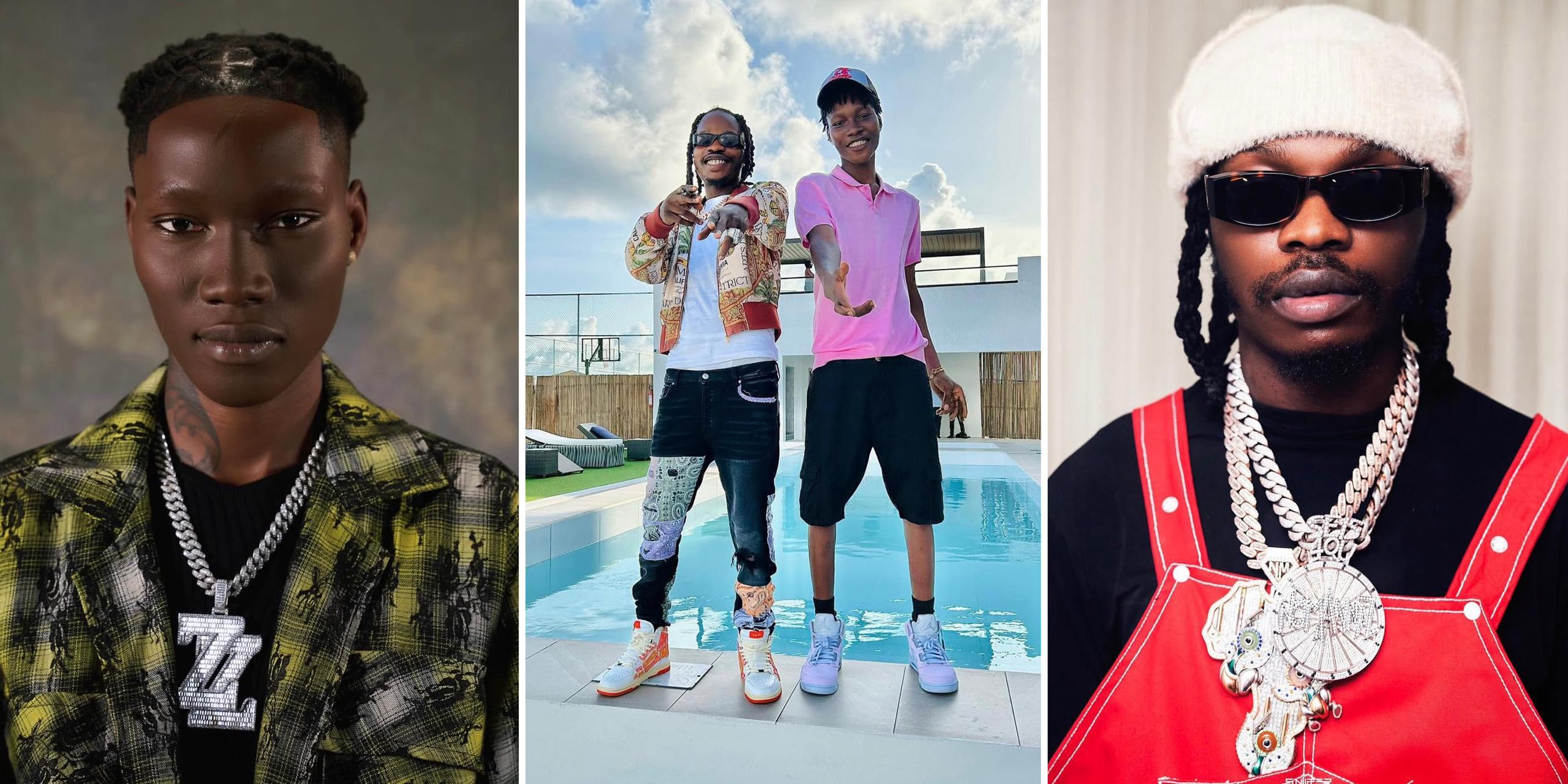
They are two men bound by music, myth, and a label that once defined a generation of street-pop. Zinoleesky — soft-voiced, melodic, and spiritually Gen-Z, rose from Agege’s cramped lanes to become one of Nigeria’s most streamed young stars.
Naira Marley, the swaggering founder of Marlian Music, became an emblem of defiance long before he became a lightning rod for national outrage. Their relationship as artist and label head or protégé and chief, has shaped careers, sparked controversy, and exposed fault lines in Nigeria’s exploding music industry. Together they represent the promise, power, and peril of a label built on charisma and chaos.
I. Zinoleesky: The Quiet Fire From Agege

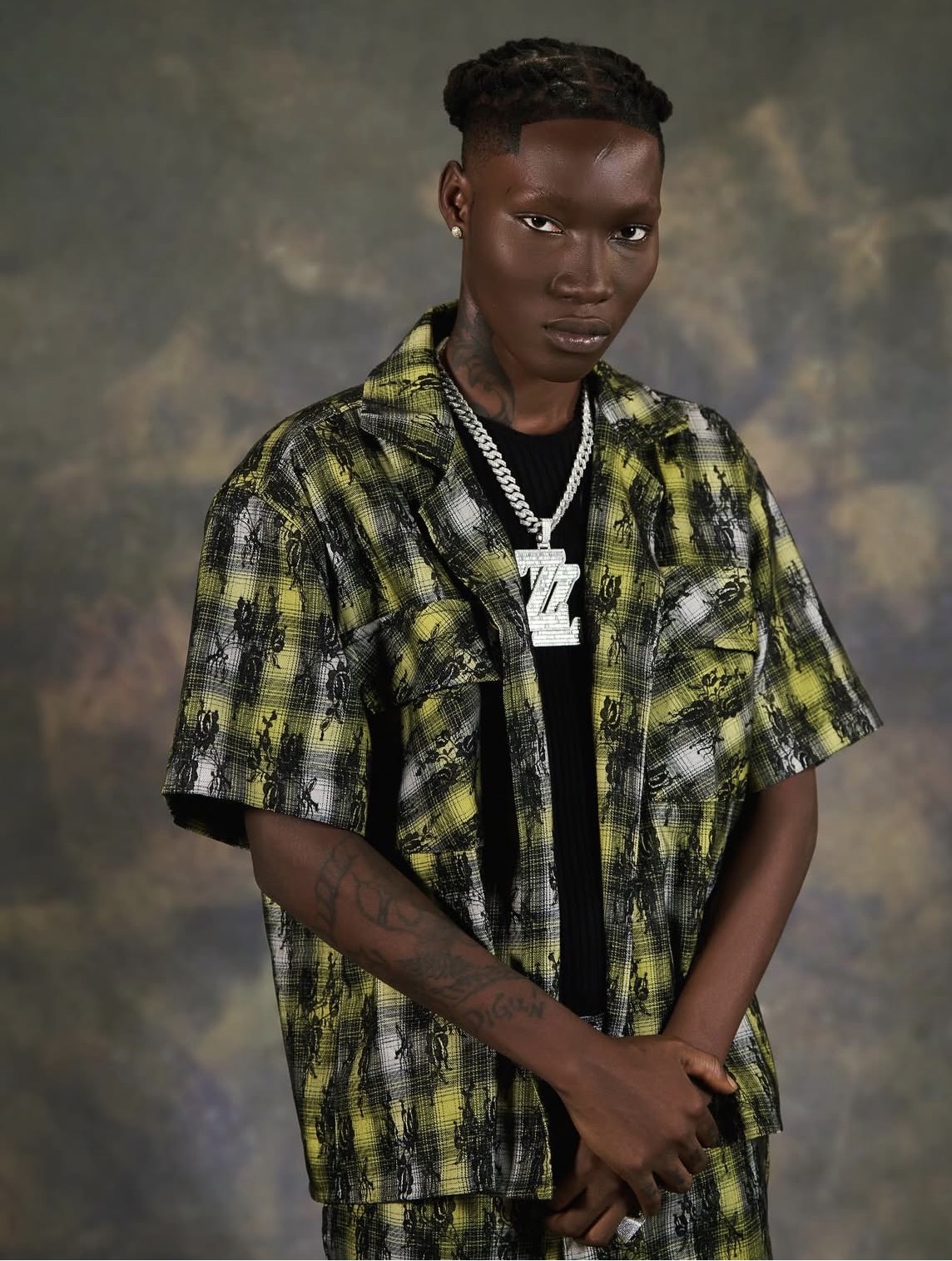
If Lagos is a city of noise, Zinoleesky built a career from the spaces between the noise and the gentle pockets of melody that drifted out of his Agege neighborhood. Born Oniyide Azeez, he wasn’t launched by PR machinery or industry muscle. His first platform was the internet, via freestyle videos recorded on cheap phones, circulated on WhatsApp groups, Instagram pages, and the unpredictable algorithmic river of the Nigerian online street.
By the late 2010s, Zinoleesky had become that kid everyone reposted. He became the one whose voice sounded too polished to belong to someone still hustling data money. His modest consistency and melodic instincts earned him a cult following long before corporate playlists knew his name.
What first set him apart was melodic economy via the ability to craft small hooks that live rent-free in people’s minds. “Ma Pariwo” marked that transition from viral to mainstream. The song wasn’t loud or aggressive, it whispered and floated. Then came “Kilofeshe,” the hit that cemented him as one of street-pop’s most bankable young acts.
Signing to Marlian Music in December 2019 gave Zinoleesky the support structure he’d never had. Under the label, he released the Chrome Eccentric EP in 2020, followed by hit-laden projects such as Grit & Lust and, in 2025, the generationally confident Gen Z, a full-length album that signaled his desire to define the sonic vocabulary of his age group.
Zino’s appeal sits at the intersection of softness and grit. Unlike older street-pop acts, who built their identities on raw bravado, Zinoleesky’s strength is emotional accessibility. His voice carries that feather-light ache — heartbreak, hustler fatigue, I-miss-you-but-I-won’t-text-you energy — layered over beats that blend Yoruba rhythms with Afropop modernity.
He is, in many ways, the perfect pop star for a generation fluent in pain and memes.
II. Naira Marley: Provocateur, Kingmaker, Lightning Rod

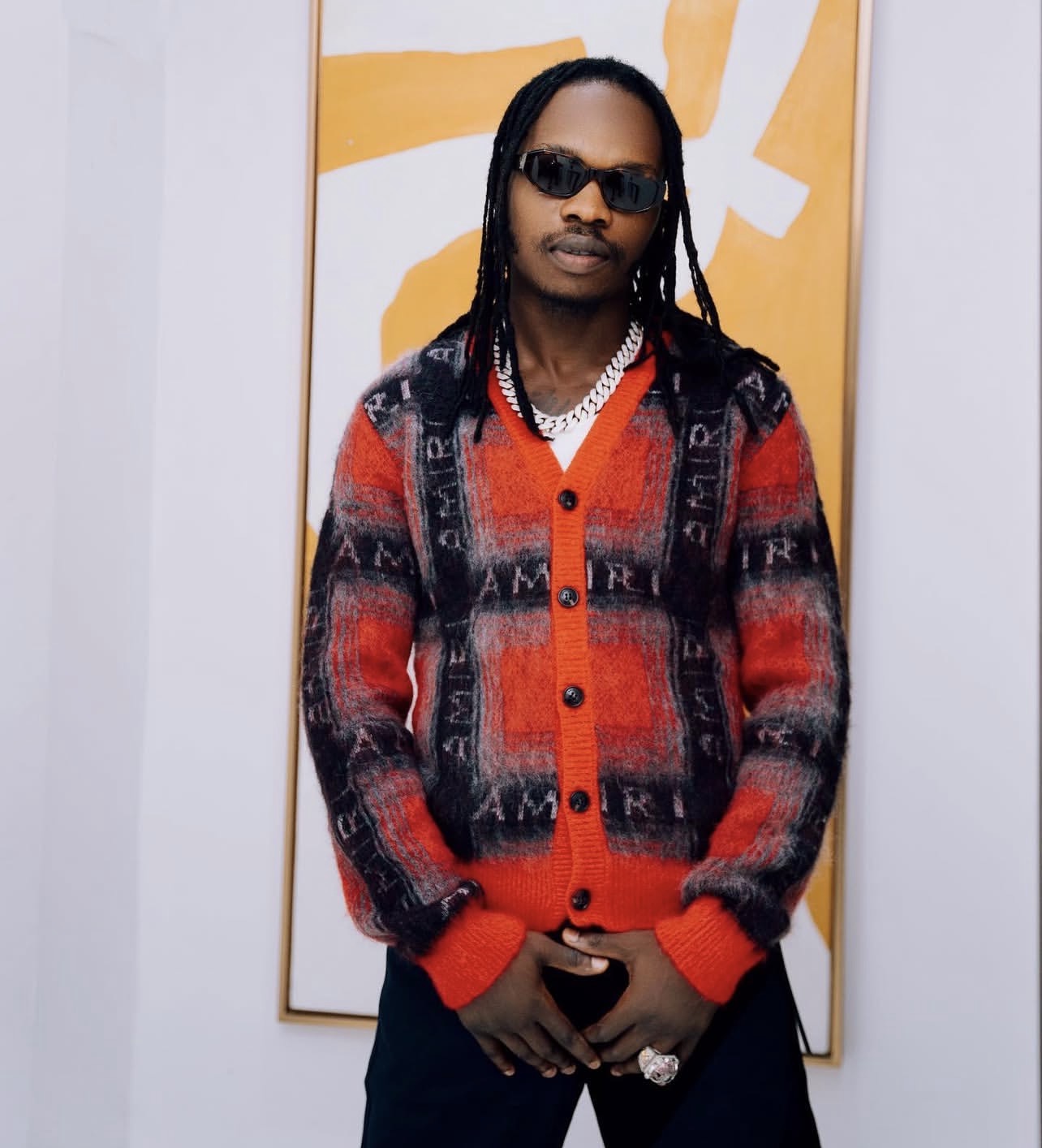
To understand Zinoleesky’s story, you must understand the man who signed him.
Azeez Adeshina Fashola aka Naira Marley didn’t just join the Nigerian music scene; he detonated inside it. He was raised between Nigeria and Peckham, South London, immersing himself in grime, road culture, and diaspora swagger.
When he returned to Nigeria and released hits like “Issa Goal”, he brought with him a new kind of pop rebellion that is streetwise, lawless in tone, and magnetic to young Nigerians fatigued by rules that never protected them.
Naira Marley styled himself as both leader and symbol of his fanbase called the Marlians. A subculture defined by freedom, chaos, and a cheeky disdain for moral policing. When he founded Marlian Music, it looked at first, like an artistic commune: a place where raw talent could grow, where young street-pop acts could rise without bending to traditional industry structures.
But Naira’s persona was always double-edged. His run-ins with the law, especially the 2019 EFCC arrest and other widely publicized probes, made him a divisive figure. To some, he was a victim of selective policing; to others, a poster child for moral decay.
Still, controversy created oxygen. Under his leadership, Marlian Music became one of the most vibrant street-pop incubators, signing acts like Mohbad, CBlvck, Fabian Blu, and the crown jewel: Zinoleesky.
Yet even at its peak, the label felt like a house built on unstable ground.
III. The Marlian Era: Brotherhood, Business And Blind Spots

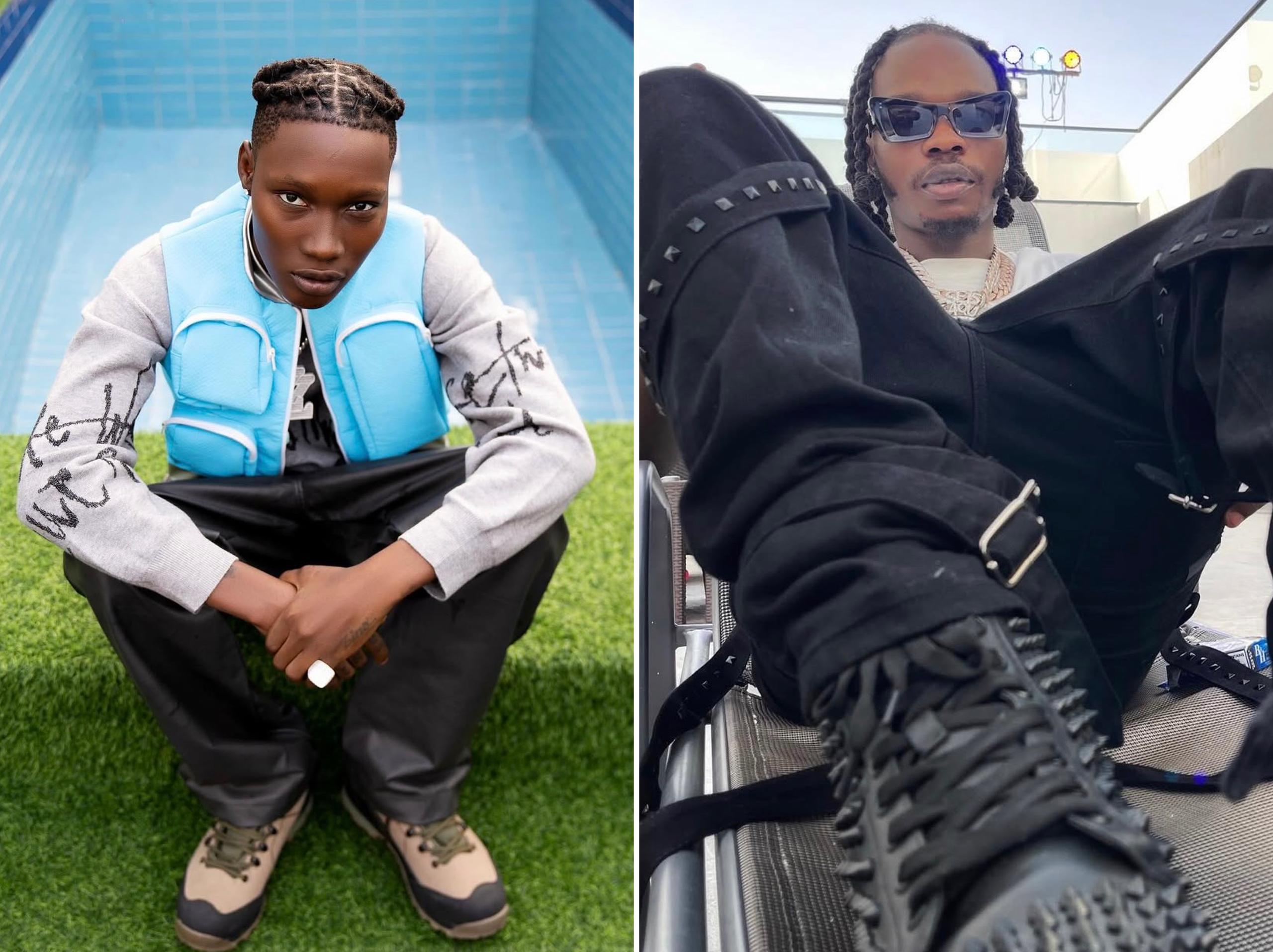
When Zinoleesky joined Marlian Music, the pairing made cultural sense. Naira offered street credibility, visibility, and a built-in fanbase. Zino brought youth, melody, and the ability to soften the Marlian aesthetic for mainstream listeners.
Inside Marlian Music, the vibe projected to the public was one of camaraderie, a sort of “brotherhood.” Zinoleesky often referred to Marley as “big bro,” while Marley highlighted Zino as proof that Marlian Music was more than controversy; it was a talent pipeline.
The early years showed results:
• Multi-million-view videos
• Street anthems
• Sold-out shows
• A loyal, aggressive fanbase
Zinoleesky’s music became one of the label’s strongest cultural exports.
But beneath the hits, fault lines formed. These cracks widened with the tragedy that would change everything.
IV. Mohbad’s Death & The Earthquake In The Marlian Universe

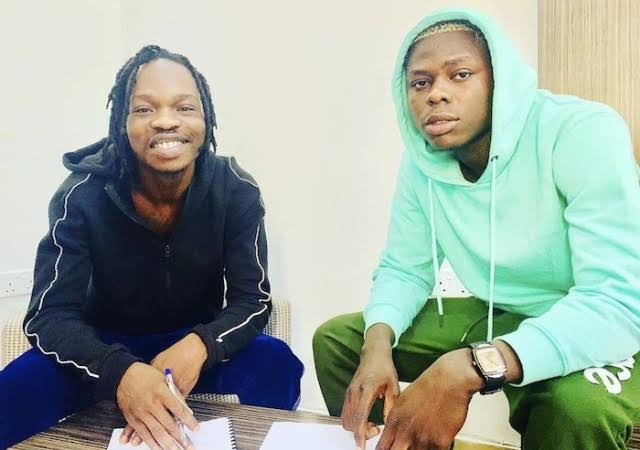
In September 2023, the death of Ilerioluwa Oladimeji Aloba aka Mohbad sent shockwaves through Nigeria. The 27-year-old, formerly signed to Marlian Music, had spent months publicly alleging bullying, extortion, and mistreatment from some figures within his former label ecosystem.
His passing ignited:
• Nationwide #JusticeForMohbad protests
• Online outrage and citizen-led investigations
• Police probes
• Political interventions
• Media exposés
• A cultural reckoning about artist welfare
Although Naira Marley repeatedly denied any wrongdoing, the public narrative largely placed him at the center of scrutiny. He was detained for questioning. His associates were questioned. His legacy became entangled with grief and anger.
The Marlian brand that was once a youth movement became a symbol of something darker. It turned into a cautionary tale about power imbalances in an unregulated industry.
For Zinoleesky, the ripple effect was immediate and severe.
He had no public links to Mohbad’s allegations, nor was he implicated in any legal filing. Yet he faced online harassment, unfollow campaigns, and calls for boycotts simply for being signed to Marlian Music.
The Marlian umbrella was collapsing, and everyone beneath it felt the tremor.
V. Two Men, One Label, Different Fates

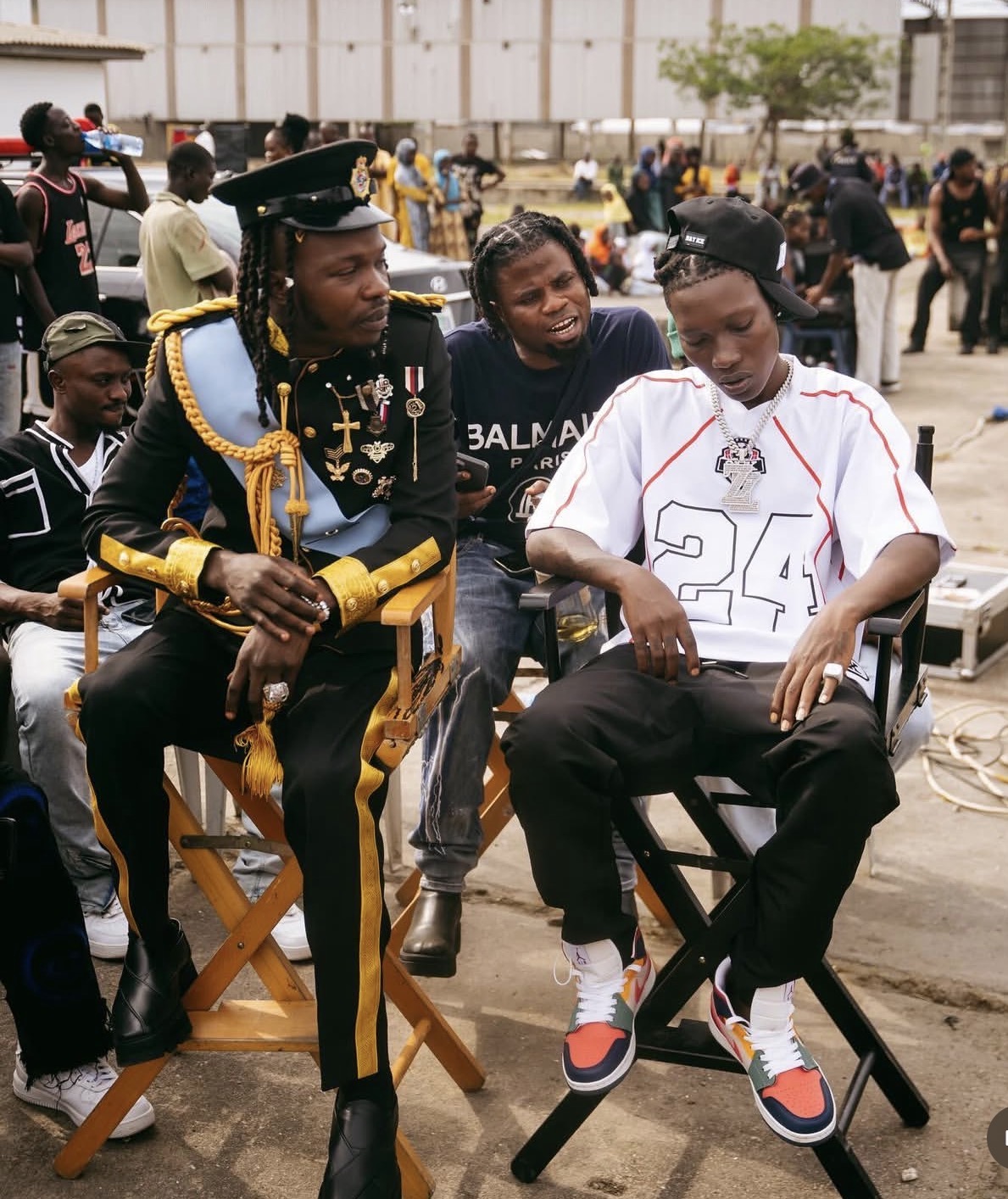
Zinoleesky’s career barely survived, but beautifully.
His releases continued to stream. His fanbase, though shaken, remained. His 2025 album Gen Z found success, proving that the young singer’s talent could outlast the noise.
But the Marlian tag still haunts him. It hangs over him like a shadow he didn’t create but must now constantly navigate.
Naira Marley’s fate remains uncertain.
Once a cultural forcefield, he is now one of the most polarizing figures in Nigerian entertainment. Some still see him as a misunderstood street king; others view him through the lens of Mohbad’s tragedy. Investigations, public scrutiny, and ongoing debates continue to shape his place in the story of Nigerian pop.
VI. The Broader Industry Question

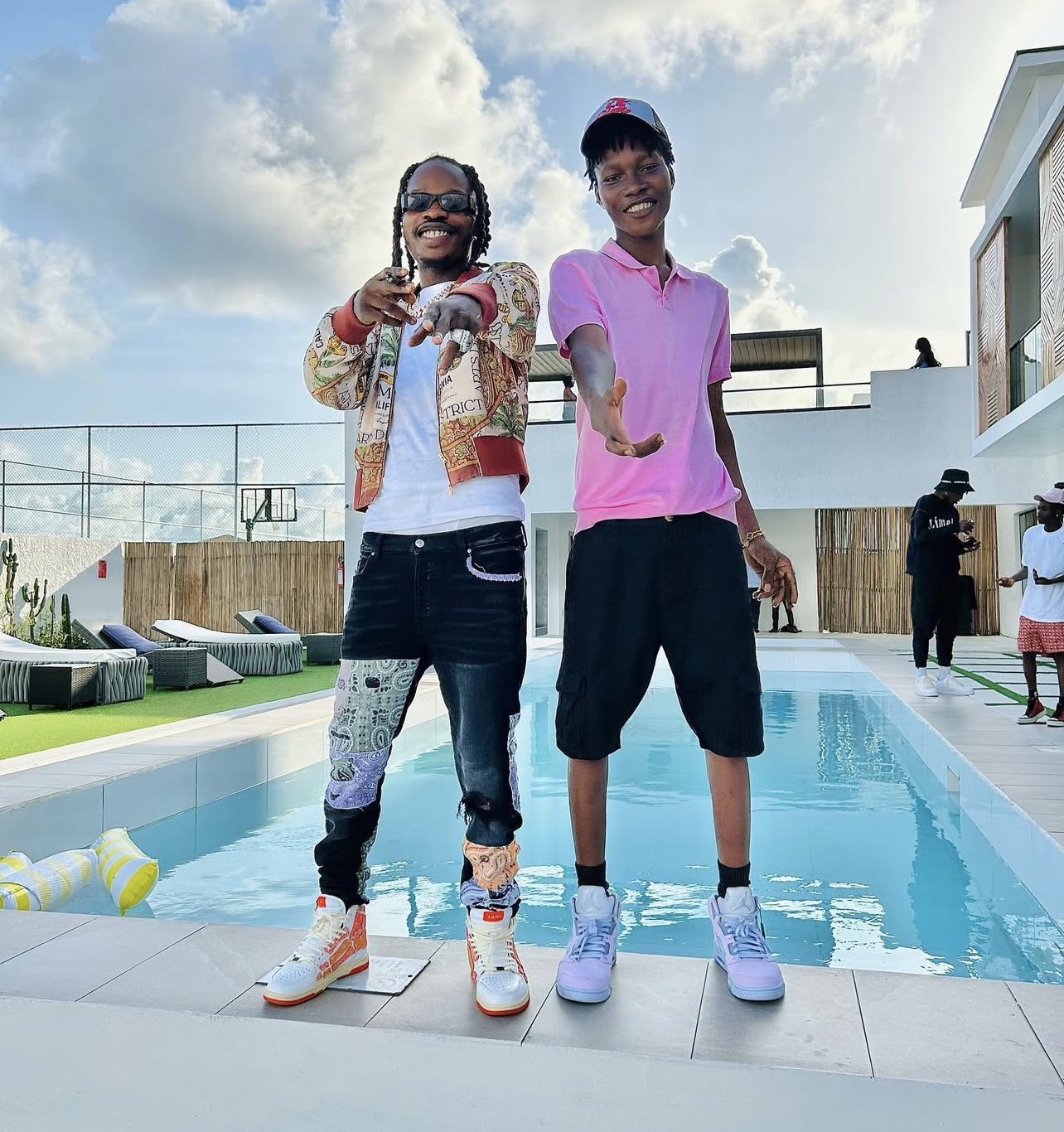
The Zinoleesky–Marley story highlights something larger than personality or scandal. It is about how Nigeria’s music industry has grown faster than the systems meant to regulate or protect it.
Mohbad’s death exposed:
• The absence of neutral conflict-resolution channels
• The blurred lines between friendship and business
• The lack of contract transparency
• The power imbalance between young artists and label bosses
• The cultural danger of charismatic leadership without accountability
Zinoleesky’s rise, meanwhile, shows what works:
• Organic street-pop discovery
• Digital virality
• Youth-centered melodies
• Artist-first storytelling
Together, the pair reveal an industry at a crossroads, caught between old chaos and new professionalism.
Conclusion: Where They Stand Today

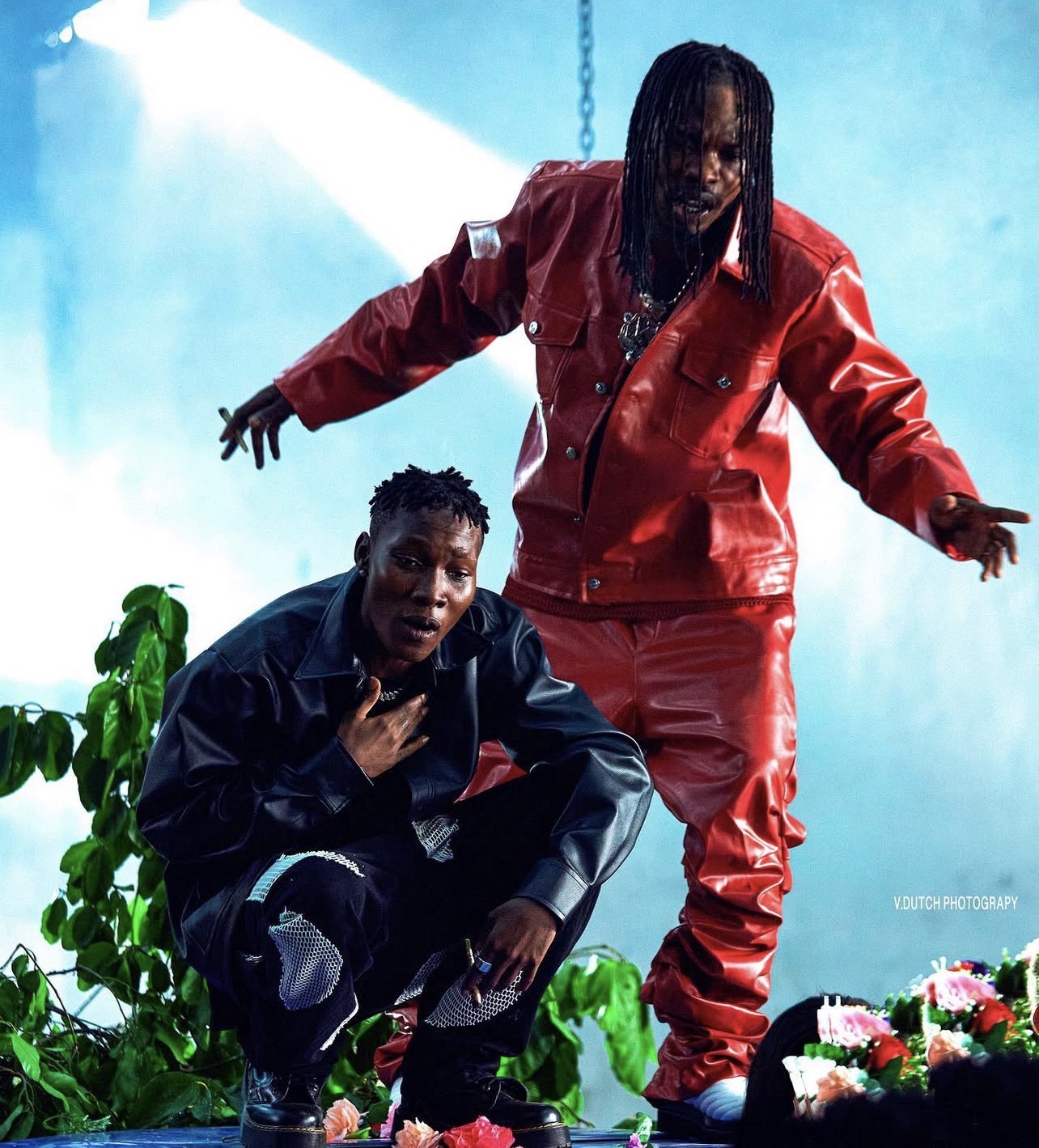
Zino is still signed to Marlian Music as of Monday, November 24, when he debunked claims of leaving the record label. He is still rising, still melodic and still navigating a complicated label legacy. His music remains one of the strongest arguments for why Marlian Music mattered in the first place.
Naira Marley himself is still influential, controversial, battling public perception and still central to every conversation about industry reform.