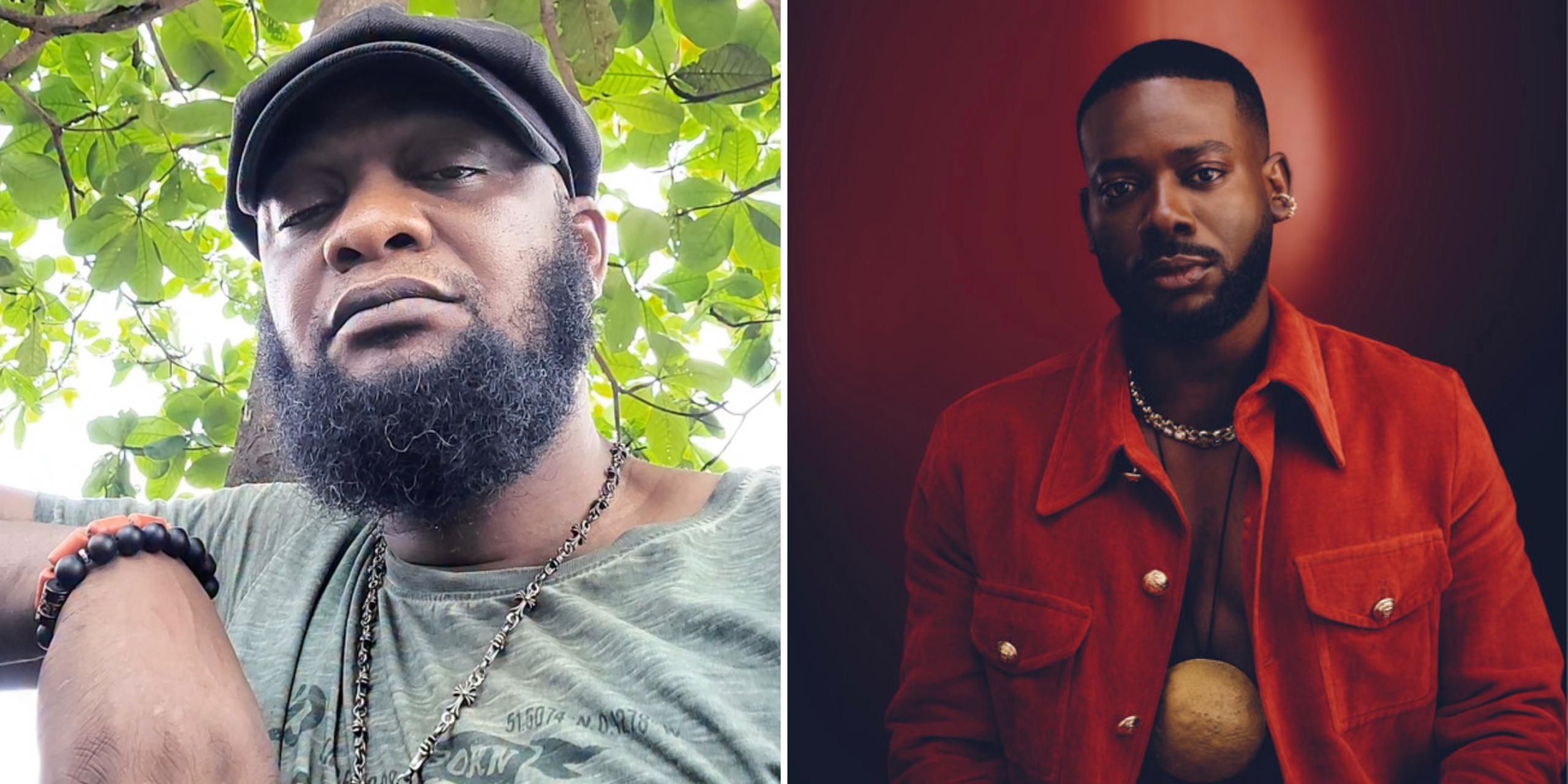
A veteran of Nigeria’s early-2000s Afro-hip-pop era and a modern Afropop star found themselves at the center of a sudden, very public dispute this week. Jazzman Olofin, the Agege-born singer who rode the era’s ‘highlife-meets-hip-hop’ wave to a string of street anthems has accused Adekunle Gold of incorporating and performing elements of his classic “Raise Da Roof” during a London concert without prior clearance or collaboration. The story is at once about one song and about much larger questions: how older catalogues are honoured (or not) by today’s stars, the value older artists place on recognition, and the musical throughlines connecting generations of Nigerian pop.
Jazzman Olofin — the veteran voice behind the street anthem


Born Olumuyiwa Olofinkuade Olajide and raised in Agege, Lagos, Jazzman Olofin rose to prominence in the early 2000s. His sound is a collage of hip-hop energy, highlife and Fuji textures, and an approachable streetwise persona. It made tracks like “Raise Da Roof” and singles such as Lollypop, Eko Ile and Iyawo staples on Nigerian airwaves and clubs. He cut records with notable producers of that era (OJB Jezreel appears on credits for some work) and collaborated with artists across genres such as Adewale Ayuba featuring on the signature “Raise Da Roof.” Over the years he’s remained active, releasing compilations and “best of” packages and returning periodically to the scene with singles and features.
Adekunle Gold — modern Afropop’s conscious showman

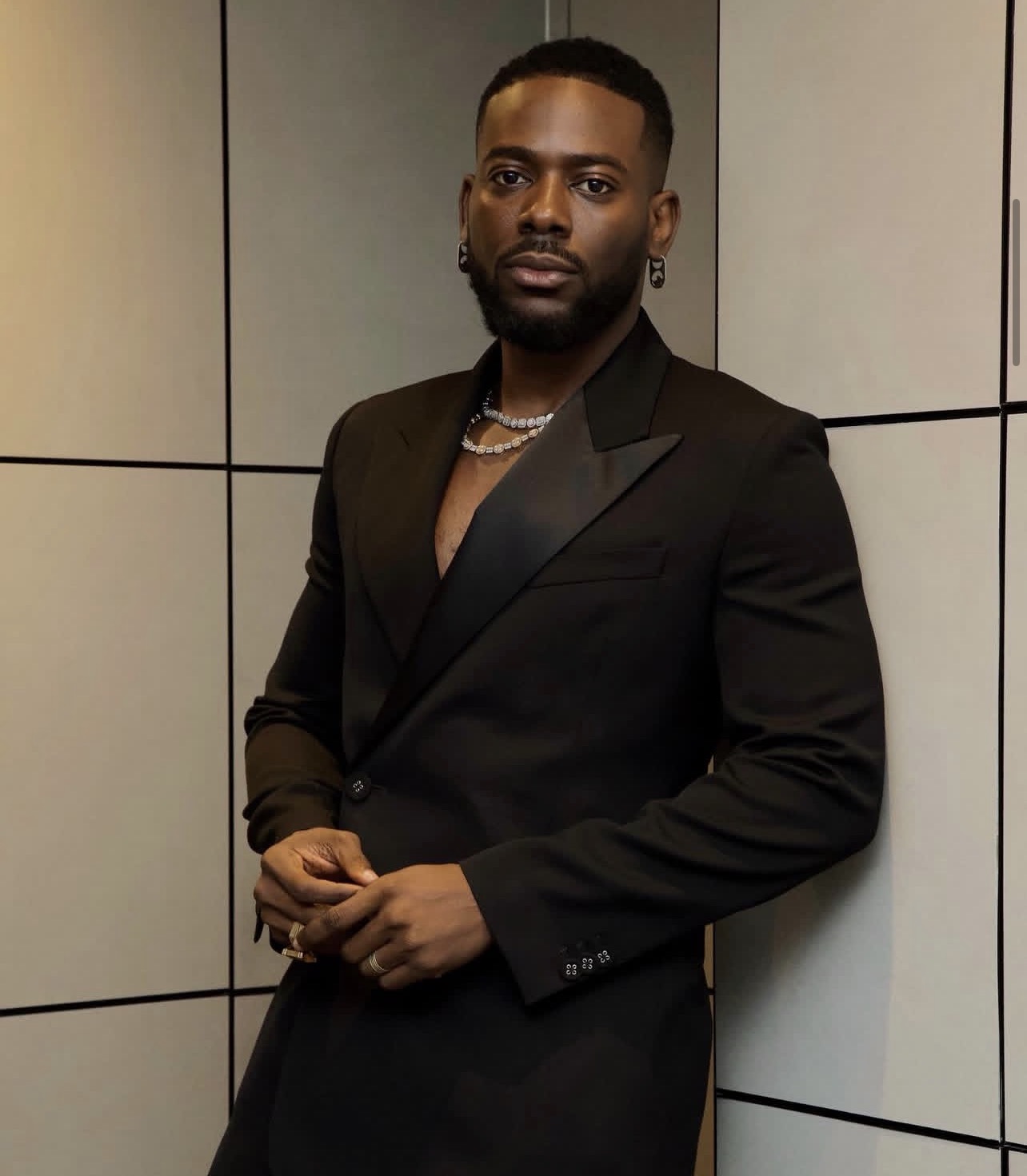
Adekunle Almoruf Kosoko, popularly known as Adekunle Gold or “AG Baby” emerged a decade later, first as a designer-turned-musician who built attention with a soulful highlife cover (“Sade”) and later matured into an Afropop auteur. He is known for tight songwriting, frequent stylistic shifts (from highlife to Afropop to recent work that leans into Yoruba folk and fuji motifs), major label deals (including a Def Jam signing), and increasingly lavish live productions. In 2025 he presented a fuji-influenced project and staged high-profile performances abroad, where he’s experimented with full bands and orchestral arrangements. Adekunle’s career sits comfortably on both critical acclaim and commercial visibility.
The moment that sparked headlines


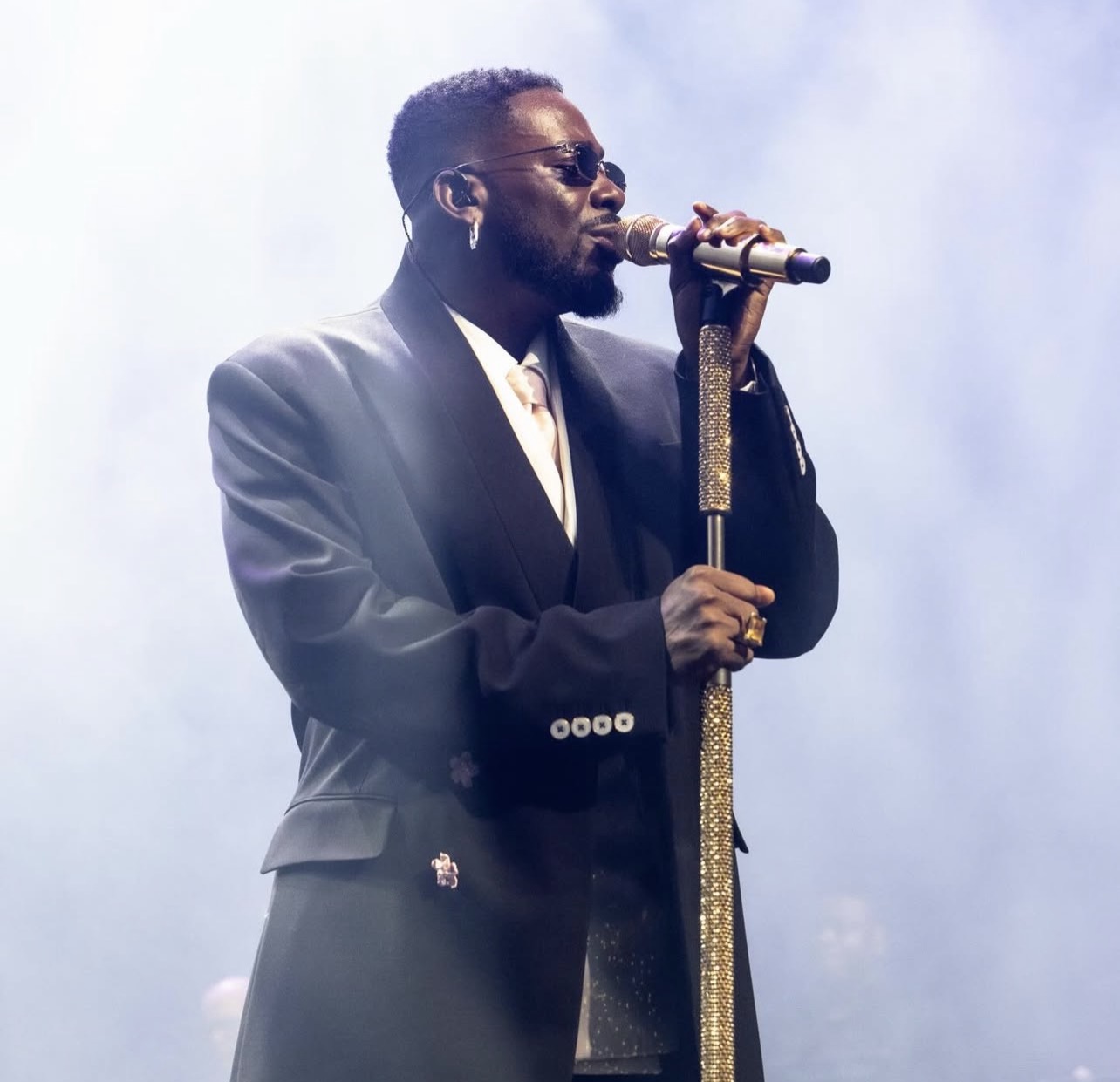
The dispute surfaced after Adekunle Gold’s recent London performance, where he delivered a full-band set that included several re-arranged sections and transitions built on familiar Nigerian melodies. Among those musical interludes was a sequence whose rhythm, call-and-response pattern and melodic phrasing closely echoed Jazzman Olofin’s early-2000s hit “Raise Da Roof.” The segment appeared brief and embedded within a longer medley, but it was clear enough for longtime listeners and eventually for Jazzman himself to identify.
Clips from the concert began circulating on social platforms shortly after the show, posted by attendees who highlighted the nostalgia value of the moment. What fans described as a light homage quickly took on a different meaning once Jazzman Olofin publicly commented.
In a post that gained traction across entertainment pages, he stated that the use of elements from his song had occurred without prior communication, clearance, or acknowledgment, and he questioned why his work was being incorporated into a high-profile international performance without his consent.
The comment shifted online discussion from general excitement about Adekunle Gold’s London appearance to the underlying issue of rights and recognition. Netizens who had shared the concert video began framing it within a broader conversation about how legacy Nigerian hits are reused by contemporary acts, particularly in live settings where clearances are often treated informally. As the clip spread, media outlets aggregated Jazzman’s response, spotlighting a dispute that until that point had not existed publicly between the two artists.
What might otherwise have passed as a routine stage interpolation became, through Jazzman’s intervention, a flashpoint that exposed ongoing industry tensions around intellectual property, crediting practices, and generational respect. It marked the first time the pair had been linked in a controversy, drawing attention not only to the performance itself but to the question of how veterans expect their catalogues to be treated when referenced by newer stars.
Musical DNA
At a musical level, Jazzman Olofin epitomized a period when Nigerian pop was restless and experimental: rappers, highlife singers and Fuji performers crossed paths on beats that could be street or ceremonial. “Raise Da Roof” which was produced in the early 2000s and featuring Fuji star Adewale Ayuba on some versions captured that hybrid energy.
Adekunle Gold, for his part, has spent much of his career mining older Nigerian idioms (highlife, Yoruba folk and, recently, fuji), reviving and polishing them for contemporary, global audiences. When modern performers reference such songs intentionally or not, they tap into a collective memory that can uplift both catalog and current creative intent, but it can also reopen grievances when proper lines of communication aren’t observed.
What Jazzman Olofin is saying


Reacting to the performance, the singer wrote:
“I’ve got no issue with an artiste freestyling another artist’s song on stage for a second as a sign of respect. It’s cool.”
“BUT when you go through a great length to actually rehearse my 22-year-old monster hit song with your one million man live band… haba.”
He added that he may not be making the same type of music as the new generation but he is still active and deserves proper recognition. He continued:
“I may be a little too old to be singing your generation’s music, but I’m certainly not too old to spend your generation’s money. Mr @adekunlegold, I’m still actively performing. Don’t beat around the bush. Next time, call baba.”
In an Instagram post, Jazzman Olofin used the moment to clarify long-standing misconceptions about the origins of “Raise Da Roof.” He emphasised that the hit was not a remix of Adewale Ayuba’s Bubble, a belief he says has lingered for decades.
According to him, the connection came only because Ayuba, whom he invited as a guest artiste, opened the track with a familiar line from his earlier album singing “It’s bubbling, ko maa bubble.” The rest of the chorus, Jazzman stressed, along with the first two verses, were written entirely by him, while Ayuba’s verse was jointly crafted by both artistes.

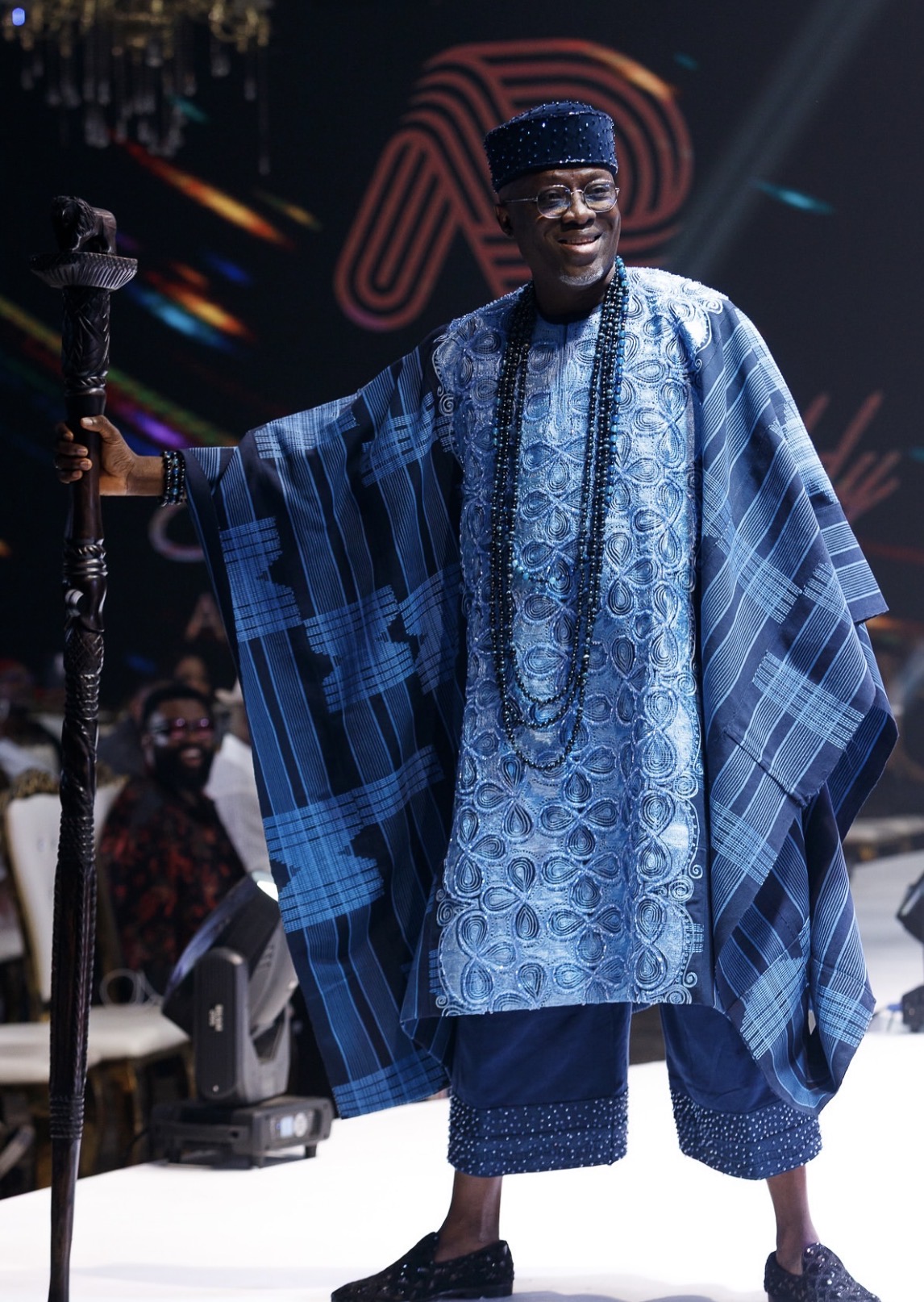
Jazzman also used the opportunity to place the collaboration in wider context. Before Raise Da Roof, he had already written a song intended for his own project but later handed it over to Ayuba because the Fuji star “liked it and didn’t mind recording it.” That track, featuring Jazzman and his former X-Appeal partner Lexzy Doo eventually appeared on Ayuba’s album Gun Shot, making it, in Jazzman’s view, the first true Fuji–hip-hop collaboration long before many listeners realised such crossovers existed.
He reiterated that his entry into the industry began primarily as a songwriter, not a singer, and that much of his early work involved crafting material for others. By his telling, Ayuba’s later appearance on Raise Da Roof was a natural continuation of a creative exchange that started years earlier.
Jazzman concluded by lamenting the absence of comprehensive, reliable music-history archives in Nigeria — platforms that could have preserved accurate accounts of how songs like Raise Da Roof were made, and avoided the confusion he is still correcting today. See screenshot below: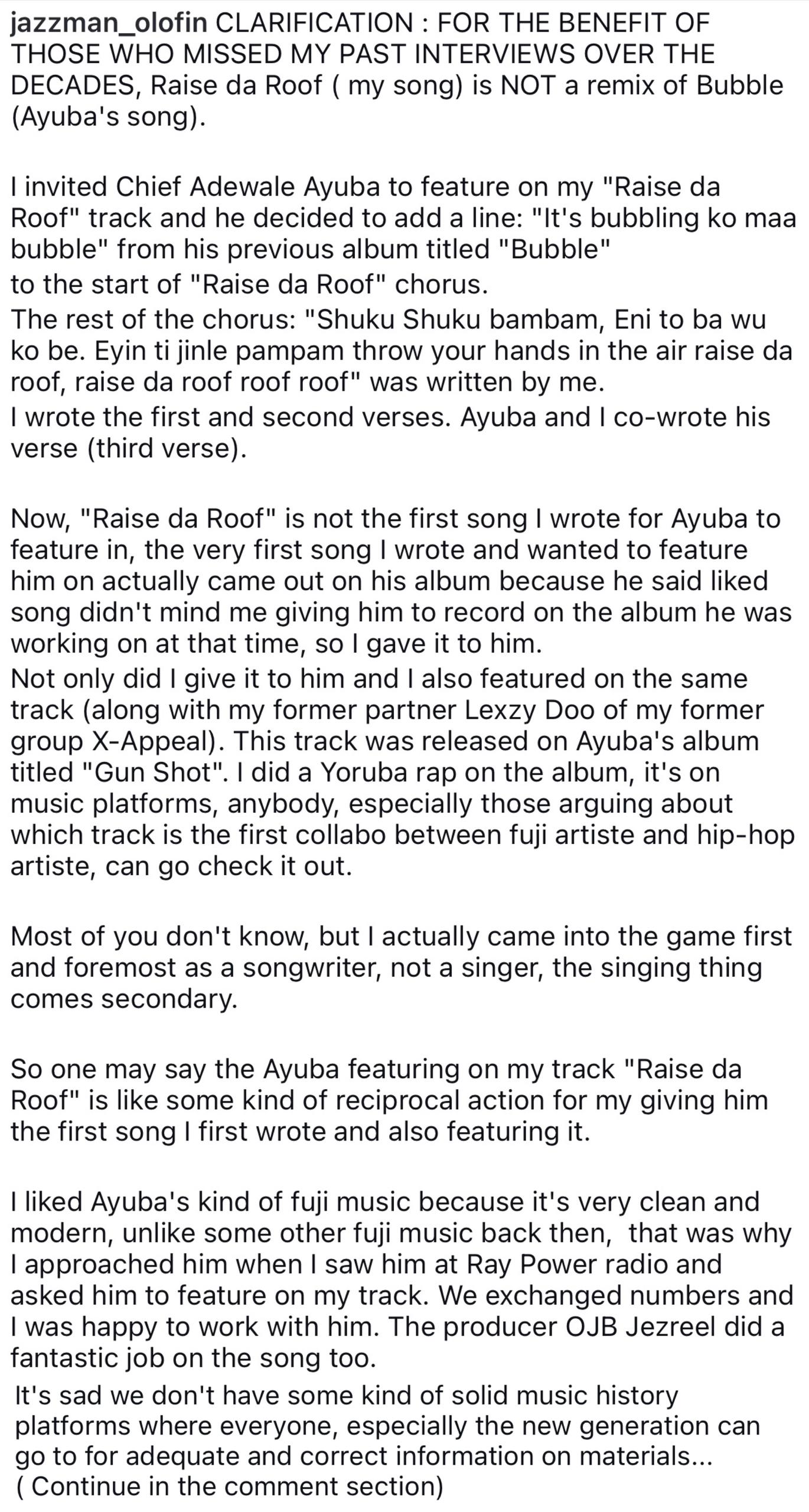

Industry context — precedents and pitfalls
Across global pop music, cases of purportedly uncredited sampling or live interpolation have become legal and reputational flashpoints. In Nigeria, where intellectual property enforcement can be inconsistent and where many early hits were produced in less corporate structures, the paperwork that later generations expect is sometimes missing. That complicates easy resolution: a song’s cultural ownership may be clear to fans and peers, but formal rights (publishing registrations, split sheets, recorded samples cleared) may not be. This gap creates both opportunity for collaboration and space for disputes.
What to watch next — possible outcomes
1. Acknowledgement and credit: the most straightforward fix is public credit, royalties or a collaboration that lifts Jazzman’s profile (and earnings).
2. Private settlement: negotiations behind the scenes that might include licensing fees or co-crediting.
3. Escalation: if neither party reaches an agreement, the story could move into formal legal claims. Although those are slower and depend on documented rights.
4. Collaborative opportunity: the dispute could become a bridge: a sanctioned rework, remix or joint performance that benefits both parties and reframes the moment as intergenerational exchange.
Conclusion
If handled thoughtfully, this episode could serve as a constructive case study: how contemporary stars can elevate and compensate the architects of sounds they borrow from; how legacy artists can preserve both cultural dignity and potential commercial upside; and how managers, labels and festivals can standardise clearance practices for live shows, especially on international stages. For fans, it’s a reminder that the songs we love don’t appear from nowhere: they’re part of a chain, and when that chain snaps, the music industry’s most human tensions show up onstage.