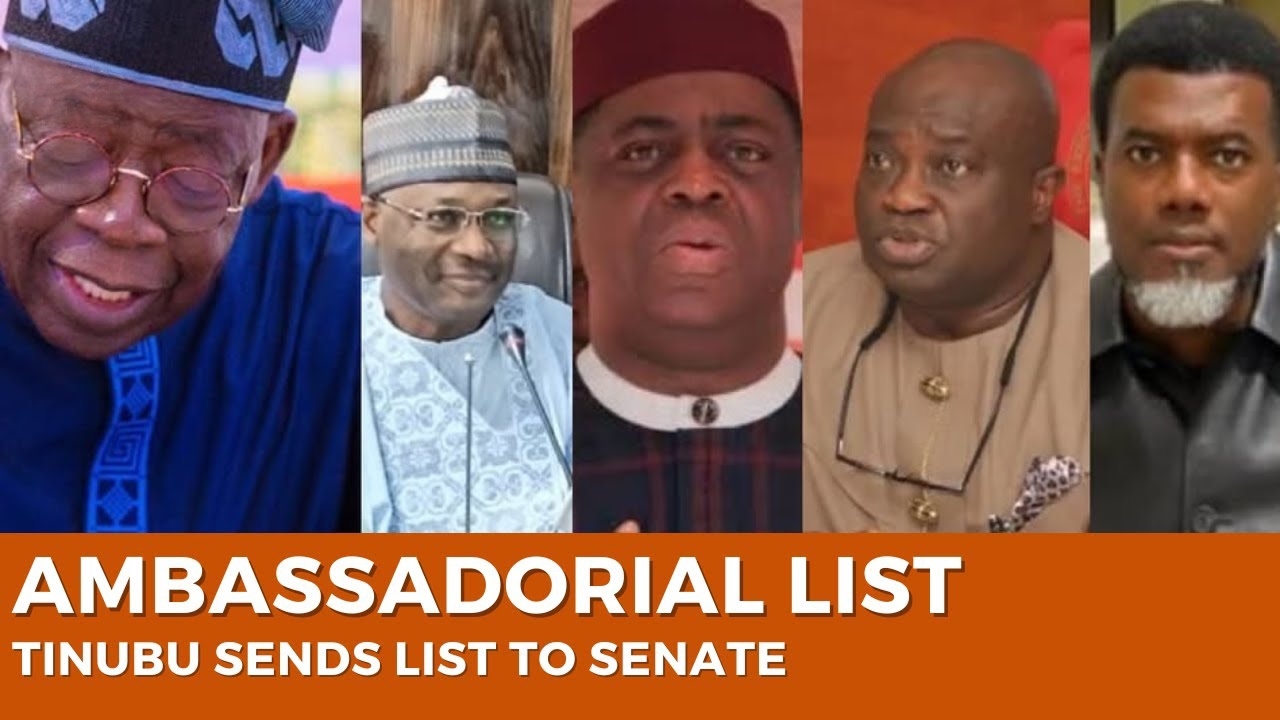
On a quiet morning in late November 2025, something that looked simple on the surface suddenly stirred the entire country. The Presidency sent a bundle of thirty two new ambassadorial names to the Senate, just days after the first batch of three had gone forward. No ribbons, no drama, just a cold list.
But the moment the names started circulating, the country reacted like fire touched dry grass. People began to argue about political weight, foreign policy direction, loyalty mathematics, gender balance, competence, and the long silence that had swallowed many of Nigeria’s missions abroad.
The reason it shook the room is simple. For long stretches of time, many Nigerian embassies abroad were running with only officers in charge instead of fully credentialed ambassadors.
Critics had called it a national embarrassment, business groups complained about missed opportunities, diplomatic watchers noted that Nigeria was slowly losing visibility at a time when global politics was shifting fast. So when thirty two names suddenly arrived, it felt like a foreign policy reset was beginning.
But another thing stood out. The list was not made of only seasoned career diplomats. It had heavy political figures, some with long shadows, some controversial, some praised, some doubted, some completely unexpected. The blend itself became the headline.
This is the story behind those names, the reactions, the calculations, the deeper meaning hidden behind the dates and numbers, the way thirty two people became the new frontline of Nigerian diplomacy.
This List Is Significant
The Presidency said it clearly. The submission was made to the Senate in November 2025, thirty two new ambassadorial nominees. This was days after the first batch of three went in, bringing the running total to thirty five nominees in less than one week.
Out of the thirty two, fifteen are career diplomats, seventeen are non career individuals, meaning political picks. The career block includes four women, the non career block includes six women.
It is not random, nothing about this list is random. And that is why people reacted the way they did.
From the very first sentence of the announcement, seasoned watchers already sensed that the administration wanted to blend experience with political muscle. The numbers themselves show that, fifteen experts, seventeen political figures, a narrow balance leaning slightly toward the political side.
Then the real noise began when the bigger names appeared.
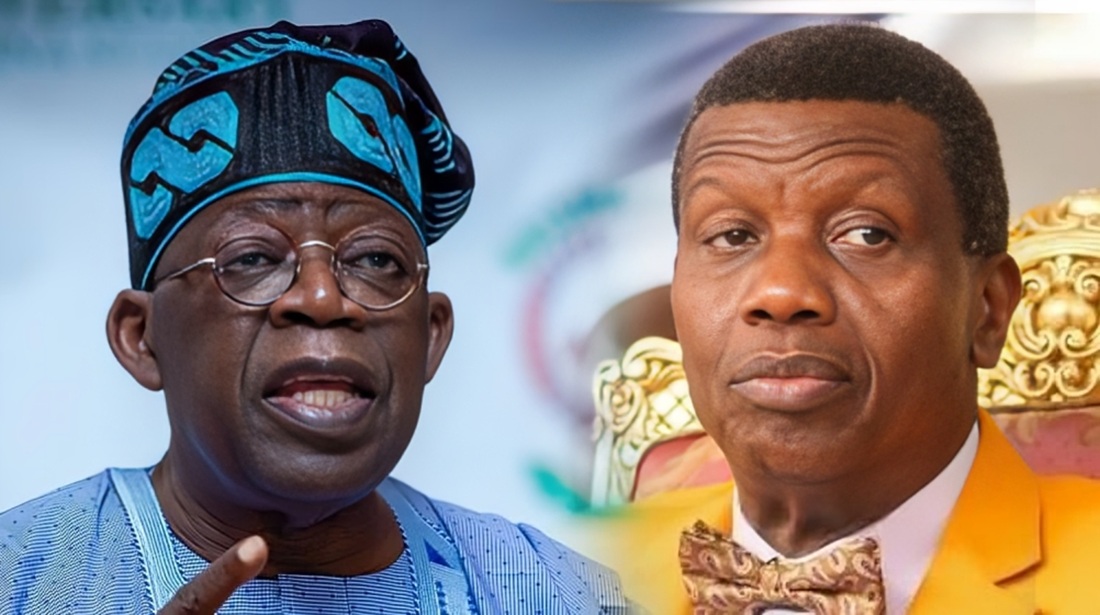
Reno Omokri
Femi Fani Kayode
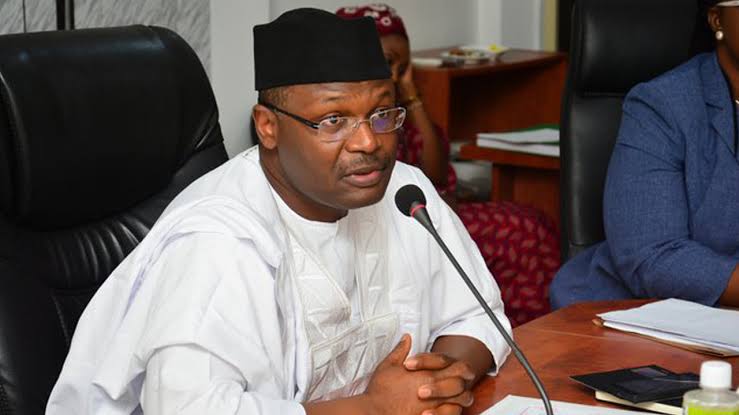
Mahmood Yakubu
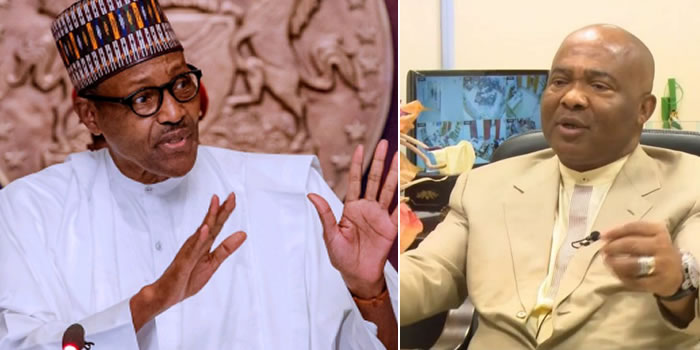
Ifeanyi Ugwuanyi
Okezie Ikpeazu
Every one of these names has been in the centre of Nigerian politics for years. Every one carries weight, history, friends, fights, stories, and now they are all on a list of people who might represent Nigeria in strategic capitals across the world.
That was the exact moment when the public stopped reading and started talking.
Those names that carry influence
Let us look closely at the non career figures who made the list. These are not quiet people. They are not invisible people. They are not unknown people. They all have long political footprints.
Reno Omokri
A former presidential aide, social media warrior, known for his global activism, nonstop commentary, and his ability to trend without even trying. People either strongly agree with him or strongly disagree with him, but nobody ignores him. His inclusion on the list immediately sparked debates about whether influence and reach are now part of diplomatic qualification.
Femi Fani Kayode
Former Aviation Minister, one of the most polarising political commentators of the last two decades, an orator who speaks like he is standing on a stage even when he is sitting down. For years, he has been a loud actor in Nigeria’s political theatre. His nomination triggered reactions that came in waves, some clapped, some questioned, some shook their heads slowly.
Mahmood Yakubu
Immediate past Chairman of the Independent National Electoral Commission, under his leadership Nigeria held the 2023 general elections, an event that still generates discussions today. Seeing his name on an ambassadorial list pushed the conversation into a fresh territory. Supporters see experience, critics see reward, but everyone sees significance.
Ifeanyi Ugwuanyi and Okezie Ikpeazu
Two former governors, two different states, one long trail of political presence. Their names signal that the Presidency is pulling people who have governed territories, handled crises, and managed political networks.
This entire block of non career nominees is what gave the list its heat, and it is also the part the public reacted to the most.
The quiet but strong career diplomats
Behind the louder names are the career officers. This is where the backbone of the foreign service sits. Names like Wahab Adekola Akande, Ahmed Mohammed Monguno, Muhammad Saidu Dahiru, and Olatunji Ahmed Sulu Gambari represent decades of steady service.
These are people who have served in missions, handled diplomatic folders, learned protocol deeply, and moved through the ranks slowly. Their presence is the stabilising force inside the thirty two.
The Presidency confirmed that these career diplomats come from different states and cover multiple backgrounds. They bring technical knowledge, structure, and routine that keeps embassies functioning.
Some analysts say the administration is trying to plug a professional gap. If you flood a diplomatic circle with mostly political appointees, missions can lose stability. By keeping fifteen career officers in the mix, the Presidency signals that competence is still part of the formula.
But even here, the reactions were not quiet. A few critics asked why some respected diplomats were left off the list, others asked why certain states got more representation than others. Compared to the political names, the noise around this block was lighter.
Where these people fit in the global chessboard
According to the Presidency, if the Senate confirms them, these envoys will head to strategic capitals, China, India, South Korea, Canada, Mexico, United Arab Emirates, Qatar, South Africa, Kenya, and major multilateral missions like the United Nations, UNESCO, and the African Union.
The list of destinations tells you everything about Nigeria’s diplomatic priorities. China remains one of Nigeria’s largest trading partners, India is a major commercial partner and home to one of the biggest Nigerian diaspora communities in Asia, South Korea is now a key technology and investment source, the United Arab Emirates remains a diplomatic corridor, South Africa is the continental heavyweight where Nigeria must maintain presence, Kenya is the East African power centre for trade and diplomacy.
Sending ambassadors to these places is not casual. It is strategy.
The Presidency also said more appointments may follow. This is phase one, not the entire project.
The reactions that spread everywhere
The reactions came fast and scattered. Some former officials praised the list, saying it was long overdue, Nigeria had too many vacancies abroad, and the country was losing visibility and business deals.
Others looked at the list and frowned, questioning the political picks, wondering if diplomacy was turning into a stage for political recycling. One comment that went viral was a simple question, Who did this to us. It captured the frustration of people who felt some names were chosen for politics, not competence. The comment spread because it captured a mood. Even people who supported the administration understood why the question was being asked.
There were also deeper concerns. Embassy maintenance in many countries has been in poor shape for years, staff shortages, funding delays, buildings that need repairs. Critics asked how new ambassadors will perform if the missions remain underfunded.
These reactions were not just noise. They reflected genuine anxiety about the state of Nigerian diplomacy.
What it actually means for Tinubu’s strategy
When you place all the pieces together, a picture begins to form. The dates matter, the numbers matter, the mix of career and non career figures matters.
What the Presidency is doing is not simply filling offices. It is performing a foreign policy reset after years of slow movement. By submitting three nominees first, then sending thirty two more days later, the administration created a fast timeline. It suggests urgency, a desire to get ambassadors posted before the next wave of global meetings and summits in 2026.
The split between fifteen career officers and seventeen political nominees shows a dual strategy, stability from professionals, influence and network reach from political actors.
The presence of figures like Mahmood Yakubu, Reno Omokri, and Femi Fani Kayode signals political confidence. These are not neutral personalities. They are people who carry weight.
The expected deployment to China, India, UAE, South Korea, South Africa, Kenya, Canada, Mexico, and major multilateral bodies shows that Nigeria wants to regain footing in global conversations.
It also reflects that diplomacy now is a blend of politics, negotiation, economic intelligence, and public influence. Some of the political nominees have strong media presence, some have strong global networks, some understand public psychology. All of this is now part of diplomatic work.
How we even reached this diplomatic vacuum
To understand why these thirty two names matter so much, you have to look back at what happened to Nigeria’s diplomatic positions between 2021 and 2024. Many ambassadorial tenures expired. Some ambassadors returned home without immediate replacements. Some missions operated with acting officers. Some embassies had only one senior officer juggling passports, negotiations, and administrative work. It was messy.
There were complaints from Nigerians abroad, business people, host countries. Even Nigerian travel groups began to call it a serious embarrassment. You would hear stories of embassies where the line outside the gate stretched long because staff strength had dropped too low, or missions where basic repair work took months because of budget delays.
By the time President Tinubu took office in 2023, the system was already leaking badly. And in 2024, the problem became more visible because global travel and global business started rising again. So when the Presidency delayed the appointment of new envoys for a while, the criticisms became louder.
This is the background that explains why the sudden thirty five names in one week feel dramatic. People see it as a correction of a long standing gap.
The Senate role and internal politics
Every ambassadorial nominee must pass through the Senate of the Federal Republic of Nigeria. This is the rule, and this is where the real political interpretation starts. Confirmation is not always automatic, usually political, sometimes emotional. It can even become a battlefield in rare cases.
This present Senate has shown loyalty to the administration, but it has also shown occasional independence. That means anything can happen when the thirty two names enter the screening room.
Some nominees may be grilled, some may be praised, some may be questioned on competence, some may be asked political questions that carry long history.
If the Senate endorses all thirty two without changing a single thing, that alone becomes a political message. It means this list is more than a list, it is an alliance, it is a sign of how far the administration’s influence stretches in November 2025.
If the Senate removes someone or delays someone, that also becomes a message. Certain names may be controversial even inside the ruling class.
Nobody says these things loudly, but people who watch Nigerian politics closely know that ambassadorial lists are usually quiet battlegrounds. The public only sees names, but inside the Senate, those names represent factions, friendships, old fights, and future ambitions.
Why these appointments carry both opportunity and danger
Appointing ambassadors is a political act, but the job of an ambassador is not political alone. It involves negotiation, crisis management, intelligence reading, trade promotion, public communication, and relationship building with host governments.
For career diplomats, this is normal work. They have done it for years.
For political nominees, it is a different type of pressure. Some of them have never worked inside an embassy. Some have never had to manage a diplomatic crisis. Some have never had to face a room full of foreign journalists. The fear among critics is that some non career nominees may struggle to perform at the same level as seasoned diplomats.
This is where the danger lies. If a political appointee fails in a key embassy, Nigeria loses influence. If they cannot negotiate properly, business opportunities may slip. If they cannot maintain protocol, diplomatic friction may occur.
But the opportunity also exists. Political names often carry charisma, connections, global access, and the ability to attract attention. A politician who knows how to control narrative can bring energy to a mission. Someone like Reno Omokri has global media visibility. Someone like Femi Fani Kayode knows how to move inside political circles. Someone like Mahmood Yakubu has administrative experience at the highest national level.
The question now is simple. Will the opportunities outweigh the risks?
The answer depends on how each nominee understands the environment they are about to enter.
The countries that matter most and why Nigeria cannot underestimate them
The Presidency mentioned places like China, India, South Korea, Canada, Mexico, United Arab Emirates, Qatar, South Africa, and Kenya. These are not random countries. These are strategic hubs. Each one plays a different role in Nigeria’s global agenda.
China
China is one of Nigeria’s biggest trade partners. Infrastructure loans, construction deals, technology transfers, and manufacturing ties link both countries deeply. Nigeria cannot afford a weak ambassador in Beijing.
India
India buys Nigerian crude. India has a huge Nigerian diaspora community. India is also home to many Nigerian students. A strong mission in India is essential.
South Korea
South Korea is a rising Asian power in trade and technology. Nigeria wants South Korean investment in energy, rail, ship building, and digital infrastructure.
United Arab Emirates
The relationship between Nigeria and the UAE entered turbulence in recent years because of travel and visa issues. A strong ambassador can help rebuild trust.
South Africa
This is the other continental heavyweight. Nigeria must maintain diplomatic strength here to avoid losing continental influence.
Kenya
East African trade and diplomatic networks pass through Kenya. Nigeria wants a stronger presence there.
Canada and Mexico
These countries are rising partners for business, education, and migration. They are also important for multilateral cooperation.
Multilateral bodies
The United Nations, UNESCO, and the African Union require envoys who understand global politics and regional diplomacy. They are not posting grounds for weak performers.
This is why observers are paying close attention. The names on the thirty two list will end up in places where mistakes carry real consequences.
Why the administration is acting now
The question arose: why did the Presidency wait this long before sending these lists? Why send just three nominees first, then thirty two days later?
Some say it is planned. Some say it is political timing. Some say internal consultations took time. Some say the President wanted to avoid making appointments during the heat of 2024 political disputes.
Another angle is that the administration wanted to stabilize economic reforms first. Throughout 2024, Nigeria battled inflation, subsidy removal backlash, currency fluctuation, and revenue challenges. Foreign missions often reflect domestic stability. So the Presidency may have waited until the internal house was more settled before rebuilding the external front.
Whatever the reason, by November 2025, the administration made a clear pivot toward diplomacy. That pivot is what produced the thirty five nominees.
Public trust and why some names raised concern
Many Nigerians are not reacting to the list because they dislike the individuals. They are reacting because some names carry political baggage. In Nigeria, public trust is fragile. When a political figure with a long history of verbal disputes or controversial statements is suddenly appointed to represent the country abroad, people feel uneasy.
Questions emerge:
Will the person behave diplomatically?
Will they avoid controversy?
Will they separate personal opinions from national duty?
These are valid concerns. Diplomacy requires calm, patience, and measured language. Some nominees are known for sharp commentary, so Nigerians want assurance that the ambassadorial role will tone down political fire and bring out diplomatic calm.
That is the real tension beneath the reactions.
The foreign policy direction Tinubu wants to take
When you study the global map and the list of names together, the strategy looks like this:
- Reset Nigeria’s presence in world capitals
- Balance experience with political loyalty
- Use influential political figures to strengthen Nigeria’s visibility
- Fill long standing diplomatic vacancies
- Prepare for the next cycle of global summits and negotiations
- Position Nigeria strongly in Africa, Asia, and the Gulf
- Rebuild international confidence in the Nigerian state
- Improve trade and investment channels
These are not small goals. They require ambassadors who understand both Nigeria and the world. This is why the list is receiving close reading from analysts.
The logistical challenge behind appointments
Even if the Senate confirms all thirty two nominees, deployment will depend on embassy readiness. Missions need staff, funding, and operational capacity. Many embassies have struggled with underfunding, delayed maintenance, and administrative gaps.
The Presidency hinted at “strategic” postings, but infrastructure and resources are key. Without them, even the best nominee could struggle to achieve results.
Nigeria’s foreign service faces an old problem: strong individuals, but weak logistical support. Until funding and staffing improve, these new ambassadors face both opportunity and constraint.
Final Reflection: What These Ambassadors Mean
Tinubu’s thirty two new ambassadors signal more than appointments—they represent Nigeria’s effort to reset its global presence after years of vacancies. The mix of fifteen career diplomats and seventeen political nominees reflects a balance between professional experience and political influence, but also introduces risks.
The stakes are high. Key postings in China, India, South Korea, the UAE, South Africa, Kenya, and multilateral institutions demand competence and diplomacy. Success could restore Nigeria’s credibility, attract investment, and strengthen international ties. Missteps, however, could reinforce past criticisms of political patronage over merit.
These nominees are symbols of Nigeria’s foreign policy priorities in 2025. How they perform, and how the Senate confirms and deploys them, will determine whether this bold move becomes a true diplomatic reset or another missed opportunity.