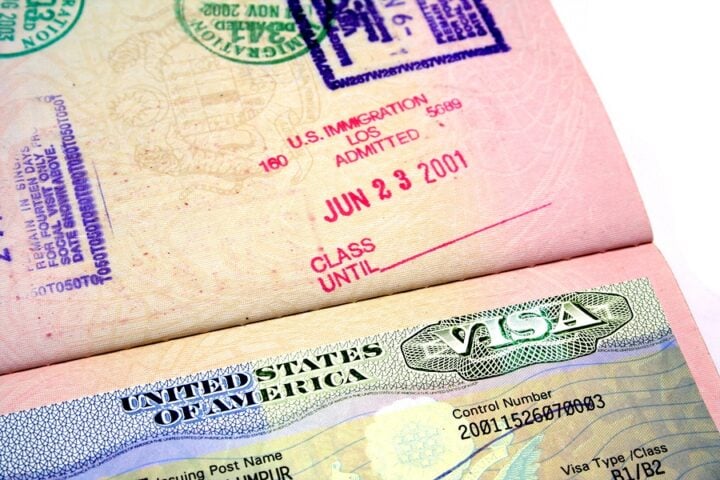
On January 7, the United States rolled out additional travel controls affecting Nigerian citizens, introducing visa bonds that could rise to $15,000.
The policy forms part of the US wider effort to tighten immigration compliance for temporary visitors.
The development follows the implementation of partial travel restrictions on Nigeria one week earlier.
The introduction of visa bonds has triggered public interest over how the mechanism works and who it affects.
Visa bonds are monetary guarantees imposed on certain foreign nationals applying for short-term entry permits.
They are designed to discourage overstaying by placing a refundable financial obligation on visa holders.
The use of visa bonds is not exclusive to the United States.
Australia enforces similar financial guarantees for some temporary and student visa applicants.
Canada also applies financial undertakings in sponsored visit arrangements, holding guarantors accountable if visitors fail to comply.
Under the new US framework, visa bonds apply strictly to applicants seeking B1/B2 visitor visas for tourism or business.
Applicants may be required to deposit $5,000, $10,000, or $15,000 alongside a Department of Homeland Security Form I-352.
Consular officers determine the bond amount during visa interviews.
Officials clarified that paying a visa bond does not translate to automatic visa approval.
Applicants will only be instructed to post a bond if directed by the interviewing consular officer.
The bond is refundable once the Department of Homeland Security confirms that the traveller exited the US within the authorised stay period.
Refunds also apply where the visa holder never travels or is denied admission at the port of entry.
Only three airports have been approved as entry points for travellers required to post visa bonds.
They are Boston Logan International Airport, John F. Kennedy International Airport in New York, and Washington Dulles International Airport in Virginia.
Travelling through any other airport could result in denied entry or an unrecorded departure.
A bond violation may occur if records show that a visa holder overstayed or sought to change non-immigrant status, including asylum.
The visa bond initiative predates the current policy rollout.
It was first introduced during the Donald Trump administration in 2020 but stalled amid global travel disruptions caused by COVID-19.
The programme resurfaced in August 2025, initially targeting Malawi and Zambia.
It was expanded this month to cover 38 countries, including Nigeria, with African nations making up the majority.