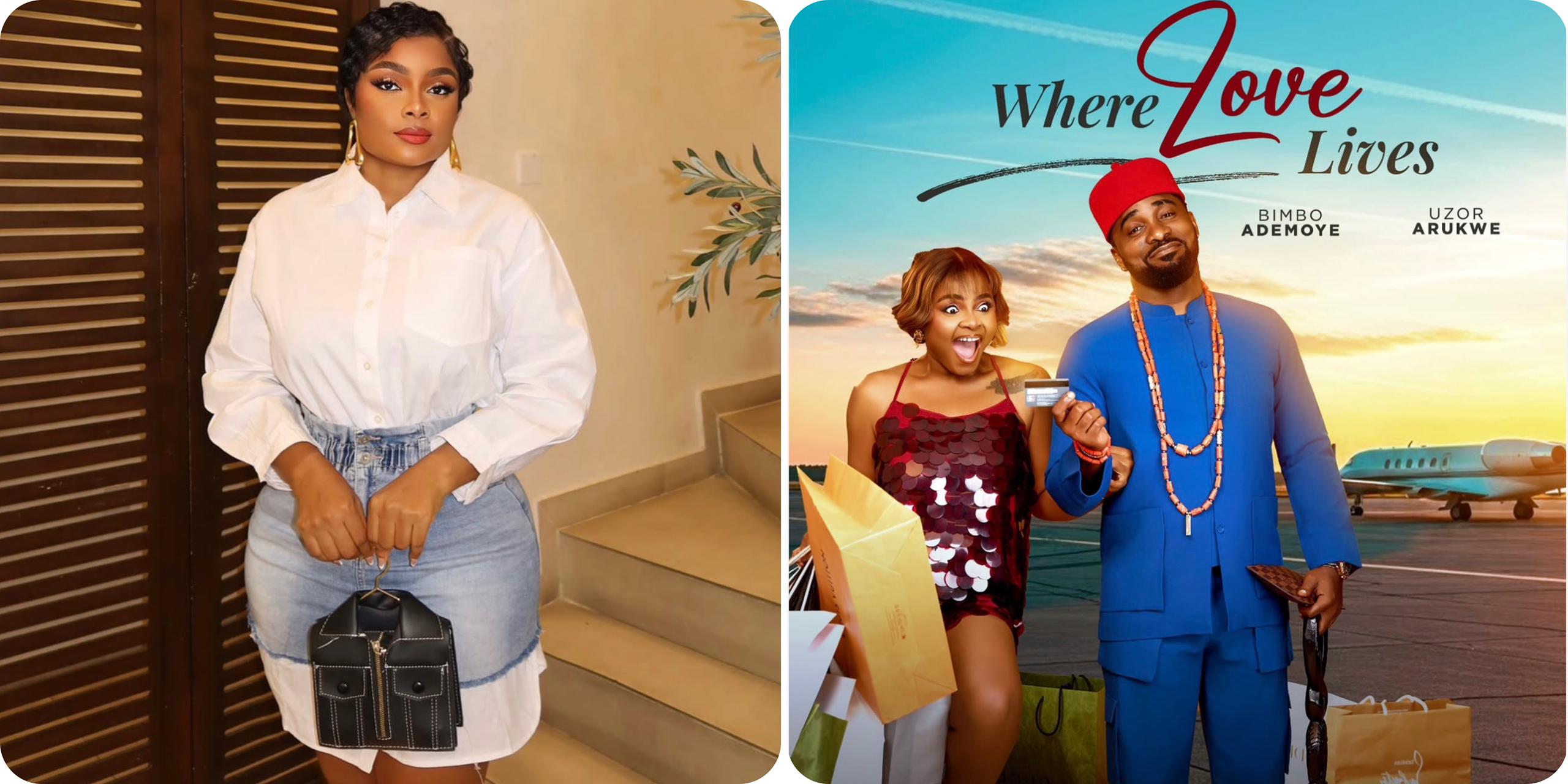
When Nollywood actress and filmmaker Bimbo Ademoye released her romantic drama Where Love Lives on YouTube in December 2025, she hoped it would reach hearts and screens across the world. The film which stars Uzor Arukwe, Chioma Nwosu and Osas Ighodaro quickly became a hit, amassing more than 18 million views on the platform in just a few weeks.
But by January 24, 2026, that success was overshadowed by an unexpected and frustrating legal battle. Instead of celebrating revenue from views and ads, Bimbo found herself fighting a copyright dispute that temporarily stripped her of the earnings from her own film.
A Morning That Changed Everything


On the morning of January 24, 2026, Bimbo took to Instagram with a shocking discovery that Where Love Lives had been demonetised on YouTube, preventing her from earning ad revenue. She alleged that someone had filed a copyright claim on a song featured in the movie. The actress stated that she fully owned the soundtrack and had the original artist’s approval.
“I woke up to my hard work wanting to be stolen from me,” she wrote in one post, calling on anyone who knew the individual responsible to help get the claim removed. “A song I completely own the rights to…was taken, uploaded, and used to block me from earning from my own sweat.”
In another message, Bimbo named the alleged claimant as Emmanuel Davies, also known as “Lagos Sound,” and issued a dramatic ultimatum. She gave him one hour to lift the claim or face consequences. “YOU HAVE 1 HOUR…Before I handle this MY OWN WAY!” she warned.
Her posts showed a mix of disbelief, anger and deep frustration, with the actress repeatedly stressing that she had paid for all soundtracks used in her projects and had secured the necessary rights.
Millions of Views, No Revenue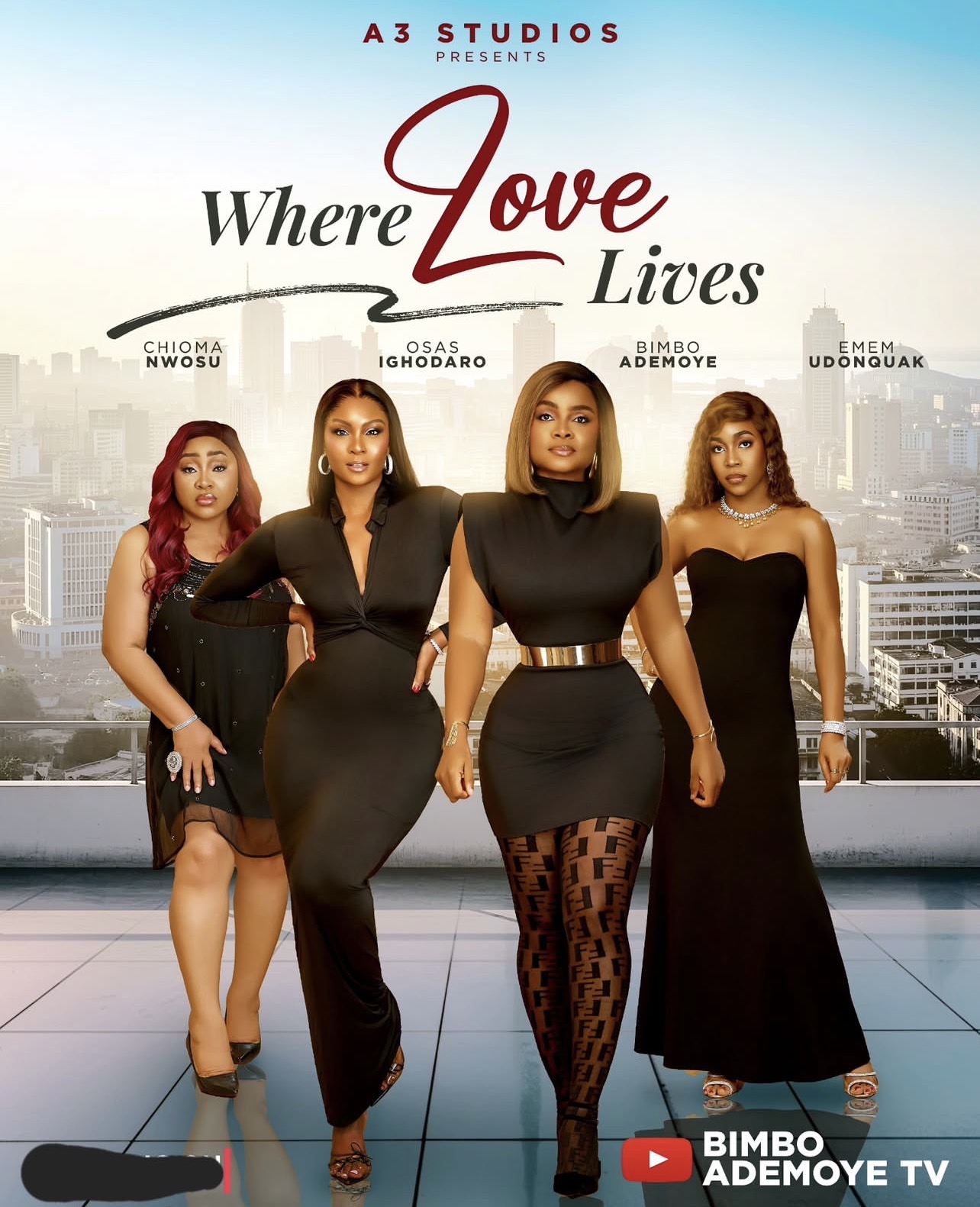

The stakes were high. With over 18 million views, Where Love Lives was one of the most watched Nollywood films on YouTube at the time. Many creators count on revenue from millions of views to support their next projects, pay collaborators, and build sustainable careers.
Yet under YouTube’s copyright enforcement system, the platform often removes monetisation automatically once a claim is registered, even before any verification of ownership or intent. In Bimbo’s case, her film remained online and watchable, but any ad earnings were effectively paused or flagged while the dispute remained unresolved.
The situation was not new to her. In August 2025, another of her films titled To Be a Friend, was taken down entirely from YouTube over a separate copyright issue related to its soundtrack after racking up nearly six million views. That removal forced her to consider re‑uploading and rebuilding its audience from scratch.
A Battle That Became Public


As the controversy swirled online, Bimbo’s reactions ranged from emotional to combative. In one of the videos of herself which she shared, she seemed visibly upset as she spoke about the alleged theft and demonetisation.
In her messages, she made clear that she intended to pursue the matter beyond social media posts. “Until I see you behind bars, I will not rest,” she said in one Instagram post about the individual she accused of filing the false claim.
Her followers, whom she affectionately calls her “cyber family,” rallied to report the infringing content, tagging and flagging it across platforms. That collective effort appears to have played a role in what came next.
Resolution and Relief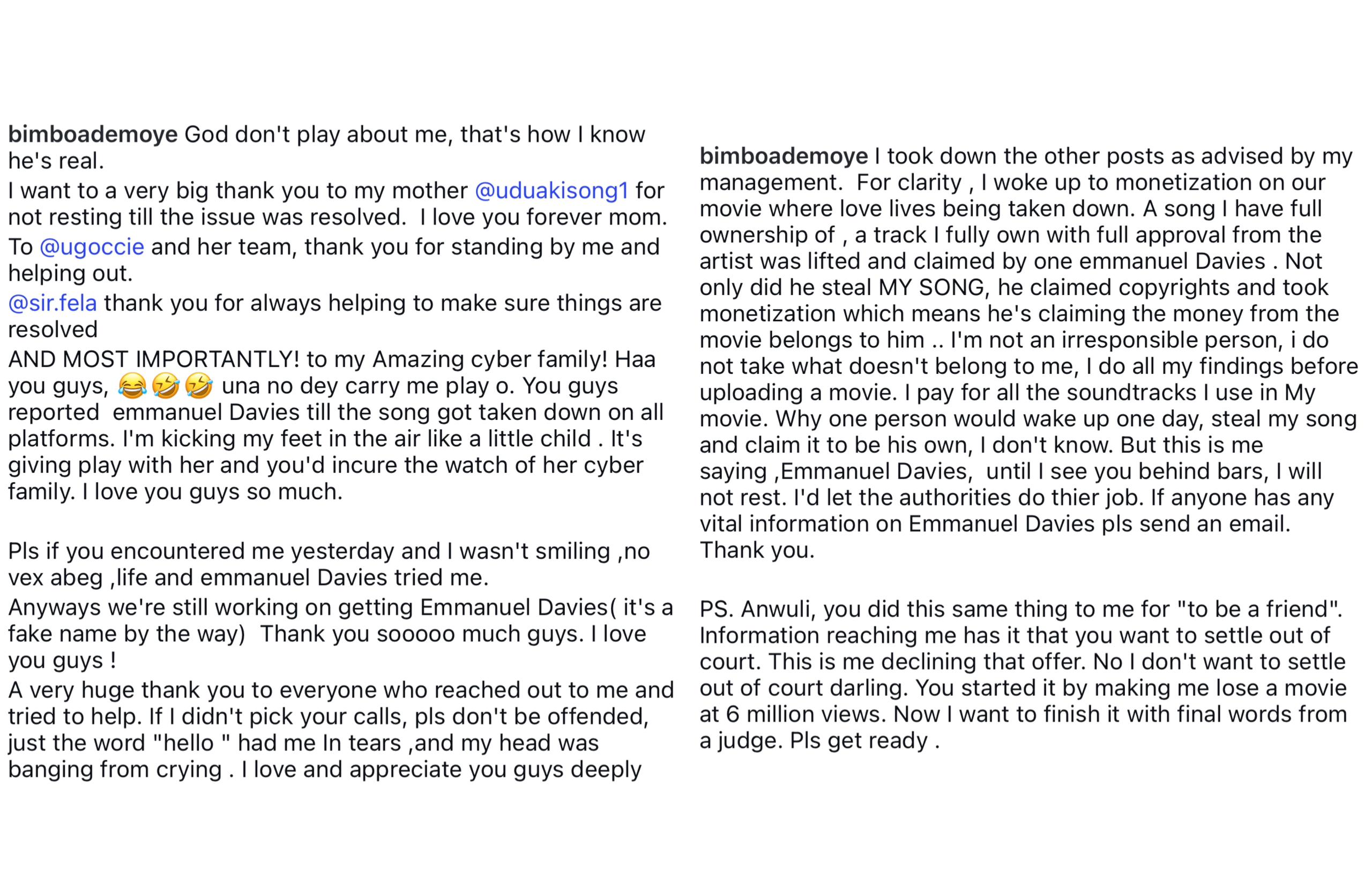

By January 26, 2026, several news outlets reported that the dispute had finally been resolved in Bimbo’s favour. YouTube removed the false copyright claim and reinstated the normal status of the film, allowing its ad earnings to resume.
In an emotional Instagram post shared shortly after the resolution, she thanked her industry mother Uduak Isong, close friends, her creative team, and especially her online supporters for helping get the issue sorted out. “God don’t play about me, that’s how I know he’s real,” she wrote, adding that she was “kicking [her] feet in the air like a little child.”
She also acknowledged the support of fans who reported the claimant’s uploads until the song was taken down from all platforms.
More Than a Personal Fight
While Bimbo’s story ended on a positive note, her ordeal highlights a growing challenge for independent creators and filmmakers. YouTube’s system was designed to protect copyright holders, but its automated enforcement tools sometimes work too quickly, acting on claims that have not yet been verified. That can lead to demonetisation, diversion of earnings, or in some cases, outright removal of creative works even when the creator holds legitimate rights.
For Nollywood, which increasingly uses YouTube as a key distribution platform, these kinds of disputes are more than just personal dramas. They raise important questions about how digital rights are managed and protected, and how platforms can better support creators navigating complex copyright landscapes.
Bimbo Ademoye’s victory may be a sign that persistence pays off, but her experience is a reminder that the digital age, for all its promises of global reach, still has plenty of hurdles for filmmakers to clear.