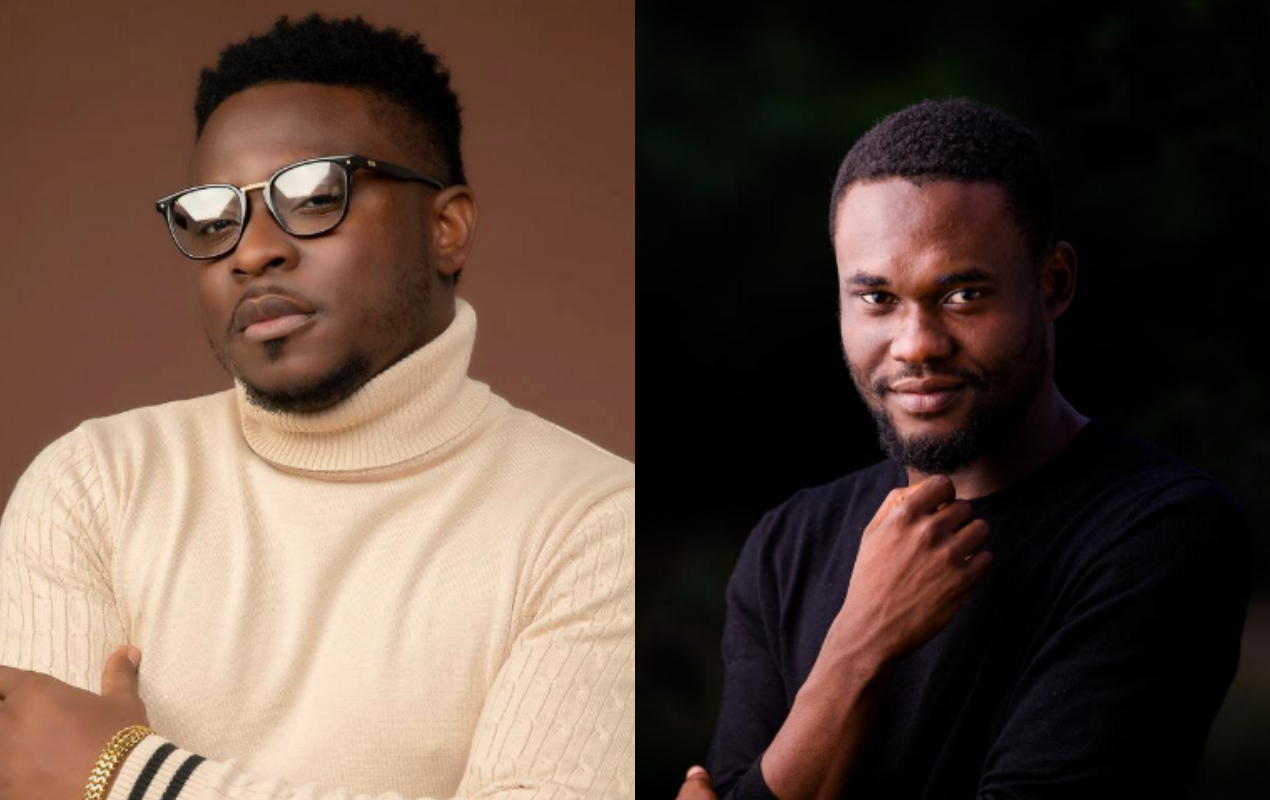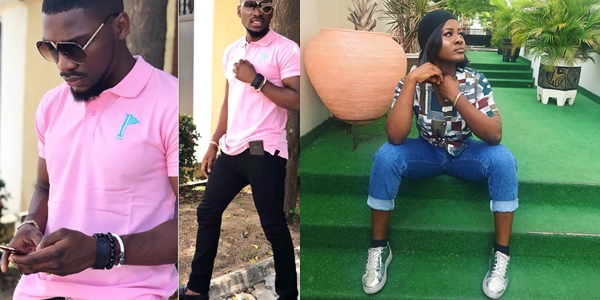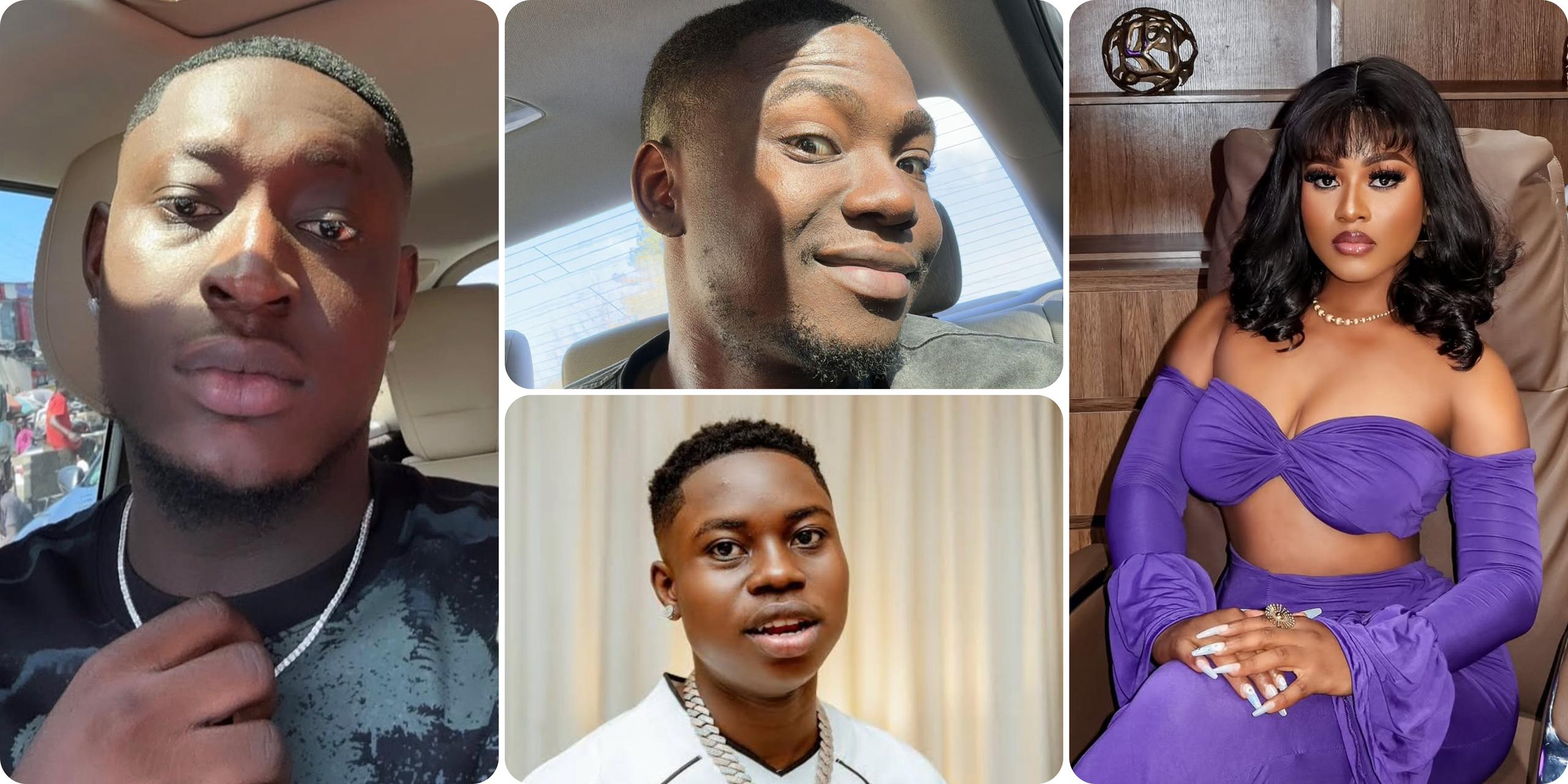
Live streaming isn’t just a hobby anymore, it’s the new digital spotlight where fame, culture, technology, and money collide. In 2026, Nigerian creators are not just watching global live streaming trends, they are setting them.
Twitch and Kick, once platforms mostly known for gaming, have become the places where entertainers, comedians, influencers, and celebrities write new rules. Behind the bright cameras and big numbers, though, is a story most fans rarely see. It’s one of strategy, risk, hustle, and sometimes controversy.
The Pioneer: How Carter Efe Changed the Game

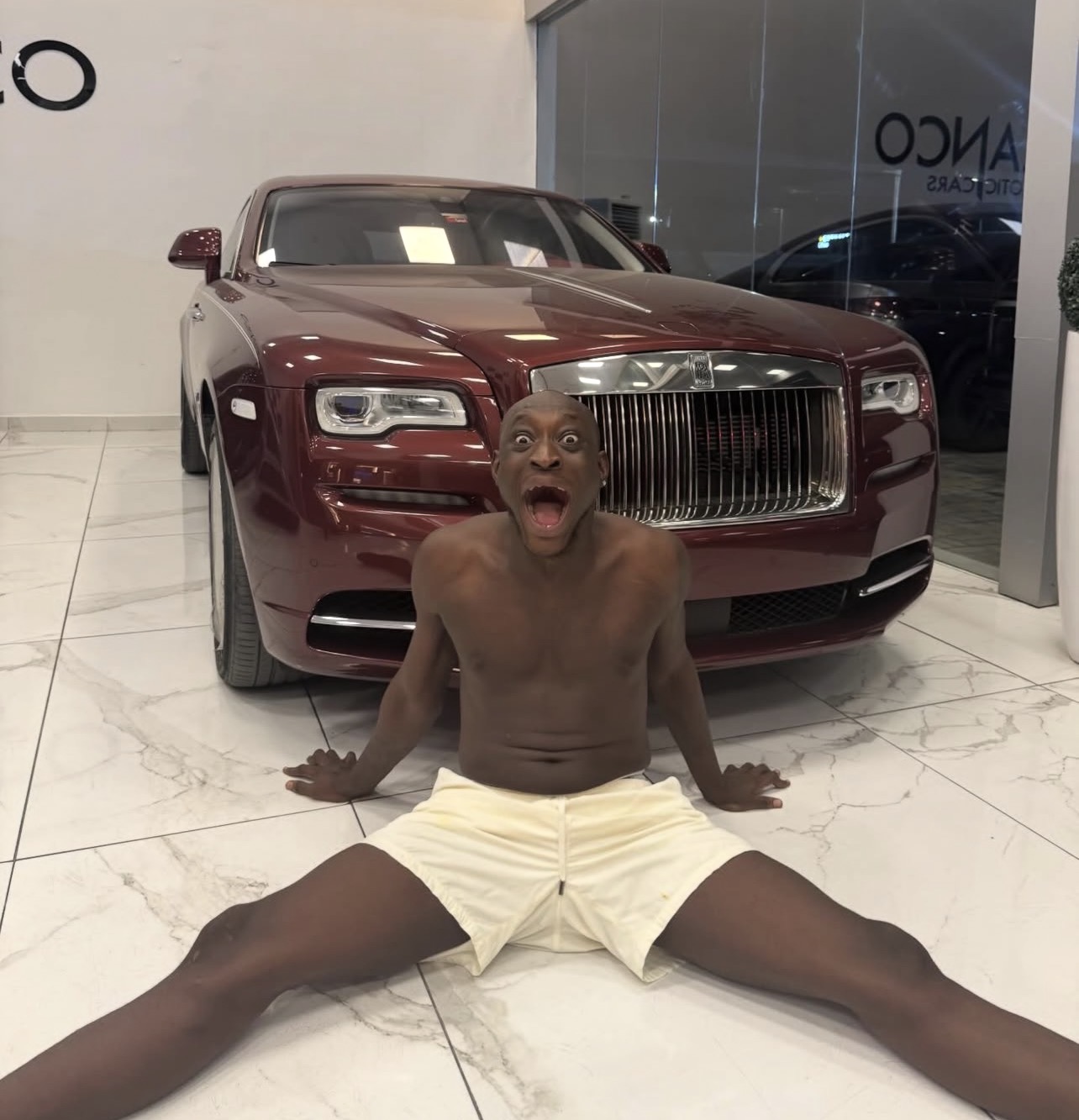
To understand the rise of Nigerian streamers, especially on Twitch, you start with Carter Efe. Born Odahohwo Joseph Efe on September 29, 2001, he didn’t begin life as a livestreamer. Carter became famous in Nigeria first for comedy skits and the hit song Machala in 2022. But in 2025, he made a decision that would shake the African livestreaming world. He took his energy and personality to Twitch and turned himself into a digital event.
The tipping point came on December 17, 2025, when Afrobeats legend Davido appeared on Carter’s livestream. The event shattered African livestreaming records, drawing up to 83,000 concurrent viewers and pushing Carter to become the most‑followed Africa‑based Twitch streamer with hundreds of thousands of followers. That wasn’t just a win, it was a mainstream cultural moment.
But here’s the part many fans never saw. Days after that historic stream, Twitch suspended Carter’s account for four months due to alleged violations of community guidelines. Twitch didn’t initially specify what happened, leaving fans puzzled and sparking major speculation online. In true Carter style, though, he didn’t disappear. Carter simply found other platforms and came back stronger, proving that he’s bigger than any single platform.
For fans both in Nigeria and abroad, Carter’s journey shows that livestreaming success is about risk, reinvention, and knowing the power of your narrative.
The Trailblazer: Shank Comics and the Early Playbook

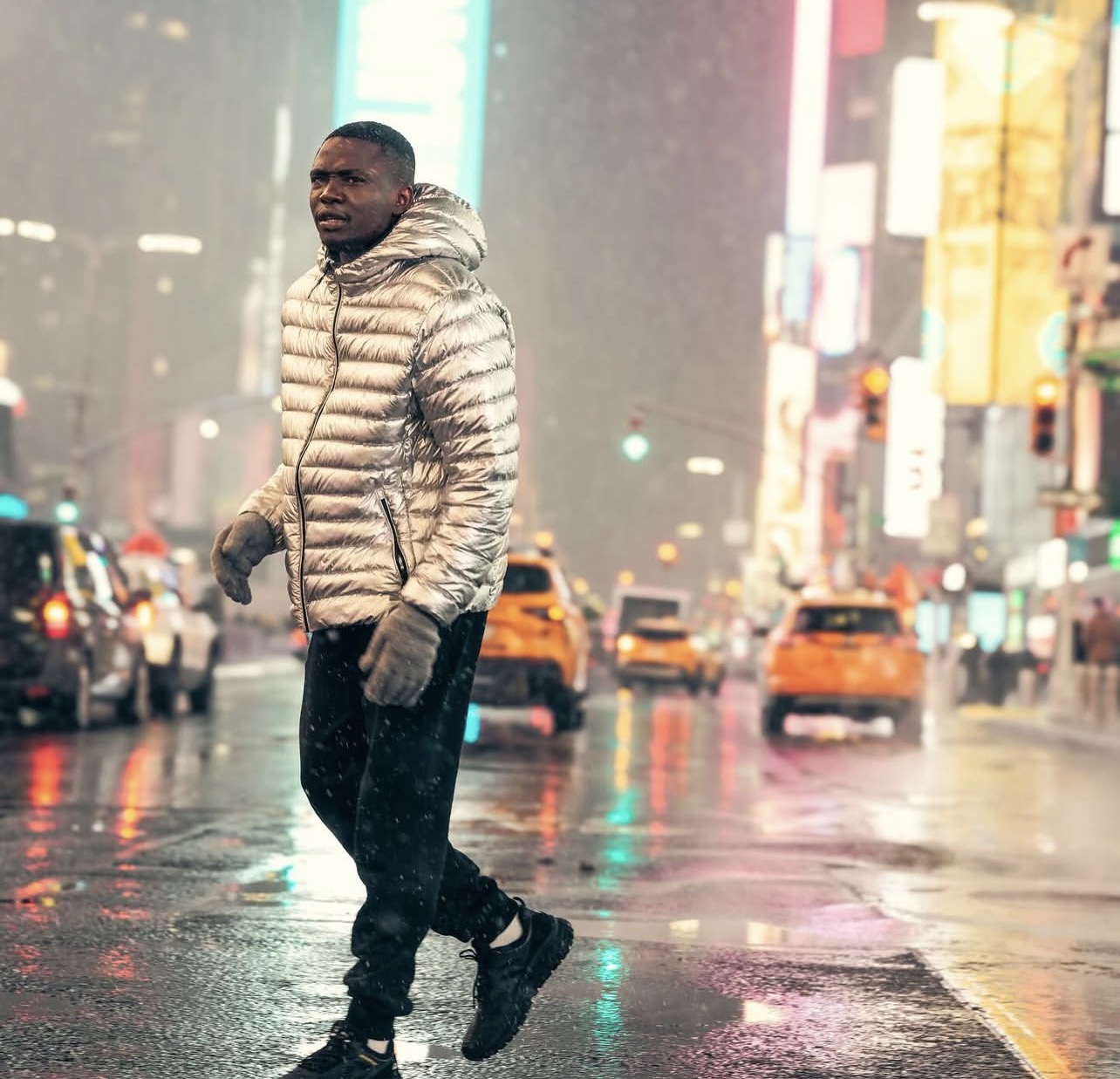
Before Carter’s massive rise, Shank Comics (Adesokan Adedeji Emmanuel) was already charting the way forward. Born in 1997 and known widely for his viral memes, Shank moved into full‑time live streaming in April 2025, bringing his storytelling and infectious humour from social media onto Twitch.
Shank’s livestreams didn’t just play in the background; they had personality and purpose. He was the first Nigerian streamer to break 100,000 followers on Twitch, a milestone that validated Nigerian creators on the global stage. In May 2025, he accepted an invitation to Kai Cenat’s Streamer University in the United States, where he stood out among creators from around the world and even won a $10,000 prize from MrBeast. This moment shifted how global audiences saw Nigerian live content.
Shank’s success is a reminder that you don’t have to be an international megastar to make waves, you just need consistency and a voice that connects. And he has both.
The Kick Innovator: Peller’s Rise and Rivalries

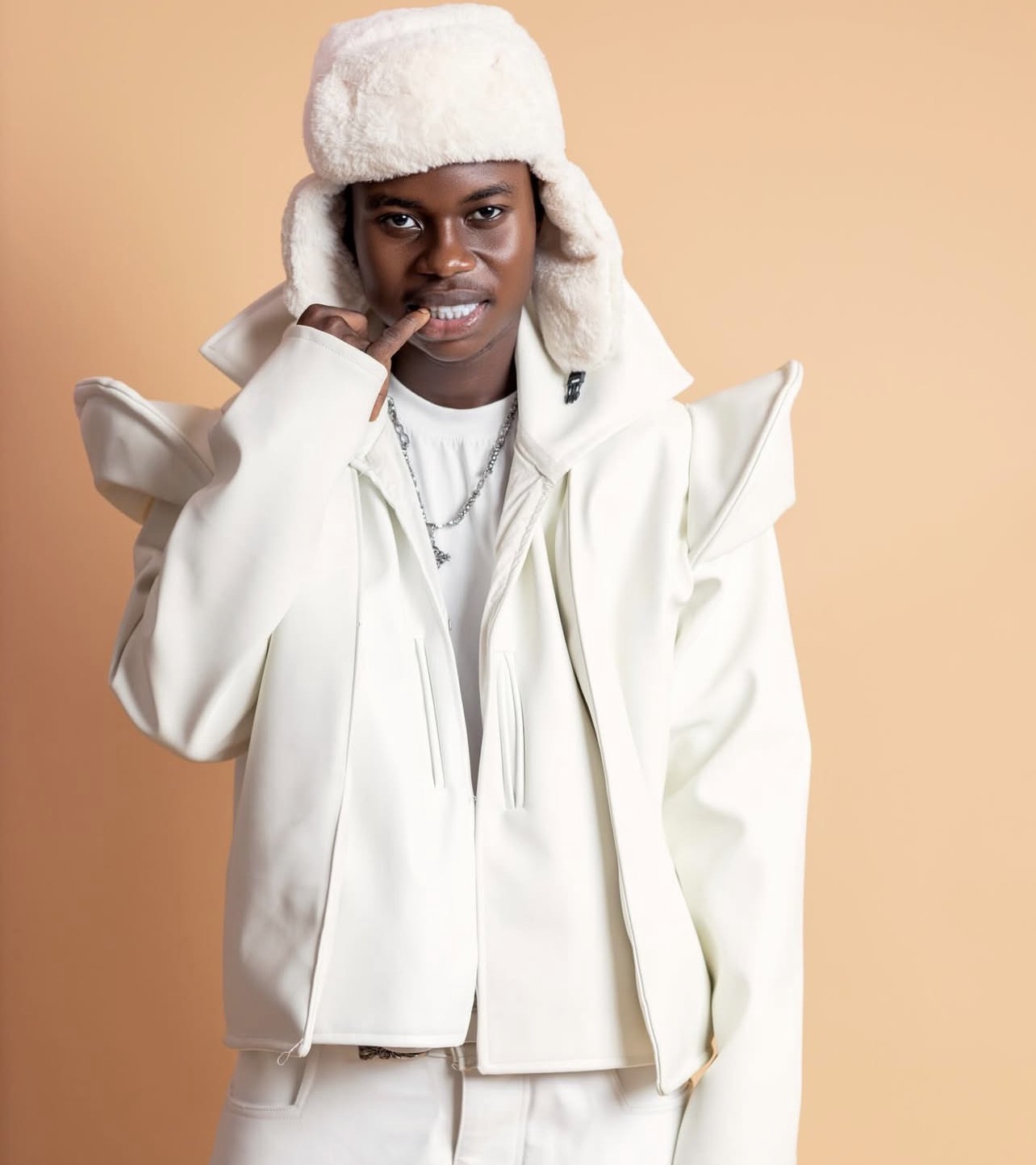
While Twitch remained the big stage, a new competitor called Kick began attracting attention with a more creator‑friendly model and fewer entry barriers. Among Nigerian streamers, Peller (Habeeb Hamzat) became the face of that platform’s expansion. Born in 2005 in Ikorodu, Lagos, Peller had already built a massive online following before he even started streaming seriously.
By 2026, his Kick channel had become one of the most important in West Africa, earning him recognition as Nigeria’s first official Kick brand ambassador. Peller’s rise was not without drama. In January 2026, when American streamer iShowSpeed toured Lagos, Peller tried to meet him but was publicly snubbed. This moment trended on social media and sparked waves of commentary. What many saw as a slight actually boosted his visibility and underscored how fiercely loyal his followers are.
That moment showed something deeper about how live streaming isn’t just about the numbers, but about cultural positioning, personality clashes, and how social media frames moments that feel personal to fans. Peller knows how to turn attention into community support even when the storyline isn’t all positive.
Phyna: From Reality TV to Live Interaction


Then there’s Phyna, formerly a standout star of Big Brother Naija, who brought celebrity energy to streaming. Unlike traditional streamers who build audiences through gaming first, she leveraged her existing fame to create interactive, personality‑driven livestreams that focus on real conversations, dance, and candid moments.
For many viewers, Phyna’s emergence signalled something new: live streaming isn’t just for gamers or comedians anymore. It’s where entertainers, celebrities, and even lifestyle influencers can connect with audiences in real time, far beyond photos and pre‑recorded clips.
Beyond the Spotlight: The Reality Behind the Numbers
What rarely makes headlines is the grind behind the fame. These creators put in hours of planning, scripting, editing, promotion, and community management. Livestreaming isn’t passive, it’s a 360‑degree entertainment product that requires real strategy.
Creators also juggle platform rules, monetization challenges, and audience expectations. Carter Efe’s TikTok and YouTube presence acts as insurance for his brand whenever platform policies shift. Shank Comics uses his variety streams to keep fans engaged beyond a single game or format. Peller’s multi‑platform presence means he’s not dependent on one big stage.
And for every viral moment or celebrity guest, there are countless hours of preparation and networking that never make it onto the public’s screens.
Nigeria’s New Story in Global Streaming
In 2026, Nigerian creators like Carter Efe, Shank Comics, and Peller aren’t just stars; they are driving Africa’s biggest livestreaming movement, with Nigerians dominating the continent’s top rankings on Twitch and Kick.
What most people don’t realize is that this shift didn’t happen overnight. It began with pioneers who believed that live content could be a career, not just entertainment. And as global attention continues to edge toward Africa and sometimes through surprising collaborations, these streamers remind us that digital culture now originates from many points, not just Hollywood.
They might not want you to know all their strategies, setbacks, and networked moves. But the truth is already playing out live, every time a notification pops up on someone’s screen.