There are moments in music when the air feels almost electric, charged with expectation, when the world pauses long enough to listen closely to a rhythm that belongs to no single country but to an entire continent. Afrobeats has reached such a threshold. It is a genre that began in Lagos, grew through Accra, vibrated through Johannesburg, and now resonates from New York to London. Its rhythms are unmistakable, its melodies infectious, and in February 1st 2026 the Grammy Awards have turned a global spotlight onto it. This is a stage of recognition, but also of tension, where influence, strategy, and artistry meet. Who holds the hidden advantage in this constellation of stars, and what forces will shape the outcome? That is the question that hovers over the nominees.
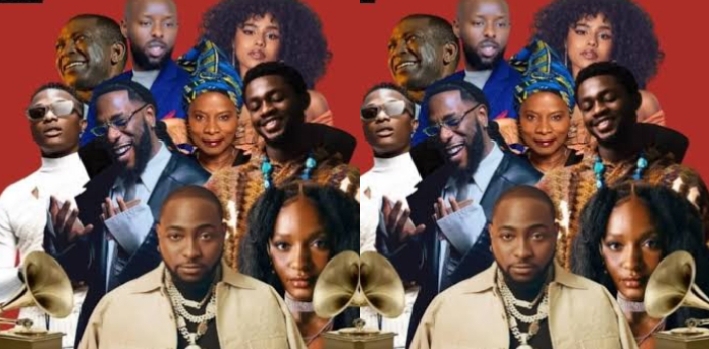
Burna Boy, Davido, Omah Lay, Ayra Starr, Wizkid, Tyla, and cross-continental collaborations have gathered in a single frame, each carrying a distinct story of ambition, craft, and cultural resonance. Their paths differ. Some are veterans who have consistently expanded the reach of Afrobeats, others are rising stars riding waves of virality.
The stakes are higher than personal accolades. Each nomination represents a moment in which African music asserts itself on the global stage. Streams, social media, tours, and international collaborations are not merely byproducts of popularity; they are tactical tools in a competition where perception and influence weigh as heavily as the music itself.
The intrigue of these nominations is not merely in what is visible. It exists in audience loyalty, in streaming trends, in the subtle sway of collaborations, in the merging of generations, and in the global recognition of African sounds that were once marginalized. This year’s nominees illustrate both the evolution of Afrobeats and the mechanics of its spread.
The six key entries showcase a spectrum from Burna Boy’s weighty presence to Tyla’s emergent energy, from Davido and Omah Lay’s collaborative fusion to Ayra Starr and Wizkid’s intergenerational synergy. Each holds potential, each carries risk, and each invites analysis.
The Battlefield of Best African Music Performance
The Best African Music Performance category is the central arena where the most influential tracks of the eligibility year compete. Burna Boy’s “Love” meets Davido and Omah Lay’s “With You,” Ayra Starr and Wizkid’s “Gimme Dat,” Tyla’s “PUSH 2 START,” and Eddy Kenzo with Mehran Matin’s “Hope & Love.” Nigeria dominates the nominations, but the inclusion of South Africa and Uganda demonstrates that the category represents the continent’s diversity. Each track is a cultural statement, a blend of rhythm, narrative, and audience resonance.
Burna Boy’s “Love” positions him as both veteran and cultural touchstone. His lyrical depth and mastery of Afrobeats fused with global pop sensibilities makes the track a contender for both its artistry and strategic resonance. The song benefits from his established international presence and sustained audience engagement, giving him an edge in visibility that newer artists may struggle to match. It is a track that reflects both consistency and evolution in his craft.
Davido and Omah Lay’s “With You” leverages collaboration as a tool for influence. By merging fan bases, the track amplifies reach across demographics and streaming platforms. Its virality on social media, particularly through short-form video trends, adds momentum that transcends charts. The song’s nomination exemplifies how collaborative energy can elevate a track in a competitive field where every incremental advantage matters.
Ayra Starr and Wizkid’s “Gimme Dat” combines youthful vibrancy with seasoned experience. It is a track that appeals to multiple generations while commanding international attention. The nomination signals both commercial success and critical acknowledgment, highlighting the strategic value of pairing emerging stars with established icons. Tyla’s “PUSH 2 START” introduces a South African flavor, showcasing emerging talent and demonstrating that African music’s global narrative is no longer confined to Nigeria alone. Eddy Kenzo and Mehran Matin’s “Hope & Love” adds cultural depth and continental variety, completing a spectrum that reflects both diversity and innovation within African music.
Points of strategic consideration in this category:
- Longevity and credibility versus viral momentum
- Collaborative advantage and combined audience reach
- Intergenerational appeal and global recognition
- Continental diversity and cultural representation
Burna Boy’s Global Strategy
Burna Boy’s nomination for No Sign of Weakness in the Best Global Music Album category represents a strategic milestone. It is a recognition not only of personal artistry but of Afrobeats’ growing influence in the global music ecosystem. The album blends African rhythms with pop, RnB, and dancehall elements, creating a product that is accessible internationally yet grounded culturally. Its production, sequencing, and lyrical themes illustrate a deliberate approach to reach both domestic and global audiences.
The album’s positioning in the global category provides Burna Boy with an additional layer of visibility beyond the performance-based nomination. It allows voters and critics to evaluate his contribution to music at large, not merely within the confines of a single hit. The nomination signals industry acknowledgment of Afrobeats as a genre capable of competing with global music standards while retaining its identity.
Burna Boy’s dual presence across both performance and album categories creates a unique strategic advantage. The combination of high-profile collaborations, robust streaming metrics, international tours, and media visibility strengthens his candidacy. It is an example of how veteran artists consolidate influence to maximize the potential impact of nominations.
This strategy reflects a broader trend within African music where cross-continental recognition and mainstream visibility are as crucial as the artistic quality of the work itself. Burna Boy exemplifies the synthesis of talent, strategy, and audience engagement, demonstrating how an artist can leverage both artistry and infrastructure to compete in a high-stakes global arena.
Collaboration as Leverage: Davido and Omah Lay
In the modern music industry, collaborations are more than artistic choices; they are tactical maneuvers. Davido and Omah Lay’s “With You” illustrates how partnership can amplify influence. By combining their respective audiences, the track gains momentum across platforms, demographics, and geographies. The song becomes not only a musical work but a cultural phenomenon with visibility that may eclipse solo efforts by emerging artists.
The power of this collaboration is evident in its streaming metrics and social media traction. Short-form video platforms, fan engagement, and viral trends contribute to an ecosystem where momentum matters as much as melody. The nomination reflects recognition of both artistic merit and strategic impact.
In addition, the track underscores the value of intergenerational and inter-experience collaboration. Davido’s established global footprint pairs with Omah Lay’s contemporary appeal to create a track that resonates across age groups and markets. The nomination signals that voters recognize the cultural and strategic significance of this synergy.
By positioning themselves together, Davido and Omah Lay exemplify a model in which collaborative effort can be leveraged to compete in high-profile award categories. Their approach reflects a broader understanding of the mechanics of influence, audience behavior, and cultural momentum in the modern African music industry.
Ayra Starr and Wizkid: Intergenerational Impact
Ayra Starr and Wizkid’s collaboration “Gimme Dat” represents a convergence of youth and experience. Ayra Starr brings the fresh energy of a rising star, a generation that has grown up with Afrobeats as a global language. Her vocals carry a contemporary edge, often shaped by viral trends and digital-first audiences. Wizkid complements her with decades of experience and international recognition. The combination is both strategic and musical, a fusion designed to appeal to multiple demographics.
The song has achieved impressive traction on streaming platforms. It is not just a viral hit; it is a cultural touchstone in African music this year. TikTok challenges, fan-made content, and playlist placements have amplified its reach. This digital momentum is a critical factor in Grammy consideration, as it demonstrates both popularity and the ability to connect across markets.
Tyla: The South African Contender
Tyla’s “PUSH 2 START” introduces a different energy into the Grammy competition. As a South African artist, she adds continental diversity to a category largely dominated by Nigerian music. Her style fuses Afro-pop with RnB and electronic influences, demonstrating the genre’s adaptability and the increasing prominence of Southern African voices in Afrobeats. This nomination highlights that the Grammy stage is no longer limited to West African powerhouses; it is truly continental.
The song’s production emphasizes polished instrumentation and catchy hooks designed for both radio play and streaming virality. Tyla’s vocal performance is dynamic, with a youthful charisma that has garnered significant social media attention. Her growing international fan base enhances the nomination’s weight, showing how African artists outside the traditional Afrobeats hubs can gain recognition on a global stage.
Eddy Kenzo and Mehran Matin: Continental Depth
Eddy Kenzo and Mehran Matin’s “Hope & Love” introduces cultural depth to the competition. Hailing from Uganda, Kenzo brings a perspective rooted in East African musical traditions, while Mehran Matin adds layers of international collaboration. This track demonstrates the genre’s capacity to integrate diverse influences while maintaining its African identity. It is an example of how regional authenticity can coexist with global accessibility.
The song’s nomination highlights Afrobeats’ pan-African scope. It challenges the perception that the genre is centered only in Nigeria or South Africa. By including East African voices, the category reflects the continent’s musical diversity and presents a richer narrative for voters. This broader representation strengthens the overall legitimacy of Afrobeats on the Grammy stage.
Streaming, Social Media, and Global Trends
Streaming numbers and social media trends have become as important as radio airplay in assessing Grammy potential. Afrobeats artists have thrived on digital platforms, with TikTok challenges, YouTube views, and curated playlists playing critical roles in global visibility. Songs like “With You” and “Gimme Dat” have benefited from coordinated social media campaigns that extend reach far beyond the African continent. These digital signals are increasingly difficult for Grammy voters to ignore.
Platforms like Spotify, Apple Music, and Boomplay provide quantitative evidence of popularity and influence. High engagement on these platforms indicates not just listenership but cultural resonance. Audiences interact with songs, create content, and spread the music organically, creating momentum that often translates into nominations and awards recognition.
Voter Patterns and Cultural Resonance
Grammy voters are influenced by more than chart positions. They consider cultural impact, narrative significance, and the ways in which a song or album resonates within its originating community and abroad. Afrobeats’ rise in international markets has created a unique situation: voters now encounter a genre that carries both local authenticity and global relevance. Burna Boy’s dual nominations give him an edge because he embodies both aspects, his work bridging continents while remaining firmly rooted in Nigerian musical heritage.
Voter awareness is shaped by exposure, and exposure in 2026 is increasingly digital. Social media presence, streaming numbers, and international collaborations serve as signals of relevance. Davido and Omah Lay benefit from this dynamic because “With You” has not only dominated playlists but has generated online conversations that travel across continents. Their nomination reflects a recognition of their reach and influence, signaling to voters that the song represents more than a momentary trend.
Cultural resonance also plays a subtle but crucial role.
Ayra Starr and Wizkid’s collaboration demonstrates intergenerational appeal. It connects with both younger fans who drive digital engagement and established audiences familiar with Wizkid’s decades-long career. Grammy voters, who are tasked with assessing artistic and cultural merit, may be swayed by such layered significance. The ability of a track to communicate across demographics becomes an unspoken criterion for success.
Continental diversity also matters. Tyla and Eddy Kenzo & Mehran Matin bring regional richness to the table, highlighting that African music is not a monolith. Tyla introduces South African innovation while Eddy Kenzo and Mehran Matin highlight East African traditions. Their nominations signal to voters that Afrobeats and African music at large are expansive, versatile, and globally significant. The presence of these artists ensures that cultural breadth is part of the conversation, subtly influencing voting patterns.
Final Analysis: Who Holds the Hidden Advantage in the 2026 Afrobeats Grammy Showdown
In this year’s Afrobeats Grammy race, influence is subtle but decisive. It is not just about streams or trending hashtags; it is about shaping perception across continents and sustaining cultural relevance over time. Some artists create momentum quietly, letting each release build their presence until the impact is undeniable.
stands out because his presence is multidimensional. He is not only competing with a single track but also with an album that showcases range, vision, and consistency. This dual visibility makes him harder to overlook, positioning him as someone who dominates both the performance and the narrative of the year in African music.
Other nominees bring innovation and energy. Ayra Starr and Wizkid merge youthful energy with veteran credibility, Davido and Omah Lay have chemistry that amplifies engagement, and Tyla and Eddy Kenzo introduce regional diversity. Each contender adds pressure and unpredictability, yet none combine global traction, category breadth, and sustained cultural influence in the way Burna Boy does.
Considering reach, versatility, and the quiet accumulation of influence over time, the hidden advantage clearly leans toward Burna Boy. His nomination for both Love and No Sign of Weakness gives him a strategic position few can challenge. While the competition is strong and the category dynamic, Burna Boy emerges as the most likely to convert visibility and momentum into Grammy recognition, making him the frontrunner in this high-stakes showdown.