Nigerian singer, Simi Kosoko’s tweets condemning sexual violence has sparked a heated debate online, drawing both praise and criticism. From real-life cases that went viral to intense responses from fans and critics, here’s a breakdown of what Simi said and why X users are reacting.
Backstory: The Alleged Assault Cases That Sparked the Conversation
Before Simi spoke out on X, two sexual assault cases were trending on social media and sparking nationwide discussion about women’s safety.
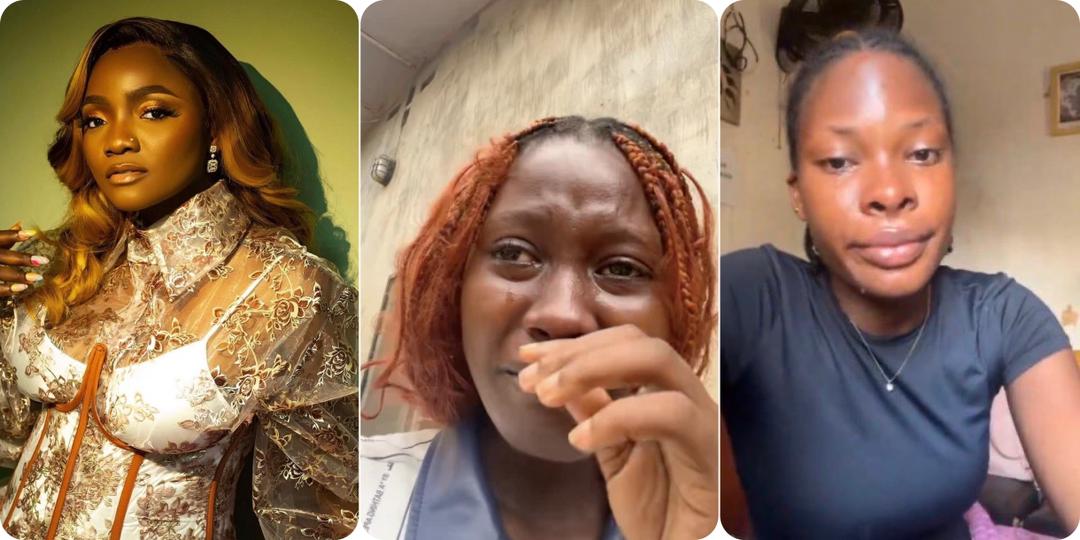
Mirabel’s Viral TikTok Allegation
TikTok user Mirabel claimed she was raped inside her home after someone knocked and forced his was into her apartment.
She stated that she had been sleeping heavily due to medication for insomnia and was attacked after answering a knock at her door, which caused her to hit her head and lose consciousness.
Mirabel claimed the assailant later sent her taunting messages on TikTok under the handle @Priston186. In these messages, he allegedly confessed to the crime, boasted about his father’s wealth being enough to “bury the case,” and claimed he attacked her because she had previously rejected his advances.
Following the assault, Mirabel posted a video revealing she had attempted suicide by ingesting a toxic substance but was rescued and hospitalized by a friend.
Her video went viral with the hashtag #StopRapingWomen, and the Lagos State Domestic and Sexual Violence Agency asked the public to help find her so authorities could give her support and investigate.
Fems Thrift: Assault After a Modelling Offer
Another content creator, Fems Thrift and a friend alleged they were sexually assaulted after being lured to a fake modelling job in Lagos State on February 8, 2026, by a man who contacted her on Instagram posing as a fashion entrepreneur. Upon arrival, the man allegedly assaulted both women at knife-point. The assailant reportedly took their phones, obtained private content, and threatened to release it if they reported the crime.
Following public outrage online, the police arrested 23-year-old Abidemi Emmanuel, the alleged attacker, who is now in custody while the case is being investigated.
These cases were trending online and had already sparked conversations about women’s safety when Simi made her posts.
What Simi Said


On Tuesday night, February 17, Simi took to X with a series of tweets addressing sexual violence. She started with a strong message:
“I’m sickkk of this. STOP RAPING WOMEN. They need to castrate rapists and burn them.”
Some users questioned her about false rape accusations. @Only1drizzyy asked:
“Including the false accusers too? Auntie Simi”
Simi replied sharply:
“stfu”
Another user, @PabloHoggs, asked:
“Dear Simi, what about false rape accusers?”
Simi responded:
“What about them?? Why are you asking me about something I didn’t talk about? Why is your response to ‘stop raping women’ >> ‘what about false accusers?’ WHAT DOES THAT HAVE TO DO WITH WHAT I SAID????.”
She later clarified her focus on survivors and the dangers women face:
“Almost every woman I know personally has been sexually assaulted at some point in their lives.
You can’t think it’s okay to shut people up from speaking up about assault because some people lie. If you lie, you should face consequences – but that’s not the conversation I’m having. Nor is it one I’m interested in having. How many of your male friends have they lied against? How many of your friends have actually assaulted women as vibes?? Women are terrified to go out. Women in their homes are not safe either. Ask your sisters.
Ask your female friends and your girlfriends. Ask your wives. We’re not all crazy. STOP RAPING WOMEN!!.”
Simi also urged men to hold other men accountable, criticizing those who protect friends’ bad behavior:
“Men should hold other men accountable. Many of you create safe spaces for your friends’ perverted and wicked behavior because “I’m not like that”. I take a fucking pepper spray when I walk outside alone or with my daughter. Do you think I’m scared of other women? If you’re not a rapist and people calling out rapists bother you, you need to sit and have a conversation with yourself.
Because why are you triggered if you’re not guilty???”
Her tweets made it clear that her concern was the widespread problem of sexual violence, not rare false accusations.
Why Netizens Are Angry
While many supported Simi for speaking up, some X users were upset about her tone and responses. Critics said her replies to questions about false accusations were too blunt, which made the conversation feel confrontational. Phrases like “stfu” also drew criticism.
Some netizens said her strong language overshadowed her message and felt she could have engaged more thoughtfully. A few even called for apologies, with some even threatening attempts to “cancel” both Simi and her husband, Adekunle Gold.
At the same time, many defended her, saying her anger is justified because women face daily risks and fear for their safety. Supporters emphasized that the main issue should be stopping rape and assault, not debating rare false claims.
Expert & Cultural Context
Sexual assault is a serious issue in Nigeria. Many women face danger even in private spaces, and cultural stigma often makes it hard to report cases. Laws like the Violence Against Persons (Prohibition) Act 2015 exist to protect victims, while also penalizing false accusations.
Simi’s tweets tapped into a national conversation about the risks women face daily and the importance of holding perpetrators accountable. The backlash also reflects a public debate about how to address sexual violence, fairness, and responsible public discussion.
Conclusion
Simi’s posts show the power and risks of social media for raising awareness on sensitive issues. Her blunt and emotional language sparked both support and criticism, highlighting the fine line between advocacy and public backlash.
The viral allegations of Mirabel and Fems Thrift, along with the arrest of the Fems Thrift suspect, provide context for why this conversation resonated so widely.
Ultimately, Simi’s tweets remind us that addressing sexual violence requires justice, awareness, and open conversation even if it comes in a messy, heated, or confrontational way. Social media can amplify both anger and advocacy, helping important issues stay in the spotlight.