
In February 2026, Nigerian music stars Simi and Adekunle Gold found themselves at the centre of a fresh social media storm after posts from over a decade ago resurfaced online. What began as simple conversations about societal issues quickly turned into widespread online debate when several of their old tweets from around 2012 were shared across platforms, prompting reactions ranging from criticism to heated defence among netizens. The resurfaced posts quickly spread across X (formerly Twitter), leading many users to revisit and judge remarks made long before either artist achieved their current public prominence.
What the Resurfaced Tweets Contained


The tweets that thrust Simi and Adekunle Gold back into the spotlight came from their old X (formerly Twitter) timelines, dating back to 2012–2013. This was long before either artist became a major public figure. These posts were rediscovered and widely shared by users after online discussions around social media conduct intensified, especially following Simi’s recent stance against rape culture.
Among the tweets attributed to Simi were candid snapshots of her life when she was helping out at her mother’s daycare while trying to advance her music career. Some of the resurfaced posts included light-hearted comments about children at the daycare. For example, one widely circulated tweet described a four‑year‑old boy having a crush on her and acting as if he “wanted to lock lips,” even resting his head in her lap. This tweet prompted intense reactions online. In Simi’s words:
“David has a crush on me. He kips comn close; actin lik he wana lock lips n den he puts his head on my lap.Shd I giv him a chance? P.S: Hes 4.”
Another tweet shared in the debate asked, “Why this 4yr old boy tryna put hand inside ma shot????? Ogbeni wash it oh!”. Netizens have interpreted this phrase as inappropriate when viewed out of context.
Supporters of Simi noted that these tweets were meant as innocent depictions of her daily life and interactions, typical of the casual social media use many young people engaged in at the time. They argued that they reflected her youthful perspective in a completely different phase of her life, not harmful intent.
For Adekunle Gold, several alleged tweets from 2012 and 2013 were widely shared as screenshots across social media platforms. The posts, written years before his rise to mainstream fame, included comments about women and their body language that many netizens described as inappropriate by today’s standards.
Among the tweets that resurfaced were statements such as:
“i’d say it again…those girls that sit with their legs closed <<<<<<<<<<< mschewww”
“i love girls that are very vulnerable, very defenceless, they ave an ‘awwwwwwww’ effect on me X_x”
“Stop closing your legs when you sit girls, I hate it!”
“@SeaciVixen zooms avi, i must see ur pant”
The language and tone of these posts sparked criticism, particularly because they appeared to encourage or sexualise women’s vulnerability and body positioning. X users argued that such comments, even if written over a decade ago, contribute to conversations about objectification and gender sensitivity.
Mixed Reactions Across Social Media

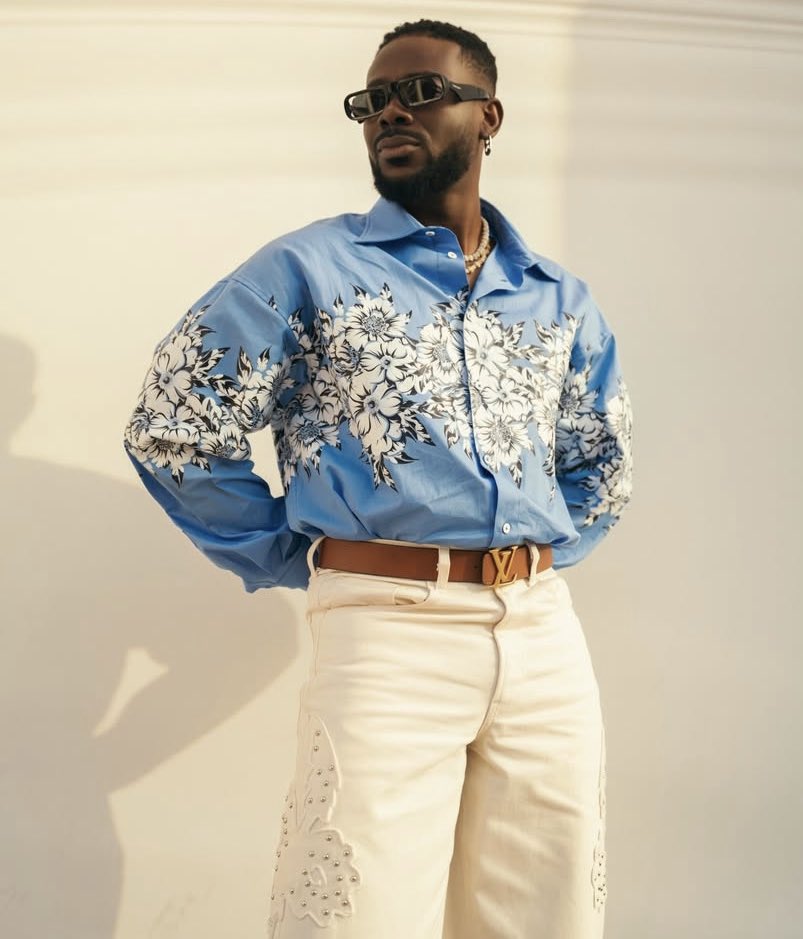
Once the old tweets resurfaced, reactions on social media were swift and varied. Many fans defended Simi and Adekunle Gold, emphasizing that the posts were from over a decade ago and reflecting their youthful perspectives. Supporters highlighted the artists’ growth and evolution, noting that it’s unfair to judge someone solely based on the opinions of their teenage or early-twenties self.
On the other hand, some users criticized the content of the tweets, calling certain remarks tone-deaf or insensitive by today’s standards. Critics argued that public figures, regardless of age at the time, should be mindful of the messages they share online.
Overall, the conversation was a mix of outrage, reflection, and humour, with many using the episode as a springboard to discuss the broader issue of how social media preserves the past. Even casual observers joined in, debating whether the tweets were genuinely controversial or simply a reminder of how perspectives can change over time.
How Simi and Adekunle Gold Addressed the Backlash


As the resurfaced tweets drew attention, Simi was quick to address the matter directly on her social media. In a detailed post, she clarified the context of her old tweets and defended herself against misinterpretations. She wrote:
“I haven’t been on twitter today – but someone brought a few of my old tweets to my attention and I can’t not address it.
14 years ago, I was 23, so I was definitely not a child. I’m not here to make excuses because I don’t have anything to make excuses for. What I can’t let anyone do is twist my story to fit false narratives.
In 2012, I lived and helped out at my mom’s daycare while I was hustling my music. I tweeted everything that happened in my life, as we all did at the time. Kids can be mischievous. If a child did something I found funny, I tweeted about it. Kids are cute and lovable. I want to hug, kiss and cuddle them. I tweet about it. Nothing I tweeted was from perversion.
I was not famous, so maybe if I was, I would have understood that anything is open to whatever interpretation including being used falsely by a faceless mob. I’ve never been depraved in my life. You can retweet all the tweets in the world about me loudly crushing on people I admire/d. Or being a cheeky young woman. I wasn’t trying to hide it, because I don’t have anything to hide.
My team has been deleting some of my tweets because of how sensitive it is for my family. To be honest, I did not want to. I have always spoken against rape and sexual assault even before you knew I existed. It’s not a costume I’m wearing, it’s who I am. I’ve never claimed to be perfect. I’ve never claimed to know everything. I said stop raping women. I stand by it.”
Simi emphasized that her tweets, posted while she was 23 and helping at her mother’s daycare, were innocent reflections of everyday life, humour, and admiration for people she looked up to. She clarified that nothing she tweeted had malicious intent and highlighted her longstanding opposition to sexual assault. She also noted that some tweets were being deleted for her family’s sensitivity, but that her past statements should not be twisted into false narratives.
As of now, Adekunle Gold has not publicly commented on the resurfaced tweets, leaving fans and netizens speculating about his response. The absence of a statement has, in turn, become part of the online discussion.
The Broader Conversation About Old Tweets and Accountability
The resurfacing of Simi and Adekunle Gold’s old tweets highlights a reality that many netizens now face: the internet never forgets. Posts from years or even decades ago can suddenly re-emerge, often stripped of their original context, and become subject to public scrutiny. For celebrities, this phenomenon underscores a unique tension of the balance between personal expression and public accountability.
This discussion also touches on broader debates about “cancel culture” and growth. Many argue that holding public figures accountable is important, but so is recognizing personal development and change. Fans defending Simi emphasized that her tweets reflect her youthful perspective and that she has since demonstrated consistent values against sexual assault and in support of social causes.
Additionally, the incident serves as a reminder to all social media users about the permanence of online content. Even seemingly trivial posts can resurface, requiring careful consideration about the digital footprint one leaves behind. For Simi and Adekunle Gold, the episode has become more than just a debate about old tweets; it’s a moment that illustrates the challenges of navigating fame in the digital age, where past and present are always intertwined.
Conclusion
The resurfacing of Simi and Adekunle Gold’s old tweets is a reminder of the digital age’s unique challenges: the past is always just a click away. While Simi addressed the controversy directly, clarifying context and defending her intentions, Adekunle Gold has yet to comment, leaving some questions unanswered.
Beyond individual reactions, the incident sparks a broader conversation about growth, accountability, and how society interprets social media history. What may have been youthful candor or humour years ago can now be scrutinized through a more critical lens. For public figures and everyday users alike, the episode underscores an enduring truth that online posts have a life of their own, and navigating that reality requires care, reflection, and an awareness that the digital record is permanent.
Ultimately, the situation with Simi and Adekunle Gold is less about condemnation and more about perspective—acknowledging the past, understanding context, and allowing space for growth over time.