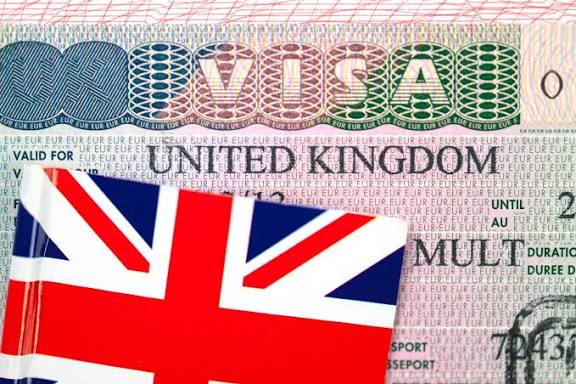
For decades a UK visa was something physical that would be printed and affixed into a traveler’s passport as a small sticker showing the type of visa, its validity and any relevant annotations. Many travelers from a wide array of countries including Nigeria, India and beyond carried that vignette with a sense of reassurance and formality. It was tangible evidence of permission to visit, study, work or reunite with family in the United Kingdom.
But from 25 February 2026 the United Kingdom entered a new era by ending the issuance of these physical visa stickers for most visa categories and introducing an entirely digital approach to visa records and travel permission. This article explains the timeline of this change, what exactly is different now, how the system works in practice, what it means for travelers including those from visa required countries such as Nigeria, and where this fits into a broader transformation of how entry to the UK is managed.
The move away from physical stickers toward eVisas and digital travel permission requirements was not announced overnight but is the culmination of a programme of reforms that began years earlier aimed at modernising border management, strengthening security and providing a more streamlined and flexible travel experience.
For anyone planning to visit the United Kingdom on or after 25 February 2026, understanding these changes is essential as the rules now determine whether you can board a flight, cross a land border or arrive by sea. What follows is a structured explanation of every aspect of this shift so that you have clarity about your travel rights and responsibilities.
The Background of the Change
When the UK first introduced visa stickers in passports many decades ago the world was very different in how it thought about travel, documentation and data. Physical evidence of visa permission served multiple purposes. Passport holders, airline agents and immigration officials could see immediately on a piece of paper whether someone was authorised to enter. The sticker contained personal details, the type of visa, the date of issue and other key information. For many travelers, having that sticker in their passport felt like a milestone in their journey. With the rise of digital technology and global networks, governments around the world started exploring ways to make immigration systems faster, more secure and less dependent on paper. The UK government’s move to digital visa records is part of that broader trend.
The UK’s digital transformation did not begin from nothing. Electronic travel authorisation systems already existed in countries like the United States and Australia. The UK government introduced an Electronic Travel Authorisation, or ETA, scheme in October 2023 for certain visa exempt nationalities and progressively expanded its scope. Over the years that followed, the UK Home Office communicated plans to modernise its systems so that by 25 February 2026 digital travel permission would be efficiently enforced and physical visa stickers largely obsolete.
This transition reflects both technological long term planning by officials and responses to growing global travel demands. In official statements, UK ministers explained that the digital system would strengthen security by enabling border authorities to know more about people before they travel, reduce the risk of document fraud and simplify the experience for applicants who would no longer have to wait for a sticker to be pasted in a passport away from them for days or weeks.
The Core Change: What Skills Are Different from 25 February 2026
The essential shift that took place on 25 February 2026 was that the United Kingdom’s Home Office and UK Visas and Immigration (UKVI) stopped issuing physical visa stickers to most visa applicants and instead began issuing electronic visas, known as eVisas. An eVisa is a secure digital record of an individual’s visa status that is linked to the passport they intend to travel with. It is stored and managed through the applicant’s online UKVI account and can be checked by carriers and border officers digitally. This change applies irrespective of nationality and to almost all visa categories including visitor, study and work visas.
Under the new system, travellers who require a visa no longer receive that piece of paper stuck in their passport when their visa is approved. Instead, once approval is granted, they must access their eVisa through the UKVI online portal. Here, they are able to download or view it, and verify that their passport has been linked properly to the eVisa before they travel. Airlines and other carriers now check digital records to confirm whether a traveller has valid permission to enter the UK before allowing them to board. Without valid digital permission travellers risk being refused boarding or denied entry upon arrival.
Simultaneously, the mandatory Electronic Travel Authorisation (ETA) requirement — which applies to citizens of countries that do not require a traditional visa for short stays — became strictly enforced on the same date. That means visitors from eligible visa‑exempt countries such as the United States, Canada and members of the European Union must obtain an ETA before travel. Carriers are expected to check this in the same way they check visa requirements. This dual digital system replaced the previous model that often only checked documents at the border rather than in advance.
How the New Digital Visa System Works in Practice
Under the new rules coming into force on 25 February 2026, the process of applying for a UK visa begins largely the same way. Applicants complete the relevant online form on the official UK government site and provide the required information about themselves, their travel history and their reasons for visiting the UK. Biometrics such as fingerprints and identity photos are still collected in person at a Visa Application Centre (VAC) or through a partner service such as VFS Global, but a crucial change is that travellers now keep their passport throughout the process. Gone is the practice of leaving the passport with the centre to wait for a visa sticker. Instead, the passport is returned to the applicant on the same day after the biometric appointment.
Once an application is successfully processed and a visa is granted, applicants receive an email notification that their approval decision is available. The next step is to set up or log into a UKVI online account. This account is where the eVisa record is stored and accessed. The eVisa itself is a digital record of the person’s permission to travel and stay in the United Kingdom under the terms of their visa application. It can be viewed online, and in most cases travellers can print a copy if they want physical evidence, although this printout is not a substitute for the official digital record. The eVisa is digitally linked to the passport details, which carriers and UK border authorities will check.
This system is designed to make travel easier but also demands that travellers take responsibility for ensuring their passport details match the eVisa and that these details are current at the time of travel. If a passport is renewed after a visa is granted, the traveller must ensure their UKVI account reflects the correct passport information for the eVisa to be recognised during boarding or border control.
Who the New System Applies To
The eVisa requirement from 25 February 2026 applies to all nationals who require a visa to travel to the UK. This includes but is not limited to:
- Tourists and leisure travellers from visa required countries
- Students who are coming to study
- Workers relocating for employment
- Family members joining relatives
Countries specifically cited by reporting as examples of visa required nationals include Nigeria, India and other countries Africa, Asia, the Americas and beyond. In each case, applicants who apply on or after 25 February 2026 for a visa will no longer receive physical stickers but will instead get an eVisa, accessible through UKVI’s online system.
For citizens of countries that do not require a visa to enter the United Kingdom, such as citizens of the United States, most European Union countries, Canada and Australia, the requirement is not an eVisa but an ETA. This ETA is a digital authorisation that must be obtained before travel and functions analogously to similar systems used in other countries. For these travellers, having a valid ETA in digital form is now a precondition for boarding a flight or other conveyance to the UK.
It is important to note that a handful of groups remain exempt or are treated differently. British and Irish citizens are not required to hold an ETA or eVisa but must show a valid passport (British or Irish) when travelling. Dual nationals who have UK citizenship but may also hold another nationality are advised to enter the UK using their British passport to avoid confusion and potential delays at border checks.
Key Practical Differences Travellers Should Understand
One of the most noticeable differences for travellers from countries like Nigeria is that there is no longer a physical sticker to flip open and look at in your passport. Instead your visa exists in digital form and is meant to be tied securely to your passport details so that border officials and airline check in agents can see your permission status with a scan against the UK Home Office database. This is a significant psychological departure for many who are used to seeing a coloured visa sticker pasted into the pages of their passport.
Another practical aspect is that travellers must now take responsibility for their digital permission. This includes:
- Creating and managing a UKVI online account
- Confirming that passport information is correct and linked properly
- Checking the validity of their eVisa before travelling
- Being aware that carriers such as airlines will check digital status before boarding
Without the proper digital permissions travellers may be refused boarding or entry. The UK government and carriers have emphasised that an ETA or eVisa must be obtained before you arrive at the point of departure. There is no longer a fallback of showing a physical sticker on arrival as was previously the case for many categories.
Carriers have also been warned that they may be fined if they allow a passenger to board without the necessary digital permission, just as they are currently expected to check visa requirements before allowing passengers destined for any country to board. This means that from the departure gate onwards the digital status is as important as a passport itself.
The Broader Border Digital Transformation
The move to eVisas and ETA enforcement on 25 February 2026 is only one phase of a more comprehensive plan by the UK government to shift toward a fully digital border system. Government sources indicate that by the end of 2026 nearly all physical immigration documents, from visa stickers to biometric residence cards, will be phased out in favour of digital records.
The aim of this digital overhaul is to reduce reliance on paper documents that can be lost, stolen or forged, and to enable border authorities to make more informed decisions earlier in the traveller journey. Digital systems also allow for quicker updates to information and easier integration with biometric and identity verification technologies. Additionally, this change is intended to improve the ease with which individuals can manage their travel permissions, renewals and related administrative tasks from anywhere in the world through online platforms.
At the same time, the UK government has acknowledged that such a major shift requires significant preparations by carriers, travel agencies and travellers themselves. Outreach programmes, stakeholder engagement and guidance materials have been published over the last several years to help people understand the transition and what is required of them.
Common Misconceptions and Clarifications
Even as the new digital system launched, misunderstandings have arisen among travellers and the travel industry about what exactly has changed and what remains. One common misconception is that biometric enrolment is no longer necessary. This is incorrect. Applicants still need to attend a visa application centre to provide fingerprints and a photo. The difference is that with the digital system, the passport is returned on the same day and is not held for days or weeks waiting for a sticker to be placed inside.
Another misconception is that an eVisa or ETA is a guarantee of entry into the UK. It is not. Even with the correct digital permission, travellers are still subject to the usual border control checks on arrival and must meet standard entry requirements such as demonstrating the purpose of their visit and having sufficient funds if required. Digital permission means you are eligible to travel not that you are automatically granted entry at the border.
A further misunderstanding concerns dual nationals or holders of multiple passports. While some may believe that their legacy physical status documents are still acceptable, travellers are advised to use their British passport if they are British citizens to avoid issues with ETA or eVisa checks. Those with other forms of status such as settled status under legacy schemes may also need to ensure their digital records are up to date.
What This Means for People from Nigeria and Other Countries
For Nigerian travellers and applicants from other visa required countries, the shift to eVisas means a new emphasis on digital readiness and personal responsibility in the visa process. Instead of anxiously waiting for a sticker or wondering whether the passport has been returned on time, applicants can manage their journey by checking their UKVI account and ensuring their passport details are correct. This can be particularly important for those who travel frequently or have complex travel plans involving multiple destinations.
In practical terms, anyone from Nigeria applying for a UK visa from 25 February 2026 onward should factor in a few key actions:
- Complete the visa application online as usual
- Attend the biometric appointment and retrieve your passport the same day
- Create or access your UKVI online account promptly
- Link your passport details within the portal to your digital visa
- Check digital permissions before booking flights or travel
Travel agents and visa facilitators can assist, but the responsibility for ensuring the correct documentation lies primarily with the traveller. Failure to have a valid ETA or eVisa properly linked to your passport could result in denial of boarding or entry, which can disrupt travel plans and lead to additional costs.
Looking Ahead: Where Travel and Technology are Taking Us
The trend toward digital visas is not unique to the United Kingdom. Many countries globally have started to adopt similar solutions, recognising that digital transformation in immigration can offer benefits in security, convenience and administrative efficiency. For travellers, this means adapting to a world where their travel permissions exist in digital form rather than physical pages.
In the years ahead, the UK may build additional features into its digital visa and travel permission systems including enhanced biometric linking, automated pre screen assessments, and even deeper integration with airline and travel provider systems so that the travel experience becomes increasingly seamless. From an operational perspective, the elimination of most physical documents can lower costs and reduce the risks of fraud and error associated with paper processing.
However, this also places new demands on travellers to be competent with digital tools, online accounts and electronic identity verification. It also requires airports, carriers and border officials to be equipped with reliable systems that check digital authorisations accurately and consistently. As these systems mature, we can expect further guidance from UK authorities on anything that changes or improves from the current framework that was put in place in February 2026.
Leaving With This: A New Chapter in UK Travel
The UK’s shift from physical visa stickers to digital eVisas and mandatory ETAs beginning 25 February 2026 represents a significant evolution in how travel permissions are managed. It reflects a broader global move toward digital governance and border security. For travellers this means embracing a future where documentation is held and verified electronically, and where a UKVI online account becomes central to managing and proving your permission to travel.
This transformation presents benefits including passport retention throughout the visa process, quicker access to decisions, and more secure digital records. But it also brings challenges in ensuring travellers and carriers adapt to new systems and understand their role in the process. For anyone planning to visit the United Kingdom, being aware of these changes and acting early to secure the necessary eVisa or ETA remains essential to smooth and successful travel.
In many ways the end of the physical visa sticker is more than a bureaucratic shift. It signals how borders are being reimagined for an era of digital identity, real time data and global mobility. For travellers old and new, that digital shift has now arrived and will define the way we move across nations for many years to come.