On February 28, 2026, the United States and Israel executed a coordinated military strike across multiple sites in Iran, targeting nuclear facilities, missile launchers, military installations, and leadership compounds. The operation resulted in the confirmed death of Supreme Leader Ayatollah Ali Khamenei, with Iranian state media announcing a forty-day mourning period. Civilian infrastructure and cities, including Tehran, sustained significant damage, creating widespread concern across the region. The military escalation triggered immediate counterstrikes from Iran, including missile launches into neighboring countries and US bases, amplifying regional instability. Thousands of civilians, travelers, and international professionals were caught off guard by the sudden escalation, facing immediate uncertainty about safety and mobility.
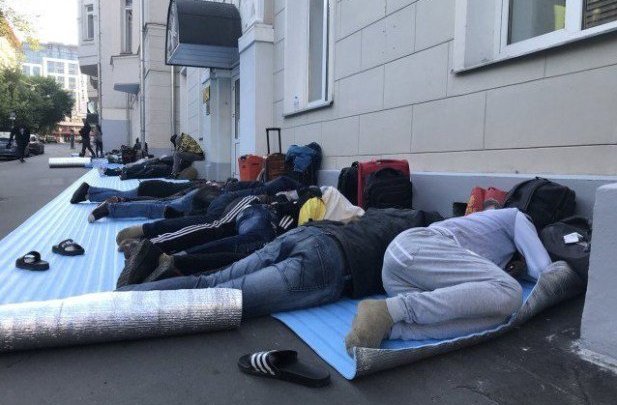
Gulf states, including Qatar, the United Arab Emirates, and Saudi Arabia, quickly responded by closing airspace and suspending commercial flights. Airports became congested as travelers scrambled to find alternative routes or secure shelter. Airlines were forced to reroute flights or cancel them entirely, creating a ripple effect that affected global travel networks. These disruptions highlight the direct human cost of geopolitical conflict, where ordinary lives are upended by events occurring far from their homes.
For professional athletes, celebrities, and international business travelers, the conflict compounded personal and professional challenges. Many were stranded mid-journey, unable to reach scheduled events, competitions, or family obligations. The chaos underscored the vulnerability of modern travel to sudden geopolitical crises, revealing how rapidly international events can disrupt both daily routines and long-term commitments. In particular, sports leagues, concerts, and corporate operations faced immediate uncertainty, as key figures could not travel safely.
William Troost‑Ekong Faces Travel Chaos in Qatar
William Troost‑Ekong, the former captain of Nigeria’s national football team and current Qatar Stars League player, is one of the prominent figures impacted by the airspace shutdowns. Troost‑Ekong had joined his Qatari club earlier in 2026 after an accomplished career across Europe, aiming to contribute to the league and maintain his professional form. The closure of Qatar’s airspace, imposed after missile strikes and escalating military operations in Iran, has left him temporarily stranded. He faces uncertainty regarding training, upcoming matches, and his return journey home, which has been indefinitely delayed. Nigerian media sources report that Troost‑Ekong is safe but frustrated by the lack of clarity on when normal travel will resume.
The disruption of Troost‑Ekong’s travel plans reflects a broader impact on the sporting calendar in the Gulf region. Clubs across Qatar and neighboring countries have paused matches and limited team movements to ensure player safety. Professional athletes, accustomed to structured schedules and regimented travel for games, suddenly face weeks of uncertainty and interrupted preparation. These conditions pose both physical and mental challenges, affecting not only fitness and match readiness but also personal well-being.
Beyond the professional implications, Troost‑Ekong’s experience highlights the human cost of regional conflict. Stranded athletes live with stress and anxiety, worrying about security, travel logistics, and family communications. Their routines are disrupted, with limited access to facilities, and social isolation compounds the strain. In this environment, even well-resourced professionals feel the vulnerabilities shared by countless other travelers caught in the Gulf’s sudden crisis.
Gulf Airspace Shutdowns Leave International Travelers Stranded
The immediate closure of airspace over Doha, Dubai, Abu Dhabi, Riyadh, and Kuwait created unprecedented disruption for international travelers. Airports became congested as thousands of passengers, including business executives, athletes, and tourists, were forced to remain in terminals or take shelter. Commercial airlines were compelled to cancel flights, reroute planes, and adjust schedules dynamically, often leaving travelers stranded for hours or days. The abruptness of these decisions left many without clear guidance or information on next steps.
Government authorities in Gulf countries justified the closures as essential to civilian safety. Following Iran’s missile retaliations and ongoing counterstrikes, the risk of air travel became significant, with potential threats to commercial aircraft in conflict-adjacent zones. Airlines coordinated with airport authorities to protect passengers, moving them to secure zones within terminals or arranging temporary accommodations. For many travelers, this was a harrowing experience, as fear of attacks combined with uncertainty over transportation options.
For the global travel network, the closures triggered cascading disruptions far beyond the Gulf. Flights connecting Europe, Asia, and Africa were delayed or rerouted, impacting business schedules, sports commitments, and family travel plans. Airlines had to navigate changing restrictions, ensure passenger safety, and communicate delays in real time. The situation highlighted the interconnectedness of international travel, where military conflicts in one region can have far-reaching consequences for civilians and professionals worldwide.
Football Stars and Sports Figures Face Unprecedented Travel Challenges
Professional athletes across multiple sports are among the most visible victims of the Gulf airspace disruptions, with schedules abruptly halted and routines thrown into chaos. Graeme Souness, the former Liverpool and Scotland captain, found himself stranded in Abu Dhabi and Dubai as his return flight to the United Kingdom was canceled. He described the experience as surreal, noting the loud explosions from anti-missile defenses across the UAE and the anxiety of navigating unfamiliar security protocols. For Souness, whose career has spanned decades of international travel, the disruption was both professionally inconvenient and personally stressful.
Indian badminton star PV Sindhu and her coaching team faced similar challenges at Dubai International Airport, where flights were suspended indefinitely. Sindhu recounted the tense hours spent in secure holding areas, coordinating with officials to ensure the safety of her team while awaiting evacuation options. The disruption threatened training schedules, participation in upcoming competitions, and even the ability to return home, emphasizing how the conflict affected not just leisure travelers but top-tier athletes whose livelihoods depend on timely travel.
Bangladesh cricket legend Mushfiqur Rahim was stranded in Jeddah, Saudi Arabia, as his Emirates flight returning from Umrah had to turn back due to airspace closures. For Rahim, the experience was compounded by uncertainty and lack of immediate clarity on travel resumption, highlighting the stress and disorientation shared by thousands in transit.
Collectively, these cases underscore how professional sportspeople, accustomed to meticulously planned itineraries, became involuntary witnesses to the broader geopolitical crisis, forced into prolonged waiting periods with limited options for secure travel.
US Basketball Players Caught in Iranian Retaliatory Strikes
The conflict did not only impact air travel but also put athletes in direct proximity to military strikes. US professional basketball player Destiny Littleton, currently playing in Israel, was caught up in Iranian missile counterattacks on Jerusalem, forcing her and teammates to seek shelter in panic. Littleton documented her experience via social media, conveying fear and anxiety as sirens blared and missiles were intercepted overhead. The sudden transition from professional sporting life to a conflict zone is a stark illustration of how geopolitical crises affect lives unexpectedly.
Other American players, including Tiffany Mitchell and Mikiah Herbert Harrigan, were similarly trapped in regions of active military engagement. Coaches, support staff, and local authorities scrambled to ensure safe evacuation, coordinating logistics under intense pressure. For athletes, whose daily focus is performance and training, the sudden presence of missiles and air raid sirens created trauma and logistical nightmares. Their professional commitments were suspended, and personal safety became the foremost concern, highlighting the broader human costs of conflicts beyond the battlefield.
Celebrities and Influencers Navigate Missiles and Flight Chaos Across UAE
High-profile non-athletes were equally affected by the Gulf disruptions, including British reality TV star Ella Barnes, a Love Island alumnus, who reported being evacuated from Dubai airport after her flight home was canceled due to missile sightings. She described the confusion and stress of being on the move while rockets were seen overhead, emphasizing how ordinary travel routines were replaced by urgent safety measures. For influencers dependent on schedules, public appearances, and travel commitments, the conflict brought immediate financial and professional challenges.
Other British social media influencers such as Sam Gowland and Arabella Chi, who live in the UAE, shared alarming experiences as rockets and missiles flew over their neighborhoods. Their testimonies illustrate the human impact of geopolitical crises on civilians who are neither political actors nor military personnel, reinforcing the broad reach of the conflict. The sense of dislocation, stress, and uncertainty was common across all affected areas, with civilians adapting to sudden danger while waiting for flight operations to resume.
Indian film stars based in the UAE were similarly caught in transit chaos. Ajith Kumar, a prominent actor and racing driver, along with Subhashree Ganguly, Sonal Chauhan, and Esha Gupta, were stranded in Dubai and Abu Dhabi due to suspended flights. Their experiences highlight how international celebrities, accustomed to global mobility, can suddenly find themselves at the mercy of airspace closures and regional security threats. The collective narrative of stranded figures, both athletes and celebrities, paints a human-centered portrait of the global consequences of the US-Israel-Iran conflict.
The Psychological Toll on Stranded Athletes and Celebrities
Being stranded in conflict zones affects more than travel plans; it directly impacts mental and emotional wellbeing. Many athletes like William Troost‑Ekong and basketball players Destiny Littleton, Tiffany Mitchell, and Mikiah Herbert Harrigan have described sleepless nights and heightened anxiety as air raid sirens and missile interceptions became part of their daily environment. For individuals accustomed to structured routines, training schedules, and predictable environments, the sudden threat of military escalation creates a sense of powerlessness that is difficult to manage.
Celebrities and influencers experienced similar strains. Ella Barnes and Sam Gowland shared accounts of stress compounded by the lack of immediate clarity on flight operations, evacuation timelines, and the safety of nearby relatives or support teams. While social media allowed them to communicate and document their experiences, it also intensified anxiety as they witnessed real-time reports of missile strikes and counterattacks. Constant exposure to such updates created a feedback loop, increasing worry and uncertainty.
Closing Thoughts
The current situation in the Gulf reveals how global tensions can create prolonged disruptions that extend far beyond the battlefield. Stranded travelers and professionals are navigating a world where schedules, commitments, and routines are suddenly uncertain, highlighting the fragile balance between daily life and broader geopolitical forces. Each delay and cancellation is a reminder that conflict has a human dimension, touching people who have no role in the politics driving it.
Beyond immediate travel challenges, this crisis illustrates the growing complexity of global mobility. In a region where multiple countries intersect and airspace closures can cascade across borders, planning has become a dynamic exercise in adaptation and patience. The experiences of those affected reveal not just inconvenience but resilience, showing how individuals and organizations respond under pressure when standard procedures no longer apply.
At its core, the ongoing disruption emphasizes that international events are inseparable from personal experience. While the conflict itself involves high-level strategy and military decisions, its consequences are lived in real time by ordinary and high-profile travelers alike. Monitoring, responding, and supporting those caught in these situations will remain essential, reminding the world that the impact of crises is immediate, sustained, and deeply human.