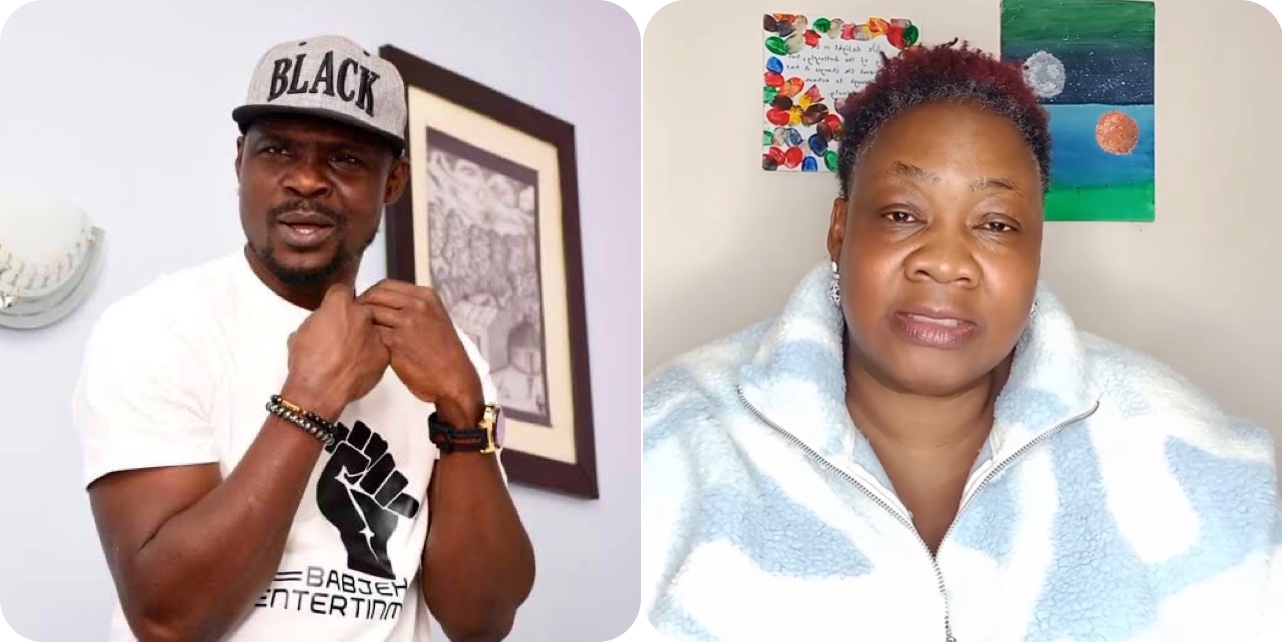
Convicted Nigerian actor, Olanrewaju James Omiyinka, popularly known as Baba Ijesha, has broken his silence. In a controversial interview with actress and host, Abiola Adebayo, on the Talk to B podcast, he denied the allegations against him.
He also claimed he was “set up” in the case that led to his conviction. His statements have reignited public outrage and fresh debate.
The interview was his first major appearance since regaining freedom. He had served a prison sentence for sexually assaulting a minor.
The interview quickly went viral and drew criticism over his claims. Many also questioned Biola Bayo’s decision to give him a platform.
The Interview: What He Said


In the now-viral sit-down, released on March 22, 2026, the interview marked his first public appearance since completing a five-year prison sentence for sexual assault. He was released in November 2025.
During the conversation, Baba Ijesha maintained his innocence over the 2021 incident that led to his conviction. He denied having any romantic or physical relationship with comedienne Damilola Adekoya aka Princess, insisting he never asked her out, hugged, or kissed her. He described the situation as a “setup,” claiming parts of the widely circulated video were linked to a “movie preparation.” He also alleged betrayal by people he trusted, specifically accusing Princess, the foster mother of the victim, of orchestrating events against him.
Baba Ijesha further claimed that on the day of the incident, Princess had asked to borrow his cameras for a shoot. Upon arriving at the location, he said he met several people on set and was instructed to go inside and act out a rape scene involving the victim.

According to him, the girl appeared uncomfortable, and he tried to coach her on how to act, believing it was part of a film project allegedly tied to a state government production. He added that, contrary to the initial plan, only phone cameras were used to record the scene. He claimed his own cameras were not used due to poor lighting, and that Princess insisted the generator could not be turned on.
He also alleged that when he requested a script, Princess dismissed him, saying he was experienced enough to interpret the role without one. He claimed she instructed him to tear the girl’s clothing as part of the performance, assuring him that any backlash would be handled.
Baba Ijesha said he was still trying to guide the girl through the scene before filming properly began when people suddenly confronted and attacked him, accusing him of attempting to rape her.
Speaking on his time in prison, he further alleged that several individuals later came to apologise for falsely accusing him of rape. According to him, they claimed they had been promised ₦250,000 to support the allegations but later recanted due to public backlash and what he described as “curses” directed at them online.
The actor also revisited his relationship with Iyabo Ojo, claiming she once trusted him enough to leave her children, Festus and Priscilla, in his care. This claim was strongly disputed by Ojo, who issued a cease-and-desist warning, asking him to stop involving her children in his narrative. She clarified that her children were always supervised by nannies or her late mother and were never left alone with him. Ojo also stressed that the victim was a minor and that the court’s guilty verdict was based on evidence, urging him to show remorse.
Speaking on his time in prison, Baba Ijesha praised correctional officers for their rehabilitation efforts. He also shared his experience with Bobrisky, describing him as kind and generous to fellow inmates despite public perceptions. Baba Ijesha added that he now sees himself as an “ambassador for prisoners.”
He also extended prayers to Princess, wishing her well, while appealing to his fans for continued support. He insisted he is not guilty of the crimes for which he was convicted.
The interview has since sparked widespread backlash. Many Nigerians criticised Biola Adebayo for giving a platform to a convicted offender, describing the move as insensitive. Others argued that amplifying his claims risks downplaying the gravity of the crime and could discourage survivors from speaking out. However, a minority believe he has the right to share his side, fueling ongoing debates around accountability, justice, and media responsibility.
Case Background

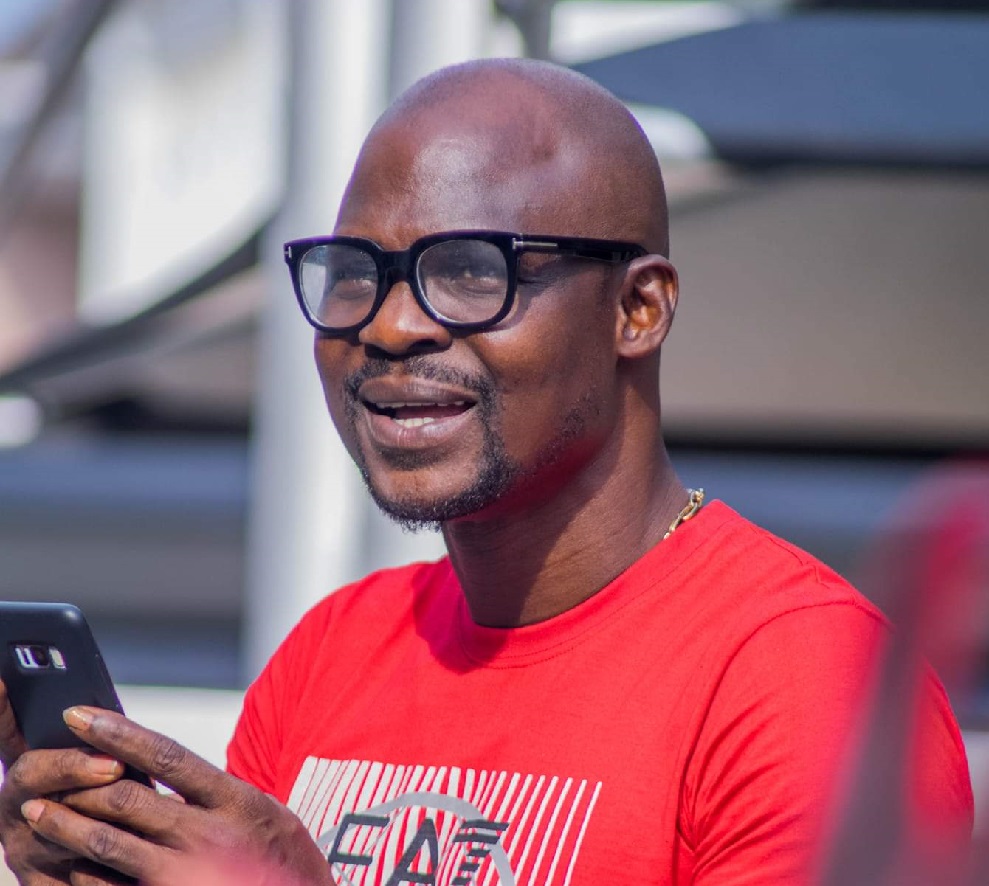
The case involving Baba Ijesha dates back to 2021, when the Nollywood actor was arrested over allegations involving a minor under the care of Damilola Adekoya, popularly known as Princess. The incident gained national attention after hidden phone footage surfaced, triggering widespread outrage.
In July 2022, a Lagos State High Court found him guilty of sexual assault and indecent treatment of a 14-year-old girl. Court proceedings also revealed allegations that the abuse began when the victim was as young as seven, further intensifying public condemnation. He was sentenced to five years in prison, with the terms ordered to run concurrently.
Although some counts linked to earlier allegations were later set aside on appeal, the court upheld his conviction for offences committed in 2021, affirming the custodial sentence.
Baba Ijesha was eventually released on November 14, 2025, after completing his sentence. Authorities clarified that his release was not an exoneration but simply the conclusion of the prison term imposed by the court
The Platforming Debate
Beyond the immediate backlash, the interview has reignited a broader debate about who gets a platform and at what cost.
At the centre is Abiola Adebayo’s editorial decision to host Baba Ijesa. For critics, the issue is not just what was said, but the legitimacy conferred by the platform itself. By granting him a widely viewed space to speak, they argue, the interview enables an attempt to reshape public perception in ways that may conflict with established legal findings.
This concern is heightened by the nature of the case. Netizens argue that such visibility risks normalising or softening narratives around sexual offences involving minors, particularly when controversial claims are allowed to circulate widely.
For many, the timing is also significant. Coming relatively soon after his release, the interview is seen as potentially reopening wounds and retraumatising victims, while shifting focus from accountability to personal rehabilitation.
However, others frame the issue differently, through the lens of free expression and storytelling. From this perspective, having served his sentence, Omiyinka retains the right to speak publicly, including challenging the narrative that defined his trial and public image.
The tension between these views reflects a broader dilemma in modern media: whether platforms should act as neutral spaces for all perspectives, or exercise restraint when dealing with sensitive, high-impact issues.
Closing
The controversy surrounding the interview underscores a difficult reality. One that long after a court delivers its judgment, the struggle over narrative and public perception often continues.
For Baba Ijesa, the interview represents an attempt to reclaim his voice and challenge the story that has defined him. He also mentioned his plans to drop a movie about his experience. For many Nigerians, however, the issue goes beyond one individual. It speaks to how society responds to cases involving sexual violence, particularly those affecting minors.
The backlash against Biola Adebayo also reflects a growing expectation that media figures exercise greater editorial responsibility when handling sensitive subjects.
At its core, the debate is not just about whether a convicted person should speak, but about how, when, and under what conditions those conversations are amplified and who bears the consequences.