The Nigerian gospel and Nollywood community has been thrown into mourning following the death of Onos Brisibi, the soulful voice behind some of the most memorable soundtracks of the industry’s golden era. She passed away on March 23, 2026, at the age of 55 after a prolonged illness, leaving behind a legacy etched in both worship music and film.
Though not always in the spotlight, her voice carried weight, helping to shape the emotional core of films like Domitilla, where music and storytelling became inseparable.
The news of her passing was confirmed by her family and later amplified through an emotional tribute by her cousin, Nollywood veteran Richard Mofe-Damijo. Here are 10 things to know about the woman whose voice became an unforgettable part of Nigeria’s cinematic and gospel soundscape.


1. She was born into a deeply religious family in Delta State
Onos Brisibi was born on November 20, 1970, in Aladja, Udu Local Government Area of Delta State, into a devout Christian home. Her father, Apostle Ambrose Oproze Brisibi, and her mother, Deaconess Mary Koko Brisibi, were both deeply rooted in church ministry. This influence would shape the course of her life and career.
Raised in an environment where faith and music were intertwined, Brisibi’s early years were steeped in spirituality, discipline, and service. It was within this setting that her passion for music first took root, nurtured by church activities and a household that valued worship as a way of life.
2. Her journey into music began early and gained momentum during her university years
For Brisibi, music was not a late discovery, it was a calling that revealed itself early. She began singing at just nine years old, gradually developing a voice that would later become one of the most recognisable in Nollywood’s formative years.
But it was during her time at Delta State University that her talent truly began to command attention. On campus, she became widely admired for her vocal strength and versatility, performing both original songs and renditions of global icons such as Whitney Houston and Celine Dion.
3. She became the voice behind Nollywood’s golden era soundtracks
Brisibi’s defining moment came when her voice found a home in Nollywood. She emerged as one of the industry’s most sought-after soundtrack artistes, lending her vocals to films that would go on to become cultural landmarks.
Her work on Domitilla remains one of her most iconic contributions, amplifying the film’s themes of struggle, survival, and redemption. She also featured in other classics such as Blood Money, Shame, Deadly Passion, Dead End and Mortal Inheritance, helping to define the emotional texture of Nollywood storytelling in the 1990s and early 2000s.

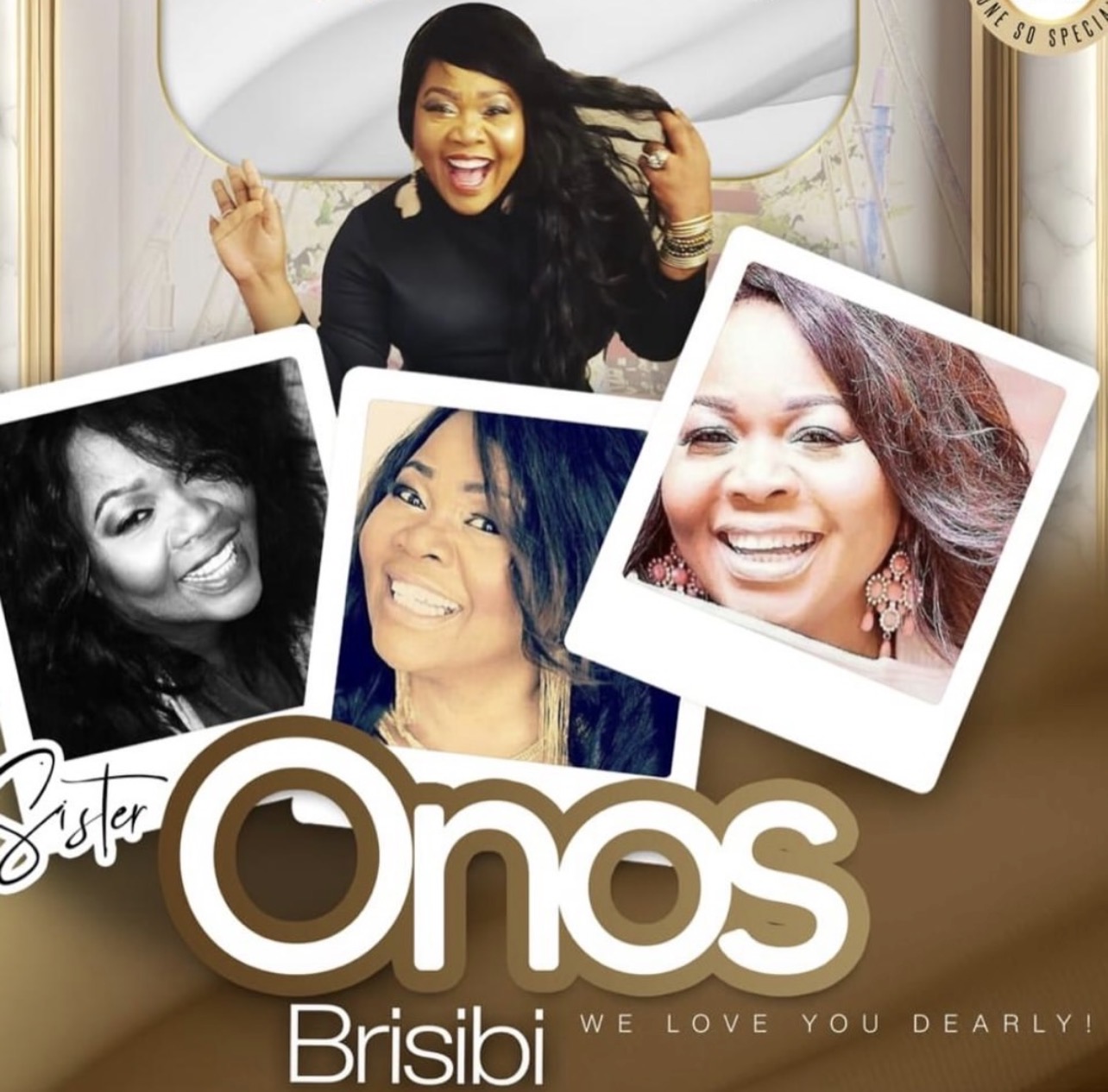
4. Brisibi and actor Richard Mofe-Damijo were cousins
Beyond her music, Brisibi shared a personal connection with Nollywood icon Richard Mofe-Damijo. They were cousins. Both hailed from Aladja in Udu Local Government Area of Delta State.
Following her passing, Mofe-Damijo described her as “more than family” and “love in human form,” recalling childhood memories of her frequent visits to his mother’s home, where a special plate was always reserved for her. Their relationship remained playful and warm into adulthood, marked by affectionate nicknames. According to the actor, just days before her death, he spent time with her, reminiscing alongside family.
5. She was an early collaborator with Lagbaja, lending her voice to the hit track “Gra Gra”
Before fully establishing herself as a gospel minister and Nollywood soundtrack icon, Brisibi collaborated with Afrobeat maestro Lagbaja in the late 1990s.
Her standout contribution came on the hit track “Gra Gra” (“No Do Gra Gra”), where her powerful vocals added depth and character. She also worked as a backup and session vocalist.
Though sometimes confused with Ego Ogbaro, Lagbaja’s long-time lead vocalist, Brisibi carved her own path, one that would later dominate Nollywood soundtracks.
6. She was a devoted worship leader and an “Esteemed Sister” in church
Beyond the studio, Brisibi’s life was anchored in ministry. She was widely regarded as an “Esteemed Sister” within LoveWorld Ministries, where she played an active role in the church’s music ministry.
In later years, she was based in Chicago, where she continued her ministry and remained a prominent member of her local church community.

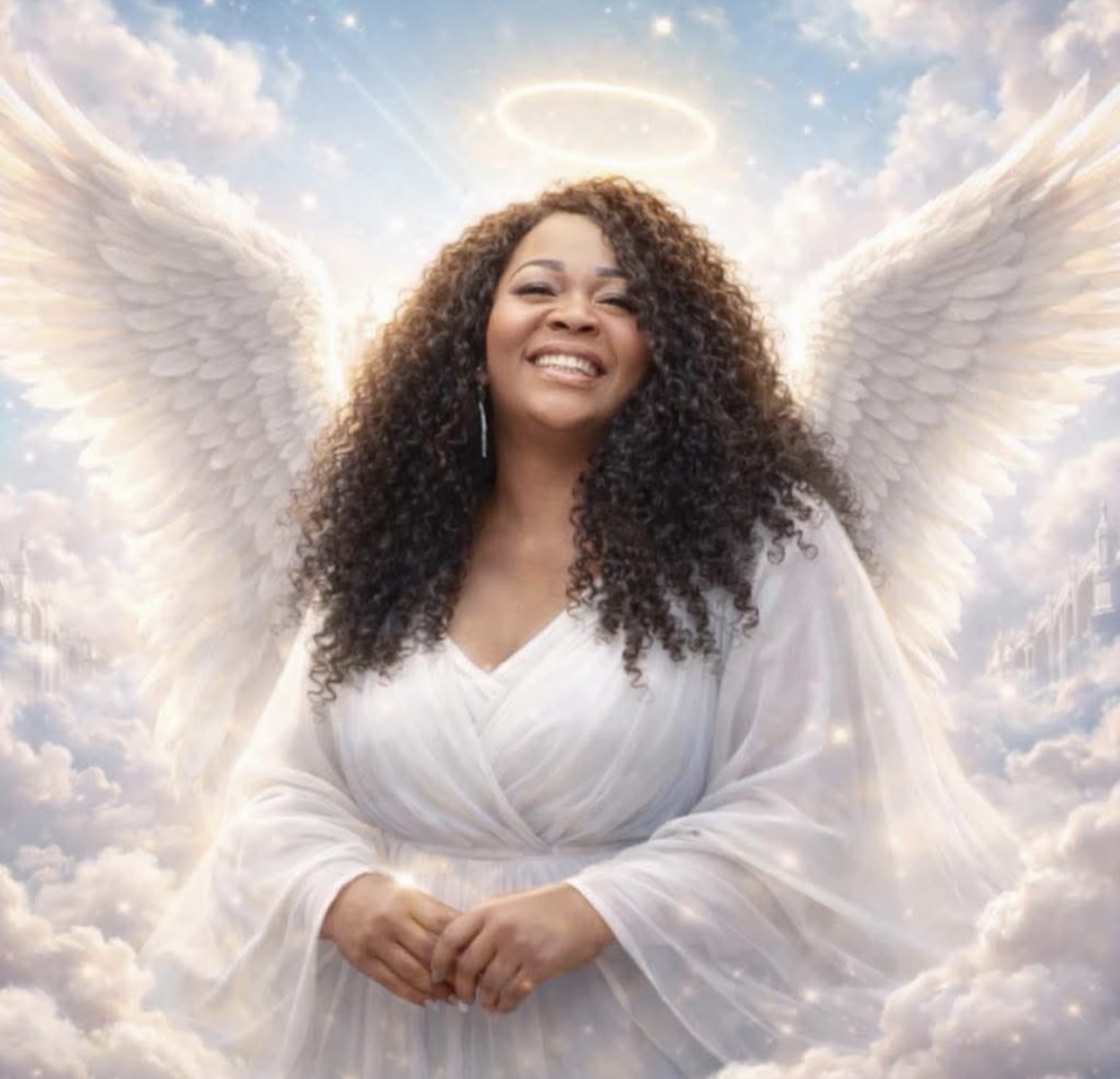
7. She is survived by her daughter, mother, and a close-knit family
Brisibi is survived by her daughter, Sarah Brisibi, her mother, Deaconess Mary Koko Brisibi, as well as her siblings and extended family.
8. Beyond soundtracks, her gospel ministry earned her awards and global recognition
While celebrated for her Nollywood work, Brisibi also earned recognition as a gospel artiste. In 2015, she won Best Gospel Artiste at the South South Music Awards, affirming her influence within the gospel music scene.
9. She battled illness before her passing at 55
The final chapter of Onos Brisibi’s life was marked by a quiet but difficult battle with illness. She passed away on March 23, 2026, at 55, bringing an end to a journey that touched both gospel and Nollywood communities. Details of her final moments remain largely private.
10. Her voice remains one of the most enduring sounds of Nollywood’s golden era
Even in death, Brisibi’s voice continues to echo through the films that defined a generation. From Domitilla to Blood Money, her music gave them soul. And though she is gone, her legacy endures in every note, every scene, and every memory her voice once carried.