Disturbing videos circulating widely on social media have thrown Ozoro into the national spotlight, capturing chaotic scenes in which women are seen being chased, harassed, and sexually assaulted in public.
The footage, filmed during a recent community festival period, shows large groups of young men moving through the streets while a female attempts to flee. In the clips, victims are visibly overpowered as onlookers record the incidents, sparking outrage across Nigeria.
The clips has sparked outrage from netizens who vented out their frustration online.
What Happened in Ozoro?
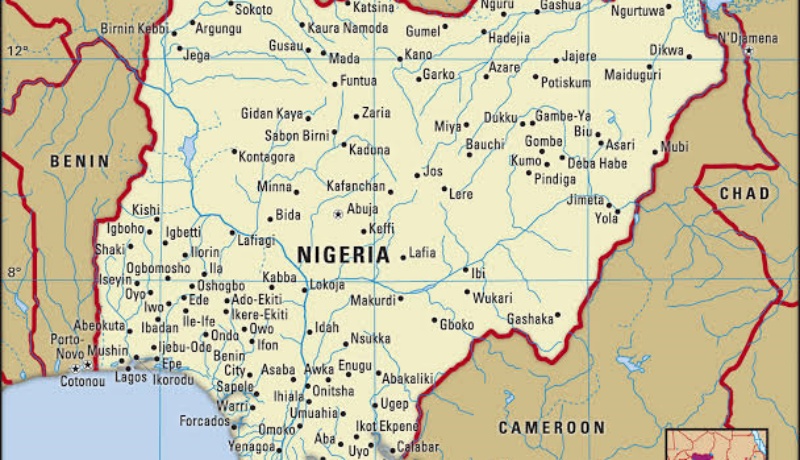
The incident in Ozoro has been linked to activities surrounding the Alue-Do festival, a traditional event observed in parts of the community.
Ozoro, the headquarters of Isoko North Local Government Area in Delta State, hosts this annual festival, which is associated with certain long-standing customs. According to police and multiple reports, this custom includes advisories for women to remain indoors during specific periods of the celebration.
Traditionally, the festival is said to focus on fertility rites, particularly for couples experiencing difficulty with childbirth. Reported practices include visits to a goddess’s temple and symbolic rituals such as pouring sand on childless married couples. This act is intended to encourage fertility.
However, videos circulating from the 2026 edition present a disturbing deviation from these claims. The footage shows groups of young men chasing women through the streets, forcibly tearing their clothes and subjecting them to public molestation.
The incident reportedly occurred on March 19, 2026, with videos surfacing online the following day and triggering widespread outrage nationwide.
Residents told reporters that prior announcements had warned women to stay indoors at certain times. Despite this, some women were either unaware of the warnings or unable to comply, leaving them exposed.
The full extent of the incident remains unclear. The number of victims are unknown, although some individuals were reportedly treated in hospital.
There are also conflicting accounts regarding the severity of the violence. While authorities and some community leaders acknowledge that harassment and assaults occurred, they dispute claims of widespread rape, describing the acts as molestation. In contrast, activists and netizens argue that the incidents amount to serious sexual violence, regardless of how they are labelled.
Community leaders have maintained that the festival is rooted in tradition but admit that some youths misinterpreted and abused its practices, leading to the attacks.
Public Outrage and National Reaction
The circulation of the Ozoro videos triggered widespread outrage across Nigeria, with condemnation spreading rapidly across social media platforms.
Within hours of the footage emerging, Nigerians on X (formerly Twitter), Instagram, and Facebook began calling for immediate arrests, accountability, and protection for women, pushing the incident into national discourse.
Many netizens expressed shock at the scale of the violence and the public nature of the attacks, questioning how such incidents could occur openly without swift intervention. Others demanded clarity from authorities, particularly over claims that women had been warned to remain indoors during the festival period.
Civil society voices and commentators also weighed in, framing the incident as part of a broader issue of gender-based violence and societal impunity, while urging law enforcement to act decisively.
Even celebrities were not left out. Singer Spyro, Comedian Mr Jollof, influencer Ifedayo Agoro among others frowned on the act
Official Response
Authorities moved quickly following the viral spread of the Ozoro videos, with both law enforcement and government officials issuing strong condemnations and initiating action.
The Delta State Police Command confirmed that at least five suspects, including the community head and chief organiser of the festival, have been arrested in connection with the assaults.
Police spokesperson Bright Edafe described the incident as “alarming, disgusting and embarrassing,”stressing that the command “condemns it in totality” and has transferred the case to the State Criminal Investigation Department for further probe.
The Commissioner of Police also ordered a full-scale investigation, deploying tactical teams to identify and apprehend all those involved.
At the government level, the Delta State Government condemned the acts as “barbaric and unacceptable,” warning that no individual or group would be allowed to hide under the guise of cultural practice to commit crimes.
Similarly, the Federal Government weighed in, calling for swift justice for victims and reinforcing that acts of sexual violence cannot be justified under any circumstance.
Cultural Context
Cultural festivals in Ozoro, a community in Delta State’s Isoko North Local Government Area, are rooted in long-standing traditions tied to identity, spirituality, and communal life.
Like many parts of southern Nigeria, the community reflects a blend of Christianity and indigenous belief systems, where traditional rites and seasonal celebrations continue to shape social and cultural expression.
Across the country, such festivals generally serve as communal gatherings that reinforce unity, provide space for blessings or symbolic rituals, and operate under established norms guided by elders and local leadership.
In some regions, events like the Gèlèdé Festival are specifically designed to honour women and maintain social balance, while masquerade traditions often involve structured performances and, at times, temporary movement restrictions tied to cultural beliefs.
It is therefore not unusual for festivals to include certain guidelines, such as limits on movement, rules about participation, or symbolic acts that require shared cultural understanding. However, these practices are typically well communicated within the community, closely supervised, and expected to remain within clearly defined boundaries.
The point is, traditional festivals are not new, however, they are meant to preserve values and maintain order. When actions during such events violate the law, dignity, and personal safety, they move beyond culture into criminal conduct, regardless of how they are framed.
Safety, Gender, and Accountability
The events in Ozoro have renewed national focus on gender-based violence (GBV) in Nigeria, an issue consistently documented by government bodies, international organisations, and human rights groups.
Available data indicates that violence against women is part of a broader and persistent pattern. Studies suggest that at least one in three Nigerian women have experienced physical violence, while around seven percent report having faced sexual violence. These figures are widely considered underestimated due to stigma, fear, and low reporting rates. Among children and adolescents, research shows that one in four girls has experienced sexual violence, further highlighting the depth of the problem.
More recent figures reinforce these concerns. Thousands of GBV cases were recorded within the first three quarters of 2025, with ongoing human rights monitoring continuing to document hundreds of sexual violence incidents alongside widespread domestic abuse.
This is also a solid reason the situation in Ozoro is particularly troubling. Seeing violence occurring openly in public spaces, in the presence of crowds.
Conclusion
Investigations into the Ozoro incident are ongoing, with the Delta State Police Command confirming that several suspects, including the festival organiser have been arrested and transferred to the State Criminal Investigation Department for further inquiry.
Authorities say efforts are continuing to identify and apprehend other individuals involved, while calling on victims and witnesses to come forward with information that could aid the case.
Federal and state government have reiterated that no cultural practice can justify sexual violence, stressing that anyone found culpable will be prosecuted in accordance with the law.
As the process unfolds, the situation is increasingly seen as a test not only of law enforcement capacity, but also of how communities, institutions, and the wider public respond to acts of violence carried out in full view.