Lisabi Day, also called the Lisabi Festival, is one of the most celebrated cultural events in southwestern Nigeria. It occurs annually in Abeokuta, Ogun State, to commemorate the heroism, leadership, and enduring legacy of Lisabi Agbongbo-Akala, a legendary warrior and Egba leader who united the Egba people against oppression centuries ago. The festival is not only a celebration of historical achievement but also a platform for showcasing Yoruba identity, cultural pride, traditional arts, music, fashion, and community cohesion. In 2026, the 39th edition of Lisabi Day drew unprecedented attention from both Nigerian dignitaries and cultural enthusiasts, making Abeokuta a focal point of heritage celebration and contemporary cultural interaction.
Lisabi Day has evolved over decades from a modest commemoration to a festival of cultural diplomacy and global participation. It combines traditional rituals, public discussions on heritage preservation, exhibitions of local crafts, music, fashion showcases, and forums addressing societal development. The 2026 festival was also associated with initiatives such as Egbaliganza, a fashion and culture exchange program that highlights indigenous clothing, creative arts, and African craftsmanship to international audiences. With Abeokuta serving as both historical and contemporary cultural hub, Lisabi Day offers a lens through which Yoruba history and contemporary Nigerian identity intersect.
When and Where Lisabi Day 2026 Took Place
The 39th Lisabi Festival was held around March 28, 2026, in Abeokuta, Ogun State, the ancestral home of the Egba people. Abeokuta, a city known for its historical significance and rock formations, has been central to Yoruba political and cultural history for centuries. The festival itself spans multiple days, although the main events, parades, and performances were concentrated on March 28. Local authorities, tourism boards, cultural institutions, and traditional leadership collaborated to ensure the festival ran smoothly. Streets were decorated in traditional motifs, exhibition halls were prepared for cultural presentations, and security arrangements were heightened to accommodate both VIPs and thousands of attendees.
The city’s spatial layout allowed for multiple interconnected events: parades along the main thoroughfares, traditional music and dance in city squares, cultural exhibitions in heritage centers, and fashion showcases at designated venues. The Abeokuta City Council and state cultural agencies facilitated coordination, ensuring the festival was accessible to locals, visitors, and media personnel. By situating the festival within the heart of Abeokuta, organizers reinforced the connection between Lisabi’s historical legacy and the contemporary celebration of Yoruba identity.
High-Profile Dignitaries and Public Figures in Attendance
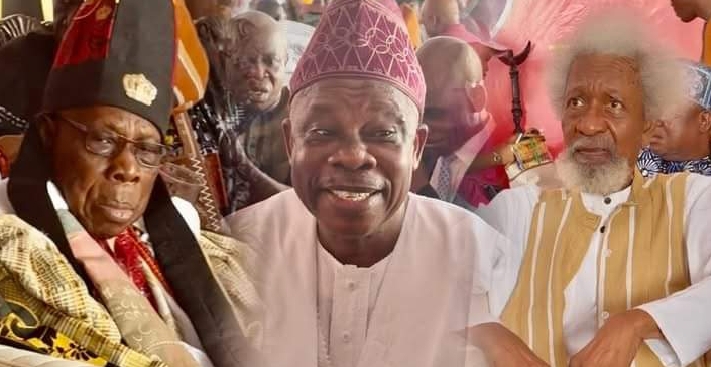
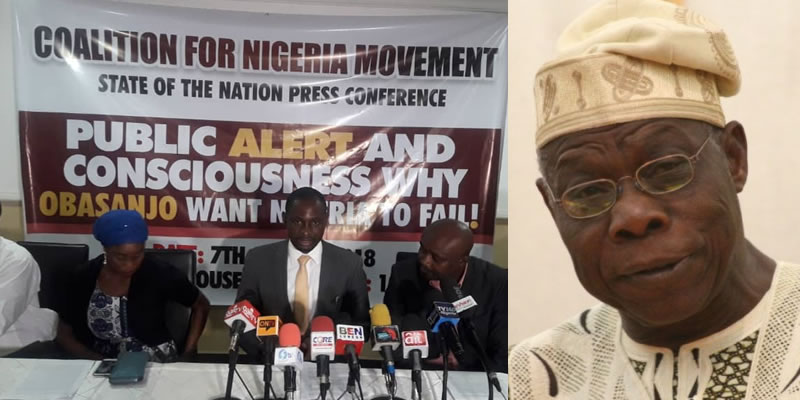
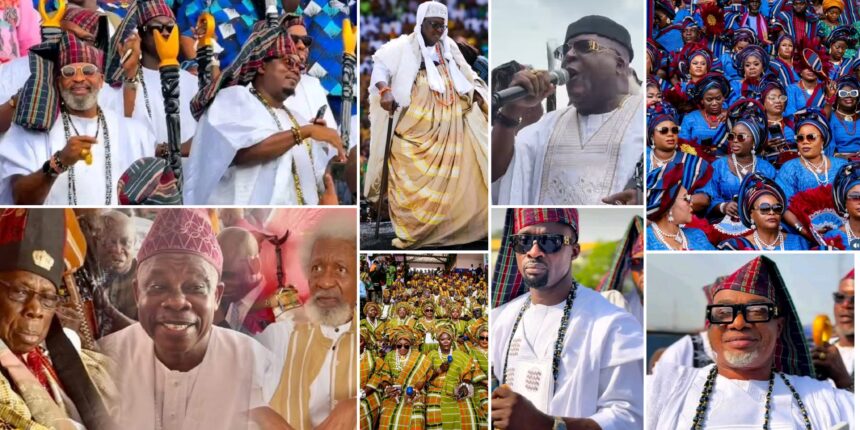
One of the defining features of Lisabi Day 2026 was the presence of Nigeria’s most prominent political and cultural figures. Their participation not only lent gravitas to the festival but also highlighted the importance of cultural heritage in public discourse. Former President Olusegun Obasanjo attended as a guest of honor, participating in discussions on traditional medicine, heritage preservation, and tourism. Obasanjo emphasized the role of cultural identity in nation-building and urged stakeholders to integrate historical knowledge into contemporary development strategies. His presence reflected the political and symbolic weight that Lisabi Day carries across Nigeria.
Former Ogun State Governor Ibikunle Amosun was also present, reinforcing his continued involvement in cultural and community affairs even after leaving office. Amosun’s attendance signified the local government’s commitment to supporting Egba heritage and promoting Yoruba unity. Professor Wole Soyinka, Nobel Laureate and cultural icon, participated in intellectual forums and public discussions, bridging the festival’s cultural and scholarly dimensions. These figures, combining political, intellectual, and cultural authority, positioned Lisabi Day as both a celebration and a platform for national reflection on history, identity, and societal values.
Traditional Rulers and Community Elders
The festival prominently featured traditional leadership, reflecting the enduring authority of Yoruba governance structures. The Alake of Egbaland, Oba Adedotun Aremu Gbadebo, served as the host and central ceremonial figure. His role was both symbolic and practical, guiding proceedings, delivering key speeches, and representing Egba interests in broader discussions. The Alake’s presence reinforced continuity between historical leadership traditions and contemporary community management.
Other community elders, including Seriki Iyalaje of Egbaland, Emmanuella Aderopo, and representatives of market and trade associations, participated in the festival. Their involvement illustrated the multi-generational, multi-sectoral engagement of Lisabi Day, connecting local governance, economic leadership, and cultural stewardship. Together, traditional rulers and elders provided context, narrative continuity, and a living link to the Egba people’s ancestral history.
Entertainers, Cultural Personalities, and Artists in attendance
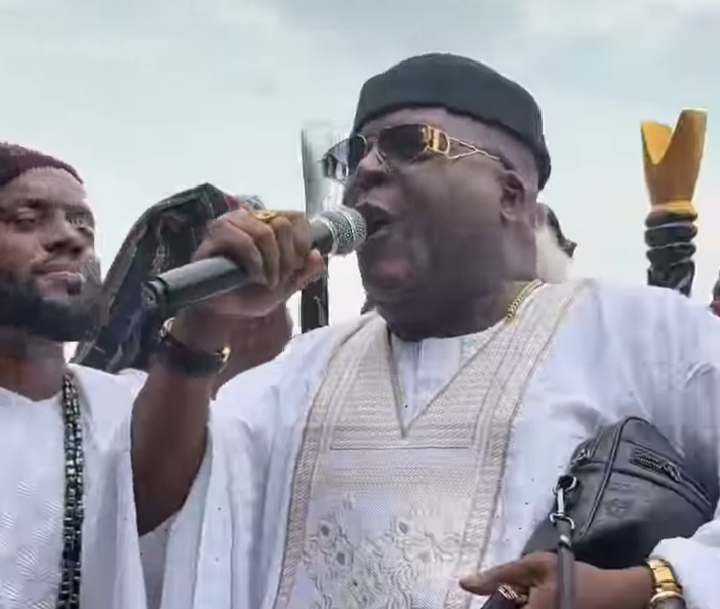
Lisabi Day 2026 also reflected contemporary Nigerian cultural vibrancy, with entertainers bridging tradition and modernity. Actors such as Olaiya Igwe, Fisayomi Abebi, Yemi Solade, Muyiwa Ademola, and Owolabi Ajasa were reported in attendance, participating in performances, traditional parades, and cultural panels. Music icons such as Shina Peters, a pioneer of highlife and juju music, and Fuji artist Malaika performed, blending Yoruba musical heritage with celebratory entertainment.
Former Big Brother Naija housemate Opeyemi Imisi Ayanwale attracted media attention for her striking traditional attire, which combined modern fashion sensibilities with indigenous textile art. Her presence exemplified how contemporary personalities can amplify cultural festivals, drawing younger audiences and integrating modern celebrity culture into traditional heritage celebrations. The participation of entertainers ensured that Lisabi Day resonated across generational divides, balancing historical reverence with contemporary cultural expression.
Educational Activities
Lisabi Day is not only a visual and entertainment spectacle but also an educational platform. In 2026, multiple activities were designed to reinforce cultural knowledge and heritage consciousness. Heritage exhibitions showcased traditional medicine, local crafts, and indigenous knowledge systems. Prominent figures such as Olusegun Obasanjo spoke on the importance of preserving historical wisdom, including herbal medicine, oral history, and local governance traditions.
The festival emphasized youth engagement, addressing challenges such as declining interest in technical and vocational skills. Workshops and seminars encouraged young people to explore careers connected to traditional crafts, music, dance, and performance arts, linking cultural pride with sustainable economic development. By positioning the festival as a conduit for education and skill acquisition, organizers reinforced the relevance of Lisabi Day beyond ceremonial celebration.
Fashion, Arts, and Aesthetic Celebration
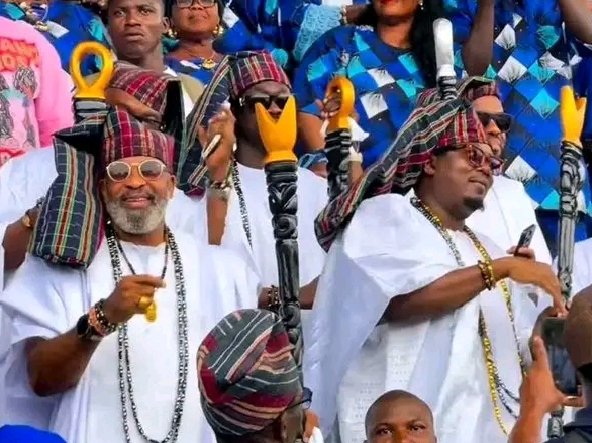
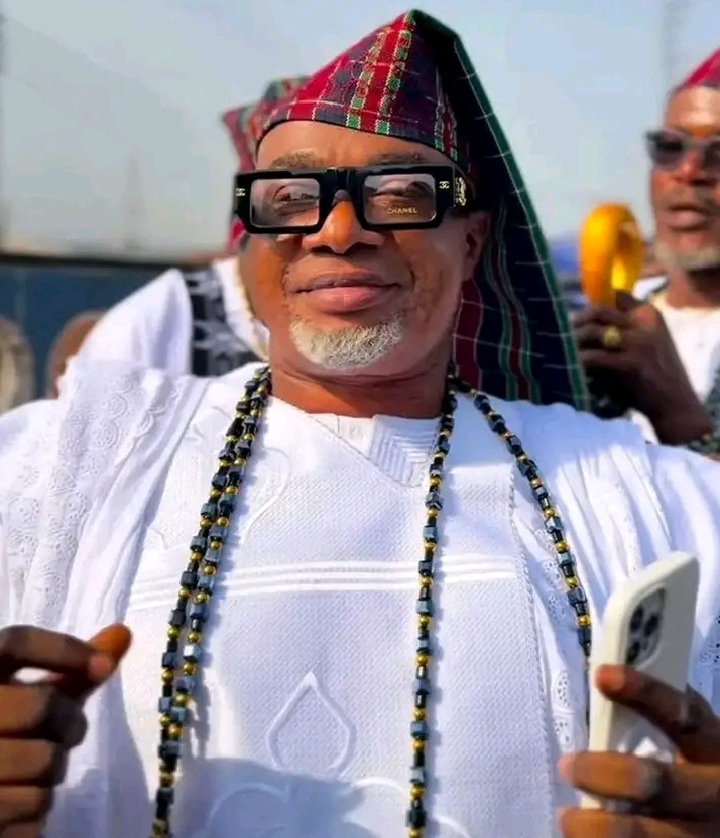
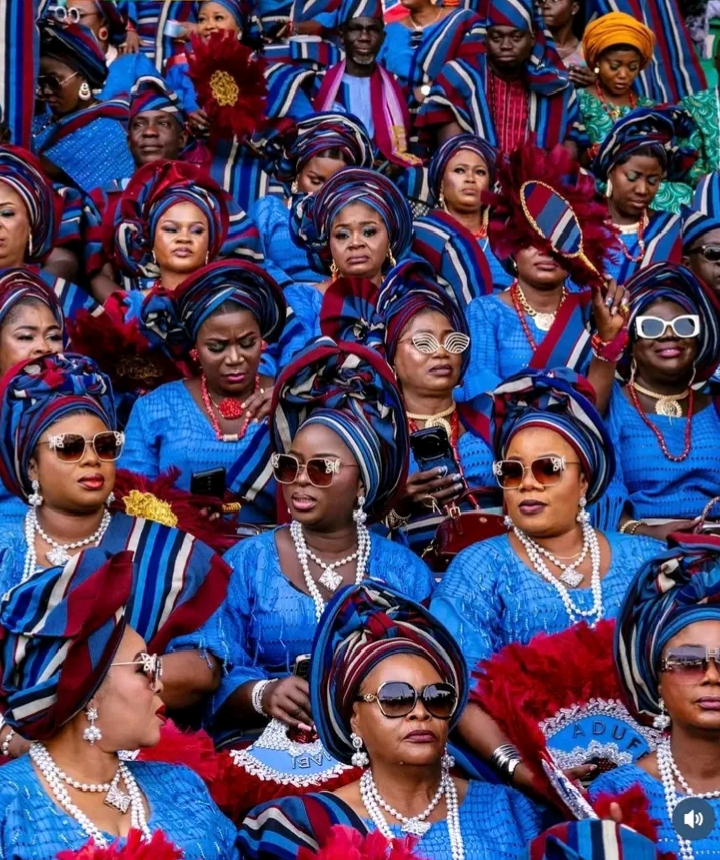
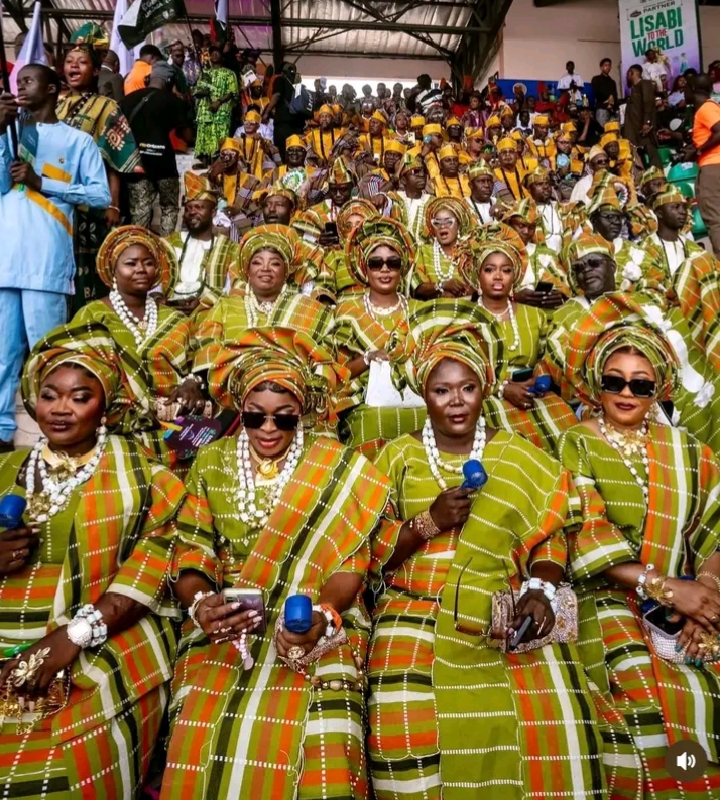
A significant highlight of Lisabi Day 2026 was the fashion and artistic dimension. Traditional attire such as aso-oke, adire, agbada, gele, and other Yoruba textile traditions dominated both the parades and exhibition spaces. The festival’s association with Egbaliganza created a platform for designers, artisans, and cultural enthusiasts to showcase African creativity and craftsmanship to both local and international audiences.
Fashion exhibitions included live demonstrations of weaving, dyeing, and tailoring techniques, highlighting the skill and aesthetic sophistication embedded in Yoruba sartorial traditions. These activities reinforced cultural continuity, provided economic opportunities for artisans, and offered visitors an immersive experience of Yoruba artistic expression. The visual spectacle was complemented by performances, storytelling, and live music, creating a multisensory celebration of heritage.
Community Engagement and Economic Impact
Lisabi Day 2026 had a tangible impact on Abeokuta’s community, economy, and tourism. Markets, eateries, hotels, and transport services experienced increased activity due to influxes of visitors, celebrities, and dignitaries. The festival facilitated opportunities for local entrepreneurs, artisans, and performers to monetize their cultural skills while enhancing citywide engagement with heritage.
Community-based activities included youth parades, culinary showcases, dance competitions, and art exhibitions. Local schools, vocational centers, and cultural institutions were engaged, ensuring multi-level participation. The event also served as a networking platform, allowing local and international participants to exchange ideas, explore collaborations, and advocate for cultural preservation initiatives. By integrating economic, social, and cultural objectives, Lisabi Day positioned itself as a festival with both heritage significance and practical societal benefits.
International Participation
Lisabi Day 2026 extended its reach beyond Nigeria through initiatives such as Egbaliganza, attracting delegates from approximately fifty nations. These international participants engaged in workshops, exhibitions, and cultural discussions, creating a cross-cultural dialogue on African heritage and creative arts. The festival aimed to position Abeokuta as a hub for global cultural exchange, emphasizing African creativity and identity.
International exposure amplified local pride while creating avenues for knowledge transfer, tourism promotion, and investment in cultural enterprises. Delegates from foreign universities, museums, and fashion institutions explored Yoruba art, textiles, and performance arts, enhancing Nigeria’s soft power in the global cultural economy. This international dimension added prestige to the 39th Lisabi Festival, ensuring its relevance beyond national borders.
Historical and Cultural Significance
Lisabi Day continues to honor Lisabi Agbongbo-Akala, who lived centuries ago and led the Egba people in resisting domination. His legacy is a symbol of courage, unity, and strategic leadership. The festival preserves historical memory, linking contemporary Yoruba society to its ancestral roots. Through rituals, reenactments, and storytelling, participants connect with history in a living, participatory manner.
The festival also underscores the adaptability of Yoruba culture, blending traditional practices with modern expressions. The integration of media coverage, celebrity participation, fashion showcases, and international engagement demonstrates that heritage is dynamic, evolving, and capable of addressing contemporary social, economic, and cultural issues.
Broader Societal Themes
Lisabi Day 2026 reinforced several broader societal themes:
Unity and Identity: The festival drew local residents, diasporans, and visitors into a collective celebration of Yoruba identity, fostering cohesion across generations and social groups
Cultural Preservation: By spotlighting crafts, textiles, music, and traditional governance, the festival transmitted knowledge to younger generations
Youth Engagement: Through workshops and exhibitions, young participants explored careers and entrepreneurial avenues tied to cultural heritage
Economic Development: Increased tourism, vendor sales, and artisan promotion contributed directly to local livelihoods
Global Visibility: International delegates amplified Nigeria’s cultural profile, reinforcing the nation as a center of African heritage and creativity
Challenges and Opportunities
Organizing a festival of Lisabi Day’s scale presents logistical, cultural, and security challenges. Coordinating traditional rulers, celebrities, and international guests requires precise planning. Traffic, accommodation, crowd management, and scheduling are complex tasks that demand cooperation between state agencies, city authorities, and festival organizers.
However, these challenges also create opportunities. They foster cross-sector collaboration, enhance city infrastructure, and strengthen cultural diplomacy. Lessons from Lisabi Day 2026 can inform future festivals, making them more inclusive, globally engaging, and economically sustainable. By integrating technology, media, and strategic partnerships, future editions may expand even further, solidifying Abeokuta as a global cultural capital.
Lisabi Day as a Living Cultural Legacy
The 39th Lisabi Festival in Abeokuta exemplified the vitality of Yoruba and Egba culture in contemporary Nigeria. It seamlessly integrated history, cultural pride, entertainment, education, fashion, and global participation. With high-profile political and cultural figures like Olusegun Obasanjo, Ibikunle Amosun, and Wole Soyinka attending, alongside traditional rulers, youth, and international delegates, the festival reinforced its importance as both a heritage celebration and a platform for cultural diplomacy.
Lisabi Day 2026 demonstrated how cultural festivals can bridge generational gaps, stimulate local economies, promote youth engagement, and elevate global awareness of Nigerian heritage. It served as a reminder that history is not static but a living, participatory experience that informs identity, community cohesion, and national pride. Abeokuta’s streets, exhibition halls, and public spaces became more than sites of celebration; they became stages for education, cultural preservation, and international dialogue, ensuring Lisabi Agbongbo-Akala’s legacy endures in the hearts of the people and on the global stage.
SEE PHOTOS BELOW