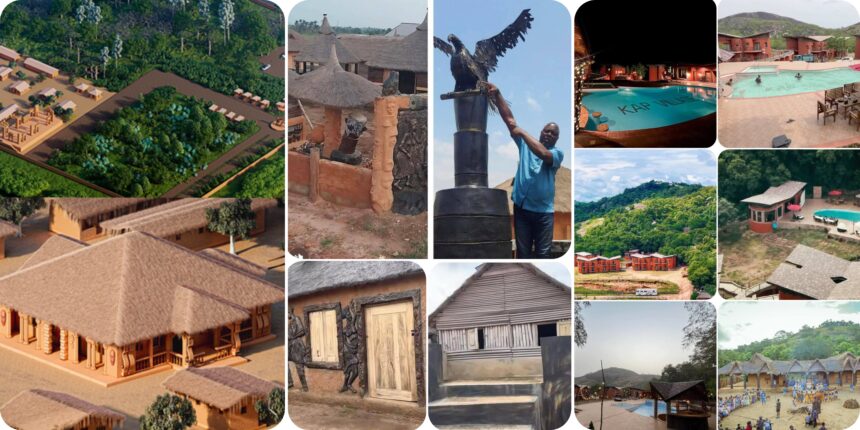
Nigeria’s evolving film village movement gained fresh momentum this week with the unveiling of the Okiki Films Village, a seven-acre production space developed by filmmaker Sunday Esan in Ibadan.
Announced on March 27, 2026, the facility which located in Akinyele Local Government Area is designed as a culturally immersive filming environment, featuring traditional mud houses and symbolic architecture intended to recreate pre-colonial African settings.
Esan describes the project not simply as a filming location, but as a “cultural sanctuary,” built to support epic, historically rooted productions and preserve indigenous storytelling traditions.
The launch has drawn attention across the Yoruba film industry, with actors and filmmakers hailing it as another step toward building dedicated creative spaces that reflect African identity on screen.
More significantly, it underscores a broader shift already underway in Nigeria’s film sector. It’s a move away from improvised locations, toward purpose-built environments where stories can be controlled, scaled, and culturally grounded.
From Ibadan to Ijebu and beyond, filmmakers are no longer just searching for locations, they are constructing them. And increasingly, that story is being written in Oyo State.
The Oyo Cluster: Nigeria’s Emerging Backlot Capital
If the unveiling of Sunday Esan’s film village shows growing progress, the bigger story is where that progress is happening.
Across Nigeria, purpose-built production spaces are still spread out. But in Oyo State, from Ibadan to Iseyin, a clear cluster is forming. This growth is driven by available land, strong Yoruba cultural settings, lower production costs, and closeness to talent, based in Lagos.
In this area, filmmakers are doing more than building sets. They are creating complete film locations, where filming, training, relaxation, and culture all come together.
1. KAP Film Village and Resort

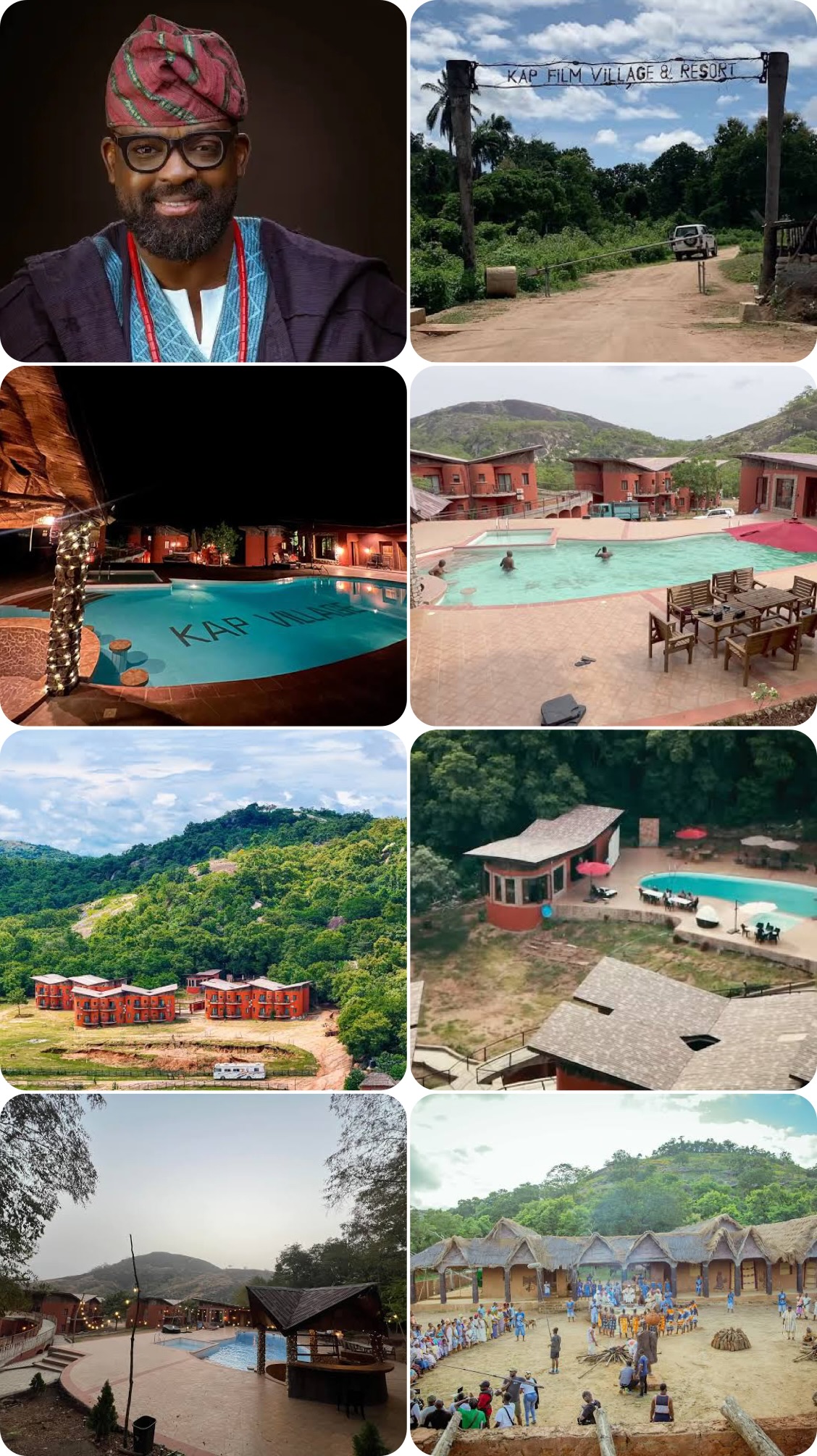
Developed by filmmaker Kunle Afolayan, KAP Film Village has become the most fully realised expression of Nigeria’s film village concept.
Located in Igbojaye, the facility functions as both a film production hub and a luxury resort, blending natural landscapes with constructed sets. It gained prominence as the primary location for the Netflix-backed Aníkúlápó, and has since evolved into a destination for both filmmakers and tourists.
The village features:
• Multiple film-ready environments embedded in natural terrain
• Accommodation clusters such as Ire Grove and Adelove lodges
• A treehouse restaurant and curated cultural spaces
• Outdoor attractions including hiking trails, mountain landscapes, and farm-style settings.
More than a location, KAP was designed as a convergence of art, culture, and nature, supporting filmmaking while offering a controlled, immersive environment for storytelling.
2. Africhatta Film Village

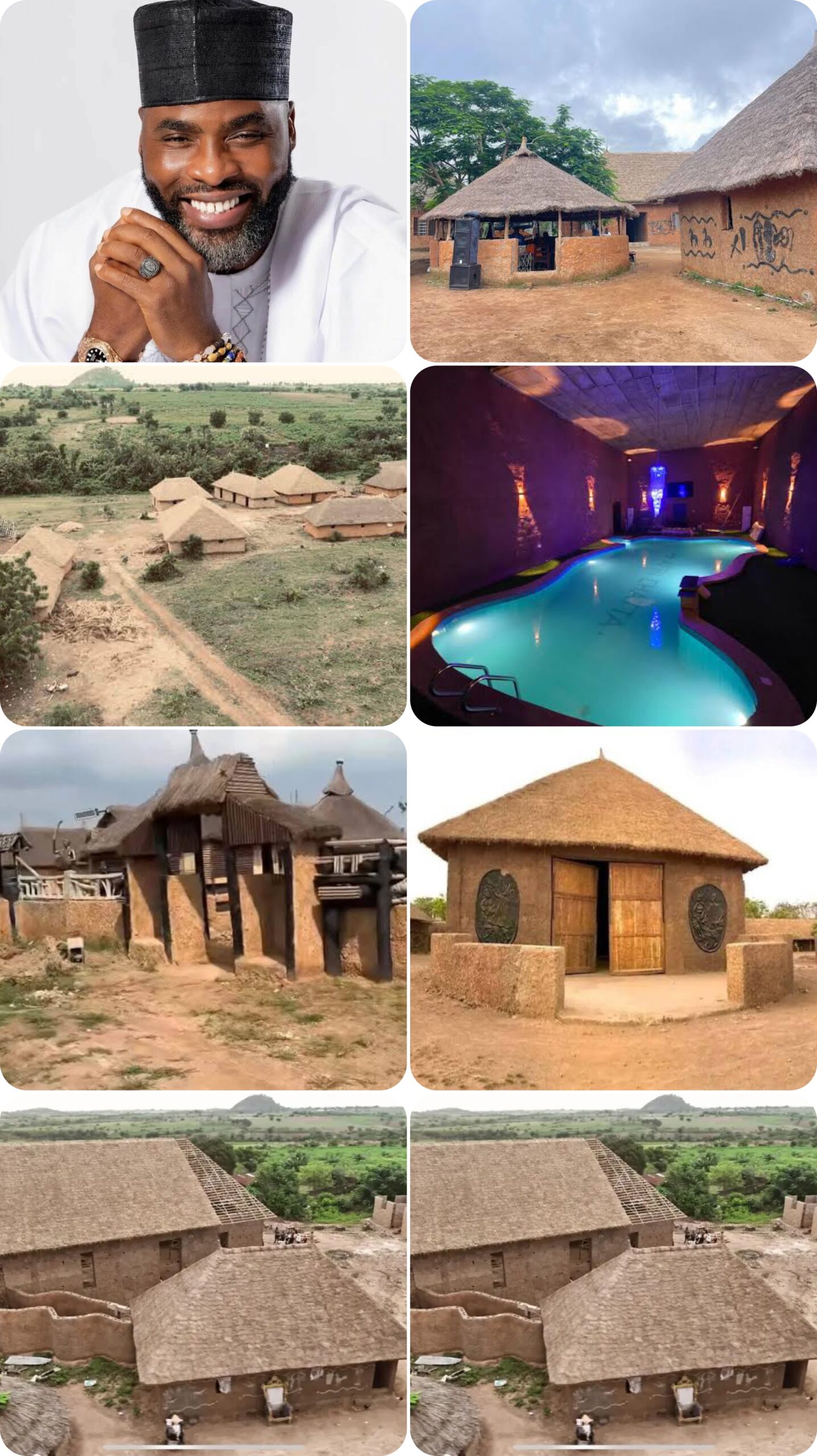
Owned by actor Ibrahim Chatta, Africhatta represents a more culturally anchored approach to the film village model.
Set within a sprawling natural environment in Oyo town, Oyo State, the project combines traditional aesthetics with modern hospitality, positioning itself as both a filming location and a resort experience. Spanning approximately 74 acre, Chatta said he invested over ₦1.4 billion in the film village.
Facilities include:
• Purpose-built village sets reflecting indigenous architecture
• Accommodation suites and event spaces
• Leisure amenities such as a spa, fitness centre, and outdoor activity areas
Africhatta leans heavily into heritage storytelling, creating spaces that allow filmmakers to recreate historical and rural narratives with minimal set construction.
3. City of Talents Academy Film Village


Long before the recent boom, filmmaker and academic Dr. Oreofe Williams established what is widely regarded as Oyo State’s earliest structured film village.
Located in Ibadan (Odo Ona Kekere axis), the City of Talents was conceived not just as a filming space, but as a multi-layered creative institution.
Its structure includes:
• A film village (for set-based production)
• A film studio
• A film academy
• A mentorship estate for talent development
Founded in 2009, the project anticipated a model now gaining traction across the industry: integrating training with production infrastructure.
4. Okiki Film Village

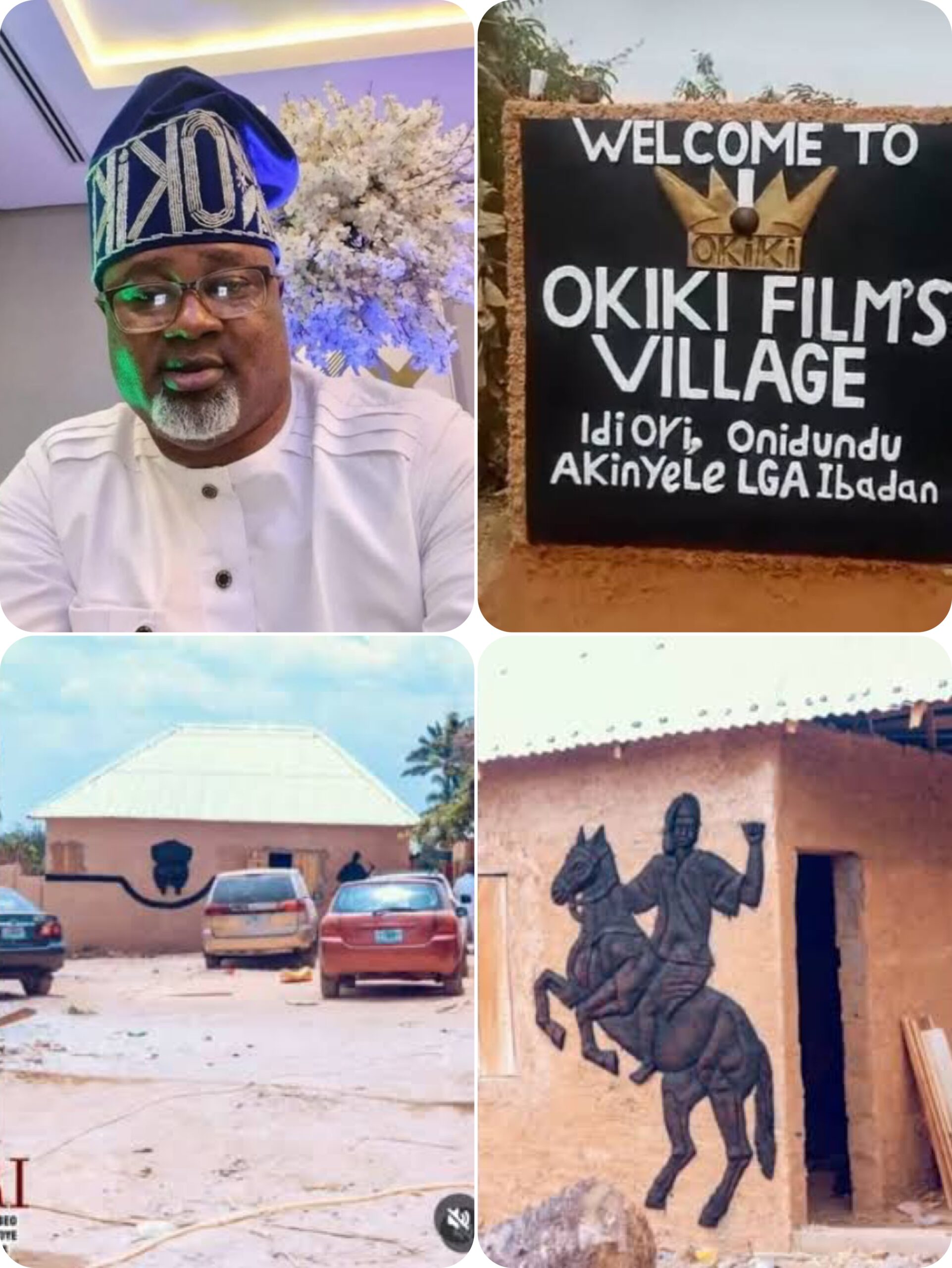
The newest addition to the cluster, Sunday Esan’s film village in Akinyele, Ibadan, reflects the next phase of expansion. It might be smaller in scale in comparison to others, but it is sharply focused in identity.
Spread across roughly seven acres, the facility is designed around:
• Indigenous mud-house architecture
• Traditional compounds suited for epic storytelling
• Controlled environments for culturally specific narratives
Unlike earlier projects that blend tourism and luxury, this development is more story-first, prioritising authenticity and accessibility for Yoruba-language productions.
A Cluster, Not a Coincidence
Taken together, these four projects show a clear pattern of ambition.
In Oyo State, film villages are not developing on their own. They are forming a production corridor where established filmmakers build the infrastructure, newer creators connect to it, and the industry slowly moves from improvisation to ownership. In effect, Nollywood is no longer just using locations in Oyo. It is rooting itself there.
Lagos Holds Its Ground
If Oyo State is quickly becoming Nollywood’s main filming ground, Lagos remains what it has always been—the centre of control.
This is where deals are made, talent is gathered, and productions get funding. What Lagos lacks in large open land, it makes up for with strong infrastructure, wide networks, and a global outlook. Instead of competing directly with Oyo’s cluster model, Lagos is starting to adapt it in its own way. This change is best seen in one project.
5. BAP Film Village

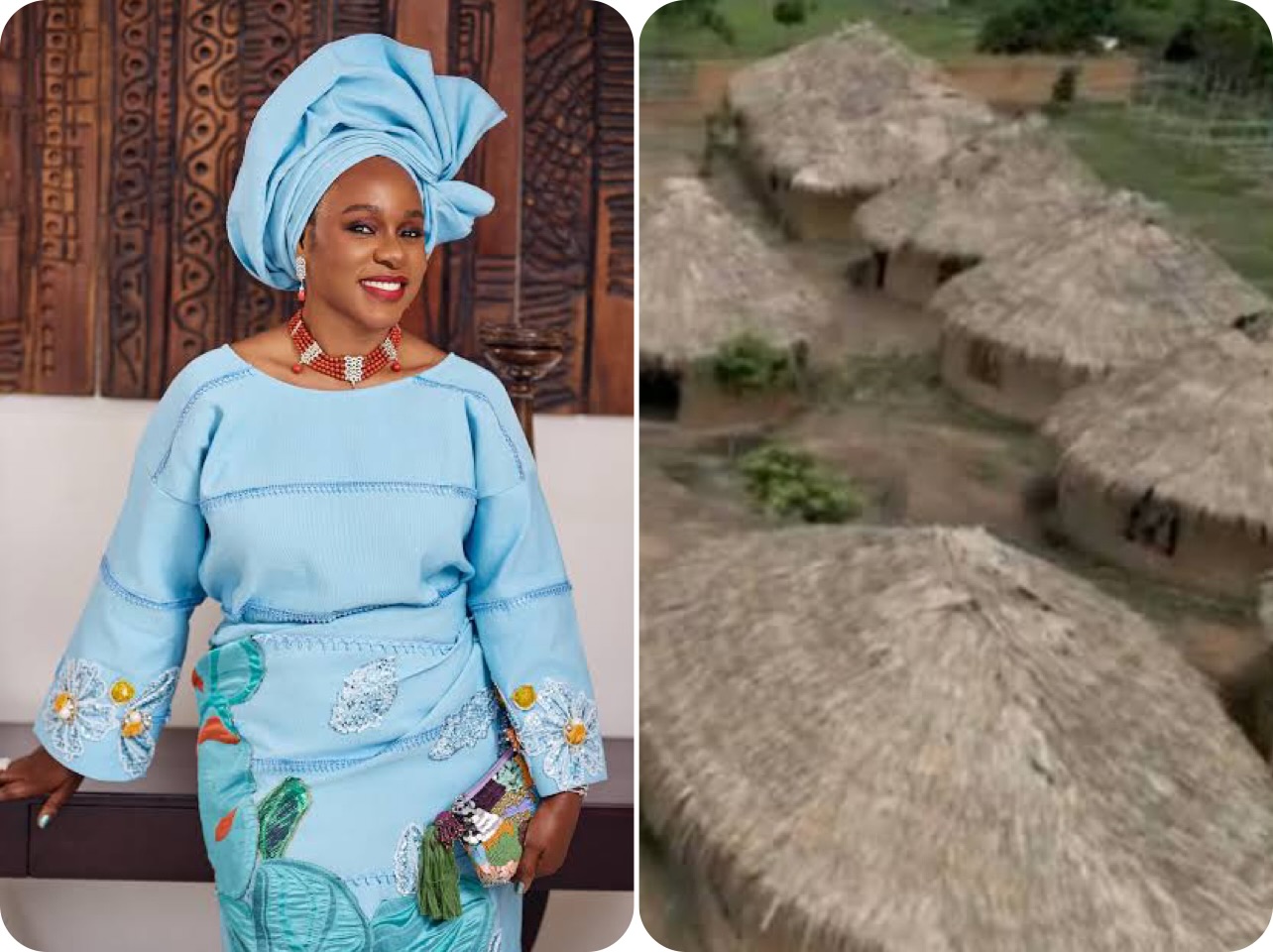
Developed by filmmaker Bolanle Austen-Peters, the BAP Film Village represents Lagos’ most ambitious entry into the film village space.
Located in Epe, on the outskirts of Lagos, the site spans over 10,000 acres. This large scale immediately sets it apart, even within Nigeria’s growing film village ecosystem.
Originally dense forestland, the terrain was rapidly transformed into a functional production environment, complete with:
• Expansive natural landscapes (rolling hills, greenery)
• Constructed huts and period-specific sets
• Open terrain suitable for large-scale historical storytelling
Unlike the more detailed, tourism-focused model seen in Oyo State, BAP’s approach puts cinema first. It is a large, flexible space built to create complete film worlds from the ground up.
The film village’s capabilities were tested and proven through the production of House of Ga’a, the historical epic directed by Austen-Peters.
Shot largely within the BAP Film Village, the project demonstrated what purpose-built environments can achieve when scale meets intent:
• Entire palace complexes and village settings were constructed on-site
• The natural terrain doubled convincingly for 18th-century Oyo Empire landscapes
• Production avoided reliance on CGI, leaning instead on physical world-building
The result was a film that not only performed strongly on Netflix but also signalled a new production benchmark for Nollywood.
Beyond the Core: The Expansion Layer
While Oyo State and Lagos currently anchor Nigeria’s film village movement, a quieter expansion is unfolding beyond these hubs.
In states like Ondo and Ogun, new entrants are reimagining what a film village can be: not just production spaces, but economic engines, training grounds, and cultural archives. Still early in development, these projects signal a widening geography for Nollywood’s infrastructure ambitions.
6. Ekiwood Film Village

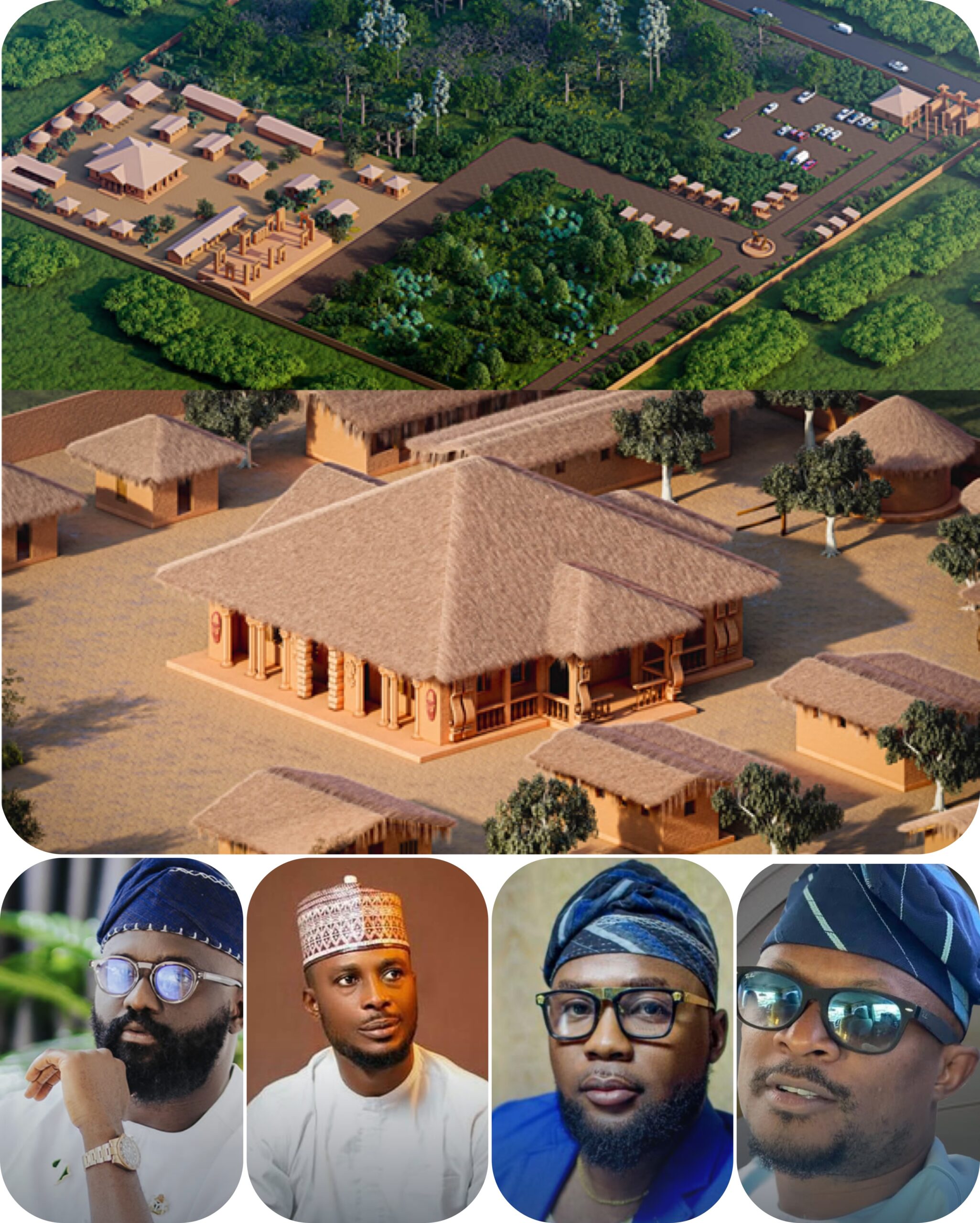
Located along Ife Road in Ondo City, Ekiwood Film Village represents one of the most ambitious attempts to build a world-class, future-facing production ecosystem outside the Southwest’s dominant corridors.
It was started by Abiola Makinde, who represents the Ondo East/West Federal Constituency, in partnership with the Ekiwood Board of Trustees(4). The goal is to create a centre for filmmaking and youth development in the region. Designed to be more than just a filming site, Ekiwood is planned as a full creative hub, with features that include:
• Sound stages and backlot production facilities
• Post-production and technical support infrastructure
• Equipment rental and full-service production logistics
• Training programmes in directing, cinematography, editing, and screenwriting
• Incubation and funding support for emerging filmmakers
The project also presents itself as a platform for international collaboration, aiming to attract co-productions and global partnerships while supporting local economic growth.
What sets Ekiwood apart is its “studio-city” vision, which combines filmmaking, education, and business in one place.
For now, however, it is still mostly an idea in progress, with much of its promise yet to be fully developed and put into operation.
7. Ibudo Asa Film Village

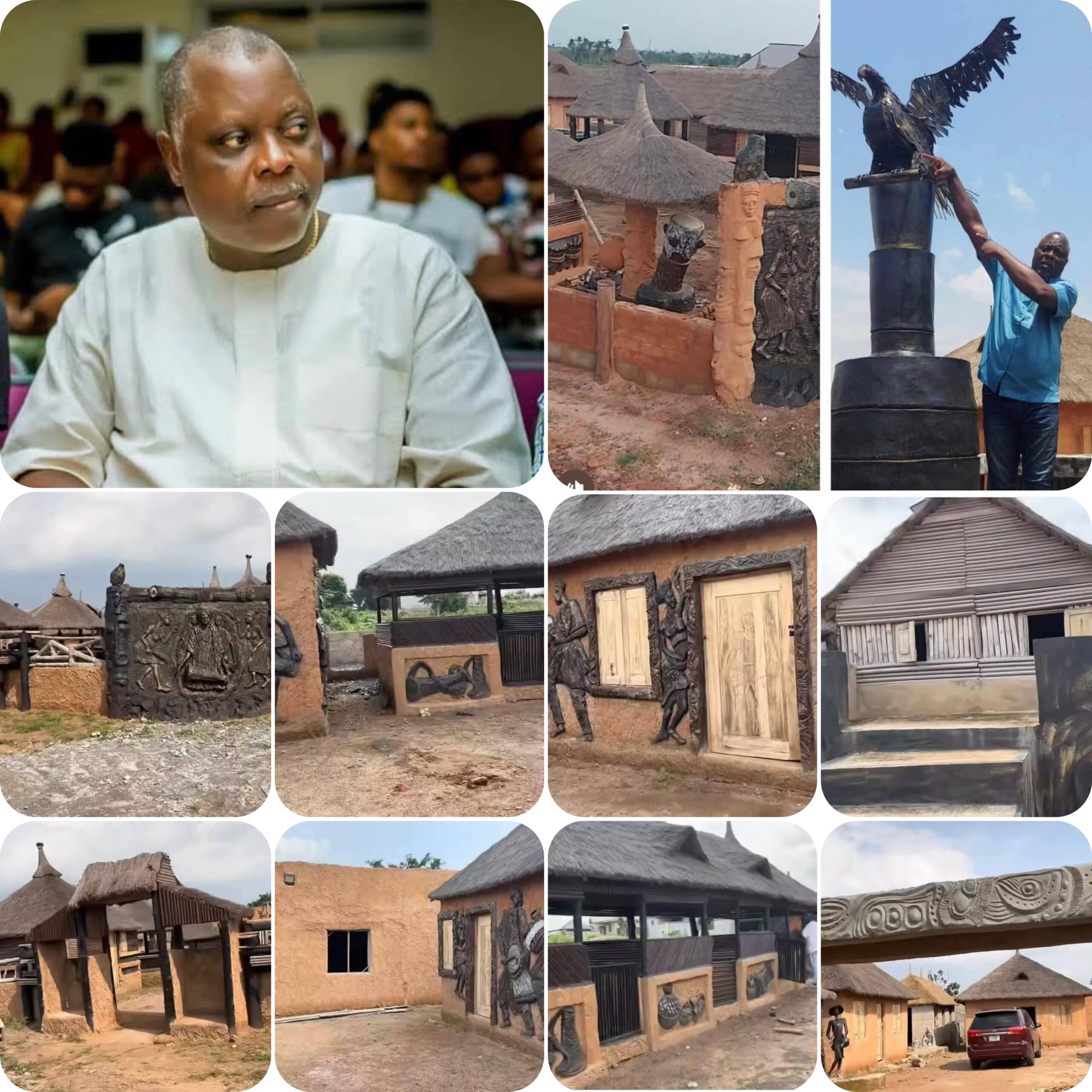
In contrast, the Ibudo Asa Film Village, developed by veteran actor Dele Odule, leans firmly into cultural reconstruction.
Located in Ijebu Igbo, Ogun State, the project was publicly unveiled in 2025 and has quickly drawn attention for its deeply immersive, heritage-driven design.
Built to evoke pre-colonial Yoruba life, the village features:
• Mud houses with thatched roofs arranged in traditional compounds
• Palace-like structures and communal courtyards
• Sculptural installations and symbolic architectural details
• Open spaces designed for festivals, performances, and historical reenactments
But beyond aesthetics, Ibudo Asa functions as a working creative ecosystem, incorporating:
• Film production spaces
• Rehearsal and workshop areas
• Accommodation for cast and crew
• Exhibition zones and cultural tourism experiences
Its core mission is clear: to provide filmmakers with an environment where historical accuracy is built into the landscape itself, eliminating the inconsistencies that often disrupt period storytelling.
Together, Ekiwood and Ibudo Asa show two different but complementary paths. One looks outward, aiming for global production and industry connections, while the other looks inward, focusing on culture and authenticity.
Neither project yet matches the level of development seen in Oyo State or the scale of major projects in Lagos. But that is the point. They are early signs of change.
They show that film villages in Nigeria are no longer limited to one place or one model. Instead, they are becoming part of a wider national discussion about infrastructure, identity, and ownership in storytelling.
What a “Film Village” Now Means
As Nigeria’s film village movement expands, it’s clear the term itself is no longer as straightforward as it once was.
Traditionally, a film village referred to a cluster of constructed sets, such as palaces, markets or homes, designed for repeated use in film production.
But across Nigeria today, that definition is evolving. What started as a practical way to solve location challenges is now growing into something bigger. At least three distinct models have emerged.
At the top level are fully developed spaces like KAP Film Village and Resort and BAP Film Village.
These are more than filming locations. They are complete production hubs where different parts of filmmaking happen in one place.
At KAP, for example, the model brings together film sets and natural backlots, places to stay and relax, training through its academy, and tourism and cultural experiences.
In the same way, BAP presents itself as a global storytelling platform, with sound stages, adaptable sets, and production support built to meet international standards. What defines this model is control. Filmmakers can create, shoot, and sometimes even train talent within one organised space.
A second category focuses less on size and more on authenticity. Spaces like Africhatta Film Village and Ibudo Asa Film Village are built around recreating traditional settings.
At Africhatta, the environment includes mud houses, animal shelters, and ancestral designs built into the landscape. This allows full scenes from village life to royal courts, to be filmed without major changes to the set. The space also serves as a centre for tourism and cultural learning. These places work like living archives. They preserve building styles and storytelling traditions that are becoming harder to find today. Here, the focus is not just on making filming easier, but on staying true to culture
The third model shows a quieter but just as important shift: film villages as centres for developing talent.
Projects like City of Talents Academy Film Village and Sunday Esan Film Village combine production spaces with training and mentorship.
This approach highlights a key gap in Nollywood, not just where films are made, but how filmmakers are trained and developed. Even KAP Film Village and Resort follows this idea by running training programmes alongside its production work, helping to build skills within the industry.
Taken together, these models show a bigger shift. Film villages in Nigeria are no longer just about solving location problems. They are becoming centres of ownership, where filmmakers control their production spaces, engines of culture that preserve identity on screen, and pathways for talent, helping to train the next generation.
In other words, the film village is no longer just a place. It is an ecosystem.
Why It’s Important for Nollywood
The rise of film villages in Nigeria is not just a structural change. It marks an economic, cultural, and strategic turning point for Nollywood.
For many years, the industry grew through improvisation, using borrowed locations, limited infrastructure, and scattered production systems. That approach made it possible to produce many films, but it also created inefficiencies. Today, purpose-built film villages are starting to fix these gaps, beginning with cost.
By bringing locations, accommodation, and production facilities into one place, film villages reduce logistics expenses. Instead of moving cast and crew between different sites, often paying for transport, security, and permits, productions can work in a controlled environment. This is important in an industry where many filmmakers still depend on rented equipment and temporary setups, which increase costs and affect consistency.
Beyond cost, there is a deeper change taking place: ownership.
In the past, Nollywood had limited control over how films were produced and distributed. This made the industry more vulnerable to piracy and revenue loss. Film villages are helping to change that. By creating dedicated, privately owned spaces, filmmakers gain more control over production, management, and earnings. This also improves protection of intellectual property and makes the industry more attractive to investors and international partners, who often look for clear ownership structures.
This shift also supports Nollywood’s global ambitions.
As streaming platforms like Netflix and Prime Video increase their demand for African content, production standards are rising. Film villages provide controlled and scalable environments for bigger, high-quality productions that can compete globally. Nigerian films already reach audiences in over 100 countries, and these spaces offer the structure needed to maintain and grow that reach.
There is also a tourism effect, which is still developing but becoming more visible.
Film has always shaped perception, but it is now beginning to influence travel. Productions like Aníkúlápó have sparked interest in historical settings and cultural landscapes, drawing attention to filming locations. More broadly, Nollywood supports economic activity wherever it operates, through accommodation, transport, local labour, and other services.
Film villages bring this impact together in one place. They turn temporary filming sites into lasting cultural and economic centres.
In the end, this shift goes beyond infrastructure. It reflects a repositioning of Nollywood itself, from a fast-paced, high-output industry into a more structured and investment-ready one, capable of owning its spaces, exporting its stories, and keeping more of its economic value at home.
Conclusion
In Ibadan, where this story began, the newly unveiled film village by Sunday Esan stands as more than just another addition to a growing list. It is part of a wider shift that is gradually redrawing the map of Nigerian filmmaking.
Across the country, that shift is already inspiring what comes next.
In Lagos, plans are underway for a $100 million African Film City project, backed by the state government. It’s an indication that public institutions are beginning to see film infrastructure not just as creative investment, but as economic strategy.
Further east, filmmaker Okechukwu Oku has signalled intentions to develop a major film village in Enugu, positioning it as a cultural and economic hub for the region. Meanwhile, in Abia State, government-led plans for an “entertainment village” aim to revive Aba’s historic reputation as a centre for creative enterprise.
What ties these ambitions together is not just scale, but timing. For an industry long defined by improvisation, Nollywood is entering a phase of deliberate construction. Filmmakers are no longer waiting for perfect locations to appear, they are designing them.
Nollywood is no longer just finding locations. It is building its own worlds.