A name, a city, and a date have become etched into the consciousness of Nigerians and followers of the country’s social media discourse. On the night of March 29, 2026, a wave of violence erupted in Jos North, Plateau State, during the solemn observance of Palm Sunday.
The attack left the city shocked, families mourning, and the nation questioning the state of security and governance. Images and videos of chaos circulated online, capturing burning homes, terrified residents, and the aftermath of bullets fired into communities that had once felt safe.
Amid this, Nigerian celebrities added their voices, offering grief, criticism, and calls for accountability. Their reactions have become part of the narrative, showing the intersection of celebrity influence, social responsibility, and public concern in moments of national crisis.
What Happened: The Palm Sunday Attack
The violence began on the night of March 29, 2026, when gunmen stormed the Angwan Rukuba area, moving quickly through the streets and firing at residents indiscriminately. Eyewitnesses describe a terrifying scene where houses were targeted, families cowered in fear, and students returning home from classes encountered sudden chaos. Reports indicate that security forces were delayed, leaving communities exposed and vulnerable for hours. By the following morning, emergency curfews spanning 48 hours had been imposed to stabilize the city and prevent further violence.
Casualty figures remain contested, but many credible sources, including local activists and civil society organizations, placed the number of fatalities between twenty-seven and forty. Injuries ran higher, with survivors recounting traumatic experiences of narrowly escaping gunfire. Shops were looted, homes were burnt, and streets remained littered with debris as neighbors sought to comfort one another. For many, the Palm Sunday attack became a symbol of recurring insecurity in Plateau State, highlighting not just a single tragedy but a chronic failure of protection for civilians in vulnerable communities.
Zubby Michael: Controversial Advice Sparks Debate

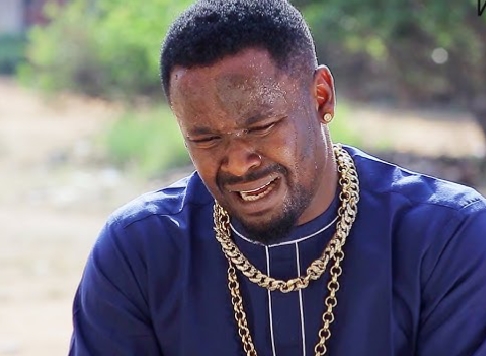
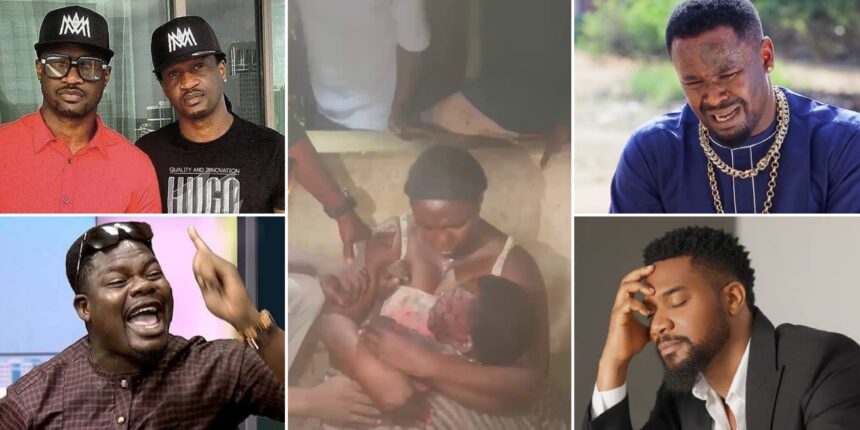
Nollywood actor and producer Zubby Michael responded swiftly to the news of the attack. His message urged Christians residing in Jos to consider leaving the city for their safety, citing repeated incidents of violence targeting religious communities. While his intent appeared to prioritize safety, the statement immediately sparked widespread debate online. Many criticized the perceived fatalism and suggested it might fuel division or fear, while others argued that it reflected the reality of an ongoing security crisis that authorities have failed to contain.
The response to Zubby Michael’s advice reflects a broader tension in Nigerian society, where celebrity voices carry significant influence and can simultaneously provide comfort, spark outrage, and provoke reflection. For residents of Jos and Plateau State, his remarks were both validating and unsettling, highlighting how influential public figures navigate the difficult balance between commentary, guidance, and responsibility in times of crisis.
Paul Okoye (Rudeboy): Anger and Call for Collective Action

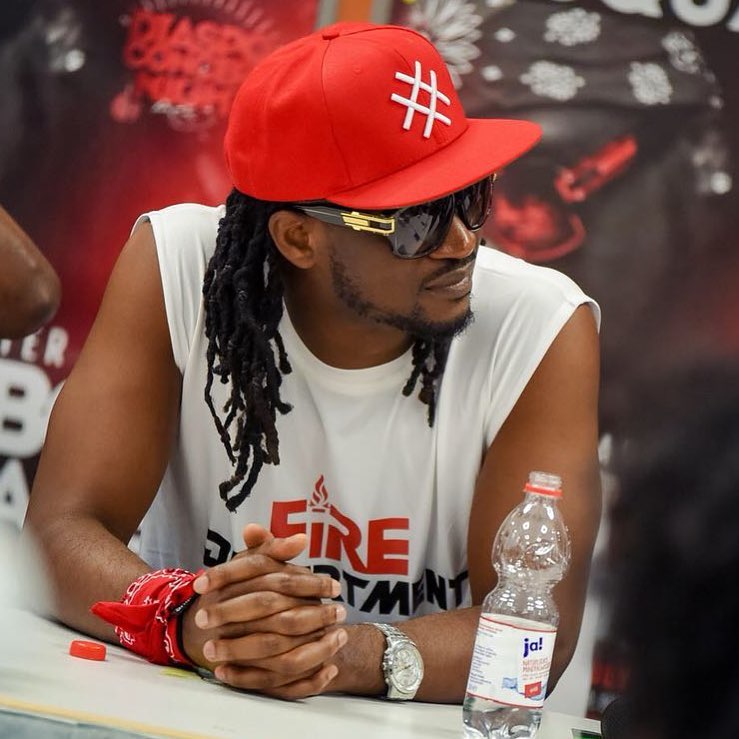
Music icon Paul Okoye, widely known as Rudeboy from the P‑Square duo, responded to the attack with frustration and emotional intensity. On his social media platform X, he lamented the lack of collective outrage, stating, “We are not Angry enough !!! Maybe na until God come down for earth.” His words captured a sense of disbelief that recurring attacks, which leave hundreds of lives disrupted annually, do not elicit the urgent national reaction they deserve.
Rudeboy’s reaction underscores the role of Nigerian musicians as social commentators whose influence extends beyond entertainment. By framing the tragedy in a moral and spiritual context, he challenged audiences to reflect not just on individual grief but on systemic inaction. His post became a catalyst for discussions among his followers, prompting debates about accountability, communal responsibility, and the effectiveness of Nigeria’s security architecture in protecting citizens.
Mr Macaroni: Critiquing Government Inaction

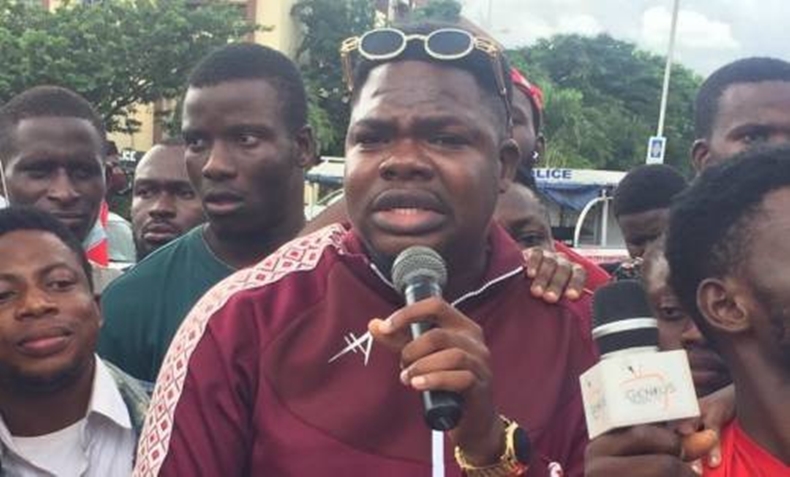
Comedian and activist Mr Macaroni approached the tragedy from a civic engagement perspective, emphasizing political responsibility. He sharply criticized the government’s response, particularly the delay of President Bola Tinubu in addressing the nation. His social media statements described the administration as incompetent and irresponsible, highlighting a broader perception of recurring neglect in matters of public safety.
Mr Macaroni’s commentary contextualized the Palm Sunday attack within a pattern of national insecurity, emphasizing how public trust in governance is eroded by repeated failures to act. By invoking both irony and moral critique, he sought to mobilize public opinion and remind authorities that citizens, including influential voices, are watching and demanding accountability. His intervention reflects the intersection of entertainment, activism, and social responsibility, demonstrating how public figures in Nigeria can influence discourse and mobilize attention in moments of crisis.
Kunle Remi: Satirical Call for Awareness


Actor Kunle Remi used satire to draw attention to systemic insecurity, leveraging the national conversation to make a critical point. He suggested that citizens include videos of suffering and images of destruction in birthday messages to President Bola Tinubu, implying that such documentation would more accurately reflect the state of the nation than celebratory content.
By framing his critique humorously, Kunle Remi highlighted the absurdity of ignoring widespread suffering while attempting to maintain appearances of normalcy. His commentary resonated with audiences who felt frustrated by recurrent attacks, underscoring how creative approaches to civic critique can amplify public awareness while engaging audiences emotionally and intellectually.
Ice Prince: Personal Reflection and Call to Action


Panshak Henry Zamani, professionally known as Ice Prince, responded to the continued violence in Plateau State with reflections shaped by his personal history and deep connection to Jos. As a native of Jos who grew up amid earlier waves of violence, Ice Prince has increasingly used his platform to address insecurity and implore national attention to recurring crises. In the wake of renewed attacks, he referenced his firsthand experience of past conflicts in Jos, recounting how the city was once a battlefield where even houses of worship were drawn into violence, an experience he described as a “full blown war.”
He has shared that these memories remain vivid and have informed his urgent calls for Nigerians to “wake up” to the dangers of repeating patterns of violence, warning that history is attempting to repeat itself if nothing changes. Ice Prince has also publicly called on leaders, including President Bola Tinubu, to take more decisive action against insecurity, emphasising that citizens cannot continue to live in fear without systematic and sustained efforts to protect lives and communities. His voice reflects not only sorrow at the loss of life but also a broader plea for collective responsibility and leadership accountability in confronting insecurity that has plagued his hometown for decades.
Opeyemi Aiyeola: Emotional Appeal and Moral Conscience

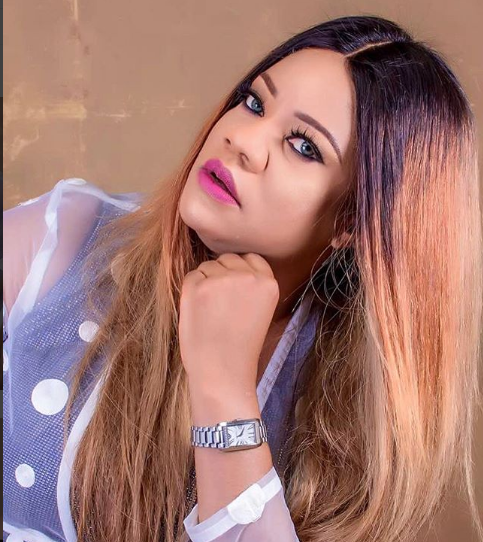
Veteran Nollywood actress Opeyemi Aiyeola issued a profound and emotionally charged response following the Palm Sunday attack in Jos, urging colleagues in the entertainment industry and Nigerians at large to reflect deeply on how they use their platforms in moments of national tragedy. In a video shared on her Instagram page, she expressed sadness over the violence and emphasised that too often, public figures focus on trends, likes, or monetisation rather than addressing serious societal issues that threaten lives and futures. Aiyeola stressed that influence and connections are important, but they should be guided by conscience and a genuine desire to support meaningful causes, especially in times when innocent citizens suffer.
She reminded Nigerians that the future of the next generation depends on collective acknowledgment of painful realities and on speaking up with integrity rather than silence or distraction. Her message resonated with many who feel that celebrity platforms should be used to promote awareness, empathy, and action in the face of recurrent tragedy, arguing that remaining silent or indifferent is a disservice to the lives lost and communities affected by violence in places like Jos.
Other Public Figures: Solidarity and Spiritual Reflection
Beyond the primary celebrity voices, other public figures responded with expressions of grief and solidarity. Peter Okoye, the second half of the P‑Square duo, tweeted that his heart was heavy and offered prayers for the people of Jos, emphasizing unity in the face of tragedy. Gospel musician Nathaniel Bassey prayed publicly that Jos “shall not be broken” and that evil would not prevail, providing spiritual comfort and reinforcing faith-based solidarity.
Organizations like the Christian Association of Nigeria condemned the killings and called for justice, reflecting a collective societal demand for accountability and better protection for civilians. These responses illustrate the multiplicity of ways public voices engage with tragedy, ranging from personal grief and prayer to political critique and calls for structural change.
Social and Political Implications
The Palm Sunday massacre and subsequent celebrity reactions illuminate several societal dynamics. Emotional support and condolences serve to humanize the tragedy, allowing both victims and the wider public to process grief collectively. Political frustration, expressed through critique of governance, underlines systemic challenges that repeatedly leave communities exposed to violence. Controversy arises when advice or commentary, such as Zubby Michael’s urging to leave Jos, intersects with societal fears, creating debates over responsibility, sensitivity, and the role of public influence.
Collectively, these reactions underscore how Nigerian celebrities function as intermediaries between the public, victims, and governance structures. Their responses not only reflect personal sentiment but also shape national discourse, influence public perception, and sometimes pressure authorities to act. The interplay of grief, critique, and advocacy in celebrity responses exemplifies a complex social ecosystem where tragedy is observed, interpreted, and acted upon in real time.
Conclusion: Echoes Beyond the Headlines
The Palm Sunday massacre in Jos is not just a headline or a tragic statistic; it is a reflection of a society grappling with fear, resilience, and accountability. The violence exposes the fragility of everyday life in communities that remain vulnerable despite repeated warnings and appeals. Celebrity reactions, whether they spark debate, outrage, or solidarity, reveal how public influence shapes national awareness, turning isolated tragedies into conversations that demand action.
This event forces a confrontation with uncomfortable truths: the line between safety and danger is thin, the systems meant to protect citizens are often reactive rather than preventive, and the burden of remembrance and advocacy often falls on voices that can amplify suffering to the world. Yet within the darkness, there are lessons about courage, empathy, and the power of speaking up. Each viral post, each public statement, and each prayer shared becomes part of a larger narrative about collective responsibility and the urgent need for change.
Ultimately, the massacre lingers not only in memory but in its challenge to society: how to transform grief into sustained vigilance, fear into proactive protection, and tragedy into a catalyst for lasting reform. The night of March 29, 2026, will be remembered not just for lives lost but for the questions it forces upon every Nigerian about justice, humanity, and the future of communities that continue to endure uncertainty.