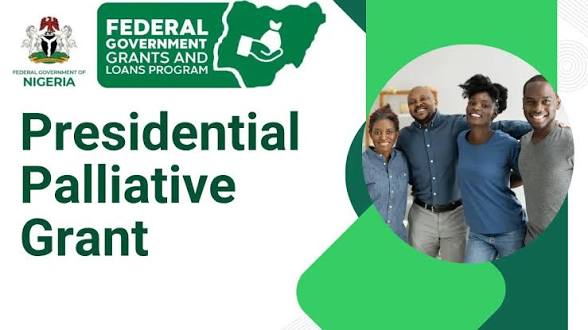
In 2026, Nigeria is navigating an economic landscape that has placed many citizens under significant financial strain, with rising costs of living, inflation, and the challenges of running small businesses in uncertain times. The Presidential Palliative Grant, also known as the Presidential Conditional Grant Scheme or PCGS, was introduced as part of the federal government’s strategy to support vulnerable Nigerians and micro-business owners. This initiative provides direct financial assistance to citizens who are economically disadvantaged or running nano and micro-scale businesses. The grant is non-repayable, with each verified beneficiary receiving ₦50,000, which can be used to restock their business, provide working capital, or support household income.
Beyond the monetary value, this program represents an important effort to bridge social inequality, provide economic relief, and strengthen the capacity of small-scale entrepreneurs. Understanding the PCGS, how it works, who qualifies, and how to successfully apply is critical for anyone seeking to benefit from it in 2026.
What the Presidential Palliative Grant Is
The Presidential Palliative Grant is designed to empower Nigerians who face economic vulnerability and support micro-entrepreneurs across the country. Its primary goal is to provide financial relief that can help recipients stabilize their small businesses, increase their income, and cope with economic hardship. The federal government structured this grant to reach citizens who have limited access to other forms of social support and financial services. Unlike loans or other financial instruments, this grant does not require repayment, meaning beneficiaries can invest the funds directly into their businesses or personal needs.
The PCGS is part of a broader government policy to strengthen social protection and economic inclusion. By targeting women, youth, people with disabilities, and senior citizens, the program aims to reach groups that are disproportionately affected by economic downturns. While the amount per beneficiary is ₦50,000, its impact can be significant, particularly for small-scale traders, artisans, transport operators, and service providers who rely on micro-businesses as their primary source of income. This grant also reflects the government’s intention to combine economic support with empowerment, giving recipients the means to expand their businesses, create jobs within their communities, and participate more fully in the local economy.
Who Is Eligible
Eligibility for the Presidential Palliative Grant requires applicants to meet specific criteria designed to ensure that assistance reaches those who need it most. To apply, citizens must meet basic and priority requirements.
Basic Eligibility
- Be a Nigerian citizen with a valid National Identification Number (NIN)
- Be 18 years old or above
- Have a Bank Verification Number (BVN) linked to an active bank account
- Be economically vulnerable or operate a nano or micro-business such as petty trading, food vending, farming, ICT services, artisan work, or transport services
- Have not previously received the same grant to avoid duplication
Priority Groups
- Women and youth, who constitute the majority of allocated slots
- People living with disabilities
- Senior citizens who may lack regular sources of income
Meeting the eligibility criteria does not guarantee selection, as the government often receives a higher number of applications than there are grants available. Citizens are encouraged to ensure that all their information is accurate and complete to increase their chances of being shortlisted. Economic vulnerability is determined not just by income but by the scale and capacity of the applicant’s business, their access to financial resources, and their demonstrated need for support.
What You Need to Apply
Applicants must prepare specific documents and information to successfully apply for the grant. Proper preparation ensures a smoother application process and reduces the likelihood of rejection during verification.
Identity and Contact Information
- National ID or NIN slip, which is required to confirm identity
- An active phone number to receive SMS updates regarding application status
- A valid email address for account registration and correspondence
Bank Details
- BVN linked to a personal bank account
- Bank account number that matches the BVN and is in the applicant’s name
Business Information
- A clear description of the type of business, even if informal
- Proof of business operation, which can include photographs of a shop, business location, or other evidence of active engagement in trade or service
Having all these documents ready before starting the application can prevent delays, mistakes, and rejection during verification. Applicants are advised to double-check the accuracy of all personal information, ensure consistency across identification and banking details, and have clear documentation of their business activities.
How to Apply
Applying for the Presidential Palliative Grant is conducted entirely online through the official federal portal. Following the steps carefully is critical for success.
Open the Official Online Portal
Visit the official government website for the grant, usually grant.gov.ng. Only use official government URLs and avoid third-party links that may request money or personal data. Genuine applications are free.
Register an Account
Create an account using your full name, email, and phone number. Set a password that will allow you to log in securely to track your application.
Log In and Open the Application Form
After registration, log in with your credentials, navigate to the Presidential Palliative Grant application form, and begin filling it carefully.
Complete the Application Form
Provide all personal details, contact information, BVN, bank account details, business type, and proof of business operation. Upload necessary supporting documents such as NIN, passport photographs, and business verification evidence. Accuracy is critical to avoid rejection.
Verify and Submit
Double-check every detail before submission. Once completed, submit the application before the deadline and record the confirmation or tracking number for reference. This number is essential for tracking and follow-up.
Verification Process
After submission, all applications go through a verification process to ensure authenticity and prevent fraud.
What Happens During Verification
- NIN confirmation to verify identity
- BVN validation to ensure bank account ownership
- Business verification to confirm active engagement in business activities
In some cases, physical verification may be conducted to confirm operations
Common Issues During Verification
- Name mismatches between NIN, BVN, and bank account
- Incomplete or incorrect documents
- Duplicate applications
Applicants can avoid these issues by ensuring all personal and business information is accurate, all required documents are uploaded, and there are no inconsistencies between official records.
Disbursement of Funds
Once verified, approved beneficiaries receive the ₦50,000 grant directly into their bank accounts. Disbursement may occur in phases depending on government schedules, priority group allocation, and overall fund availability. Not every approved applicant receives funds immediately, so patience is required. The disbursement process also ensures accountability, reducing the risk of fraud and ensuring that funds reach the intended recipients.
Checking Your Application or Payment Status
- Applicants can track the status of their application or payment through the official portal.
- Log in to the portal using your registered email and password
- Look for a section such as “View Beneficiaries” or status checker
- Search by your BVN or local government area to confirm whether you have been shortlisted or received payment
- Regularly checking your status ensures that you are aware of any updates, required actions, or delays.
Warnings and Tips to Avoid Scams
The government has emphasized that all applications are free. Applicants should be cautious of fake websites or social media links that promise assistance for a fee.
Never pay anyone to apply
Use only official portals such as grant.gov.ng
Ensure your NIN and BVN are correctly linked
Avoid sharing sensitive information outside official channels
Apply early to prevent portal congestion and submission errors
Remaining vigilant and informed protects applicants from fraudsters who exploit government programs.
Timeline of the Grant
The Presidential Palliative Grant follows a clear timeline:
Application Period: Open early in 2026 for online submissions
Verification: Government validates NIN, BVN, and business information
Shortlisting: Eligible applicants are selected for disbursement
Disbursement: Funds are sent directly to approved beneficiaries’ bank accounts
Understanding this timeline helps applicants plan ahead, anticipate verification and payment stages, and manage expectations effectively.
Human Impact of the Grant
Beyond the financial value, the PCGS has a transformative effect on beneficiaries. For a young entrepreneur selling food in a local market, ₦50,000 can provide the means to restock supplies and expand the business. For a senior citizen living on limited income, it can cover essential household expenses. Women and people with disabilities gain opportunities to generate sustainable income and contribute to their communities. The grant therefore acts not only as immediate relief but also as a tool for social and economic empowerment, fostering resilience and self-reliance.
Closing Thoughts
The Presidential Palliative Grant in 2026 represents a significant government effort to support vulnerable Nigerians, stimulate micro-enterprises, and bridge economic inequality. Successful application requires careful preparation, accurate documentation, and adherence to official procedures.
By understanding eligibility, preparing the right documents, and following the proper application and verification process, citizens can maximize their chances of receiving this valuable support. Beyond the cash assistance, the program reinforces the principle of inclusive growth and highlights the importance of empowering individuals to actively participate in Nigeria’s economy.