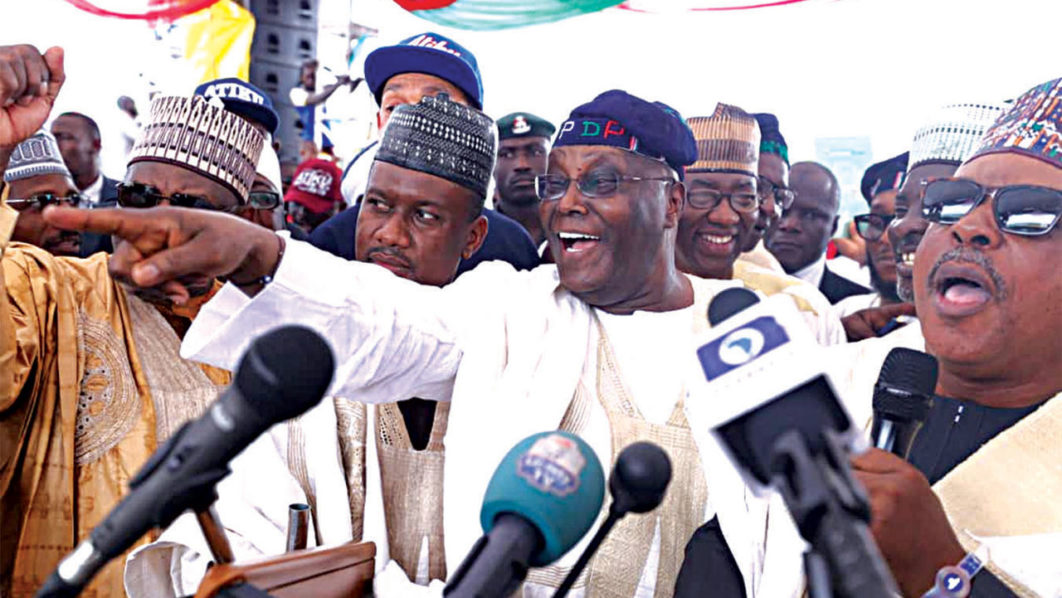
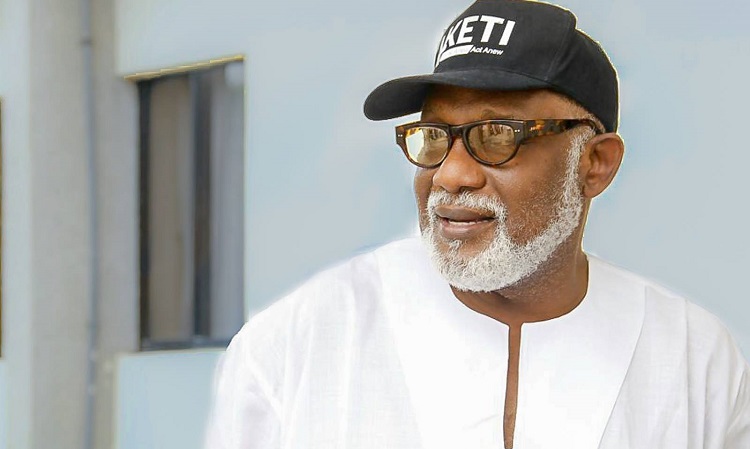
Recent political developments in Nigeria have drawn attention to a growing pattern of defections involving elected officials and party members across different levels of governance.
Between 2023 and 2026, several politicians moved from opposition platforms to the ruling All Progressives Congress, raising concerns about the balance of political power.
The trend has affected major opposition parties, particularly the Peoples Democratic Party and the Labour Party, both of which have experienced internal challenges in recent years.
Data from political observers indicate that the ruling party currently holds a majority of state governments, strengthening its influence across the federation.
In contrast, opposition parties now control fewer states, reflecting a shift in political alignment among key actors.
The movement of politicians between parties is not new in Nigeria’s political history, but the current scale has attracted increased scrutiny.
Analysts link these defections to a mix of factors, including political survival, access to resources, and alignment with federal authority.
Nigeria operates a multi-party system under the 1999 Constitution, which outlines conditions under which elected officials may change party affiliation.
The constitution provides that legislators may lose their seats if they defect, except in cases where there is a division within their original party.
Over time, this provision has been interpreted in different ways, often allowing politicians to justify their movement across party lines.
Legal experts note that while the law sets boundaries, enforcement has remained inconsistent, contributing to the frequency of defections.
Historically, Nigeria’s Fourth Republic has witnessed shifting political alliances, with parties forming, merging, and dissolving in response to electoral realities.
The Peoples Democratic Party dominated national politics for 16 years before losing power in 2015 following the emergence of a coalition that formed the current ruling party.
That transition marked a significant moment in Nigeria’s democratic process, demonstrating the role of alliances in reshaping political outcomes.
In the years that followed, the ruling party focused on consolidating its position, while opposition parties faced varying degrees of internal restructuring.
Recent developments suggest that internal disagreements within opposition parties have contributed to their current state.
Leadership disputes, factional divisions, and organisational weaknesses have been cited as factors affecting party cohesion.
For instance, internal conflicts within the PDP have persisted, involving disagreements among prominent figures over party direction and leadership.
Similarly, the Labour Party has faced organisational challenges following the 2023 general election, affecting its ability to maintain momentum.
Reports have also highlighted concerns about alleged attempts by rival parties to influence internal processes within opposition groups.
Party officials have, at different times, raised alarms about infiltration and efforts to weaken their structures from within.
While such claims remain part of political discourse, they reflect broader tensions within the evolving political environment.
Political analysts also point to the absence of strong ideological foundations in many parties as a contributing factor to frequent defections.
In many cases, party affiliation is influenced by strategic considerations rather than clearly defined policy differences.
This pattern has made it easier for politicians to move between platforms without significant shifts in political positioning.
Observers say this development has implications for voter choice, particularly as elections approach.
A political environment dominated by a single party could reduce the level of competition typically associated with multi-party systems.
However, experts note that Nigeria continues to maintain multiple registered political parties, indicating that the formal structure of pluralism remains intact.
They add that the strength of a democracy is often linked to the ability of opposition parties to organise effectively and present alternative policies.
In this context, the current situation has renewed discussions about the need for internal reforms within political parties.
Suggestions from stakeholders include strengthening internal democracy, improving party structures, and promoting clearer ideological frameworks.
Some have also called for a review of legal provisions relating to political defections to ensure greater accountability.
Electoral reforms aimed at enhancing transparency and participation have equally been highlighted as part of broader institutional improvements.
As the 2027 general election approaches, the configuration of political parties is expected to continue evolving.
The extent to which opposition parties can reorganise and regain cohesion remains a subject of ongoing observation.
For now, the pattern of defections and shifting alliances continues to shape Nigeria’s political landscape.
The long-term implications of these developments will likely depend on institutional responses and the ability of political actors to adapt to changing realities.