There are artists who announce themselves loudly, and then there are those who arrive quietly and stay forever. Fireboy DML belongs firmly to the latter. This is an unlikely presence within a label known for its grit, swagger, and street-leaning dominance. In an era where Nigerian pop music often rewards bravado, spectacle, and instant virality, Fireboy emerged from YBNL with a different weapon entirely: softness.
From the moment his voice first drifted through speakers, Fireboy sounded unlike the typical YBNL star. He wasn’t louder nor tougher, he just seemed truer. While the label’s legacy was built on hunger, confidence, and commanding presence, Fireboy leaned into longing, restraint, and emotional honesty. His songs didn’t chase the room, they filled it. He wasn’t selling the typical style of music, but was selling feeling. He focused on dropping songs on love that aches, loneliness that lingers and confidence that doesn’t shout.
In doing so, Fireboy quietly rewrote the rules of Nigerian R&B/pop from inside a house famous for noise, proving that vulnerability could be both commercially viable and culturally powerful. And somehow, in a space where difference is often a risk, he never missed.
A Different Beginning


Fireboy DML was born Adedamola Adefolahan in Abeokuta, Ogun State. He started making music at a time when Afrobeats was becoming very popular around the world. Most Afrobeats songs were fast, loud, and made for parties. Many new artists focused on hype, dancing, and showing a flashy lifestyle.
However, Fireboy chose a different path.
His voice sounded soft and calm. His songs were slow and emotional. His lyrics felt like thoughts people usually keep to themselves. When he joined YBNL Nation in 2018, he was not the loudest or toughest artist on the label. But he quickly became the one who spoke the most about feelings.
Instead of just making songs to dance to, Fireboy made songs that made people feel. In the typical Nigerian music industry, where speed and energy matter a lot, this was very different.
Afro-Life: Music About Living


Fireboy calls his music “Afro-Life.” This simply means music about life. It is not just Afrobeats, R&B, or pop. It is music that talks about African life, emotions, and everyday experiences.
His songs mix soft singing, African rhythms, and easy-to-listen-to pop sounds. They feel familiar, but also hard to place in one category. Even when his music sounds global, the feelings in it are very Nigerian. They preach love, patience, heartbreak, and hope.
Fireboy never sounds like he is trying too hard. His songs feel natural, like stories he has lived. Even when they become very popular, they still feel honest and simple, like success came to him, not the other way around.
Laughter, Tears & Goosebumps: The Album That Introduced Him

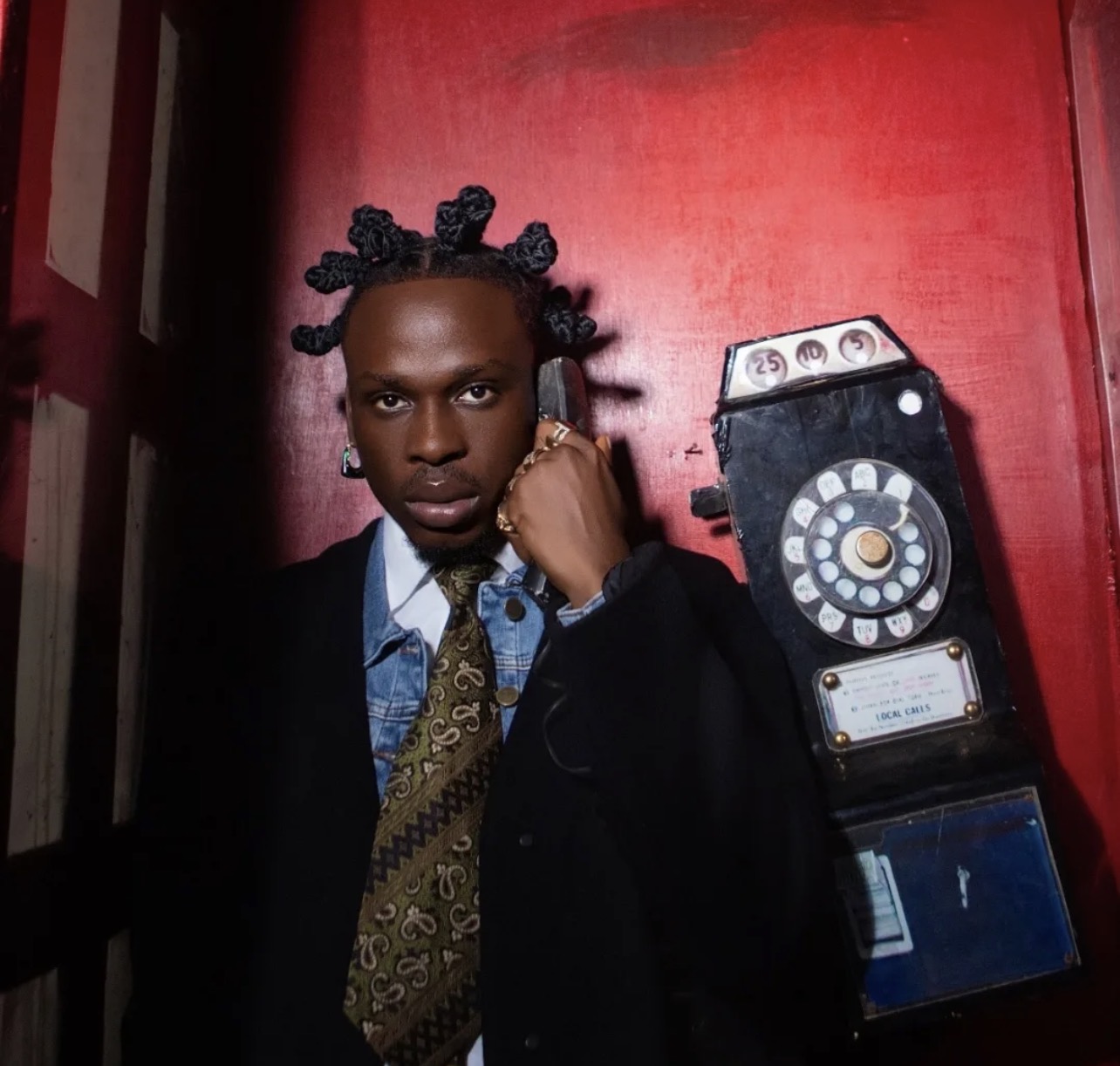
Fireboy’s first album, Laughter, Tears & Goosebumps (2019), had no guest artists. This was unusual, because many artists rely on collaborations to get attention. Fireboy wanted people to focus only on him.
The album felt like a diary. Each song talked about a different feeling of liking someone, feeling unsure, loving deeply, or feeling afraid of losing someone. Songs like “Jealous” touched people because many listeners had felt the same way before.
What made the album special was how everything fit together. Fireboy was not trying different styles yet. He was simply telling people who he was. He was not afraid to sound soft in a music culture where men are often expected to sound strong and distant.
The album’s success proved that Nigerian pop music could be gentle and still reach far.
Apollo: Growing Calmly


If the first album was an introduction, Apollo (2020) showed growth. It came out during a difficult time around the world, and the music felt deeper and heavier. The songs were better written, the production was bigger, and Fireboy sounded more confident.
He did not stop being a lover-boy. He just became more thoughtful. His songs still talked about love and longing, but now they also showed understanding and strength.
Fireboy did not rush to change his image. He allowed himself to grow slowly. While many artists try to change quickly to stay relevant, Fireboy showed that staying true to yourself can be just as powerful.
Playboy: The Loverboy Who Doesn’t Miss

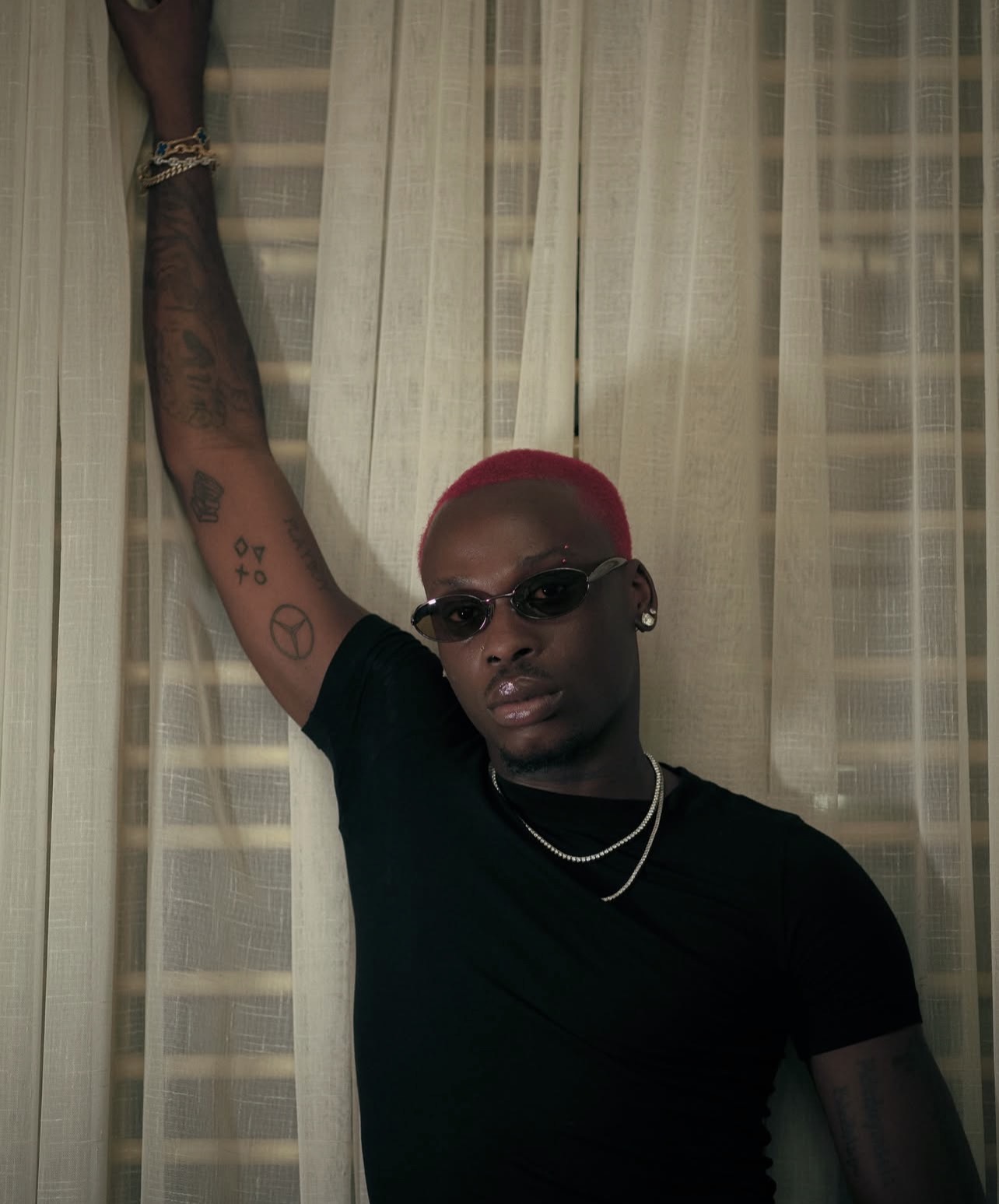
By the time Playboy (2022) was released, Fireboy had found balance. The album sounded more confident and more pop-friendly, but it still felt honest.
The song “Peru” became popular all over the world. It was fun and easy to enjoy, but it still had emotion underneath. Fireboy did not lose himself, he simply opened his sound to more people.
This is why people call him the loverboy who doesn’t miss. He knows what kind of music he makes. He does not release too much. He does not follow every trend. He waits until the music feels right. And according to his fans, that patience is his strength.
Adedamola: Knowing Himself


With Adedamola (2024), Fireboy looked even more inward. The album felt personal and calm. He was no longer trying to prove anything. He was simply being himself.
The music felt clear and confident. No rush. No noise. Just understanding.
At this point, Fireboy had already succeeded. What mattered now was meaning and this album felt like him talking to himself.
A Soft Voice in a Loud Label
Fireboy’s biggest strength is his writing. There is a quiet loneliness in many of his songs which is not sadness, but deep thinking. His music feels like late-night conversations, when people stop pretending and finally say how they really feel.
This already sets him apart at YBNL.
For years, YBNL has been known for strong, confident artists with bold sounds. Olamide, the label’s founder, built his legacy on street energy, sharp rap lines, and music that speaks loudly about hustle, survival, and power. Asake, one of YBNL’s biggest recent stars, followed a similar path. He used fast beats, heavy drums, chants, street slang, and songs, made to move crowds. Even artists like Lil Keshand Adekunle Gold (in his early YBNL days) leaned more toward high-energy or culturally loud expressions.
Fireboy came with none of that.
Instead of shouting, he softened his voice. And instead of street anthems, he sang about love, doubt, and emotional need. Instead of big, aggressive lines, he focused on small, real feelings like the fear of losing someone, wanting to be loved, feeling unsure, or hoping things will work out.
By doing this, Fireboy also changed what strength looks like inside Nigerian pop and inside YBNL itself. In a label known for confidence, toughness, and presence, he spoke openly about love, fear, and emotional dependence without shame. His lover-boy image was not fake or forced. It was calm, thoughtful, and sincere.
Fireboy did not try to out-street the street label. He simply stayed himself.