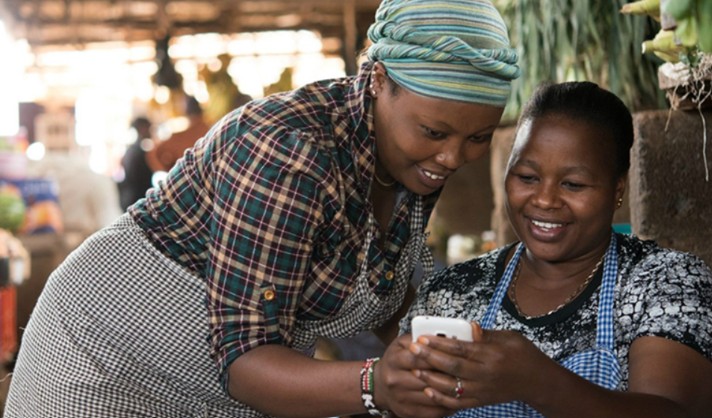
Small and medium enterprises have become a major engine of growth in Nigeria’s economy, creating jobs, promoting innovation, and supporting trade across various sectors.
These enterprises, often referred to as SMEs, make up a large portion of the country’s business community and play a vital role in national development.
In both urban and rural areas, SMEs provide essential goods and services that help sustain local economies and reduce poverty.
They are found in sectors such as manufacturing, agriculture, technology, retail, fashion, and transport, making them a key part of daily economic activity.
According to data from government agencies and development organisations, SMEs contribute significantly to Nigeria’s gross domestic product and employment rates.
They are widely recognised as the main source of income for millions of households and a major driver of economic inclusion.
Unlike large corporations, SMEs often operate with smaller capital, flexible management, and closer ties to local markets.
Their ability to adapt quickly to changing consumer demands gives them a unique advantage in meeting community needs.
In many cases, these businesses help strengthen local supply chains by sourcing raw materials and labour within their immediate environments.
They also create platforms for young entrepreneurs and skilled artisans to turn ideas into viable ventures.
Across Nigeria, small businesses have become crucial in addressing unemployment, especially among youths and women.
In towns and cities, they open up economic opportunities that reduce migration pressures and promote community stability.
Many of these enterprises begin as family-owned ventures before expanding into larger operations with formal business structures.
Their presence supports the growth of other industries such as banking, logistics, and telecommunications, which depend on their daily transactions.
However, despite their economic importance, SMEs face several challenges that limit their capacity to grow and compete.
Access to finance remains one of the most pressing issues, as many entrepreneurs struggle to secure affordable credit from banks.
Collateral requirements, high interest rates, and limited financial literacy often prevent small business owners from accessing loans.
Infrastructure deficits, including poor power supply, inadequate transportation, and unreliable internet access, also affect operations and profitability.
Another recurring issue is regulatory complexity, with small business owners navigating multiple taxes, permits, and registration processes.
These hurdles sometimes discourage potential investors and slow down the rate of new business creation.
In response, the federal and state governments have launched various initiatives aimed at supporting the growth of small and medium enterprises.
These include funding programmes, capacity-building workshops, and digital training designed to help business owners improve management and productivity.
Development finance institutions and microfinance banks have also introduced specialised lending schemes to reach entrepreneurs at the grassroots level.
Technology has played a growing role in boosting SME activities, particularly through digital payments and e-commerce platforms.
With mobile banking and online marketplaces, many small businesses now reach customers beyond their immediate communities.
The rise of social media has further changed how small businesses advertise, sell products, and interact with clients.
By leveraging digital tools, entrepreneurs reduce costs, expand visibility, and compete more effectively with established brands.
Innovation hubs and business incubators across the country continue to nurture start-ups, providing mentorship, networking, and technical support.
These hubs have helped many young innovators turn prototypes into successful ventures that attract both local and international investors.
Partnerships between the public and private sectors remain essential in ensuring SMEs receive the support they need to thrive.
Collaborations with development agencies have also led to new programmes focused on women-led enterprises and youth entrepreneurship.
The informal sector, which accounts for a large percentage of small businesses, has been recognised as a foundation of Nigeria’s economic resilience.
Even during periods of national economic difficulty, small traders and artisans have kept commerce active through creativity and hard work.
Economists note that improving infrastructure and access to credit could unlock even greater potential within the SME sector.
They argue that targeted policies, consistent power supply, and digital innovation will help small businesses expand and employ more people.
Education and training in financial management are also key to sustaining long-term success for many entrepreneurs.
With the right policies and investment climate, small and medium enterprises could drive Nigeria closer to industrial growth and sustainable development.
The resilience and determination of small business owners remain an enduring strength in the country’s economic landscape.
From roadside shops to technology start-ups, SMEs continue to represent the spirit of enterprise that defines Nigeria’s path toward progress.