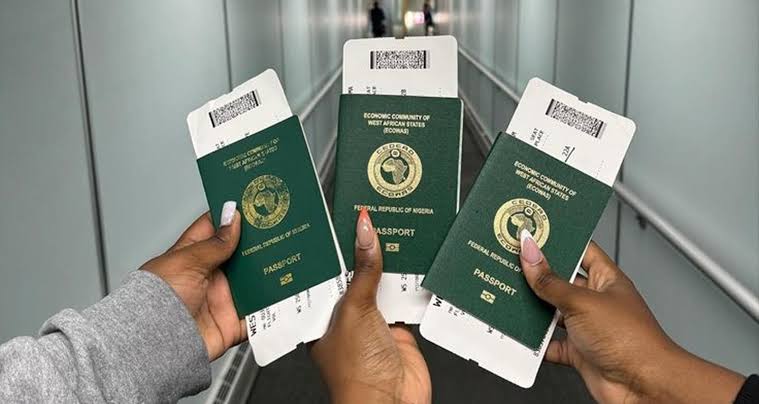
The Nigerian passport continues to offer a wide range of travel possibilities around the world, though with varying degrees of freedom depending on regional agreements, international policies, and country-specific visa rules. Over the years, the government of Nigeria and global organizations have worked to improve mobility for Nigerian citizens, recognizing travel as a key factor for business, tourism, education, and cultural exchange. As of 2026, Nigerian passport holders can access roughly 26 countries without applying for a traditional visa prior to departure. This includes many West African nations, select Caribbean islands, and several Oceania destinations. These arrangements make travel considerably easier for millions of Nigerians seeking leisure, education, or professional opportunities without the procedural delays typically associated with embassy applications.
Understanding the nuances of visa-free access is critical, as it not only determines whether a Nigerian citizen can enter a country without advance approval but also clarifies the allowable duration of stay, the purpose of travel, and the obligations while within the host country. Visa-free travel reflects international diplomatic relationships, trust in the Nigerian government, and reciprocal agreements that allow citizens to move with minimal restrictions. However, even visa-free entry often requires adherence to local rules, such as proof of return tickets, sufficient funds, or vaccination certificates. Recognizing these conditions helps travelers avoid misunderstandings at ports of entry and ensures a smooth travel experience.
West African Advantages: ECOWAS Membership
Nigeria’s membership in the Economic Community of West African States has long provided its citizens with significant travel benefits. ECOWAS agreements allow Nigerian passport holders to move freely between member states, often without a visa or even with minimal identification requirements, such as a national ID card in addition to a passport. Countries like Benin, Burkina Faso, Ghana, Togo, Niger, and Sierra Leone exemplify this system, offering stays of up to ninety days in many cases. The practical effects of this arrangement are profound for trade, tourism, and familial visits, as Nigerian citizens can travel across borders with relative ease, fostering regional economic and social integration.
The ECOWAS framework is particularly valuable for small-scale business owners, students, and professionals whose livelihoods depend on cross-border interaction. For instance, Nigerian traders regularly move goods to Ghanaian markets, while students enroll in universities across the region without the bureaucratic delays of applying for a visa. Moreover, tourists from Nigeria can explore neighboring countries with minimal preparation, enjoying the cultural, historical, and natural attractions that West Africa offers. This freedom strengthens regional identity and encourages collaboration among member states.
Despite the advantages, travelers must remain aware that visa-free entry within ECOWAS does not always confer unrestricted work rights. Individuals seeking to work, establish businesses, or reside long-term may still need permits or residency applications. Staying informed ensures that the benefits of ECOWAS membership are fully utilized without violating local laws.
Africa Beyond West Africa: Expanding Horizons
Nigerian passport holders also enjoy visa-free access to select countries outside the immediate ECOWAS network. For example, South Africa, though requiring more specific entry conditions, provides relatively straightforward access through electronic visas. Similarly, East African nations such as Tanzania and Uganda offer eVisa options, which allow Nigerian travelers to apply online prior to departure and enter with minimal bureaucratic delays. Madagascar, Seychelles, and Mauritius provide a mix of visa-free and visa-on-arrival arrangements, accommodating tourists seeking island experiences.
Visa-free access in these African countries encourages travel for multiple purposes. Tourism flourishes as Nigerians visit coastal regions, national parks, and historical sites, while businesspeople leverage these agreements to engage in regional trade. Additionally, academic exchanges are facilitated by easier mobility, allowing Nigerian students to explore higher education options in countries like Ethiopia and Botswana. These arrangements demonstrate the value of diplomatic engagement and highlight how visa policies can promote cultural, economic, and educational ties across the continent.
Travelers must remain mindful of conditions attached to visa-free stays, including maximum duration limits, proof of accommodation, and financial sufficiency. Understanding these requirements preserves the integrity of the travel experience and ensures compliance with local laws.
Caribbean and Americas: Tropical Access Without Borders
The Caribbean and selected nations in the Americas have historically offered attractive visa-free opportunities for Nigerian citizens. Islands such as Barbados and Dominica allow stays of up to 180 days, while Saint Kitts and Nevis, Haiti, and Montserrat provide access ranging from ninety to 180 days depending on specific regulations. These destinations have become popular for leisure, tourism, and short-term business travel due to their favorable visa policies and the cultural connections shared across the African diaspora.
Visa-free access to these islands encourages Nigerians to engage with global tourism, attend cultural festivals, and explore business opportunities. For example, Barbados hosts international conferences and events that attract Nigerian entrepreneurs and professionals. Saint Kitts and Nevis offers eco-tourism and investment schemes that benefit visitors looking to combine leisure and financial opportunities. The ease of travel also strengthens the sense of global citizenship and fosters cross-cultural exchange, as Nigerians interact with local populations while maintaining minimal bureaucratic barriers.
Travelers should note that although visa-free entry facilitates short-term stays, it does not grant unrestricted work rights. Business engagements must remain within the limits of the permitted activities to avoid violations that could affect future travel eligibility.
Oceania and Pacific: Remote Destinations Made Accessible
Nigerian travelers can also explore destinations in Oceania and the Pacific with relative ease through visa-free and visa-on-arrival arrangements. Fiji, Kiribati, Micronesia, Vanuatu, Samoa, Palau, Niue, Tuvalu, and Timor-Leste all provide opportunities for stays ranging from thirty to one hundred twenty days depending on national policies. These islands are known for pristine beaches, cultural tourism, and ecological exploration, offering unique experiences that contrast with more urbanized destinations.
Visa-free entry into Oceania encourages Nigerian tourists to expand their horizons and engage in international exploration without the burden of embassy applications. Business professionals exploring investment opportunities, environmental researchers studying biodiversity, and students seeking educational experiences in these regions all benefit from simplified entry procedures. The freedom to enter and explore these islands underscores the growing importance of flexible visa policies in supporting global mobility and tourism development.
Visa-On-Arrival: Flexibility at the Border
Visa-on-arrival (VOA) arrangements provide Nigerian travelers with the convenience of obtaining entry authorization at the airport or point of entry, eliminating the need for embassy visits prior to travel. This system is particularly beneficial for spontaneous travelers, businesspersons attending urgent meetings, or tourists who prefer last-minute planning. Africa hosts several VOA destinations for Nigerians, including Comoros, Mauritius, and Seychelles, each offering stays ranging from fourteen to forty-five days depending on local regulations. These countries often require travelers to present proof of accommodation, return tickets, and sufficient financial means for the duration of their stay, underscoring the need for preparation despite the apparent ease of entry.
VOA schemes in Asia and Oceania also expand the travel horizon for Nigerians. Cambodia, Lebanon, Maldives, Palau, Samoa, Timor-Leste, and Tuvalu allow travelers to secure entry permits upon arrival, typically for periods ranging from thirty to ninety days. These arrangements enable Nigerian citizens to explore Southeast Asian cultural landmarks, Pacific island paradises, and Middle Eastern heritage sites with minimal bureaucratic obstacles. While the system eases entry, it still maintains a level of regulatory oversight to ensure compliance with national immigration standards.
The advantage of visa-on-arrival extends beyond convenience; it also fosters regional tourism and economic engagement. Countries implementing VOA benefit from increased visitor flow, which stimulates local hospitality, entertainment, and retail sectors. Nigerian travelers, in turn, gain access to global experiences, whether attending international conferences, exploring natural wonders, or engaging in cultural exchange programs. The reciprocal benefits of VOA systems reflect the interconnectedness of modern travel and the strategic importance of easing entry requirements for visitors.
eVisa Options: Pre-Travel Simplicity
Electronic visas, or eVisas, have transformed international travel for Nigerian passport holders by providing a streamlined online application process. Unlike traditional visas, eVisas allow travelers to apply from home, submit documentation digitally, and receive authorization before departure. This system is increasingly prevalent in Africa, Asia, Europe, and the Americas, and it typically facilitates short-term travel for tourism, business, or academic purposes.
African eVisa destinations include Botswana, Burundi, Djibouti, Ethiopia, Gabon, Madagascar, Malawi, Mozambique, Namibia, South Africa, Tanzania, Uganda, Zambia, and Zimbabwe. These eVisas often permit stays from seven to ninety days and are issued electronically following online approval. For travelers, this means eliminating the need for long embassy queues, physical paperwork, and delays that previously made travel cumbersome. The simplicity of eVisa systems empowers Nigerians to plan trips more confidently, ensuring that their documentation aligns with immigration requirements well in advance.
Asia and the Middle East also offer extensive eVisa access for Nigerian travelers. Countries like Bahrain, Bhutan, Cambodia, Hong Kong, Indonesia, Iran, Iraq, Israel, Kazakhstan, Kyrgyzstan, Malaysia, Oman, Pakistan, Qatar, Singapore, South Korea, Syria, Tajikistan, Thailand, United Arab Emirates, and Vietnam provide online visa applications ranging from fourteen to ninety days. These arrangements are particularly advantageous for tourists seeking to explore cultural landmarks, business professionals attending conferences, and students considering short academic programs abroad. Online applications often allow payment processing and automated approvals, streamlining the entire travel preparation process.
European and American eVisa destinations for Nigerians are less extensive but still include countries like Albania, Moldova, Antigua and Barbuda, the Bahamas, and El Salvador. While these nations offer fewer eVisa options compared to Africa and Asia, the ability to apply online without embassy intervention significantly enhances accessibility for Nigerians seeking to expand their global presence.
The strategic use of eVisa options underscores a global shift towards digital immigration management, offering Nigerian travelers convenience, speed, and predictability. While an eVisa does not guarantee unrestricted entry, it greatly reduces uncertainties and facilitates smoother border interactions.
Other Entry Types: ETA and Registration
Some countries adopt alternative entry mechanisms that differ from traditional visa categories, providing additional flexibility to Nigerian travelers. Electronic Travel Authorization, or ETA, is one such system, allowing pre-approval online before departure without issuing a traditional visa. Saint Kitts and Nevis exemplifies this arrangement, permitting stays of up to ninety days following ETA approval. Similarly, countries like Seychelles implement simple tourist registration procedures at entry points, enabling travelers to gain authorization without prior application.
These entry types highlight the innovation in global travel facilitation. They are designed to balance security and accessibility, allowing governments to monitor arrivals while providing visitors with convenient access. For Nigerian travelers, ETAs and registration systems open doors to regions that might otherwise require formal visas, supporting both tourism and business engagements. Travelers benefit from reduced processing times and simplified documentation requirements, making international travel more approachable for a wider population.
The growth of these systems also reflects the evolving global landscape of mobility, where digital tools, reciprocity agreements, and regional cooperation aim to enhance travel efficiency. By taking advantage of ETAs and registration systems, Nigerian citizens gain practical avenues for exploring distant destinations while adhering to local regulations.
Visa Requirements Still Apply: Key Limitations
Despite the growing number of visa-free, VOA, eVisa, and ETA options, many major global destinations continue to require Nigerians to obtain a visa before departure. Countries in Europe, such as Schengen nations, along with the United States, Canada, the United Kingdom, Japan, China, Australia, and New Zealand, maintain strict visa protocols due to security, regulatory, and immigration policy reasons. Travelers seeking to visit these countries must apply in advance at consular offices, provide detailed documentation, and often attend interviews to secure travel authorization.
Awareness of these limitations is critical for planning international trips. Nigerian citizens must account for processing times, document requirements, and potential refusals when considering these destinations. Travel without proper authorization can result in denied boarding, deportation, or future travel restrictions. Maintaining accurate and current information from official government sources is essential to ensure compliance with international travel laws and to avoid complications at ports of entry.
Even for countries offering visa-free or simplified entry, Nigerians must recognize that these privileges typically cover tourism or short-term business purposes only. Work, residency, and long-term stays generally require additional permits or approvals, underscoring the importance of careful planning and adherence to local regulations.
Practical Travel Advice for Nigerian Passport Holders
Effective travel planning requires more than understanding visa categories. Nigerian citizens should consider logistical, legal, and personal safety factors before embarking on international trips. Ensuring that passports are valid for at least six months beyond the planned travel date is a standard requirement across most countries. Travelers should also carry proof of accommodation, return tickets, sufficient funds, and any required vaccination certificates, particularly for destinations with health-related entry conditions.
Monitoring updates from official immigration websites is essential, as entry requirements can change rapidly. Political developments, public health concerns, or shifts in bilateral relations may affect visa rules with little notice. Maintaining awareness of these changes protects travelers from unexpected disruptions and enhances overall travel safety.
Nigerian travelers are also encouraged to engage in cultural awareness and respect local laws and customs. Successful international travel depends not only on legal compliance but also on social adaptability and responsible conduct. Observing these practices strengthens Nigeria’s global reputation and contributes to more positive experiences abroad.
2026 Summary of Nigerian Travel Opportunities
By 2026, Nigerian passport holders have access to a diverse range of travel opportunities worldwide. Visa-free access includes approximately twenty-six countries, predominantly within Africa and the Caribbean. Visa-on-arrival arrangements cover roughly fourteen countries, facilitating spontaneous travel to select African, Asian, and Pacific destinations. Electronic visas expand mobility further, providing simplified pre-travel approvals for more than fifty countries across multiple continents. Additional entry mechanisms such as ETAs and tourist registrations support broader exploration, offering flexibility for Nigerian travelers.
Despite these advancements, major global destinations continue to require prior visa applications, emphasizing the need for preparation and compliance. The combined availability of visa-free, VOA, eVisa, and other entry systems illustrates a global trend toward facilitating travel while maintaining security and regulatory oversight. Nigerian travelers benefit from these arrangements, which enhance opportunities for tourism, business, education, and cultural exchange while emphasizing responsible international conduct.
Final Thoughts
Travel remains one of the most powerful ways for Nigerian citizens to engage with the world, build connections, and broaden personal and professional horizons. The 2026 landscape reflects both progress and continuing challenges, with growing accessibility through visa-free arrangements, online eVisas, visa-on-arrival systems, and electronic travel authorizations, alongside persistent requirements for formal visas to major global powers. Understanding the distinctions among these entry types allows Nigerian travelers to plan efficiently, maximize opportunities, and navigate the complexities of international borders with confidence.
Mobility empowers individuals to participate in global exchange, promote economic engagement, and strengthen diplomatic relations. For Nigerian citizens, each journey represents a chance to experience new cultures, pursue professional ambitions, and forge connections that transcend borders. Remaining informed, prepared, and adaptable ensures that these opportunities are fully realized, and that international travel is both enriching and secure. As visa policies evolve and global mobility expands, Nigerian travelers stand poised to explore the world with increasing freedom and confidence.