Grassroots development programmes in athletics have become a central focus for sports authorities seeking to discover and nurture talent across Nigeria.
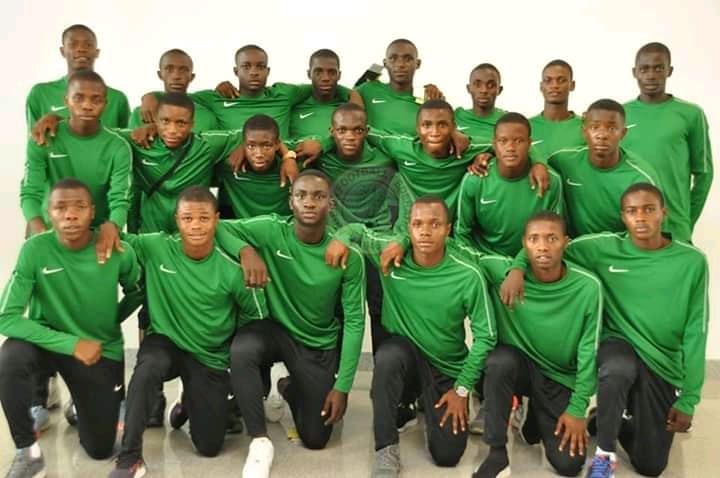
These programmes are designed to identify young athletes at local and community levels and provide structured training to develop their potential.
They operate in schools, local clubs, and community centres, often targeting children and teenagers who demonstrate aptitude in track and field events.
The programmes are supported by the federal ministry of youth and sports, state governments, and national athletic associations.
Training sessions cover essential skills such as sprinting, long-distance running, jumping, throwing, and basic fitness conditioning.
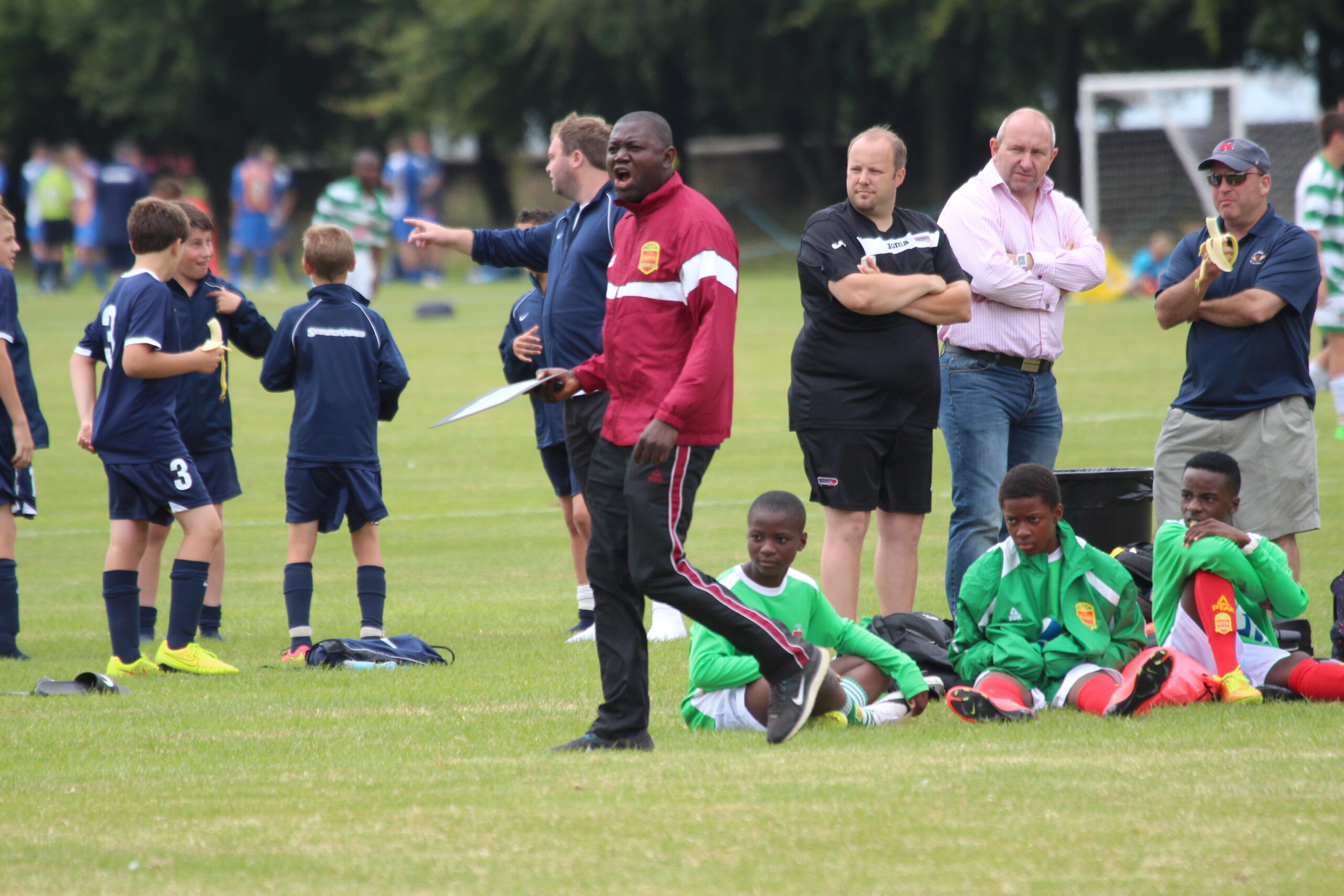
Qualified coaches are deployed to supervise athletes, monitor progress, and provide guidance on technical and tactical aspects of the sport.
In addition to physical training, athletes receive education on nutrition, injury prevention, and sports ethics to ensure holistic development.
Local competitions and talent identification meets form part of the strategy to test athletes’ skills and build competitive experience.
Promising performers from these events are often selected for state-level or regional training camps, providing exposure to advanced coaching methods.
The programmes aim to create a sustainable pipeline of athletes who can represent Nigeria in national and international competitions.
Partnerships with schools have expanded the reach of grassroots initiatives, allowing more children to participate in structured athletics training.
Financial support comes from government allocations, private sponsorships, and grants from sports development organisations.
Some programmes include scholarship schemes to ensure talented athletes from low-income backgrounds can access training without financial barriers.
Community engagement is also emphasised, with parents, local leaders, and volunteers encouraged to support young athletes’ progress.
Grassroots athletics has shown measurable results, with several national and international athletes tracing their beginnings to these development programmes.
Performance monitoring and regular evaluation help coaches and administrators assess the effectiveness of training methods and athlete development plans.
Programs also include leadership training, teamwork exercises, and motivational workshops to build character and discipline among young athletes.
Equipment provision is a critical component, as access to proper running tracks, training gear, and measuring tools is essential for effective practice.
The expansion of grassroots programmes has led to increased participation in youth competitions and enhanced interest in athletics nationwide.
State athletic associations collaborate with national bodies to standardise coaching methods and ensure consistent training standards.
Some private organisations have also introduced specialised programmes focusing on elite performance pathways for exceptionally talented youths.
In addition, international partnerships provide technical expertise, coaching exchange programmes, and exposure to global best practices.
Athletes emerging from grassroots programmes often serve as role models, inspiring younger children to participate in sports.
Monitoring and evaluation reports indicate that sustained investment in grassroots initiatives correlates with improved national performance in athletics.
Talent scouting events and regional championships provide an avenue for athletes to compete against peers and gain recognition.
The programmes are designed to be inclusive, providing opportunities for boys and girls across urban and rural areas.
Inclusivity also extends to athletes with disabilities, with adaptive training methods applied in select centres to ensure wider participation.
Sports analysts note that grassroots development is essential for building a strong foundation for professional athletics in Nigeria.
The impact of these programmes is visible in the increased number of athletes qualifying for international competitions and winning medals.
Challenges such as inadequate facilities, limited funding, and occasional shortage of trained coaches remain, affecting programme consistency.
Stakeholders emphasise the need for continuous government support, private investment, and community involvement to sustain grassroots initiatives.
Education on long-term athletic career planning is also provided to ensure young athletes balance academics and sports effectively.
The cumulative effect of these programmes has strengthened the overall sports ecosystem, contributing to national pride and global representation.
Future plans include expanding training centres, introducing modern sports technology, and enhancing athlete welfare schemes.
Officials highlight that nurturing talent at the grassroots level is cost-effective and ensures a continuous supply of skilled athletes for national teams.
Through these programmes, young Nigerians gain access to opportunities that can lead to scholarships, professional careers, and international exposure.
The success of grassroots athletics reflects the importance of early intervention, structured training, and community support in developing world-class athletes.
Experts maintain that consistent investment and monitoring are key to sustaining progress and producing elite performers for decades to come.
Grassroots programmes continue to serve as the foundation for national athletic success, shaping the future of sports in Nigeria.