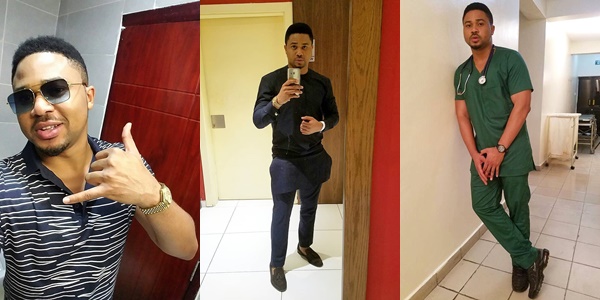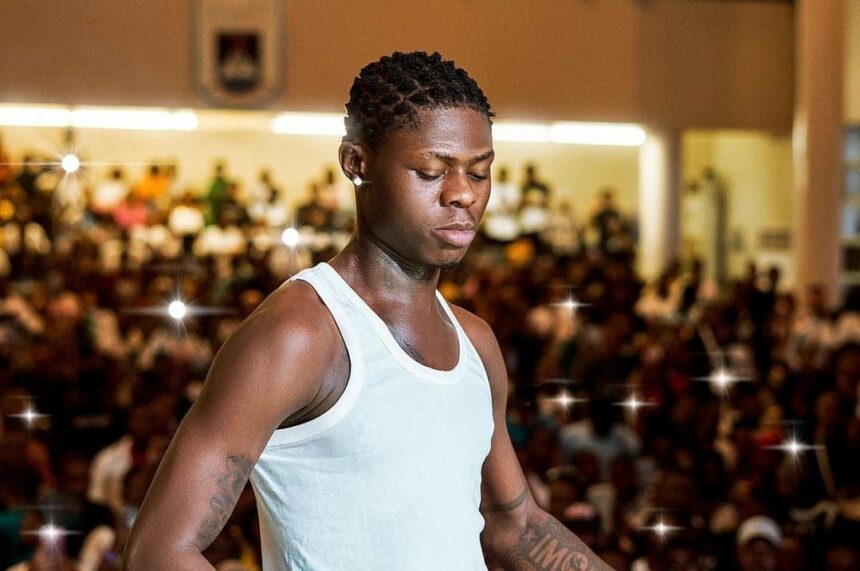
The situation surrounding the burial of Mohbad continues to stand as one of the most emotionally charged and legally complex celebrity related disputes in recent Nigerian public discourse. As of the April 2026 narrative timeline being discussed across media and social conversations, the late singer remains unburied due to an unresolved combination of legal, medical, and family disagreements that have stretched far beyond a private mourning process. What began as a grief driven family matter has evolved into a structured legal standoff involving court supervision, forensic demands, and competing interpretations of what justice and closure should look like in his case.
At the center of the delay is not a single issue but a layered conflict where emotional closure, scientific verification, and legal legitimacy all collide. The dispute now sits between Mohbad’s father, Joseph Aloba, and the late singer’s widow, Wunmi, with the Nigerian court system acting as the final authority attempting to stabilize the process. The tension, since 2023, has turned burial into a symbol of truth seeking on one side and emotional release on the other, making resolution far more complicated than a standard family burial arrangement.
The Core Issue That Refuses to Go Away
The primary factor holding the burial in suspension is the unresolved DNA and paternity question involving Mohbad’s son, Liam. This issue has become the foundation upon which other disputes are built. Joseph Aloba maintains that confirming paternity is essential before any burial can proceed, arguing that inheritance rights, identity clarity, and justice considerations depend on scientific confirmation.
This position has remained consistent across the timeline of the dispute, with his argument centered on the belief that burying Mohbad without resolving paternity questions would leave critical gaps in the family and legal narrative. His insistence is not framed as resistance to burial itself but as a demand for completeness before final rites are performed.
On the other side, Wunmi has maintained that the continued focus on DNA has become a barrier to emotional closure and dignified burial. Her position emphasizes that Mohbad deserves to be laid to rest without further procedural delays, especially given the time that has already passed since his death. This disagreement has created a structural deadlock where both sides view their positions as protective rather than obstructive.
The Court Becomes the Central Authority
As the disagreement intensified, the matter moved further into formal legal oversight, shifting decision making authority away from family negotiation and into court supervised processes. By early 2026, the court reportedly structured a more rigorous DNA verification system involving multiple testing layers and potential international verification to eliminate concerns about bias or procedural manipulation.
This shift marked a turning point because it meant neither party could independently control the outcome of the DNA process. The court effectively became the stabilizing force, ensuring that any result would be backed by procedural transparency. However, this also introduced new delays, as logistical arrangements for credible testing facilities, sample handling, and verification protocols required time and coordination.
Reports within the timeline suggest that some initially considered laboratories were either unable to proceed or raised concerns about capacity, leading to further restructuring of the testing process. Each adjustment extended the timeline, reinforcing frustration on both sides of the dispute.
Joseph Aloba’s Position and Emotional Logic

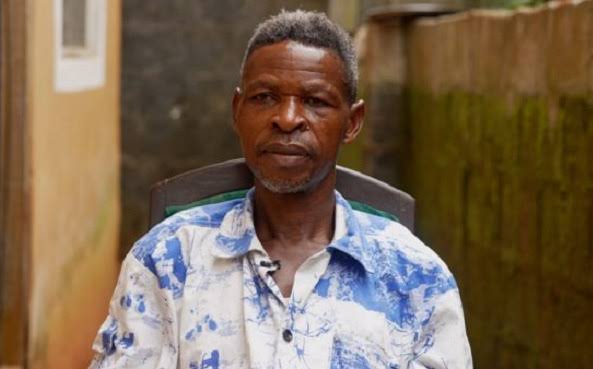
In April 2026, Joseph Aloba’s stance remains firm and structured around a single principle that DNA verification must precede burial. His recent call for help from President Bola Tinubu and argument are rooted in the belief that truth must be fully established before closure can be granted. For him, burial is not simply a cultural rite but the final step in a chain of unresolved questions that include identity, inheritance, and accountability.
His position reflects a deeper emotional logic that connects closure with certainty. In his view, burying Mohbad without resolving these issues would permanently seal unanswered questions, preventing future clarity. This has made his stance resistant to compromise, even as pressure for burial increases from other family members and public observers.
He has also raised concerns about delays in the testing process, suggesting that procedural complications and shifting arrangements have slowed down what he believes should be a straightforward verification exercise. This perception has added another layer of tension, as it introduces suspicion about whether the process is being delayed intentionally or as a result of administrative complexity.
Wunmi’s Position and the Push for Closure
Wunmi’s perspective is grounded in urgency, emotional closure, and respect for the deceased. Her position emphasizes that Mohbad has remained in the morgue for far too long due to ongoing disputes that have shifted repeatedly in scope and demand. From her perspective, burial should not be indefinitely delayed by procedural disagreements, especially when the core issue has already entered structured legal handling.
Her legal representation has reportedly pushed back against what they describe as evolving or expanding demands within the DNA process, arguing that repeated changes to procedure have created unnecessary delay. This frustration reflects a broader concern that the process is becoming cyclical, with no clear endpoint despite court involvement.

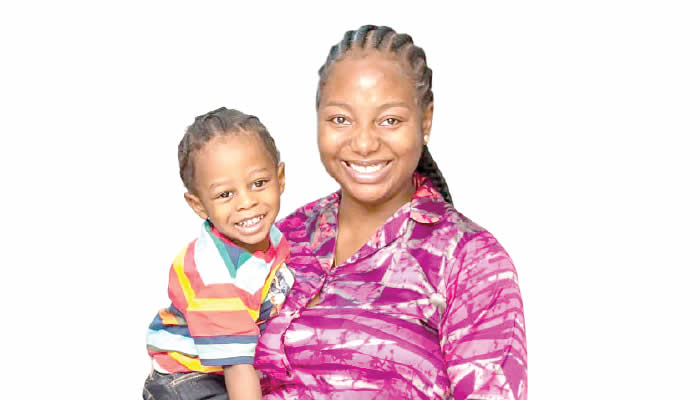
She maintains support for legal supervision but draws a line at what she sees as indefinite procedural expansion. Her argument focuses on the idea that justice for Mohbad should continue separately while burial provides immediate emotional and cultural closure for the family and the public.
The Structural Deadlock Between Both Sides
The conflict has now matured into a three layer deadlock involving emotional reasoning, legal procedure, and forensic verification. Each side is anchored in a different definition of justice. Joseph Aloba prioritizes truth before closure, Wunmi prioritizes closure alongside ongoing justice processes, and the court prioritizes procedural accuracy above emotional timelines.
This creates a triangular tension where every decision point produces delay rather than resolution. Even when agreement appears close, procedural requirements reset the timeline due to verification demands or logistical adjustments. The result is a system where progress exists in motion but not in conclusion.
The absence of a shared definition of closure has become the central barrier. For one side closure is impossible without DNA certainty, while for the other closure is necessary regardless of procedural completion. The court’s involvement ensures structure but cannot resolve emotional divergence.
The Latest Twist Keeping the Burial Frozen
The most recent development in the timeline revolves around the restructuring of the DNA testing process into a more controlled and possibly international verification system. This adjustment, while intended to improve credibility, has introduced additional delay due to coordination requirements and procedural alignment between multiple testing bodies.
Reports indicate that earlier testing arrangements faced challenges related to capacity and acceptance, leading to renewed selection of facilities and stricter supervision protocols. This restructuring has effectively reset parts of the process, pushing burial timelines further into uncertainty.
At the same time, both parties remain locked in their original positions, meaning that even as technical processes evolve, emotional and legal stances remain unchanged. This combination of procedural expansion and ideological rigidity is what continues to keep the burial suspended.
Why This Case Has Become Nationally Symbolic
Beyond the family dispute, the Mohbad burial situation has taken on symbolic weight within public discourse after the late Singer’s father in April 2026 cried out to Tinubu to intervene in the DNA controversy. It now represents a broader conversation about justice, accountability, grief, and the role of legal systems in resolving deeply personal conflicts.
For many observers, the case reflects how modern forensic expectations intersect with traditional burial practices, creating tension between scientific verification and cultural urgency. It also highlights how public figures become focal points for wider debates about truth, trust, and institutional process.
The prolonged nature of the dispute has amplified its emotional impact, turning burial into a national point of reflection rather than a private family matter. This is why every procedural development attracts widespread attention and interpretation.
Final Position of the Ongoing Situation
At this stage of the timeline, the burial remains on hold due to unresolved DNA verification processes, court supervised procedures, and persistent disagreement between both family sides. The court maintains oversight, the father maintains his demand for confirmation before burial, and the widow maintains her insistence on closure without further delay.
The situation continues to exist in a controlled legal holding pattern where progress is procedural rather than final. The latest twist is not a resolution but a restructuring of the verification process that extends the timeline further while attempting to improve credibility.
Until a final court backed scientific conclusion is reached and accepted by all parties, the burial remains suspended in a state of legal and emotional limbo.