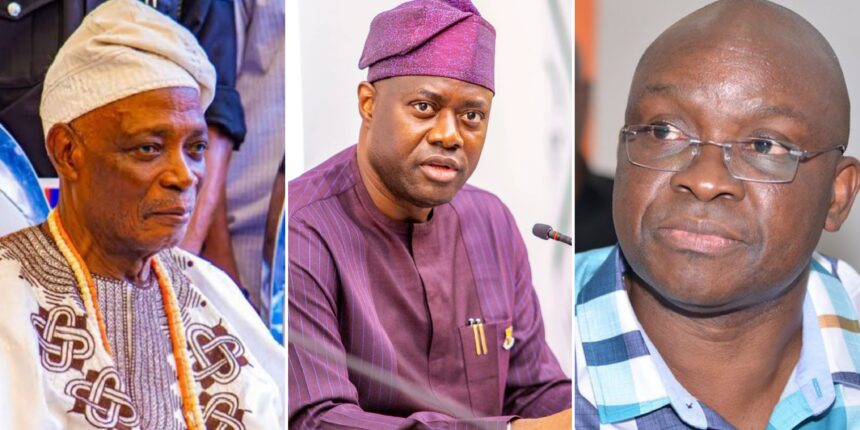
The political atmosphere in Oyo State has taken on a more complicated and sensitive tone following a sequence of allegations, counter claims, and a high level closed door meeting involving key political and traditional figures. Former Ekiti State Governor Ayodele Fayose, the Olubadan of Ibadan Oba Rashidi Ladoja, and Oyo State Governor Seyi Makinde have become central figures in a developing narrative that continues to generate debate across political circles and public discourse.
The situation gained wider attention around 14 April 2026 when reports emerged of Fayose meeting the Olubadan in Ibadan shortly after raising serious concerns about alleged political moves within the state. What began as political commentary has gradually evolved into a layered tension involving authority, influence, tradition, and governance, with each development adding more complexity rather than clarity. The absence of verified proof for many of the claims has further deepened speculation, making the situation a blend of allegation, interpretation, and political positioning that demands careful unpacking.
Context Setting – Oyo Political Climate
Oyo State has long been a politically active region where governance and traditional institutions maintain a delicate balance of influence. Over recent years, Governor Seyi Makinde has held executive authority while the Olubadan institution continues to command cultural legitimacy and historical respect among the people of Ibadanland. This dual structure often requires mutual recognition and careful coordination to avoid friction. Against this backdrop, any suggestion of conflict between state authority and traditional leadership naturally attracts attention and emotional public response.
The current tension surfaced during a period already marked by political conversations about governance direction, institutional respect, and succession narratives within traditional systems. Reports circulating around early to mid April 2026 suggested that political conversations were intensifying behind the scenes, although much of it remained unverified and speculative. The environment therefore became fertile ground for interpretations that quickly spread across political commentary spaces and media discussions.
Trigger Allegations Against Makinde
The central trigger of the current situation stems from claims attributed to former Governor Ayodele Fayose. Around 13 April 2026, Fayose was reported to have alleged that there were plans linked to Governor Seyi Makinde that could potentially affect the position or standing of the Olubadan. According to the claims, there was an alleged intention to initiate administrative steps that could be interpreted as a challenge to the traditional authority of the monarch. These claims were tied to suggestions involving official queries and administrative references connected to attendance matters at a recent coronation related event. Fayose insisted that his information came from what he described as reliable political intelligence, although no documentary evidence has been publicly presented to support the assertion.
The allegation immediately created tension because it touched a highly sensitive cultural institution that holds deep significance in Ibadanland. The idea that such an institution could be subjected to political processes or administrative scrutiny sparked concern among observers who view traditional leadership as separate from executive political maneuvering. However, it is important to note that the claims remain unverified and have not been confirmed by any official government statement or institutional record. The absence of confirmation places the matter within the realm of political allegation rather than established fact, yet the impact of the claim has already influenced public conversation significantly.
Olubadan’s Institution Role

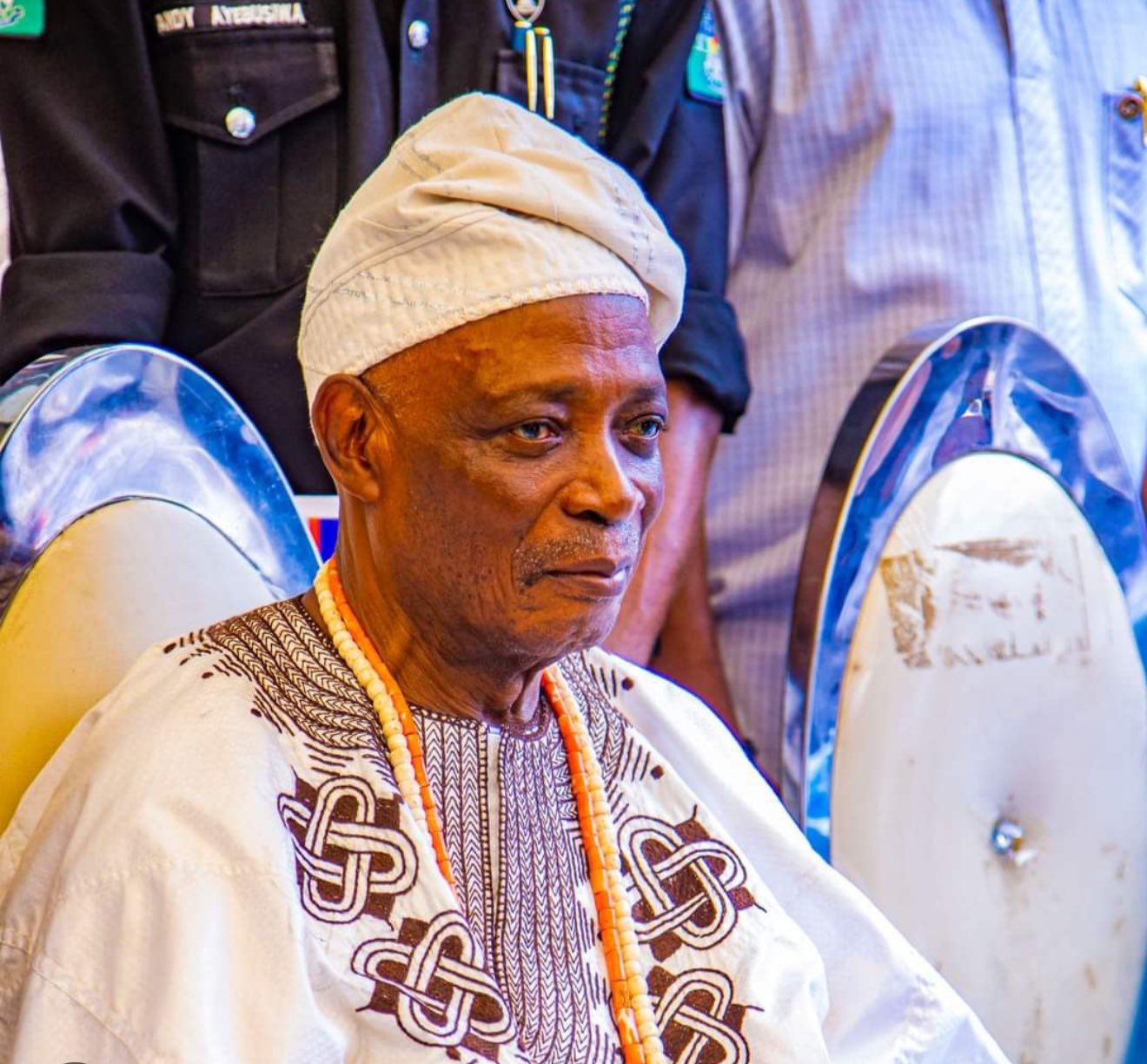
The Olubadan institution represents one of the most structured traditional leadership systems in Nigeria, particularly within Ibadanland. It is built on a carefully defined succession system that prioritizes seniority and long term service within chieftaincy lines. Oba Rashidi Ladoja, as the current Olubadan, occupies a position that carries both cultural authority and historical continuity. The institution is widely respected and often viewed as a stabilizing force in local governance discussions. Because of this status, any suggestion that the office is being drawn into political disputes naturally generates concern and defensive reactions from supporters of traditional governance.
The institution has historically maintained a posture of neutrality in partisan political matters, although it inevitably interacts with government structures on issues of community development and cultural administration. The current allegations therefore place it in a sensitive position where perception becomes as important as fact. Even without confirmation of wrongdoing or political involvement, the mere association of the Olubadan institution with political impeachment narratives has already influenced how the public interprets the situation. This reflects the broader challenge of maintaining clear boundaries between traditional authority and modern political structures in a highly politicized environment.
Closed Door Meeting: Fayose, Ladoja


One of the most significant developments in the unfolding situation occurred when Ayodele Fayose visited Oba Rashidi Ladoja in Ibadan. The meeting reportedly took place behind closed doors and lasted approximately thirty minutes. Prior to entering the meeting venue, Fayose publicly stated that his visit was aimed at identifying with the traditional institution, while also hinting that truth would soon become clear regarding ongoing discussions in the political space. These remarks immediately drew attention because they appeared to connect the meeting with the broader allegations circulating in political discourse.
The timing of the visit, occurring shortly after his public claims, led observers to interpret it as a strategic engagement rather than a routine courtesy call. However, no official statement from the Olubadan palace has confirmed the content of the discussion, leaving room for speculation. What is clear is that the meeting intensified public interest in the matter, as it suggested that high level consultations were taking place outside formal government channels. The lack of transparency regarding the discussion has contributed to multiple interpretations, with some viewing it as a peace building effort while others see it as political alignment activity.
Makinde’s Response and Public Reaction

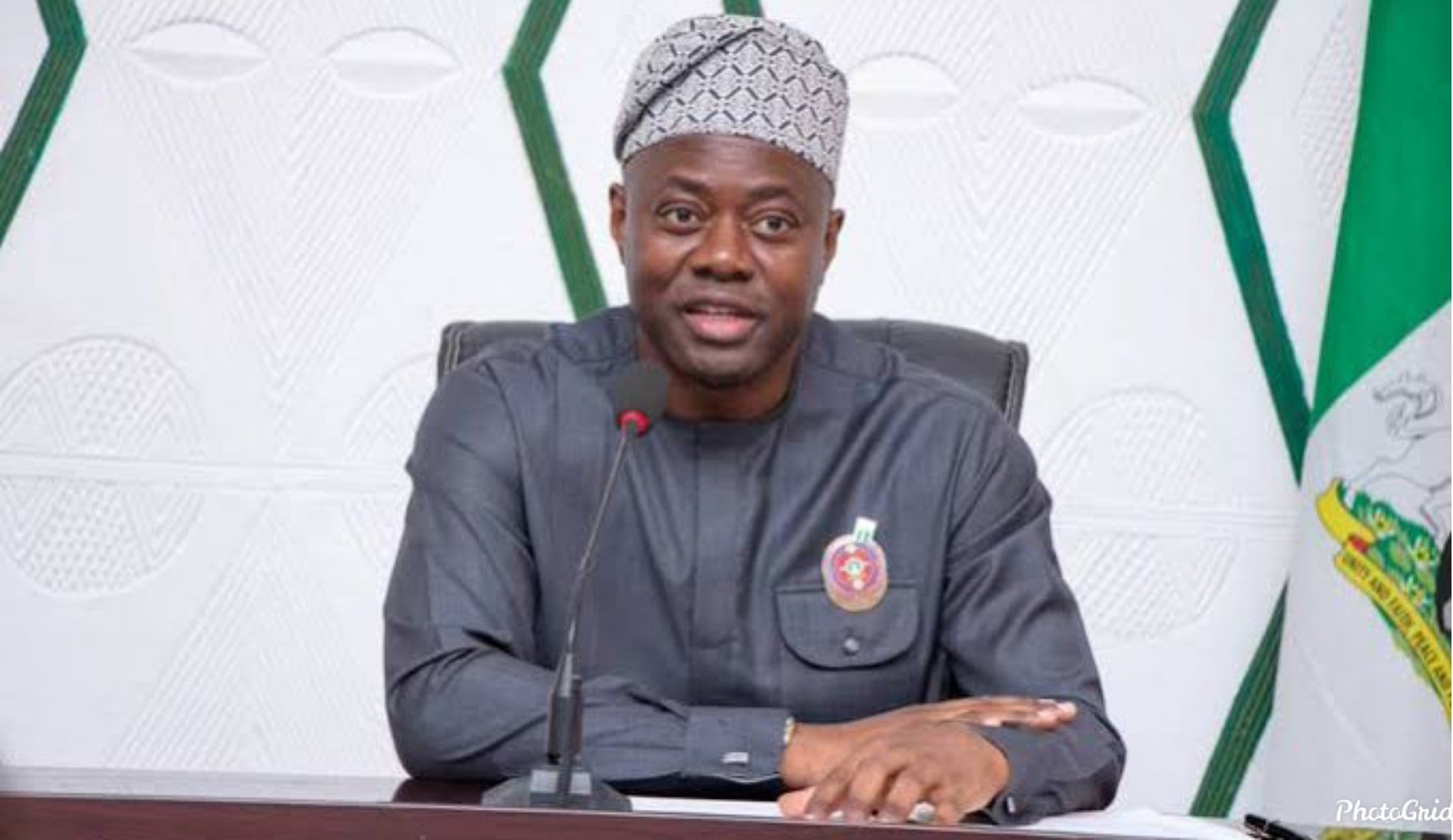
Governor Seyi Makinde reportedly responded to the allegations indirectly, particularly addressing claims that the Olubadan institution could be involved in any political plot against him. His reaction was framed within a broader defense of institutional integrity and governance structure, emphasizing that such claims did not reflect the reality of the situation. The governor’s position appeared aimed at separating traditional authority from partisan political narratives while maintaining stability in public perception.
Public reaction to the governor’s response has been mixed, with some segments of the population viewing it as reassuring while others believe more direct clarification is needed. The absence of a detailed public confrontation between the key figures has left a gap filled by speculation and media interpretation. This dynamic has contributed to the rapid spread of differing narratives, each attempting to explain the situation from a particular political or cultural angle. Despite the reactions, there remains no verified evidence confirming any plan to remove or sanction the Olubadan, nor any confirmed impeachment process involving the governor.
Impeachment Narrative Claims
Another layer of complexity emerged when discussions around possible impeachment moves within the Oyo State House of Assembly entered public conversation. These claims suggested that there could be political tensions within the legislative structure that might lead to attempts to challenge the governor’s position. At the same time, there were counter claims suggesting that such narratives were being wrongly linked to traditional institutions, thereby dragging cultural leadership into partisan struggles.
Fayose publicly challenged interpretations that the Olubadan institution was involved in any impeachment plot, insisting that such suggestions were misleading and harmful to the dignity of the traditional system. This created a conflicting narrative environment where multiple versions of the story circulated simultaneously without confirmation. The impeachment related discussion therefore remains speculative and unverified, yet it contributes significantly to the perception of instability within the political landscape.
Traditional Authority and Political Pressure
The intersection between traditional authority and political governance has become a central theme in this unfolding situation. The Olubadan institution finds itself indirectly referenced in political conversations that it has not officially engaged in, which raises concerns about reputational impact. Traditional institutions often rely on perception of neutrality, and any association with political conflict can affect public trust and cultural authority.
At the same time, political actors often engage traditional leaders for legitimacy, consultation, or conflict resolution, making separation between both spheres complex. The current situation highlights how quickly traditional authority can become part of political narratives even without direct involvement. This creates pressure on institutions like the Olubadan palace to maintain clarity and distance from partisan interpretation while still fulfilling their cultural role in society.
Public Interpretation
Media coverage and public commentary have played a major role in shaping how the situation is understood. Reports circulating since 14 April 2026 have amplified different aspects of the allegations, often emphasizing tension and political drama. Social interpretation has further expanded the narrative, with discussions focusing on possible hidden motives, political strategy, and institutional conflict.
However, much of the widely shared content remains based on claims rather than confirmed documentation. This has created a media environment where perception sometimes outweighs verified fact. The speed of information sharing has contributed to emotional reactions, but it has also made it more difficult to separate established truth from political speculation. The result is a layered narrative that continues to evolve with each new statement or meeting reported.
Verification Status – Facts Unconfirmed
At the center of the entire situation is the important distinction between allegation and verified fact. As of the current state of reporting, there is no confirmed evidence that the Olubadan is facing any removal process, nor is there verified documentation of impeachment proceedings against Governor Makinde. The claims made remain unsubstantiated and have not been formally validated by institutional sources.
This means the situation should be understood as a developing political narrative rather than an established constitutional crisis. The lack of confirmation does not reduce the significance of the discussion, but it does require careful interpretation to avoid misinformation. The difference between political allegation and institutional fact remains critical in understanding the true nature of the situation.
Power Dynamics Analysis
The unfolding events reflect a broader pattern of interaction between political authority, traditional leadership, and individual political actors. Governor Makinde represents executive authority within the state structure, the Olubadan symbolizes cultural continuity and traditional legitimacy, while Fayose occupies a role often associated with outspoken political commentary and intervention. The intersection of these three forces creates a dynamic environment where statements and meetings carry symbolic weight beyond their immediate context.
The current tension illustrates how quickly political narratives can develop when multiple authority figures become involved, even indirectly. It also highlights the importance of clear communication channels between political and traditional institutions to prevent misunderstanding. While there is no confirmed institutional conflict, the perception of tension alone has been enough to generate widespread discussion and concern.
Concluding Lens
The situation involving Fayose, Olubadan Ladoja, and Governor Makinde represents a developing political narrative shaped by allegations, interpretations, and high level engagement rather than confirmed institutional conflict. While claims of dethronement plans and impeachment plots have circulated widely, none have been verified by official evidence or institutional confirmation. The closed door meeting between Fayose and the Olubadan has added significance to the conversation, but its content remains undisclosed, leaving room for speculation.
What remains clear is that Oyo State is experiencing a period of heightened political sensitivity where traditional authority and executive governance are being discussed in the same narrative space. Until verified facts emerge, the situation should be understood as an evolving discourse rather than a concluded political crisis.