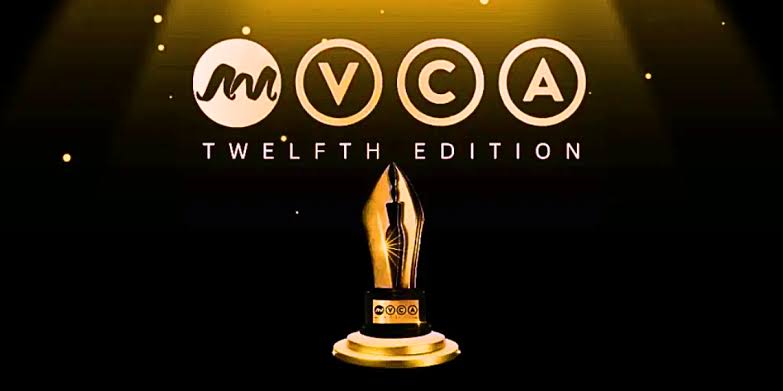
A single comment from filmmaker Mildred Okwo has pulled one of Africa’s most consistent award platforms into a wave of uncertainty that feels heavier than a casual industry opinion, because what she suggested was not a confirmation but a possibility shaped by cost pressure, ownership transition, and shifting entertainment economics that now define modern African screen culture.
The conversation around the Africa Magic Viewers Choice Awards 2026 did not begin as an official announcement, yet it quickly gained traction across industry spaces where production realities, corporate restructuring, and streaming dominance already sit at the center of daily creative survival discussions.
What makes the situation more delicate is not the statement itself but the environment it was made in, where media consolidation, rising production costs, and corporate profitability expectations are reshaping how long form cultural events are funded and sustained.
By the time the speculation reached wider audiences, it had already moved beyond a simple opinion and started functioning like a question mark hanging over one of the most visible award platforms in African entertainment history.
The origin of the speculation moment
The discussion traces directly to Nigerian filmmaker Mildred Okwo, who publicly expressed concern that the 2026 edition of the Africa Magic Viewers Choice Awards might represent a final chapter rather than another continuation. Her position was not framed as an insider confirmation but as a professional reflection shaped by her understanding of production economics and shifting corporate priorities within the African entertainment ecosystem.
She suggested that she would be very surprised if the 2026 edition did not turn out to be the farewell cycle, especially under new ownership structures that now prioritize measurable financial return over prestige driven cultural investments.
Her concern focused heavily on sustainability, particularly the financial burden associated with staging large scale televised award ceremonies in a media environment increasingly driven by efficiency metrics. This single viewpoint created the foundation for a wider conversation that soon expanded far beyond one filmmaker’s personal interpretation of industry conditions.
Cost structure pressure within AMVCA production system
The Africa Magic Viewers Choice Awards has always operated as a high cost production event, involving stage design, talent coordination, broadcasting logistics, audience management, and regional content integration across multiple African markets. Each edition requires significant investment in production crews, international standard staging, creative direction, and live broadcast infrastructure that meets both local and continental audience expectations.
These production demands make the platform one of the most expensive recurring entertainment events on the African continent, especially when measured against direct revenue generation. Unlike commercial concerts or subscription based content platforms, award shows rely heavily on sponsorship ecosystems and corporate backing rather than direct consumer payments.
This structure creates long term vulnerability whenever parent companies begin to reassess cost efficiency and strategic return on investment across their entertainment portfolios.
Ownership transition pressure within MultiChoice ecosystem
The speculation around AMVCA 2026 gained further momentum due to broader structural changes within MultiChoice and its evolving relationship with Canal Plus, which has increased scrutiny on operational efficiency across all entertainment properties. Corporate restructuring in media companies often leads to reassessment of legacy programs, particularly those that carry prestige value but limited direct revenue contribution.
Within this environment, platforms like AMVCA become subject to internal evaluations that weigh cultural impact against financial sustainability and long term profitability metrics.
Streaming services such as Showmax have also shifted corporate focus toward on demand digital consumption models that generate clearer revenue tracking systems compared to live award ceremonies.
This shift has intensified concerns that traditional large scale televised events may face reduced prioritization in future content investment strategies.
The role of industry opinion in shaping public interpretation
Mildred Okwo’s comment gained traction not because it was an official statement but because it came from someone embedded within the Nigerian film industry, where production realities are deeply understood. Industry voices often carry interpretive weight even when they are not connected to formal decision making processes, especially in environments where transparency around corporate planning is limited.


Her perspective reflected a broader anxiety within creative circles about the long term sustainability of large scale cultural showcases under changing economic conditions. However, her statement remained firmly in the category of speculation rather than confirmation, a distinction that is often blurred when social media amplifies selective interpretations of professional opinions.
This blending of opinion and perceived fact is one of the primary reasons the AMVCA 2026 conversation expanded so rapidly across entertainment discussions.
Confirmed structure of AMVCA 2026 planning cycle
Despite the speculation, the operational status of AMVCA 2026 indicates active planning rather than termination.
The event is scheduled for 9 May 2026 in Lagos, maintaining its established position within the annual entertainment calendar.
Nomination processes have already been completed, with categories expanded to include broader African representation, reflecting continued institutional investment in the platform.
Host announcements, including Bovi and Nomzamo Mbatha, further confirm that production planning is already in motion with defined creative direction.
These elements collectively indicate continuity rather than closure, even within a climate of financial and structural uncertainty.
Why sustainability concerns are gaining attention
The idea that AMVCA 2026 could possibly be the last does not originate from formal cancellation signals but from broader sustainability conversations within the entertainment industry. Award shows globally are experiencing similar scrutiny due to high production costs and shifting audience consumption patterns that favor digital clips over long televised ceremonies.
In Africa, this challenge is amplified by infrastructure costs, sponsorship dependency, and evolving corporate media strategies that prioritize scalable digital content ecosystems. These factors create a realistic environment where long standing cultural institutions must continuously justify their financial and strategic relevance. As a result, even established platforms become subject to periodic speculation about long term survival.
Industry psychology behind the last edition narrative
The phrase last edition carries emotional weight in entertainment industries because it signals potential closure of cultural traditions that audiences associate with identity and prestige. In the case of AMVCA, the awards represent not just recognition of talent but a structured archive of African film progression over the years.
This emotional attachment often intensifies reactions when any suggestion of discontinuation appears, regardless of whether it is officially grounded.
Industry professionals also tend to interpret corporate restructuring through the lens of personal experience, which can amplify concerns during periods of change. This psychological layer contributes significantly to how quickly speculation spreads within creative communities.
Corporate logic versus cultural continuity tension
At the center of the AMVCA 2026 conversation is a tension between corporate logic and cultural continuity, where financial efficiency models intersect with artistic recognition systems.
Corporations evaluate projects through return on investment frameworks, while cultural institutions often evaluate them through legacy impact and industry development value.
This difference in evaluation criteria creates friction when decisions about long standing cultural events are reviewed under modern business restructuring conditions.
The result is a recurring question within entertainment ecosystems about whether prestige driven events can survive in increasingly profit oriented media environments. AMVCA now sits directly within that intersection of value systems.
Media evolution influence on award show relevance
The rise of streaming platforms has fundamentally changed how audiences consume entertainment content, shifting attention from live broadcast events to on demand digital engagement. This shift reduces the centrality of award shows as primary cultural gathering moments, replacing them with fragmented digital highlight consumption patterns.
In this new environment, award ceremonies must compete for attention in a crowded content ecosystem where visibility is no longer guaranteed by broadcast dominance.
For corporate owners, this creates pressure to justify continued investment in formats that do not directly generate scalable digital revenue streams.
This structural shift is one of the underlying forces feeding speculation around AMVCA’s long term future.
Reality check on AMVCA 2026 status
Despite speculation, all current indicators point to an active and fully structured production cycle for AMVCA 2026. Scheduled execution, confirmed nominees, expanded categories, and announced hosts collectively reinforce operational continuity. There is no official communication from MultiChoice or the AMVCA organising team indicating cancellation or termination of the awards.
The current situation reflects industry uncertainty rather than institutional decision making. This distinction remains critical in separating speculation from confirmed structural change.
What the conversation reveals about African entertainment systems
The debate surrounding AMVCA 2026 reveals deeper realities about how African entertainment systems now operate under global corporate ownership structures.
It highlights how creative institutions are increasingly shaped by financial strategy decisions that extend beyond artistic considerations alone.
It also shows how quickly informal industry opinions can evolve into continental conversation points in a digitally connected media environment.
The speed of this transformation reflects both the strength of African entertainment visibility and the fragility of its institutional funding models. AMVCA has therefore become not just an award conversation but a reflection of wider industry transition dynamics.
Final reflection on uncertainty versus confirmation
The idea that 2026 AMVCA may possibly be the last sits entirely within the space of speculation rather than confirmed institutional planning. What exists is a valid industry concern raised by a filmmaker familiar with production realities, not a declared decision from organizers.
At the same time, the concerns reflect real structural pressures affecting large scale entertainment productions in a changing media economy. The situation captures a moment where cultural legacy, corporate restructuring, and digital transformation intersect in ways that generate uncertainty even when continuity is still operationally visible.
For now, AMVCA remains active, but the conversation around its future reflects a broader question facing many long standing entertainment institutions across Africa.