Effurun police shooting on April 26 2026 did not stay a local tragedy for long because the moment the viral video of Mene Ogidi, a 28 year old restrained man being shot surfaced, the story instantly crossed into national outrage and celebrity confrontation with authority. What followed was not scattered sympathy but a wave of sharp reactions from public figures who interpreted the same footage through different lenses of law, fear, suspicion, and institutional distrust.
The speed of reaction mattered as much as the reactions themselves because within hours the narrative was no longer controlled by official statements but shaped by voices with massive public reach.
Full Incident Breakdown: From Interception To Fatal Shot
The Effurun police shooting on April 26 2026 centers on Ogidi’s death during an encounter with officers at a busy transport hub along the Benin Motor Park axis in Warri Sapele Road. According to official accounts, the situation began when intelligence was received about a suspicious parcel allegedly linked to a firearm transaction involving a Beretta pistol with four rounds of ammunition, which led transport workers to intercept the victim before police arrival. Officers from the Effurun Area Command, led by ASP Nuhu Usman, later moved in to take him into custody, but the situation escalated when the officer discharged his weapon while the suspect was already being restrained, resulting in a fatal outcome that authorities later described as a breach of Force Order 237 and unlawful use of firearm.
A viral video that surfaced shortly after the incident became the turning point of public reaction, showing a restrained individual appearing to plead before being shot at close range, a visual sequence that directly challenged the narrative of an active threat and triggered widespread outrage across social media and public discourse. While police maintained that the victim was initially linked to a weapon-related intelligence report, the footage raised serious contradictions about whether he posed any immediate danger at the moment force was used.
Internal review processes later confirmed violations of operational rules, leading to the officer’s arrest, dismissal from the Nigeria Police Force, and a directive for criminal prosecution, with authorities classifying the act as an extrajudicial killing under Nigerian law and anti torture statutes. The case continues to stand as a focal point for debates on use of force, accountability, and the fragility of restraint during policing encounters in high tension environments.
Falz’ direct challenge to police transparency

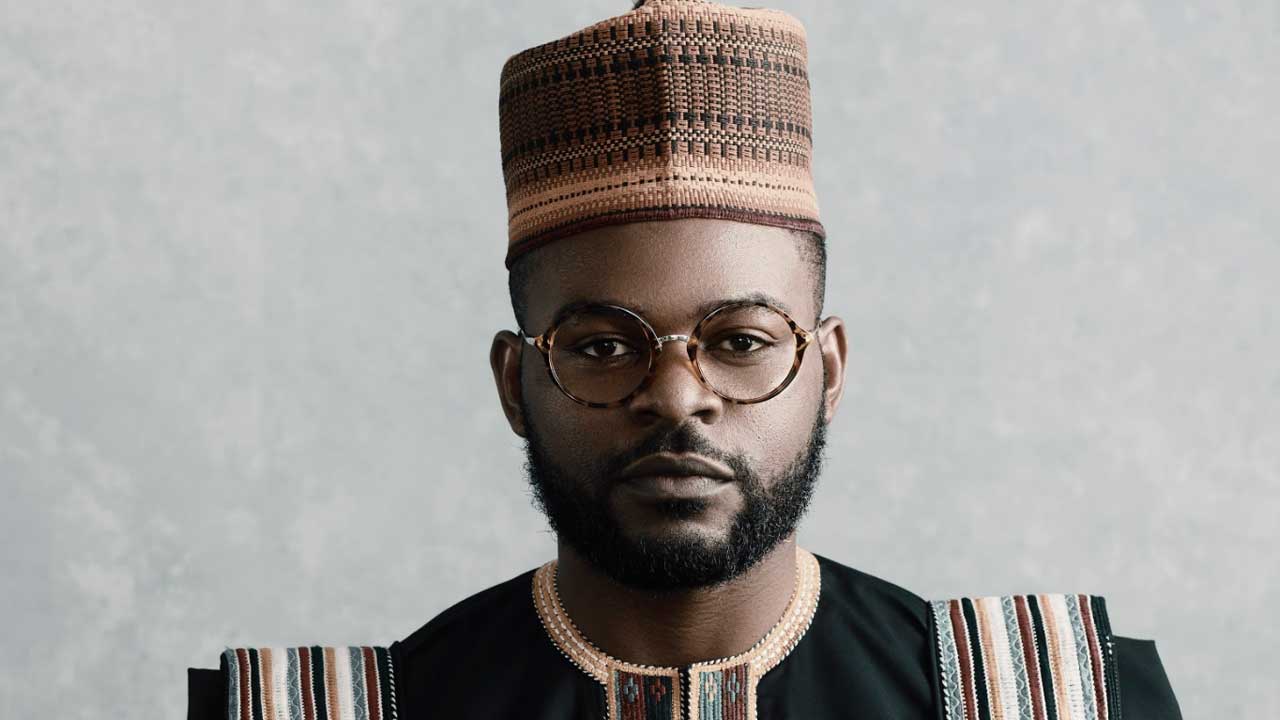
Nigerian Rapper Falz entered the conversation with a focused criticism that struck at one of the most sensitive points in the incident, the decision to cover the face of the officer involved. As the video circulated widely on April 26 2026, he questioned why an officer linked to a fatal shooting was visually shielded during public communication. His concern was not emotional speculation but institutional credibility, arguing that concealment at that stage only intensifies suspicion rather than calming public tension.
His reaction carried a legal undertone, emphasizing that accountability cannot exist without visibility when force has already resulted in death. The framing he used positioned the issue as a transparency failure that risks deepening public mistrust in policing structures already under scrutiny. What made his voice stand out was the precision of his concern, not general outrage but targeted criticism of procedure after the incident became public knowledge.
Kanayo O Kanayo on Industry vulnerability and human consequence

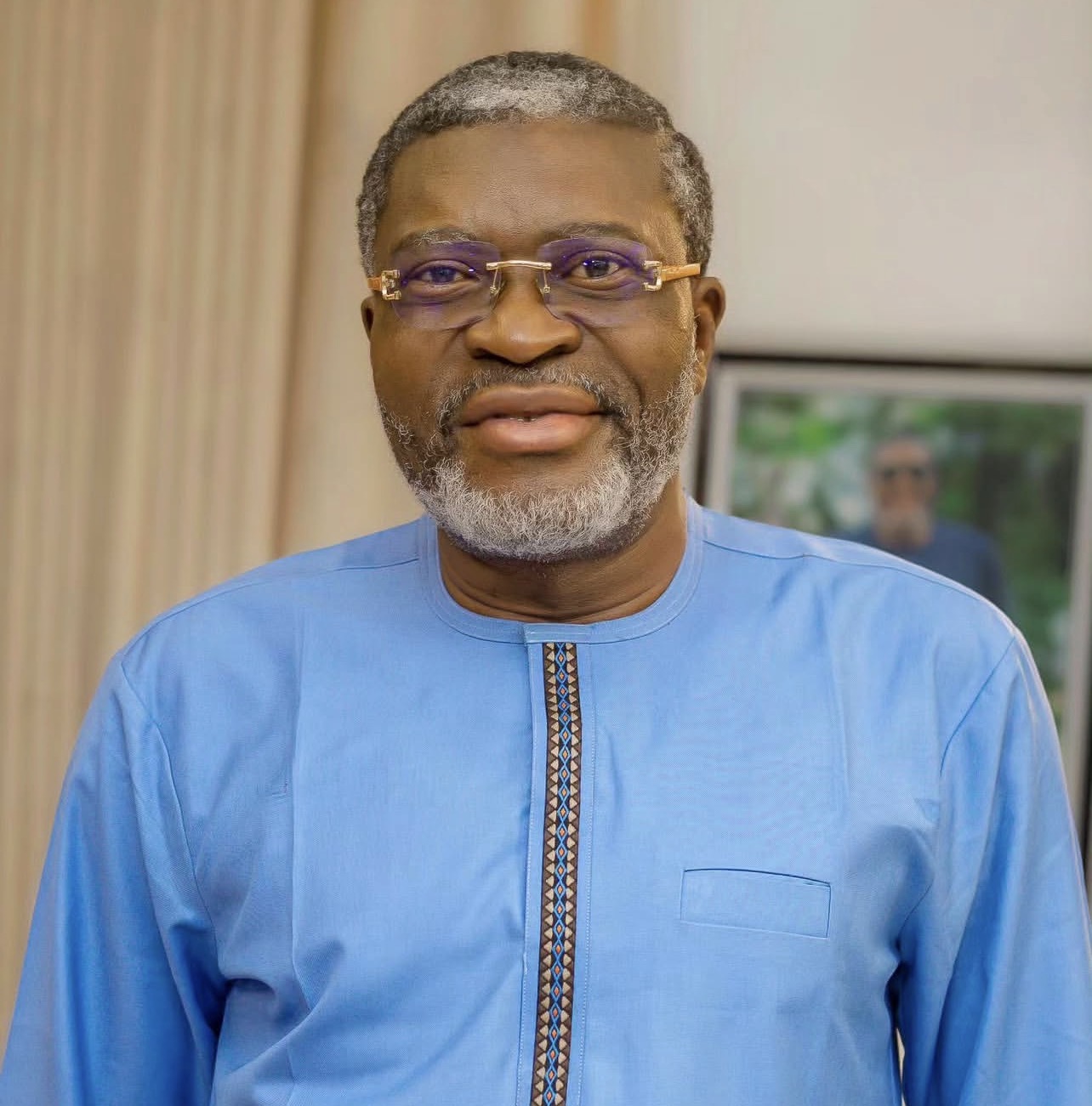
Veteran actor Kanayo O Kanayo responded from a different emotional and professional space, focusing on how the incident reveals risks beyond law enforcement circles. After viewing the viral footage from April 26 2026, he described the situation as deeply disturbing while highlighting a less discussed consequence, the danger of misinterpretation in high tension encounters.
He warned that actors and production crews could face real life danger if props or staged items are mistaken for actual weapons. This shifted the conversation from policing alone to how perception under stress can affect entirely unrelated professions. His reaction carried urgency because it tied the Effurun shooting to everyday vulnerability, not just institutional failure but the risk ordinary people face when context is ignored in split second decisions.
Akpororo on Doubt, emotional interrogation of official narrative


Comedian Akpororo’s reaction leaned heavily into uncertainty and questioning rather than structured critique. After the video spread widely on April 26 2026, he expressed discomfort with the gap between what was shown and what was initially being explained. His concern centered on whether the full context of the encounter had been disclosed or whether key details were missing from early narratives.
He did not position himself as a legal interpreter but as someone reacting to visible contradiction. The restrained state of the victim in the video versus the fatal outcome created a tension that he could not reconcile easily. His response reflected a wider public reaction pattern, emotional disbelief followed by suspicion that the story might not be fully told.
Omoyele Sowore on Systemic warning and protest memory activation


Nigerian Activist Omoyele Sowore approached the Effurun shooting as part of a larger structural problem rather than an isolated case. He framed the incident within a history of policing controversies in Nigeria, warning that continued occurrences of such violence could trigger renewed mass protest movements similar to earlier national uprisings.
His reaction connected the shooting to institutional patterns, suggesting that accountability failures risk pushing citizens toward collective resistance. He also raised concerns about the continuity of aggressive policing practices despite past reforms. His tone was not reactive alone but predictive, pointing toward potential national consequences if justice is not seen to be properly served.
Harrison Gwamnishu: Amplifier of pressure, visibility engine

Nigerian Activist Harrison Gwamnishu played a different but crucial role in shaping the public reaction ecosystem. From the moment the incident broke on April 26 2026, he consistently amplified details, updates, and public concerns, ensuring the case remained visible during its most volatile phase.
His involvement helped sustain attention during the critical early days when narratives can easily fade or be overshadowed by competing news. By pushing continuous updates and highlighting inconsistencies, he reinforced public demand for clarity and accountability. His contribution was less about commentary tone and more about keeping the case alive in the public consciousness long enough for institutional response to follow.
Collective celebrity reaction
Beyond the named figures, a broader wave of indirect celebrity response emerged through reposts, short statements, and emotional social media reactions. While not all were formally documented, the pattern was clear after April 26 2026, celebrities engaged more through digital echo than structured press statements. This created a fragmented but powerful amplification effect where even brief reactions contributed to sustained national attention.
The nature of these responses blurred the line between activism and awareness because the viral video itself carried enough emotional weight to trigger immediate public expression. However, only a few voices shaped the structured narrative while many others contributed to the background intensity that kept the incident trending.
What the reactions actually reveal
When placed side by side, the reactions from Falz, Kanayo O Kanayo, Akpororo, Sowore, and Harrison Gwamnishu reveal more than individual opinions. They expose three clear tensions running through the Effurun shooting narrative. First is the question of transparency versus institutional protection, second is the fear of uncontrolled force in moments of perceived threat, and third is the widening gap between official explanations and visual evidence circulating publicly.
The shooting on April 26 2026 became a reference point not because of celebrity involvement alone but because each reaction exposed a different fracture in public trust. Falz focused on procedure, Kanayo on human risk, Akpororo on narrative doubt, Sowore on systemic consequences, and Gwamnishu on sustained visibility. Together they did not just react to an incident, they revealed how quickly one moment can become a national mirror reflecting deeper questions about power, accountability, and the value of restraint in enforcement actions.