Social media often turns single posts into national conversations within hours, especially when they touch powerful names, large sums of money, and major infrastructure projects that already carry public interest. A particular post that circulated widely on X in May 2026 pulled attention toward the Dangote Refinery and a story framed around alleged financial pressure during its construction phase. The narrative suggested that key figures in African business were privately contacted during a difficult moment, a claim that immediately drew curiosity and skepticism at the same time.
The reason the story gained traction was not only its subject but the combination of personalities mentioned alongside one of the continent’s largest industrial developments. Aliko Dangote, Tony Elumelu, Femi Otedola, Abdulsamad Rabiu, and Mike Adenuga represent some of the most influential business figures in Africa. When any narrative connects them through informal financial arrangements, it naturally creates public debate and speculation.
The post implied that the refinery project experienced strain around 2021 during construction and suggested that informal interventions were made behind the scenes. It also referenced alleged private outreach and claimed that financial support discussions took place outside formal institutional channels. These claims spread quickly, even though no evidence accompanied them at the time of circulation.
As the conversation expanded, attention shifted from the viral nature of the post to whether any part of it could be verified through official records or credible financial documentation. That question became central to the unfolding clarification process.
Origin of claims, circulation across platforms
The viral narrative originated from an X user identified as Oghnehminehhhh. The post presented a storyline suggesting that Aliko Dangote faced financial pressure during refinery construction and allegedly reached out privately to several prominent billionaires for support. The names mentioned included Femi Otedola, Abdulsamad Rabiu, Mike Adenuga, and Tony Elumelu.
The content further suggested that Tony Elumelu allegedly promised support close to 20 million United States dollars before communication reportedly stopped. It also implied that other unnamed contributions from wealthy individuals played a role in sustaining the refinery project during that period. The framing created an impression of informal financial rescue activity around a major industrial development.
As the post spread, it was reshared across multiple platforms where it was reinterpreted in different forms. Some users treated it as insider information, while others used it as commentary on elite financial relationships in Africa. The absence of supporting documents did not prevent its rapid circulation, largely due to the high profile nature of the individuals involved.
No verified financial records, official statements, or documented transactions were attached to the original claim. That gap later became a critical factor in assessing its credibility.
Dangote Group response: Firm rejection of narrative
The Dangote Group issued a clear and direct response to the viral claims, rejecting the entire narrative as false, misleading, fabricated, and malicious in nature. The company stated that the story did not reflect any aspect of how the refinery project was financed or managed.
According to the official clarification, Aliko Dangote does not rely on informal personal borrowing from friends or associates for funding large scale industrial projects. The group emphasized that such claims misrepresent both the financial structure and operational approach behind the refinery development.
The response also addressed the suggestion that the refinery depended on emergency financial assistance from private individuals. It clarified that the project was built on structured corporate financing arrangements supported by institutional partners rather than informal private contributions.
The tone of the statement reflected concern about reputational damage not only to Aliko Dangote but also to the other individuals named in the viral post. The group urged the public to disregard the claims due to lack of evidence and misleading framing.
Tony Elumelu mention and clarification of relationship context

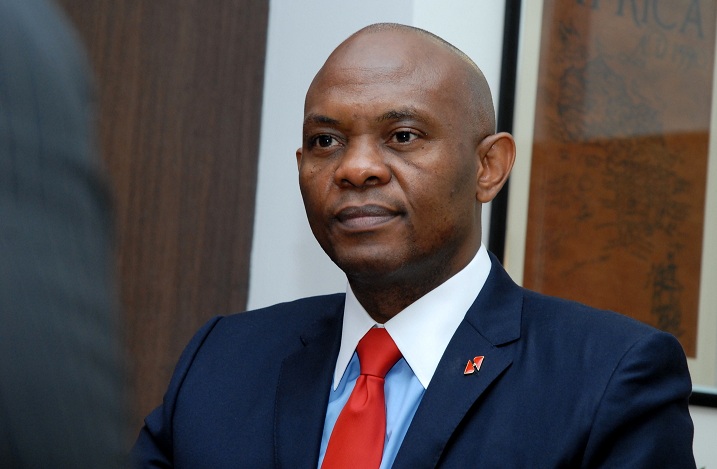
A central element of the viral narrative involved Tony Elumelu, with claims suggesting he allegedly promised financial support that was later withdrawn. This detail contributed significantly to the emotional appeal of the story online, as it implied tension or breakdown in trust between two well known figures in African business.
The Dangote Group directly addressed this implication, stating that there is no disagreement between Aliko Dangote and Tony Elumelu. It confirmed that both maintain a longstanding cordial and professional relationship within the business community.
No evidence exists to support the claim of a financial promise or withdrawal. No official documentation, public disclosure, or institutional record confirms such a transaction or arrangement. The clarification effectively removed the basis for the alleged dispute and reinforced that the narrative did not reflect real events.
This aspect of the story highlights how easily assumptions about private relationships can evolve into widely accepted narratives when repeated across social platforms without verification.
Refinery financing structure
The Dangote Refinery is widely recognized as one of the largest industrial projects in Africa, requiring extensive capital investment, long term planning, and complex financial structuring. Publicly available information shows that the project was financed through a combination of corporate funding, syndicated loans, and development finance support.
One of the most documented contributors to the financing structure is Afreximbank, which reportedly provided a facility valued at approximately 2.5 billion dollars. Such institutional participation reflects standard practice for large scale infrastructure projects that require structured repayment mechanisms and regulatory oversight.
This financing approach contrasts sharply with the viral narrative, which suggested informal financial contributions from private individuals. Industrial projects of this scale typically depend on formal financial systems rather than ad hoc personal support networks.
The Dangote Group reinforced this distinction in its clarification, emphasizing that the refinery was not funded through informal borrowing or private billionaire interventions.
Timeline context on 2021 construction phase
The viral claims specifically referenced 2021 as a period of financial strain during construction activities. This timing is important because it corresponds to an active phase of development where large scale engineering, procurement, and installation work were ongoing.
During this period, industrial projects of this magnitude typically involve phased funding releases, coordinated logistics, and continuous capital deployment. However, no verified reports or official financial disclosures indicate any disruption or emergency intervention related to the refinery during that year.
Public records and project updates from that time show continued progress in construction milestones supported by institutional financing structures. There were no documented announcements suggesting financial distress or restructuring requiring external private assistance.
By anchoring the narrative to 2021, the viral post created a sense of plausibility, but available evidence does not support the claim that financial instability occurred at that time.
Social media dynamics: why narratives spread quickly
The rapid circulation of the story reflects broader patterns in digital information behavior where narratives involving wealth, influence, and elite relationships tend to gain traction quickly. Content involving billionaires often generates high engagement due to curiosity, perceived secrecy, and assumptions about private financial networks.
In this case, the combination of recognizable names and a major infrastructure project created a narrative that was easy to share and reinterpret. The framing of alleged promises, withdrawals, and private financial intervention added emotional weight that increased its spread.
Experts in information behavior note that simplified financial stories often outperform complex explanations involving institutional financing because they are easier to understand and share. The refinery allegation fits into this pattern, where speculation filled gaps left by lack of verification.
Despite the absence of evidence, repetition across platforms contributed to the perception of credibility among some audiences before official clarification was issued.
Public reaction
Following the Dangote Group response, public discussion shifted toward verification and fact checking. Many users questioned the authenticity of the original post and highlighted the absence of supporting evidence. Others focused on understanding how such narratives gain momentum despite lacking documentation.
Even after clarification, fragments of the original claim continued circulating in modified forms across social media platforms. This persistence reflects a common challenge in digital environments where corrections often do not spread as widely as the initial viral content.
Public interest remained strong due to the prominence of the individuals involved and the scale of the refinery project itself. However, engagement gradually shifted from acceptance of the claim to scrutiny of its origin and validity.
Verified position
After evaluating official statements and available financial context, several points remain clearly established. The Dangote Group has categorically denied the claims presented in the viral post. The refinery project is known to have been financed through structured institutional arrangements rather than informal personal contributions. No evidence supports claims of emergency financial intervention by any of the named individuals. No documented dispute exists between Aliko Dangote and Tony Elumelu in relation to refinery financing.
The entire viral narrative remains unverified and unsupported by credible documentation. It stands as an example of how quickly unconfirmed claims can circulate when they involve high profile figures and major economic projects.
It is also important to note clearly within the timeline of events that the post and clarification happened in May 2026, a detail that situates the entire controversy within a defined period of social media activity and official response.
Final reflection
The controversy surrounding the Dangote Refinery allegation highlights how easily large scale industrial projects become subjects of speculation when discussed in public digital spaces. It also shows how financial complexity is often reduced into simplified personal narratives that are more easily consumed and shared.
Industrial financing at this level operates through structured systems that involve documentation, institutions, and regulatory frameworks. When removed from that context, it becomes vulnerable to reinterpretation through rumor and assumption.
The clarification issued by the Dangote Group restores the factual foundation of the project financing structure and removes the basis for the viral claims. What remains is a reminder of the importance of verification in an environment where speed of information often outpaces accuracy.