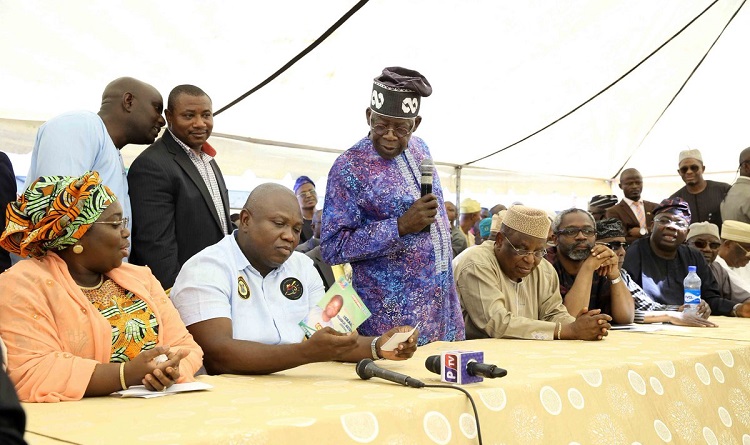
Nigeria’s political landscape in 2026 is no longer being discussed as isolated defections or routine party switching, but as a completed structural realignment that is already shaping expectations for the 2027 general election. The All Progressives Congress (APC), Peoples Democratic Party (PDP), African Democratic Congress (ADC), and National Democratic Coalition (NDC) have become central reference points in a shifting power equation that now defines national political forecasting.
What is now confirmed within political reporting circles is a layered migration of key political figures across these platforms. Atiku Abubakar moved from PDP into ADC, temporarily repositioning ADC as the main opposition convergence point. From there, Peter Obi and Rabiu Kwankwaso exited ADC into NDC, creating a second wave of consolidation that redirected opposition gravity toward a new political centre.
This sequence has produced a political environment where APC, PDP, ADC, and NDC are no longer just party labels but active positions within a broader struggle for electoral dominance, coalition survival, and national voter alignment heading into 2027.
Confirmed Chain Of Political Migration Across Opposition Structures

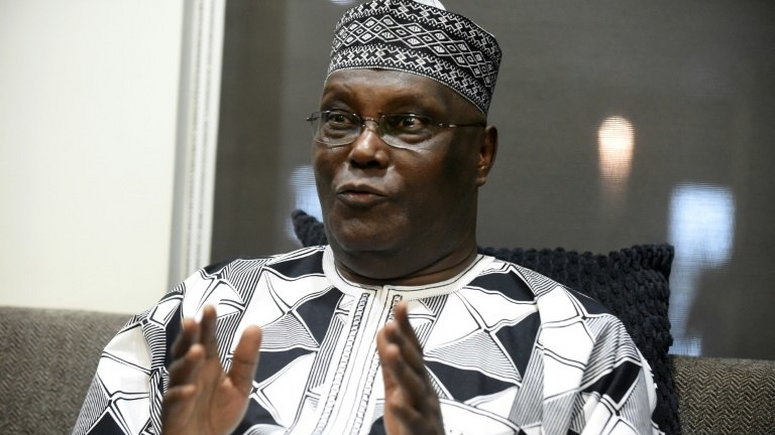
The first major shift began with Atiku Abubakar leaving PDP to join ADC. This move significantly altered PDP’s internal balance, removing a long standing presidential figure whose influence shaped multiple electoral cycles. His entry into ADC elevated the party into a serious opposition coordination platform and triggered expectations of a broader coalition restructuring.
However, that configuration did not remain stable. Peter Obi and Rabiu Kwankwaso, both previously aligned within ADC structures, later moved into NDC. Their exit marked a decisive redistribution of opposition influence, pulling away two of the most electorally significant mobilisation forces from ADC and transferring them into a new coalition framework.
This created a clear sequence of political migration. PDP lost Atiku to ADC. ADC lost Obi and Kwankwaso to NDC. NDC then emerged as the new consolidation centre for opposition alignment ahead of 2027.
Atiku Abubakar’s Move From PDP To ADC
Atiku Abubakar’s departure from PDP into ADC represents one of the most consequential opposition shifts in recent Nigerian political history. Within PDP, Atiku functioned as a central presidential reference point and a stabilising figure around which national electoral strategies were often built.
His movement into ADC immediately repositioned the party as a potential opposition headquarters, attracting attention from various political actors seeking an alternative platform to both APC and PDP dominance structures. Atiku’s presence brought national recognition, elite negotiation capacity, and electoral experience into ADC’s framework.
However, as opposition realignment deepened, ADC’s central position weakened once Obi and Kwankwaso exited toward NDC, leaving Atiku within a diminishing coalition environment.
Peter Obi’s Role Within National Democratic Coalition Structure

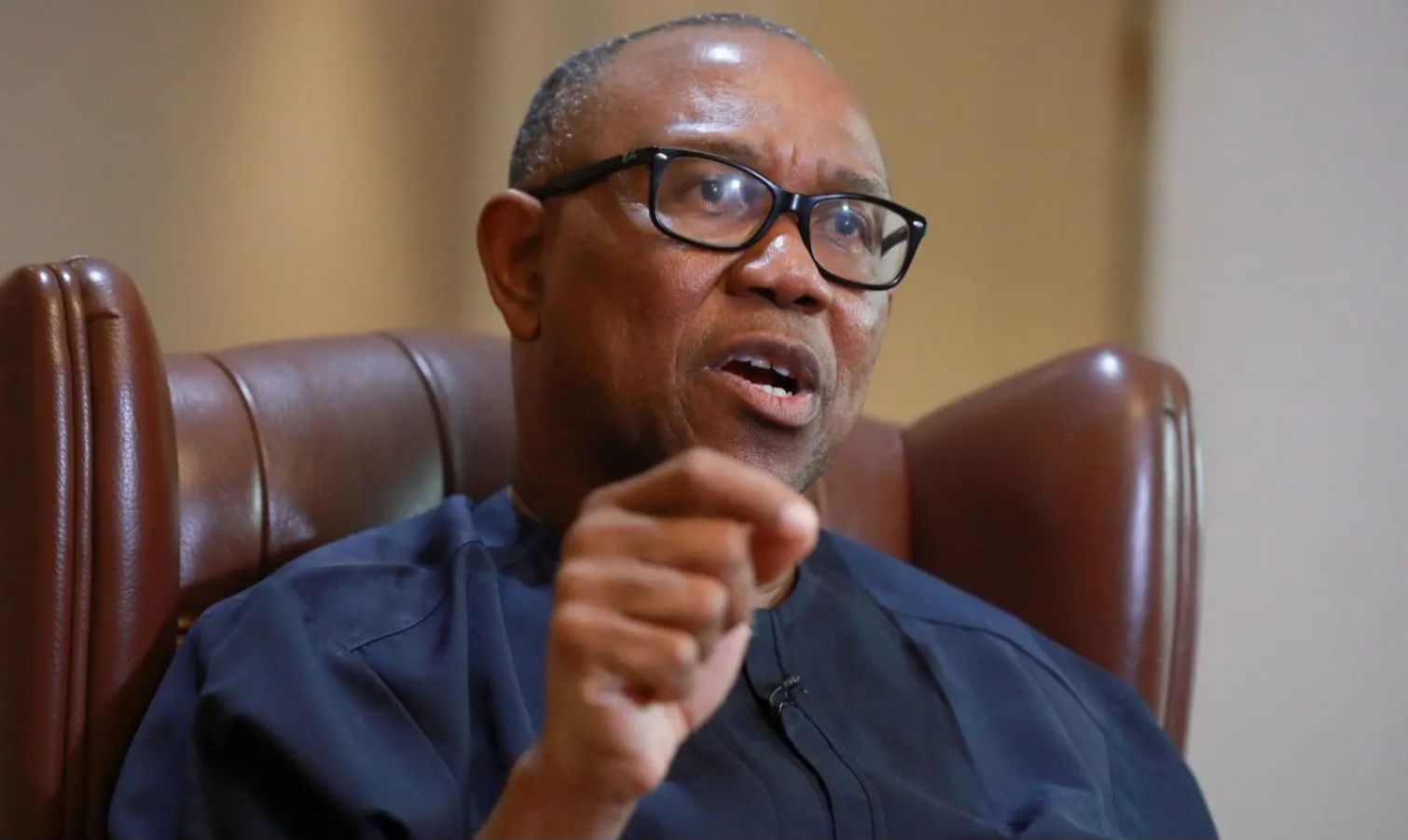
Peter Obi, formerly of the Labour Party, now operates within NDC as a central mobilisation figure. His political influence remains rooted in youth driven support networks, urban voter engagement, and a strong emotional connection with a large segment of Nigeria’s electorate.
Within NDC, Obi represents electoral energy and public engagement capacity that significantly expands the coalition’s national visibility. His movement into NDC is not viewed as symbolic but as a strategic consolidation of mass political influence into a single opposition platform capable of competing at national scale.
His position also introduces internal strategic considerations around leadership balance, as his popularity creates both opportunity and negotiation complexity within coalition arrangements.
Rabiu Kwankwaso’s Northern Political Structure And Electoral Machine

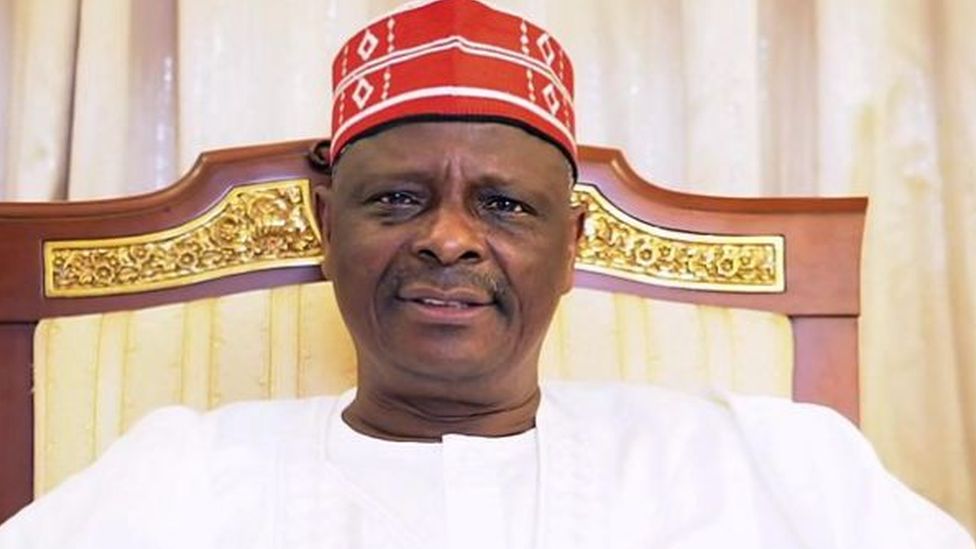
Rabiu Kwankwaso, formerly associated with New Nigeria Peoples Party (NNPP),, brings into NDC one of the most disciplined grassroots political organisations in Northern Nigeria. His Kwankwasiyya movement remains deeply entrenched in Kano State and extends across broader North West political networks.
Within NDC, Kwankwaso functions as the primary northern mobilisation engine. His influence is grounded in structured voter loyalty, grassroots organisation, and consistent electoral turnout capability. This positions him as a critical counterbalance to Obi’s southern and urban influence, creating a geographically balanced coalition framework.
Seriake Dickson’s Institutional Bridge Within Coalition Structure


Seriake Dickson, former Governor of Bayelsa State and former Senator, is also linked to the emerging coalition structure as part of its stabilising institutional layer. His role is frequently described as that of a bridge between competing internal blocs within the NDC framework.
Dickson’s experience in governance and legislative coordination provides structural balance to a coalition otherwise dominated by mass mobilisation and grassroots political forces. His presence strengthens internal negotiation capacity and contributes to institutional credibility within the alliance structure.
ADC Position After Loss Of Coalition Centrality
The African Democratic Congress now finds itself repositioned after the exit of Peter Obi and Rabiu Kwankwaso. While the party retains organisational presence, its role as a central opposition coordination platform has significantly weakened.
Leadership structures historically associated with Ralph Nwosu are now operating within a reduced influence environment as coalition gravity shifts toward NDC. ADC remains part of the opposition ecosystem but no longer serves as the primary convergence point for national level electoral coordination.
PDP Internal Pressure After Atiku Departure
The Peoples Democratic Party has experienced significant structural pressure following Atiku Abubakar’s exit. As a party, PDP historically functioned as Nigeria’s main opposition force, but the loss of Atiku disrupted its presidential leadership continuity.
Key figures such as Nyesom Wike continue to play influential roles within PDP internal dynamics, shaping political negotiations and strategic positioning. However, the absence of a unifying presidential figure has weakened PDP’s ability to maintain dominance as the central opposition platform.
The emergence of NDC as a consolidated alternative has further intensified PDP’s identity challenge, repositioning it as a legacy opposition structure under pressure.
APC Strategic Position Under Bola Ahmed Tinubu Administration

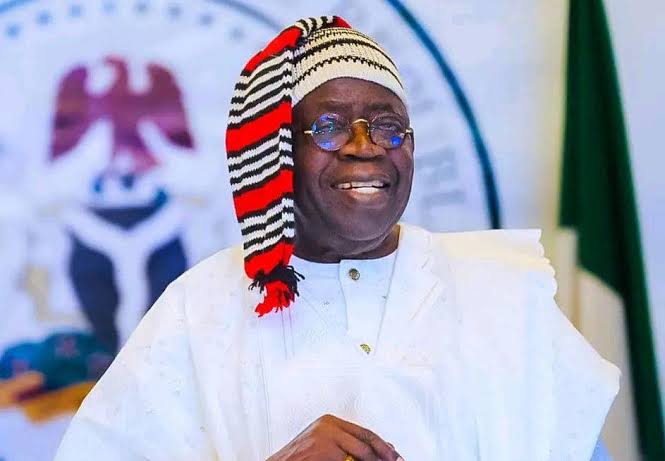
The All Progressives Congress, led by President Bola Ahmed Tinubu, remains the ruling political structure and primary beneficiary of opposition transition instability. APC’s strategic advantage lies in its institutional control, governance narrative, and ability to frame opposition realignment as evidence of political fragmentation.
Within APC, key political operators continue to focus on maintaining electoral stability messaging while monitoring opposition consolidation efforts. The current fragmentation across PDP, ADC, and transitional opposition structures provides APC with short term narrative advantage ahead of 2027.
However, this advantage may shift if NDC stabilises into a fully unified opposition force.
NDC Emergence As Central Opposition Platform
The National Democratic Coalition has now emerged as the central opposition platform following the migration of key figures from ADC and earlier PDP realignment phases. With Peter Obi and Rabiu Kwankwaso as principal figures, the structure represents a consolidation of electoral influence across Nigeria’s major demographic and regional divisions.
Obi provides national youth engagement and urban electoral momentum. Kwankwaso provides northern grassroots structure and disciplined voter mobilisation. Seriake Dickson adds institutional depth and governance experience. Together, these elements form a coalition structure that extends beyond party identity into integrated electoral capability.
Internal Leadership Balance And Presidential Question
Despite its growing strength, the NDC structure faces internal pressure related to leadership selection and presidential ticket negotiation. The presence of multiple strong political figures creates a complex environment where regional balance, electoral strength, and coalition unity must be carefully managed.
Peter Obi’s national popularity, Rabiu Kwankwaso’s northern structure, and contributions from other coalition stakeholders create a negotiation framework that remains sensitive to imbalance. Nigerian political history demonstrates that coalition durability often depends on resolving such internal competition without fragmentation.
APC, PDP, ADC, NDC Within New Electoral Equation
APC stands as the ruling structure with institutional control. PDP remains a legacy opposition platform adjusting after the exit of Atiku Abubakar. ADC now operates as a diminished transitional structure following the departure of Obi and Kwankwaso. NDC has emerged as the consolidated opposition centre following the final migration phase.
Atiku Abubakar’s move from PDP to ADC initiated the first phase of opposition restructuring. Peter Obi and Rabiu Kwankwaso’s move from ADC to NDC completed the consolidation process that now defines opposition alignment heading into 2027.
Final Political Interpretation Ahead Of 2027
Nigeria’s political environment has entered a structural phase where opposition politics is no longer fragmented in the traditional sense but redistributed across sequential coalition movements. The migration from PDP to ADC and from ADC to NDC has created a new political architecture that reshapes electoral expectations.
The central question now is whether NDC can maintain internal cohesion through leadership selection and regional balancing challenges while sustaining its combined electoral strength against APC. If successful, Nigeria may enter a two bloc electoral contest. If unsuccessful, fragmentation may return as the dominant pattern.
What is already established is that Nigerian politics has moved beyond party isolation into coalition driven electoral engineering where power is determined not only by party identity but by the ability to unify competing political forces into a single operational structure.