Private ownership is gaining ground in Nigerian football as investor-backed clubs record improved performances across domestic competitions.
In the latest Nigeria National League season, all four promoted teams — Doma United, Inter Lagos, Sporting Lagos and Ranchers Bees — are privately owned.


Their rise reflects a gradual shift from the long-standing dominance of government-funded clubs within the system.
PAST STRUGGLES, NEW MOMENTUM
Historically, privately run clubs such as Abiola Babes, Iwuanyanwu Nationale and Stationery Stores struggled to survive due to high costs and limited institutional support.

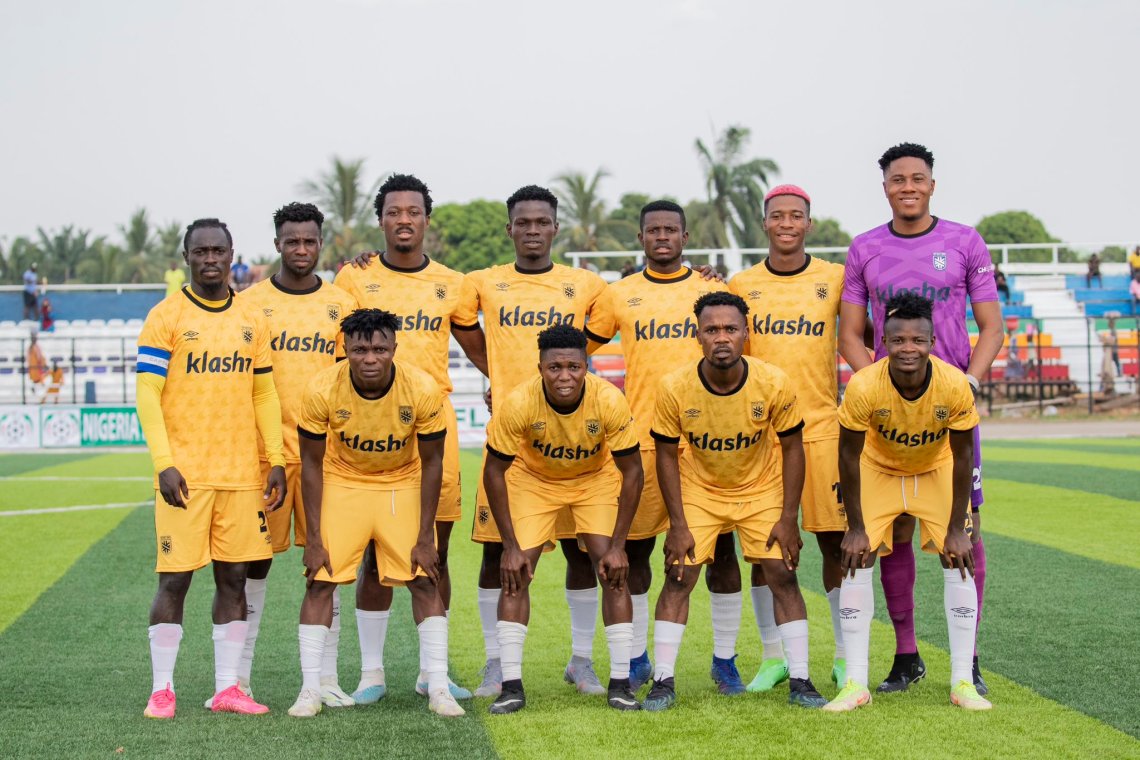
Many of them folded after years of financial strain, while government-owned teams continued to operate with public funding.
More recent private teams like FC Ifeanyi Ubah and MFM Lagos also faced similar challenges, highlighting structural difficulties within the league.


However, recent seasons have seen renewed investor interest, supported by better management approaches and long-term planning.
Remo Stars’ 2025 league title win marked a major milestone, while Ikorodu City remains competitive in the current campaign.
STRUCTURE AND CHALLENGES
Private clubs are increasingly adopting business models, including digital marketing, fan engagement and structured financial planning.


The owner of Remo Stars, Kunle Soname, has been linked to disciplined management and infrastructure development within the club.
Despite these gains, challenges persist, including high travel costs, access to facilities and uneven competition with state-backed teams.
OUTLOOK
The growing presence of private clubs signals a shift toward a more professional football system in Nigeria.
Observers say sustained progress will depend on balanced policies, improved regulation and a level playing field for all teams.
If current trends continue, privately owned clubs could play a larger role in shaping the future of the domestic league.